@atlanticesque Those are both the actual literal translations btw, 趁热打铁 and 鉄は熱いうちに打て.
Side note: I looked into it a bit ago with some friends and as far as we could find it was actually first calqued into Chinese via L'Internationale. I'd guess the same for Japanese. Pretty cool
@kurogakuHERO@Mariox222 Strokes 1, 10, & 11 in 褒 also (in JP, 1 is straight down stroke and 10 and 11 are disconnected)
And 言 as above replier mentions
Some of these differences are standard in JP (like 直) and some can vary more esp. in handwriting (like 言 as above replier mentions)
@kurogakuHERO@Mariox222 The differences in your screenshots are 廿 in 漢 instead of 艹, stroke 5 in 写, stroke 5 in 勉 & stroke 8 in 違. Most are minor differences (i.e. still readable) but may change stroke count & shape. Aside from above replier's examples see also 海 曜 今 茶 字 北 低 冷
@ShinobuEnjoyer@GeoletryExpert@Nisebotan was created by adding a line to disambiguate the two meanings. Eventually 大 settled into meaning "big" and 夫 into meaning "adult man."
婦 is a phono-semantic compound formed using semantic 女 and phonetic 帚. Originally the word was just written with 帚.
@ShinobuEnjoyer@GeoletryExpert@Nisebotan If you are referring to the characters' origins then these are both folk etymologies (though I don't know where they're from).
夫 is 大 with a differentiative line. 大 was originally a representation of an adult figure that was used to mean both "adult man" and "big." Later 夫
@AdriGarriga@MoYe_CF@_fethers@KaihatsuYT (This Han form probably would’ve been good for comparing with the bottom component too instead of the Shuowen form. The Shuowen forms were very influential though especially for the styles used on seals)
@AdriGarriga@MoYe_CF@_fethers@KaihatsuYT Basically, the forms of Chinese characters have changed over time, but the script on seals are traditionally derived from forms that were used, or thought to have been used, in ancient times (with added stylistic changes of course)
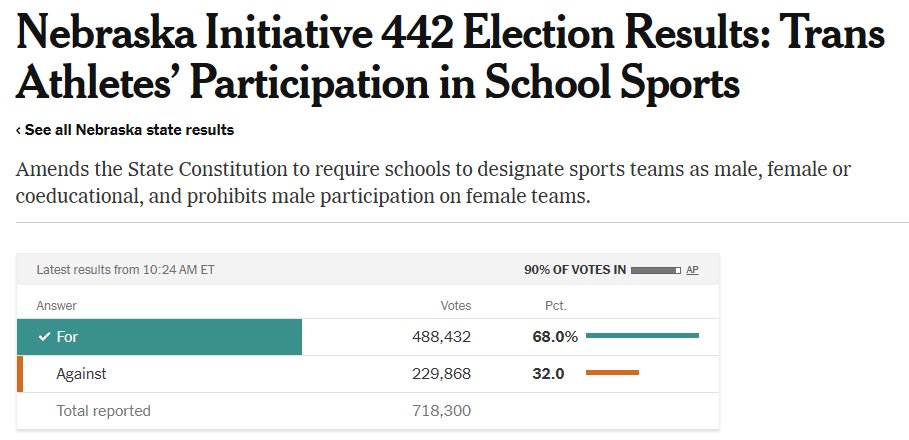
@jammywho21@klssyourenemy "In the United States, a ballot measure is a law, issue, or question that appears on a statewide or local ballot for voters of that jurisdiction to decide."