How do artists encounter the curatorial? Art historian Roger Nelson traces histories of curatorial encounters in Southeast Asia through the work of Cambodian artist Svay Ken (1933-2008) and Vietnamese Nhà Sàn Collective (est. 2013), thinking about how artists experience the curatorial “as often fraught, even while such engagements may also be enabling and even nourishing.” Read more here.
Berry Bickle's oral history on Pachipamwe II (Zimbabwe, 1989) offers rare firsthand testimony on how the Triangle Network reshaped contemporary art exchange in Southern Africa during the Apartheid era. https://t.co/lA5bVWnwR0 #AfricanArtHistory#TriangleNetwork
How does an artist make you feel connected without overwhelming you? Mieke Bal unpacks the quiet power of Nalini Malani's shadow plays, works that refuse linear narrative and collapse ancient myth with 20th-century poetry. https://t.co/uZPA1VdANr #ArtTheory#SouthAsianArt #MiekeBal #GlobalArt #CulturalTheory #cmap
From wartime curfews to corporate sponsors, how did Sri Lanka's major art festivals navigate decades of censorship and change? Jyoti Dhar maps the evolution (and growing pains) of Colombo's biennale scene. https://t.co/Qj07uIfUp5 #ArtInConflict#Colomboscope#PostwarArt #SriLankanArt #ContemporaryArt #ExhibitionHistory
What does it mean when an artist says Partition "is what we are living even now"? Nalini Malani unpacks her practice across five decades in this candid studio talk with Stuart Comer and Gayatri Sinha. https://t.co/gxjLFrUvJD #ArtHistory#India#VideoInterview#ContemporaryArt #Mumbai #CMAP
How have artists in Indonesia mobilized DIY technology in their contemporary artistic practice? Curator and critic Ibrahim Soetomo zones in on the practice of artist Bagus Pandega (b. 1985) to think about the history of technology- and media-based practices in Indonesia through the notion of modularity. Read more here:https://t.co/OnjPruS1Ku
#BagusPandega #DIYtech #IndonesianContemporaryArt #SoutheastAsia
In 1938, Ernest Mancoba became the first Black South African artist to travel to Paris. A year later, he abandoned figuration entirely. What was he leaving behind, and what was he reaching for? https://t.co/DQ04v1oouP #Modernism#AfricanModernism#ArtHistory#SouthAfricanArt #20thCenturyArt
Seyni Awa Camara’s striking clay sculptures, once hidden in a special room outside her village, now belong to major collections worldwide. Maureen Murphy traces the artist’s journey and the burden of representation placed on her work.
https://t.co/QcinchedLI
#ArtHistory #ContemporaryArt #Sculpture #WomenArtists
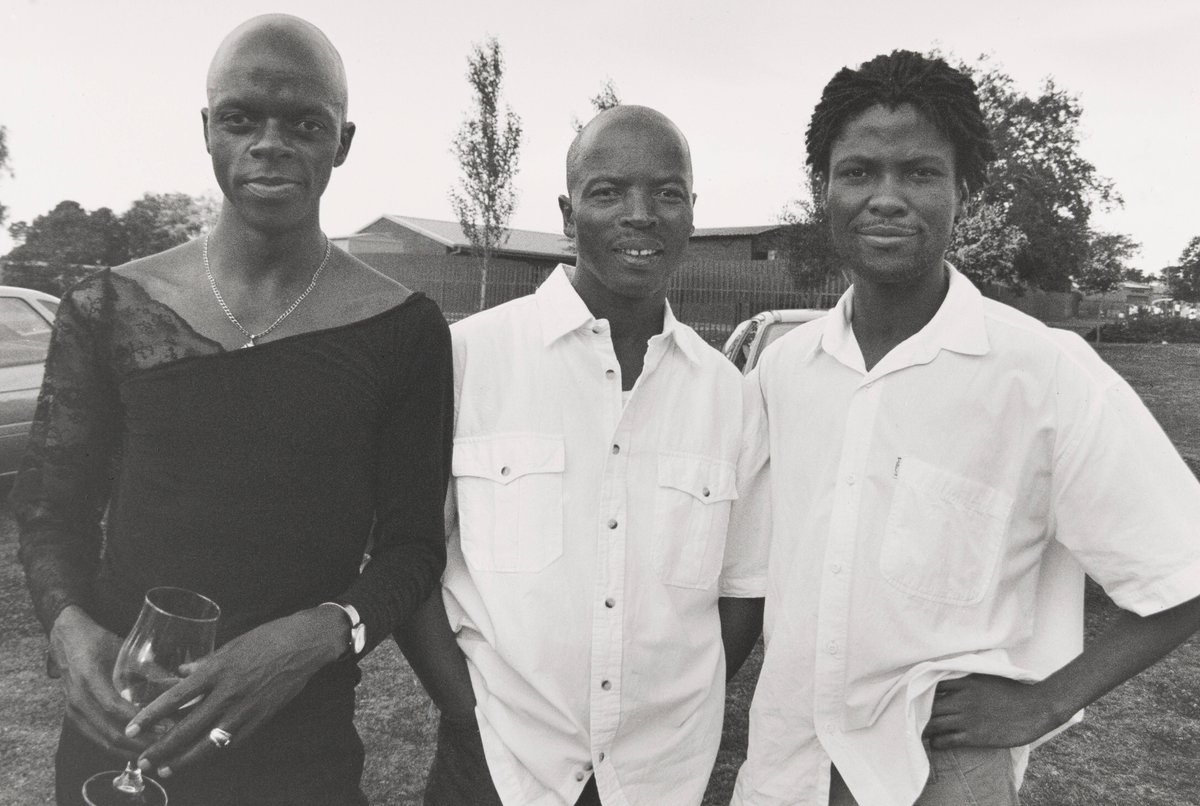
A compelling new essay by KJ Abudu on Sabelo Mlangeni traces how Isivumelwano reframes wedding photography as a site of Afri-queer worldmaking—where intimacy, refusal, and “riotous deathscapes” co-exist within the afterlives of apartheid.
#AfriQueer#ContemporaryArt#ArtHistory #VisualStudies #SouthAfrica #QueerTheory
https://t.co/RDhXK8V8kL
Scholar Alexandra Tsay discusses the influence of Kazakh ornament in the work of Kazakhstani artist Lidiya Blinova (1948–1996) titled Finger Ornament (1995). Read more here: https://t.co/d3ds0kwxRc
Head over to post to read reflections from the 2026 C-MAP Africa research trip to Morocco—tracing artistic networks, pedagogies, and encounters across Marrakech, Casablanca, Rabat, Tangier, and Tétouan.
#CMAPAfrica#GlobalArtHistory#ArtResearch#Morocco https://t.co/5GndlHihT8
Tricky Terms, Coming Together: Arianna Mercado, David Morris, and Wing Chan and Carlos Quijon, Jr. in Conversation https://t.co/WIxq1RCoXx #asiaartarchive#afterall#ruangrupa
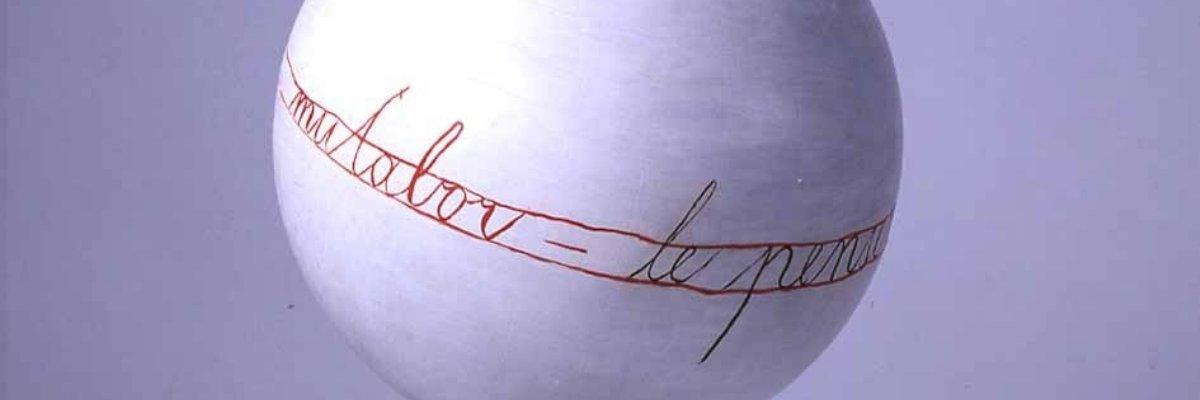
What if the “School of the Sign” was never a school, but a conceptual field? This text by Lydia Haddag revisits Algerian art history to examine how artists transformed the Sign into a site of aesthetic and political inquiry. #AlgerianArt#ArtHistory#GlobalModernism#Postcolonial #Decolonization #ModernArt #VisualCulture
https://t.co/7CtF4AQ0zC
In 1974, Senegalese artist Younousse Seye discovered her painting Mame Coumba Bang had been slashed at Dakar’s Musée dynamique.
This essay reconstructs the lost work through its defacement—exposing gendered and racialized tensions in Senegal’s postindependence art world.
Read the full essay: https://t.co/Lz8kZ4jk5R
#YounousseSeye #ModernArtSenegal #ArtHistory #PostIndependence #PanAfricanism
“Art cannot just make us feel represented. It can’t only give us images of Dalit women that confirm what we already know. It also has to push us to ask, “What do we allow Dalit women to do?”” #Mumbai#Artandthepolitical#illustration#ShrujanaNiranjaniShridhar#MayaVarma @post at MoMA
https://t.co/wSKgcHwm2c
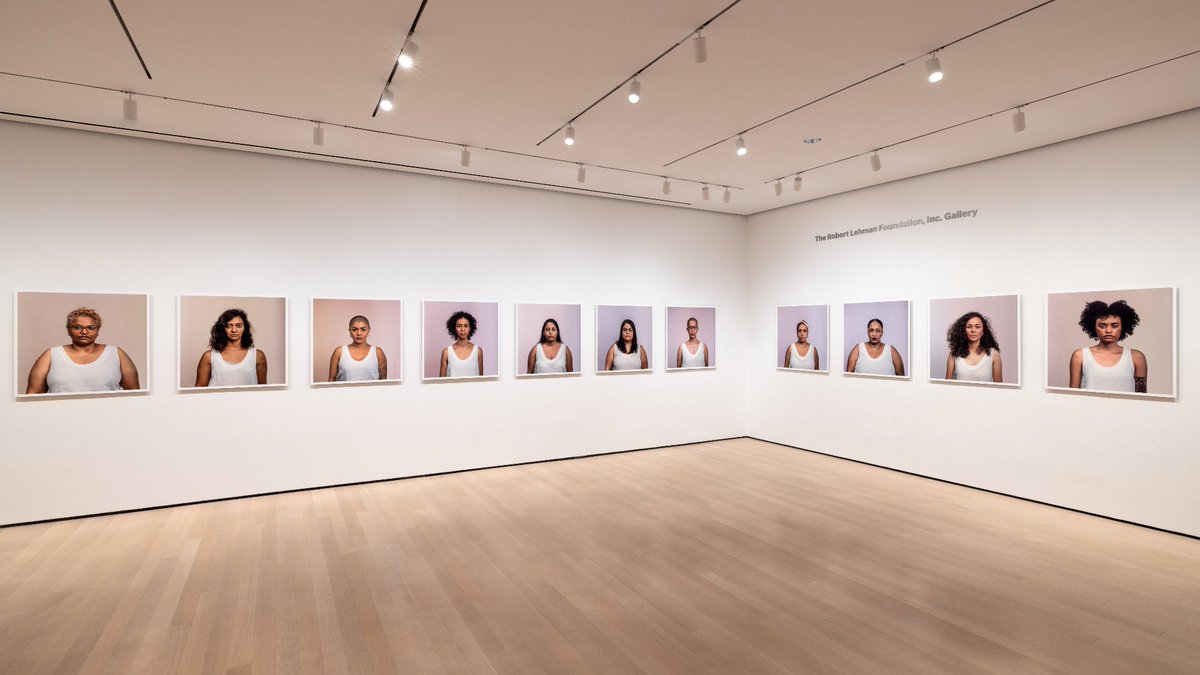
Mourning Against the Archive in Gabrielle Goliath’s Art by Stefanie Jason reflects on grief, photography, and refusal through Berenice 29–39, linking personal loss to the visual regimes of apartheid-era identification and classification in South Africa. Read more: https://t.co/zl7xCfwWJS
#GabrielleGoliath #Berenice2939 #NewPhotography #MoMA #Photography #SouthAfrica #ApartheidHistory
Our newest publication: Hanoi Children’s Palace: Nostalgia for the “New Socialist Human” https://t.co/6XfSZ31vDf is live on #post! https://t.co/9AYu0HO8MV
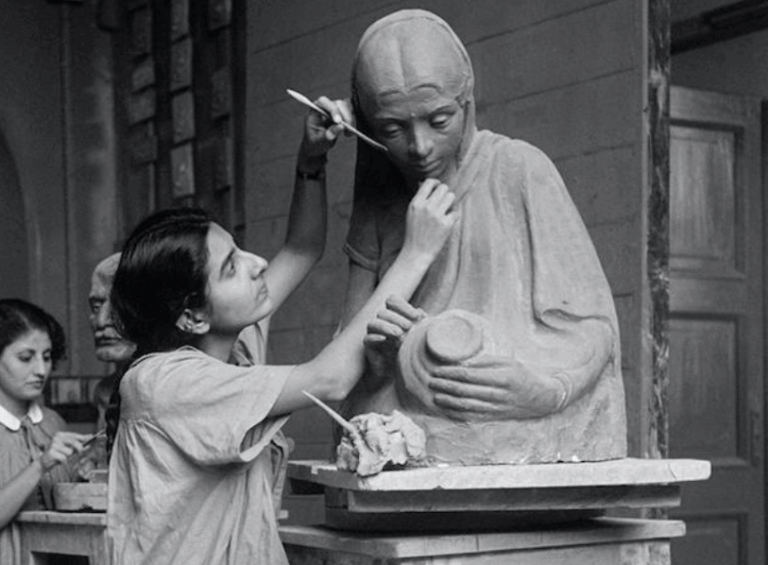
What do the intersections of the body and labour tell us about art education at the Sir J.J. School of Art, Bombay, in the long 20th century? Read more here: https://t.co/WqQWuiBVn4