This entry examines two main positions on knowledge pluralisation in IR: substantialism and relationalism. Understanding the differences between these positions helps to clarify how interventions across different fields should be undertaken. #knowledge#pluralisation
7 Oct, 6:15pm: Keynote by Antje Daniel (University of Vienna), "Confronting the Coloniality of Time through Afrotopias", part of the Think Lab "Contesting Hierarchies." Raum 101, Pilgrimstein 12, Marburg.
https://t.co/aqdPDE634C
5 Oct: Book Talk by Lea Ebeling, "Nowhere, No-Place, and A World Without Borders", opening this year's Think Lab "Contesting Hierarchies: Utopia and Future-Making in a Postcolonial World." 6:15pm, Raum 101, Pilgrimstein 12, Marburg.
https://t.co/Eyp5OpA1MH
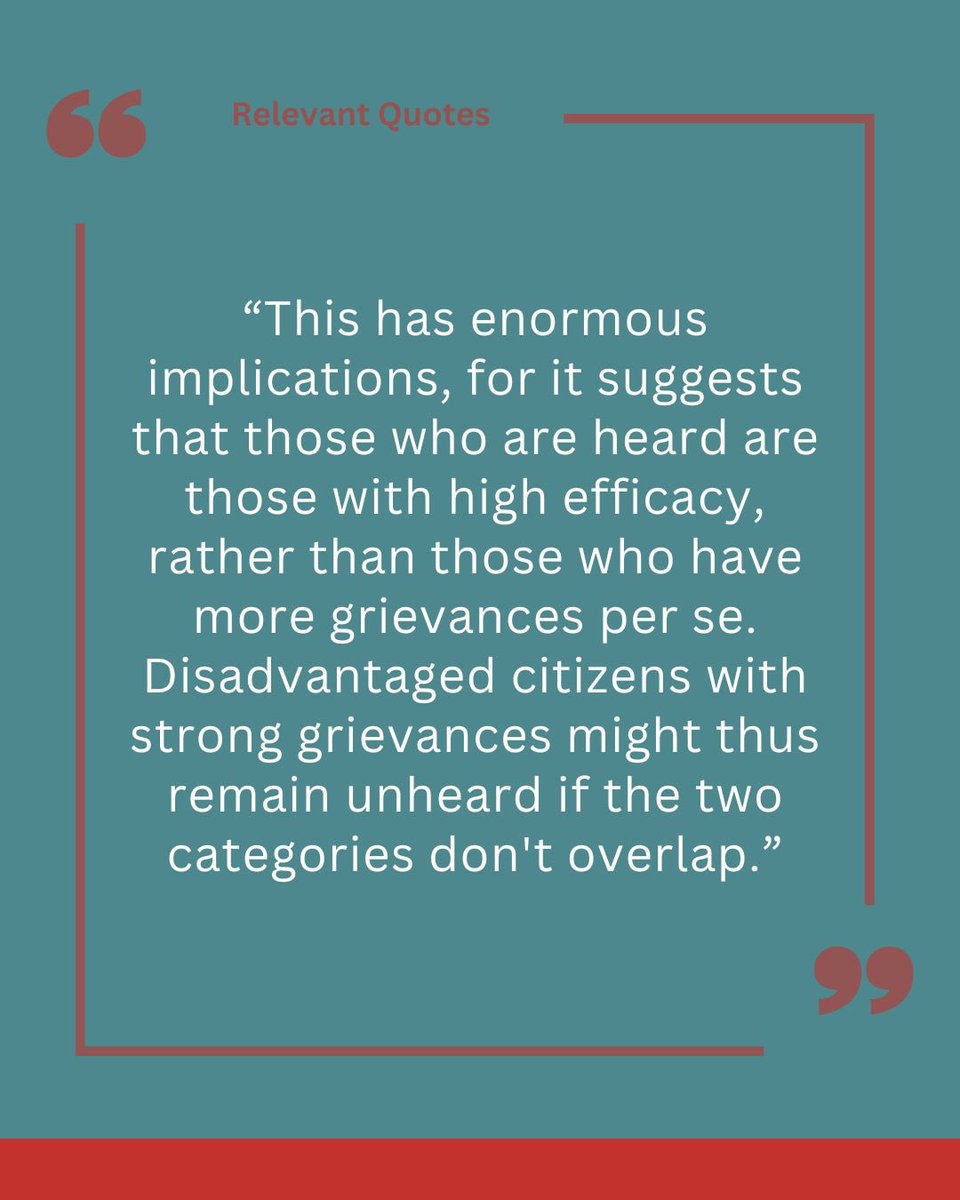
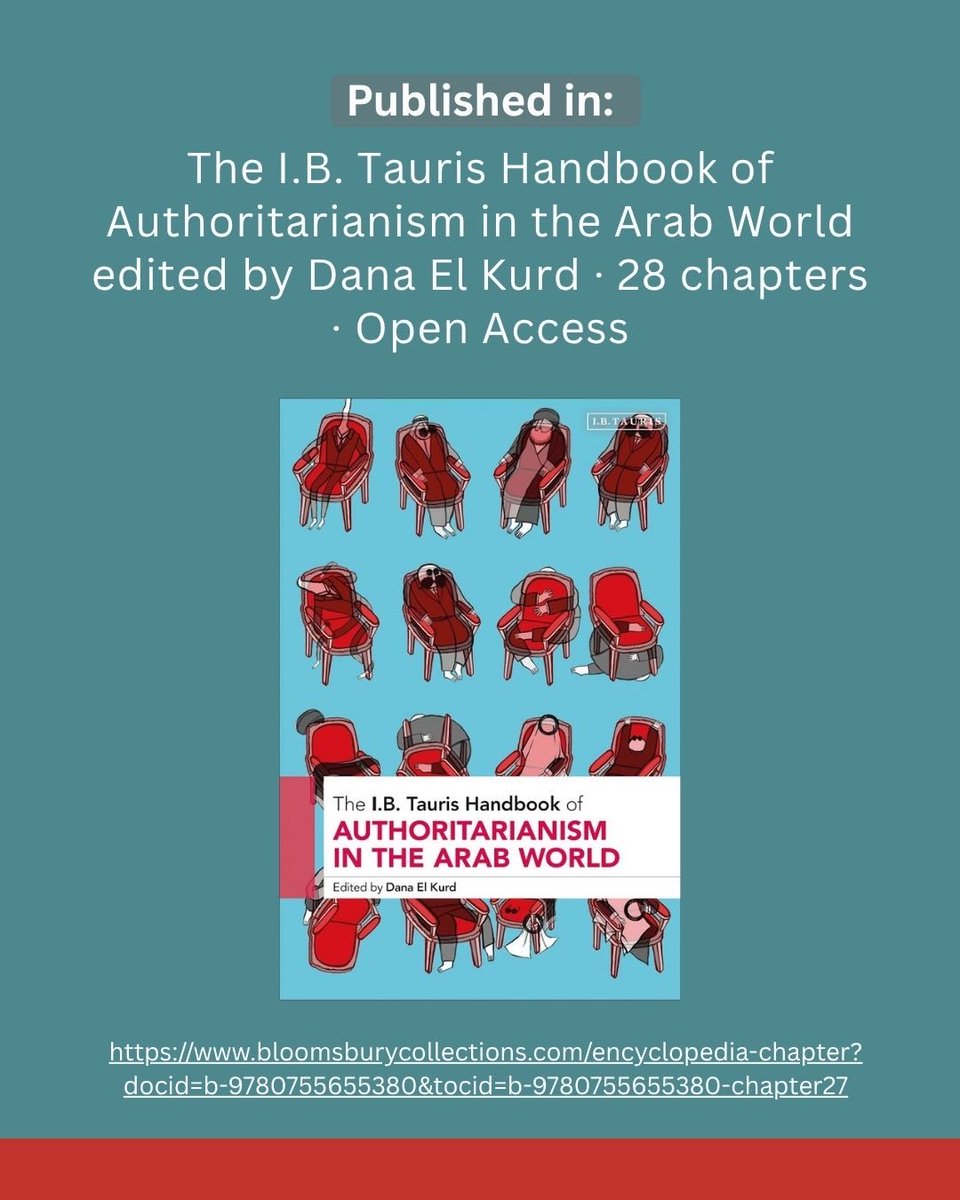
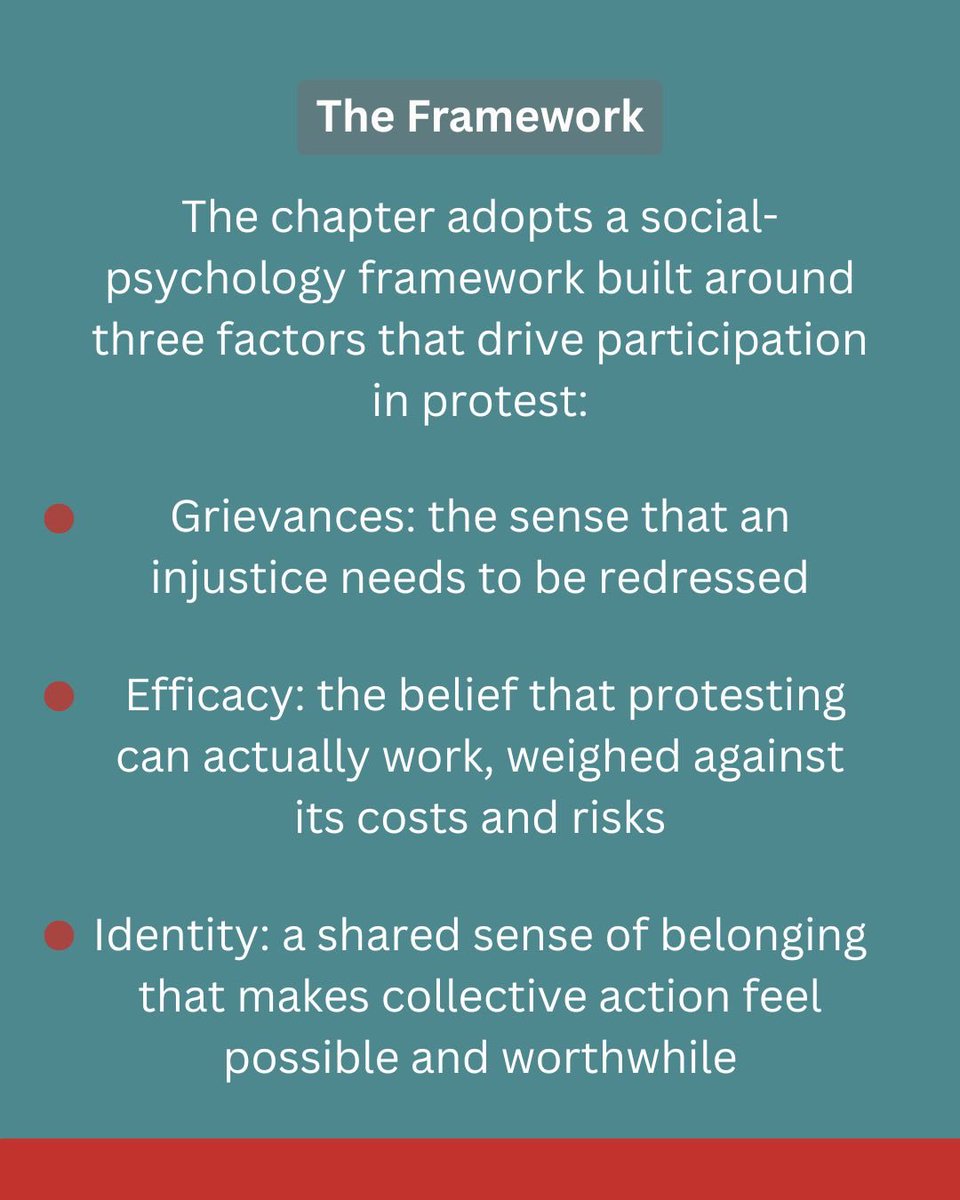
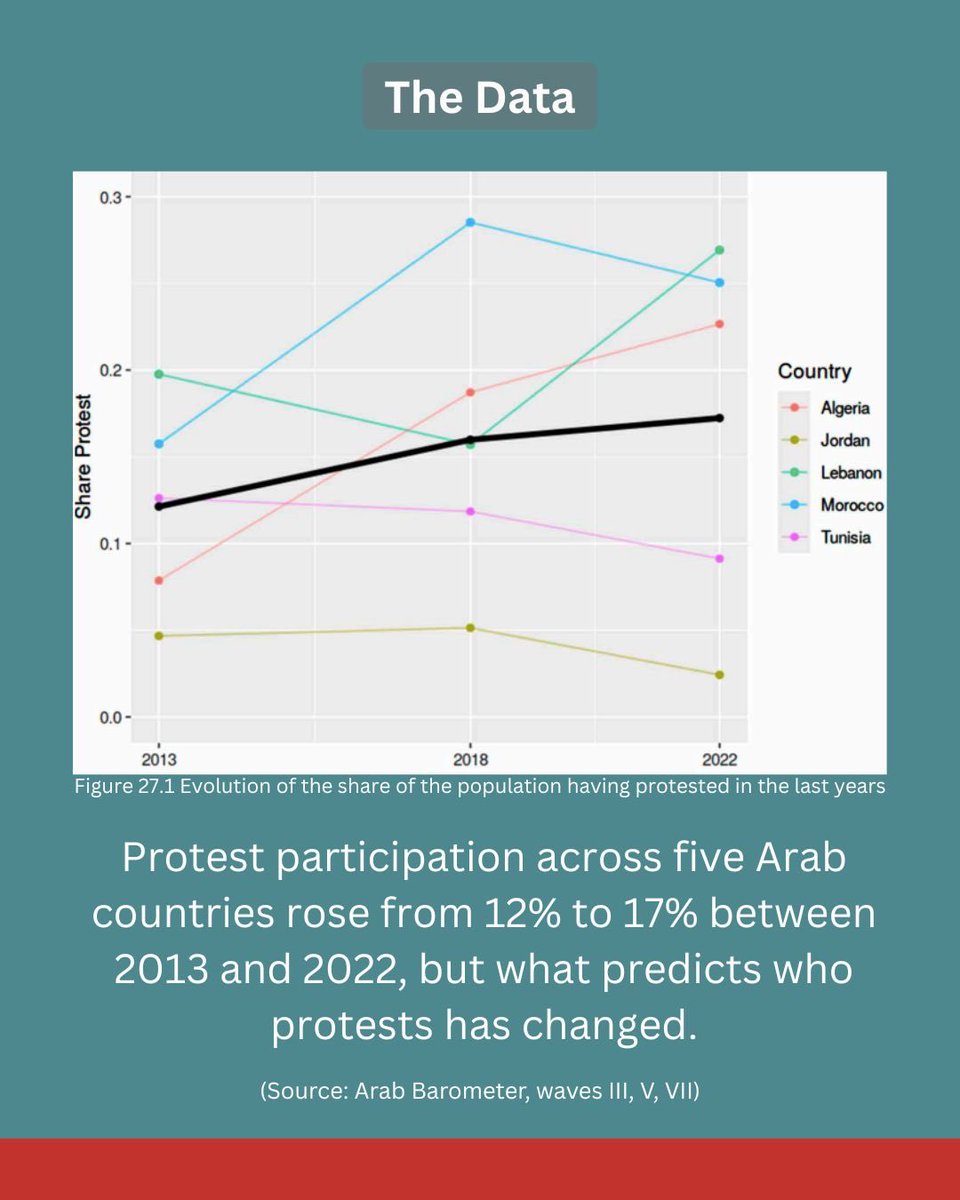
New chapter: "Political Mobilization in Arab Countries: Grievances, Efficacy, and Identity"
Our network member Tareq Sydiq, together with Miquel Pellicer, contributes to The I.B. Tauris Handbook of Authoritarianism in the Arab World, ed. Dana El Kurd
https://t.co/SQIWUeBpV0
The new entry “Memory and Justice in a Postcolonial World” explores how memory can become a driver of justice by connecting past injustices,present inequalities and future possibilities. #memory#coloniality#justice#utopia
The new entry “Youth Perspectives on Peace” explores how young people understand peace, violence and social change in their everyday lives. Drawing on conversations with Brazilian students, it shows that peace is not only the absence ofconflict. #brazil#youth#peace#empowerment
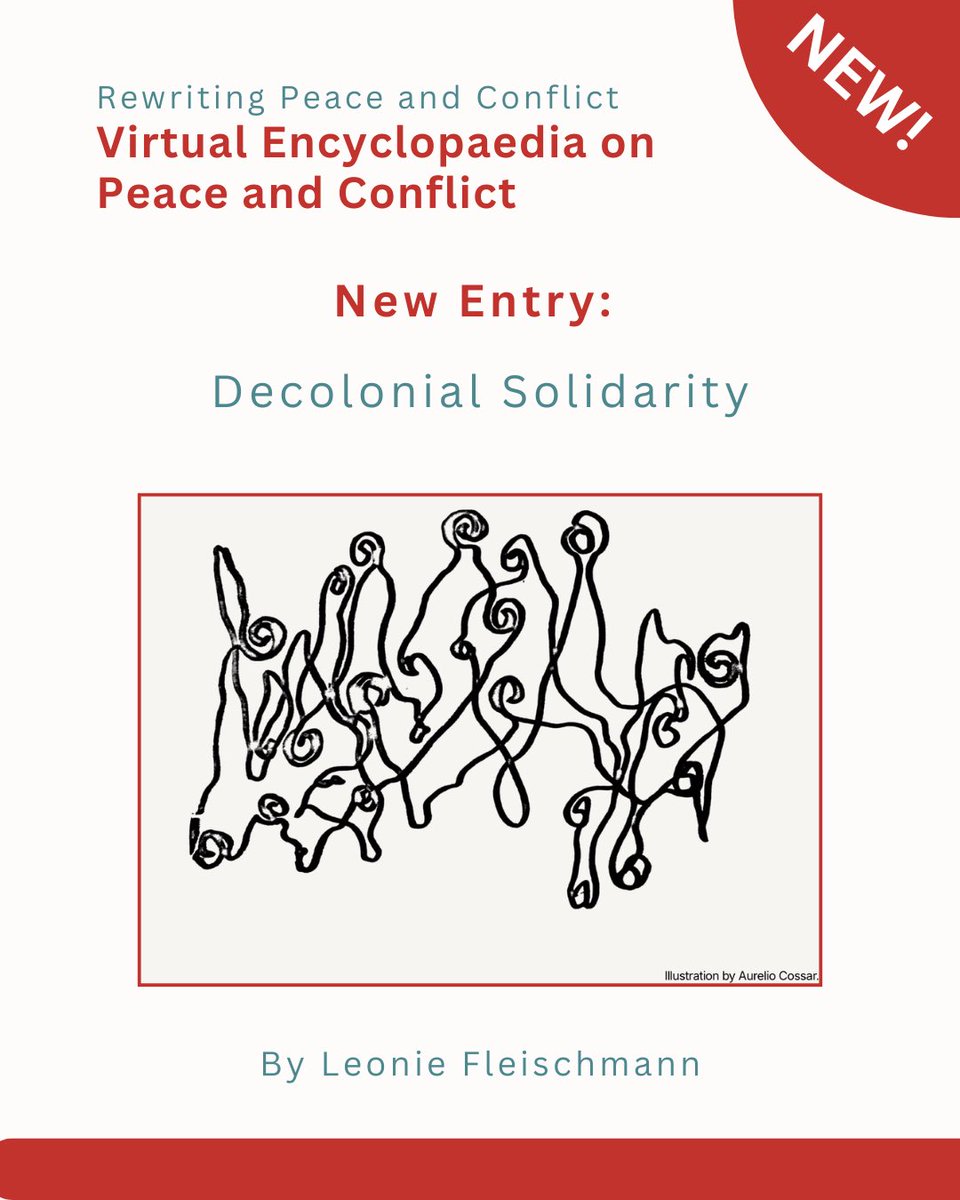
The new entry “Decolonial Solidarity” examines how solidarity can be rethought across unequal power relations. It highlights the tensions of acting “in solidarity” while calling for ethical and political commitments that challenge structures of domination. #decolonial#solidarity
The new entry “Postconflict” explores how the concept of ‚post-conflict‘ can be reimagined beyond the end of war. It argues that lasting peace depends on confronting structural inequalities, epistemic violence and colonial legacies.
The new entry “Counter - Mapping in Peace and Conflict Research: Reflections from (South)Eastern Europe” explores counter-mapping as a critical approach to challenging dominant spatial narratives and exposing the power relations embedded in cartographic practices.
Through case studies from Bosnia and Herzegovina and Ukraine, it highlights how mapping can be used to support resistance, visualize marginalized perspectives and produce alternative forms of spatial knowledge in conflict settings. #critical#cartography#conflict#resistance
Dr. Mina Ibrahim talks on community-driven archives, memory work and justice in the Middle East and its diasporas. Drawing on digital archives, oral histories and ethnographic research,he explores how communities preserve and narrate histories shaped by violence and displacement.
The Postcolonial Hierarchies in Peace and Conflict Network cordially invites you to the first Short Speaker Series on „Community Archives as Sites of Memory and Justice: Insights from the Middle East and Its Diasporas“.