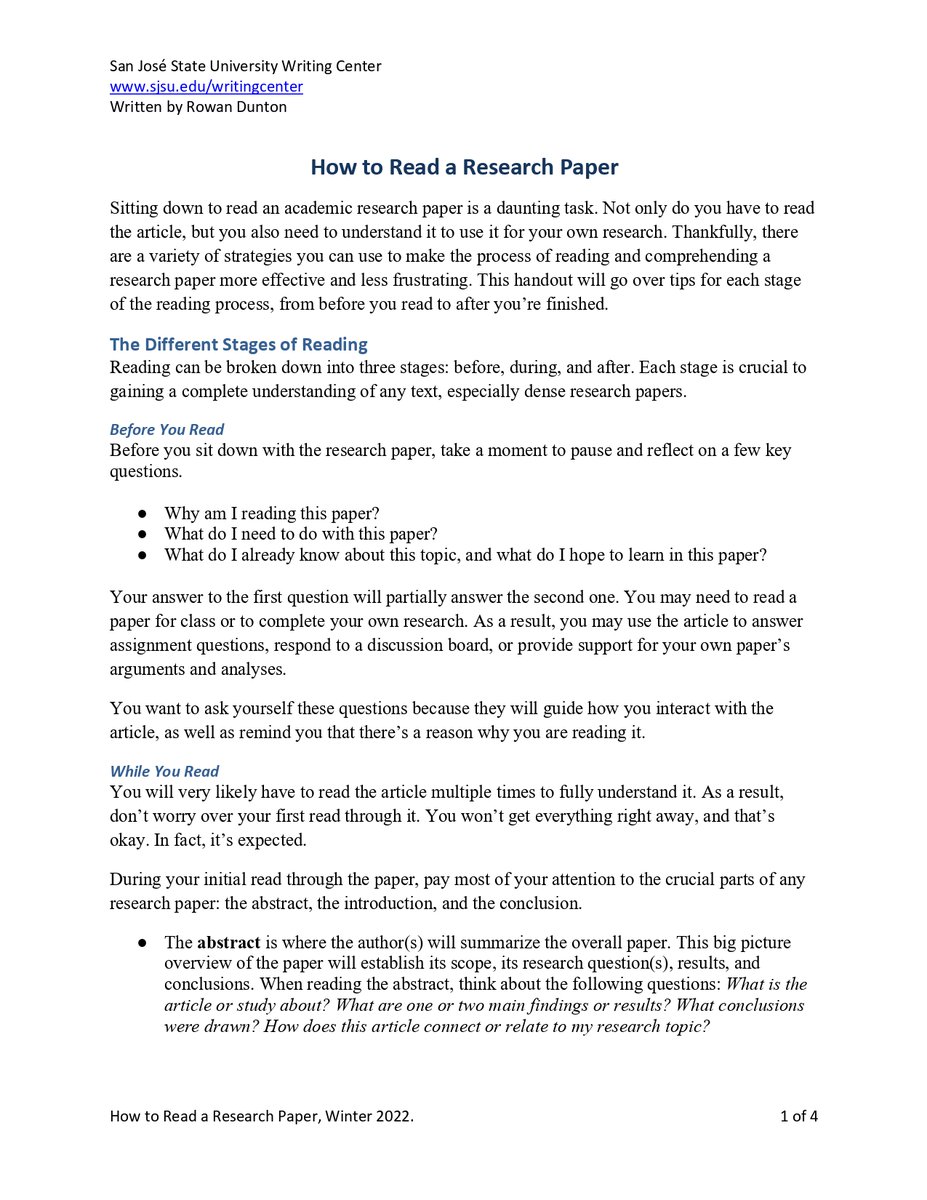
It's rather strange that one of the core activities of academia—and, as far as I know, this is true across all its branches—has become the writing of texts that no one will ever read.
🌿 Masters Scholarship 2026 🌿
Join our project at NMU & SANBI: “A new method to collect vegetation community data using citizen science platforms”.
Funding: R150k/year × 2 yrs (SANBI scholarship).
Deadline: 30 Sept 2025.
pm me for more information
In an age of widespread cognitive atrophy, nothing is more punk rock than the love of learning for its own sake. Brain-destroying tech is being peddled by those who seek to make a nation of illiterates. They don’t want you to read, and that is why you must never stop.
Yes.
Writing is not a second thing that happens after thinking. The act of writing is an act of thinking. Writing *is* thinking.
Students, academics, and anyone else who outsources their writing to LLMs will find their screens full of words and their minds emptied of thought.
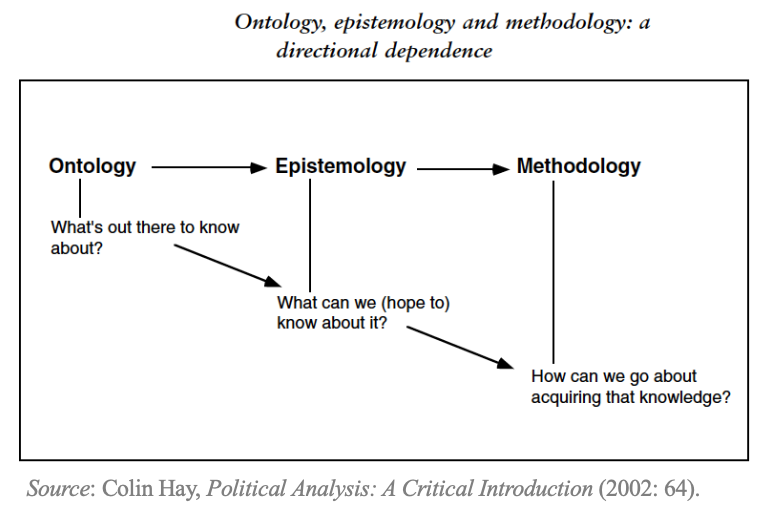
Ontology, Epistemology, Methodology
This figure, by political scientist Colin Hay, gets it right.
Methods are very important.
But we should not delink our discussions about methods from a consideration of ontological and epistemological questions.
As the university system collapses and millions succumb to tech-induced brain rot, the concept of the autodidact—a self-educated person who loves learning for its own sake—will become more important than ever. Read widely. Form study groups. Let the library be your college.
100 downloads of my 'Restoring South African subtropical succulent thicket using Portulacaria afra: exploring the rooting window hypothesis' article published in #OpenAccess journal @PeerJLife https://t.co/9Omp79A7CP
Understanding the difference between Standard Deviation (SD) and Standard Error (SE) is crucial for accurate data interpretation. SD measures the variability within your data, indicating how spread out the individual data points are from the mean.
In contrast, SE measures the uncertainty around the sample mean as an estimate of the population mean. It reflects the precision of the mean, with SE decreasing as the sample size increases, making your estimate more reliable.
The relationship between SD and SE is given by the formula: SE = SD / √(sample size). While SD remains relatively constant with larger samples, SE diminishes, highlighting the reduced uncertainty in the mean estimate.
A common mistake in research is using the “±” notation without specifying whether it refers to SD or SE, leading to potential misinterpretation of the data. Clear distinction is essential for transparency and accuracy in reporting.
Key Takeaways:
• Use SD to describe data variability.
• Use SE to indicate the precision of the mean.
• Always specify which measure you are reporting.
Are you about to take exams in ecology or conservation? Here are 20 two-minute videos to refresh your knowledge, add extra ideas or insert neat facts for further marks. Hope you enjoy them and they work.
Delighted if teachers can circulate. https://t.co/8yyWnhjRH9
Universities are funny. Hey what if we took a medieval institution for training priests and aristocrats and combined it w a hedge fund, sports franchise and resort for teenagers
Oh and it'll be the backbone for fundamental research for our entire civilization
About a year ago, I wrote myself a ‘research philosophy’ and stuck it to my wall.
When research opportunities have come up, I’ve used it to decide whether to go for them or not.
I can’t tell you how useful and liberating it’s been
@AcademicChatter@OpenAcademics