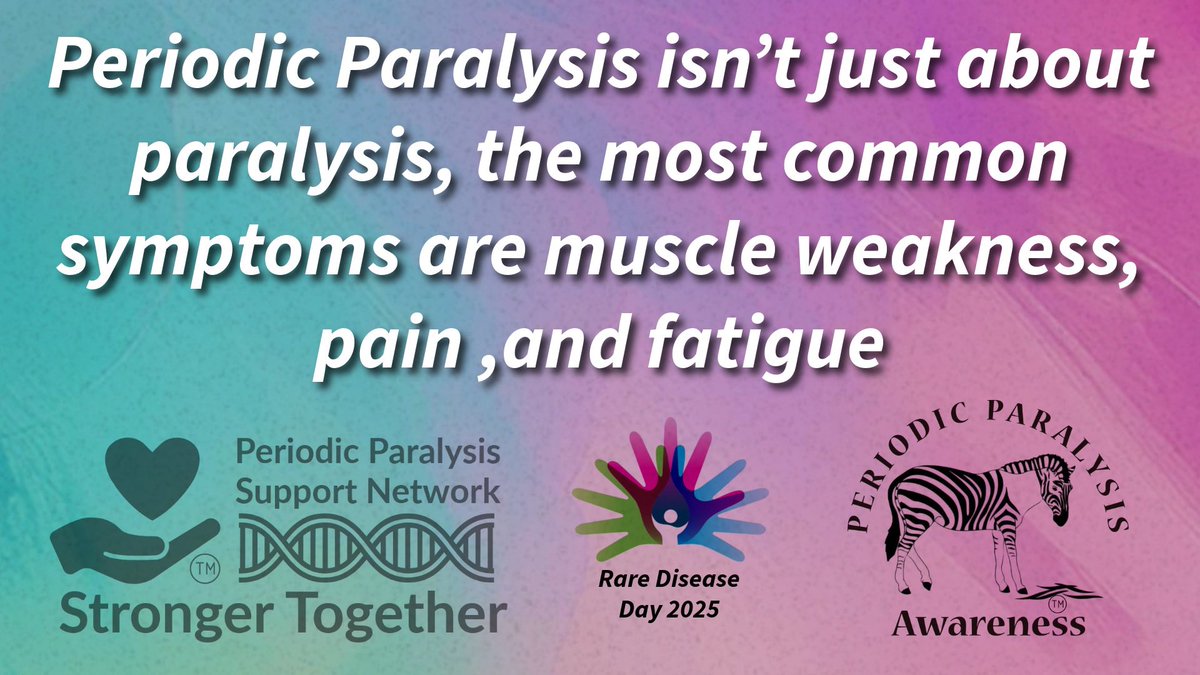
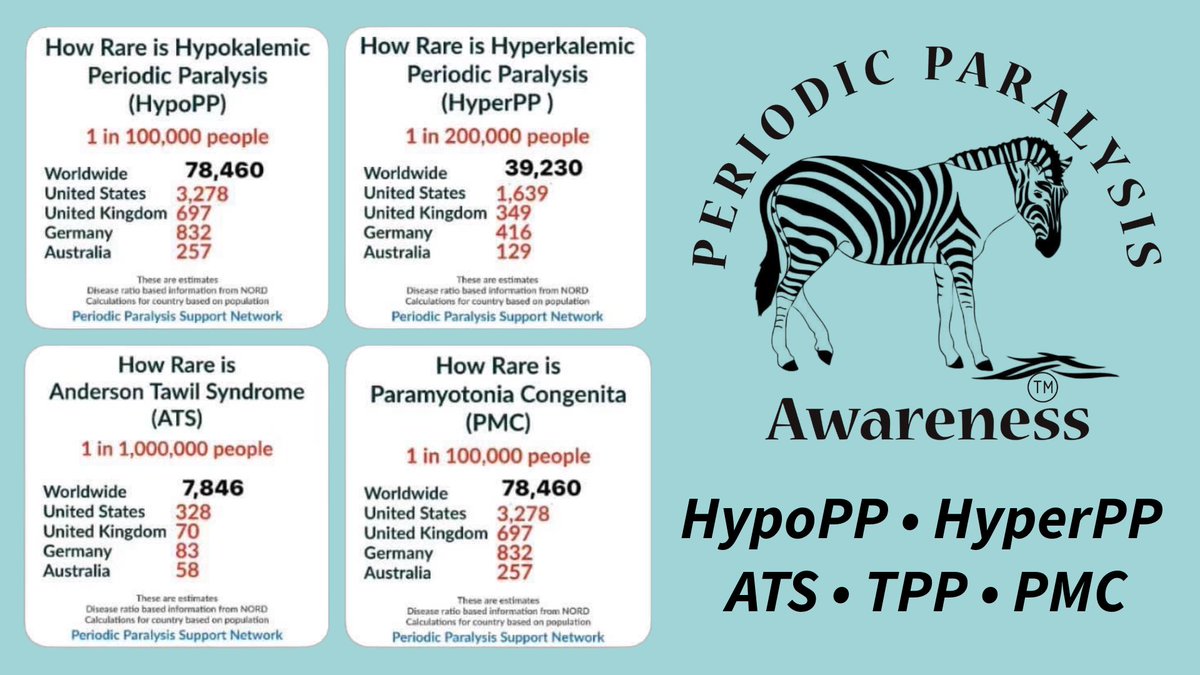
We offer up to date info and support for Periodic Paralysis a very rare and misunderstood disease. The PPSN is for patients with this rare genetic disease.
@hyderabaddoctor Thank you for sharing this, it’s stories like this and the information you provided that helps bring awareness to this very misunderstood disease!
Eating Sweets Resulted in Severe Weakness: A Rare Case
As a neurologist, I often meet patients whose stories remind me how fascinating and mysterious the human body can be. One such story is of a 33-year-old man who came to me after years of struggling with a strange problem.
The Puzzle of Repeated Weakness
For the past five to six years, he had been experiencing repeated episodes of weakness affecting all four limbs. These episodes would come suddenly, last for two to three days, and then disappear on their own, leaving him completely normal until the next attack.
He described a dull ache in his muscles during the episodes, but interestingly, his speech, swallowing, and breathing were never affected.
What caught my attention most was when he said:
“Doctor, it always happens when I eat sweets or during cold weather.”
This was a crucial clue.
Uncovering the Diagnosis
Such a history immediately raised my suspicion of a rare group of disorders called Periodic Paralyses. These are conditions where muscles suddenly become weak for hours or days, often triggered by food, rest, or even weather changes.
His pattern fit best with Hypokalemic Periodic Paralysis, a genetic condition where potassium shifts inside muscle cells, causing temporary paralysis. Eating carbohydrate-rich foods (like sweets) or cold exposure can trigger these attacks.
Treatment and Recovery
During one of his attacks, his blood test confirmed the diagnosis- his potassium levels were very low.
The treatment was surprisingly simple yet life-changing:
1. Potassium supplementation during attacks,
2. Avoiding heavy carbohydrate meals,
3. Preventive medication to reduce future frequency of episodes.
Once he understood his condition and started treatment, his attacks reduced drastically. For the first time in years, he felt confident that his weakness would not control his life.
What do we learn from this?
This young man’s story is a reminder that not every weakness is due to stress or overwork. Sometimes, hidden medical conditions can mimic ordinary fatigue. Periodic Paralyses are rare but important to recognize, because:
1. They often run in families,
2. They are easily confirmed with a simple blood test during an attack,
3. And they are treatable with proper guidance.
Take-Home Messages
✅ For the General Public
1. Repeated, unexplained episodes of muscle weakness should not be ignored.
2. Pay attention to triggers. If symptoms worsen after food, exercise, or weather changes, share this detail with your doctor.
3. Simple tests like checking blood potassium can give life-changing answers.
✅ For Junior Doctors
1. Always think of Periodic Paralysis in patients with episodic quadriparesis, especially when attacks last hours to days.
2. Hypokalemic Periodic Paralysis is often triggered by carbohydrate load or rest after exercise.
3. Rule out thyrotoxic periodic paralysis in adults.
4. Management is straightforward but requires vigilance to avoid arrhythmias during potassium replacement.
As a neurologist, cases like these remind me that sometimes, the key to solving a medical mystery lies hidden in a patient’s simple words; in this case, “Doctor, it happens after I eat sweets.”
Dr Sudhir Kumar MD DM 07-10-2025
NORD supports periodic #paralysis patients through our RareCare Patient Assistance Program. Financial help may be available for health insurance premiums, medications, and travel expenses.
Apply online: https://t.co/0O5Ueji2s9
Questions? Call 877-291-7756 or email [email protected]
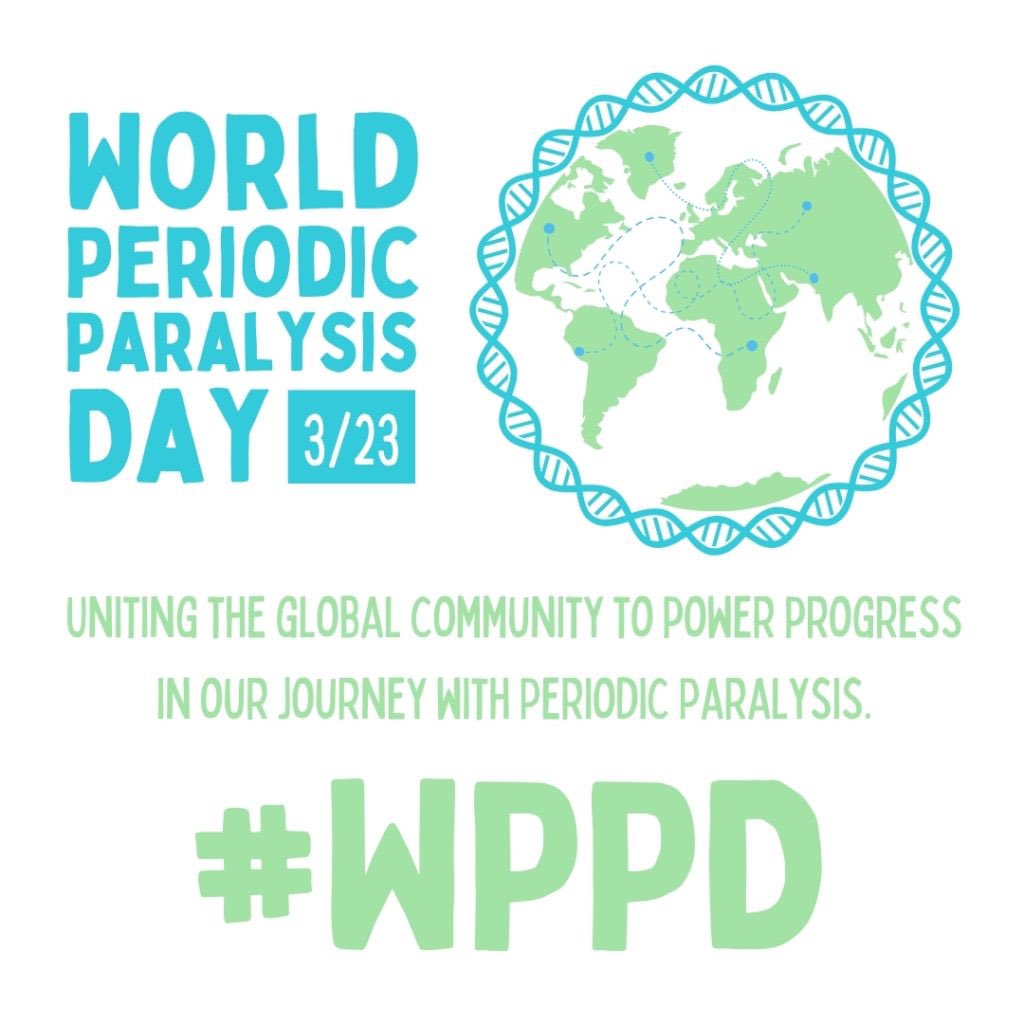
Happy World Periodic Paralysis Day from Chicago! This weekend the Chicago skyline has illuminated to become a beacon of hope, strength, and unity for everyone living with periodic paralysis!
What are your plans for recognizing the first ever World Periodic Paralysis Day(#WPPD) on March 23rd?
Visit the official #worldppday website to learn more about the initiative and how to participate.
Here’s the link- https://t.co/92Si263F89
You’re invited to join a Periodic Paralysis virtual event featuring Dr. Jacob Levitt the president of Periodic Paralysis International.
Event Registration- https://t.co/YjIrjgkKbK