Sometimes finding the right AI tool takes longer than doing the actual work.
Every day there's a new model, a new agent, a new workflow, and another recommendation to try. I've lost more time comparing tools than the tools would have saved me.
And that's a shame, because the real upside of AI isn't just being more productive.
It's getting time back.
To learn something. Pick up a hobby. Spend time with people. Or just have some space to think.
So I've started gathering the right prompts, resources, tools, and workflows in one place, and I'm calling it Real Stack.
Not another giant list of AI tools.
Instead:
What problem does it actually solve?
How does it fit into a real workflow?
What does setup look like?
Would you actually keep using it?
I'll also be talking to people who are already building and using these systems and sharing what I learn along the way.
The goal is simple:
Make the gap between “I've heard about this” and “I'm actually using this” much smaller.
I'm putting all of this together right now.
Real Stack is coming soon.
There's a lot more I want to share about it.
Stay tuned.
The thing that kept bugging me about using Claude was how much I repeated myself. Same context, same instructions, same corrections, every time. I'd written it off as the cost of doing business. This book argues it isn't.
The idea is to stop treating Claude like something you talk to and start treating it like something you build for. Take a process you already know well, a report, a code review, a customer follow-up, and encode it properly. Instructions, examples, the standards you hold yourself to, the tools it needs. Then run it. That's a Skill.
It doesn't stop at the fun part. Anyone can write a set of instructions. The harder questions are whether it works, where a human needs to step in before something ships, and how you hand it to a teammate without also handing over an hour of your time. The chapters on testing, human checkpoints, and sharing across a team were the ones I kept returning to.
It's a build-along book, not a sit-and-read one. If you use Claude for real work and you've ever felt that flicker of annoyance at typing the same setup again, you'll enjoy reading this book and building your projects.
My first AI short film took 50+ generations, $150 in credits, a full day of shooting, and four people who were not me.
So much for "AI makes content creation easier."
When I started, I thought this would be a quick one-person execution. I had the script. I had the idea. AI gave me the tools. What I didn't expect was how much I'd still need people. To think through things, review shots, solve problems, experiment, and eventually spend an entire day helping me bring the film to life.
AI can help you execute an idea. It doesn't give you the right idea, script, direction, or execution.
And the more attention I paid to the details, the more iterations I needed. Better expressions. Better continuity. Better framing. Better performances. One shot alone took 15 generations before the continuity held. I used Nano Banana and VEO3 for video generation, Higgsfield to test other models, HeyGen for the AI avatar, and Suno for the music.
The script had been sitting in my head for almost a year. It took one quick decision to actually make it.
The response has been pretty black-and-white. One person sent a 5-minute voice note being very critical. Someone else said they appreciated the unique concept. I'd rather make something people have an opinion about than something that disappears into the feed.
The biggest thing I learned is that being an independent creator doesn't mean doing everything alone. Sometimes it means having an idea, taking the first step, and finding people willing to take it further. Thanks to Vignesh Praveen, Vijaylakshmi B, Sourodeep Sinha & Aneeq Khan for the time you gave to this.
Watch Quicku Quicku here: https://t.co/bfyHRNLOoa
#AI #GenerativeAI #AIContentCreation #AIShortFilm #Filmmaking
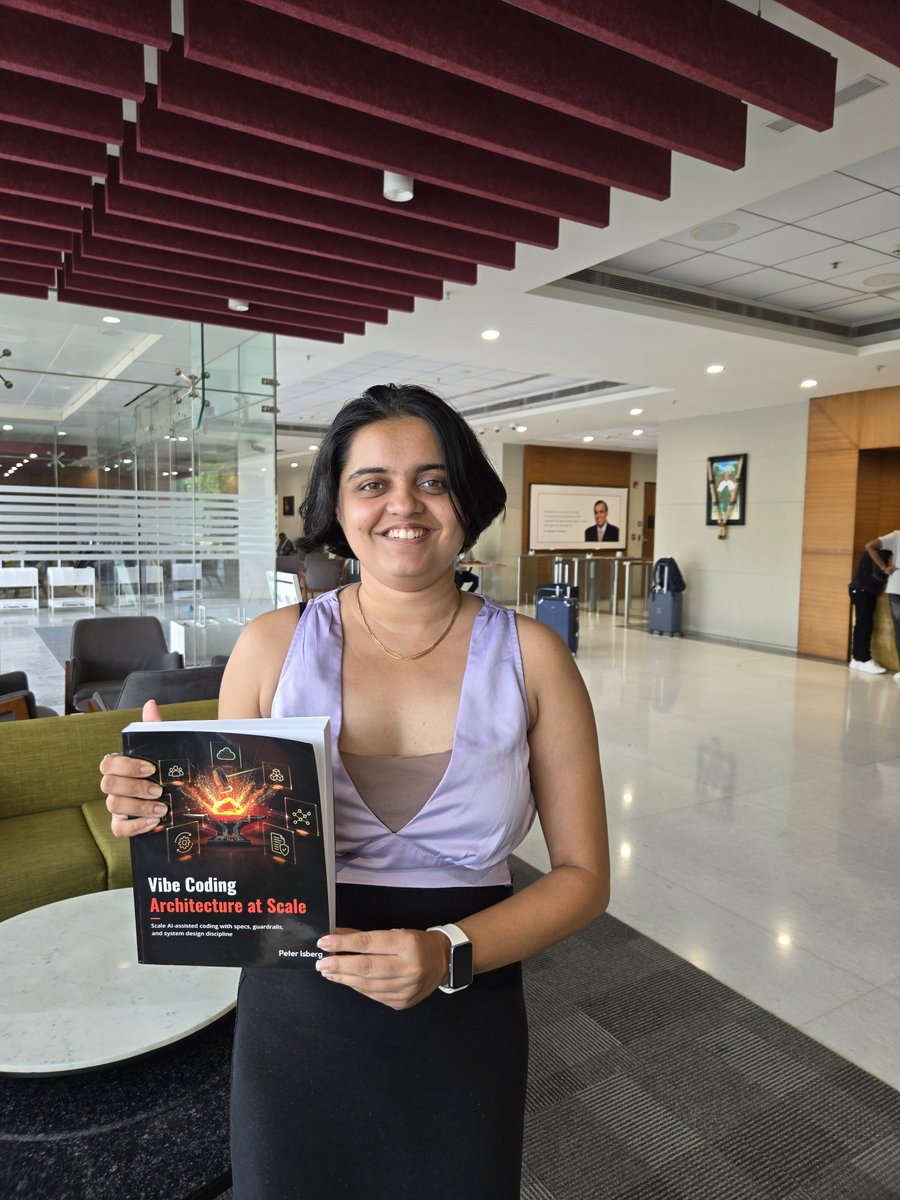
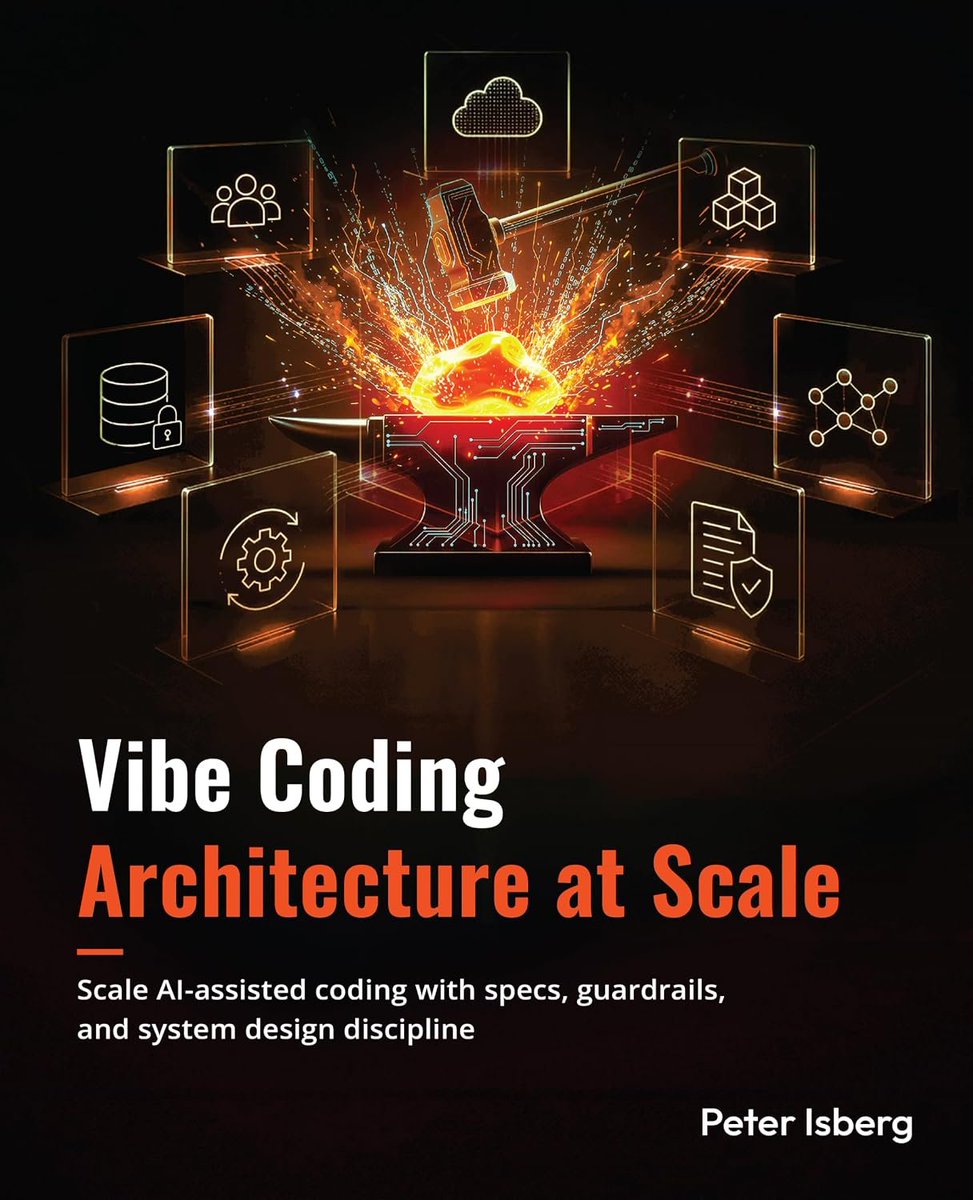
Getting AI to write code is easy. Living with that code is harder.
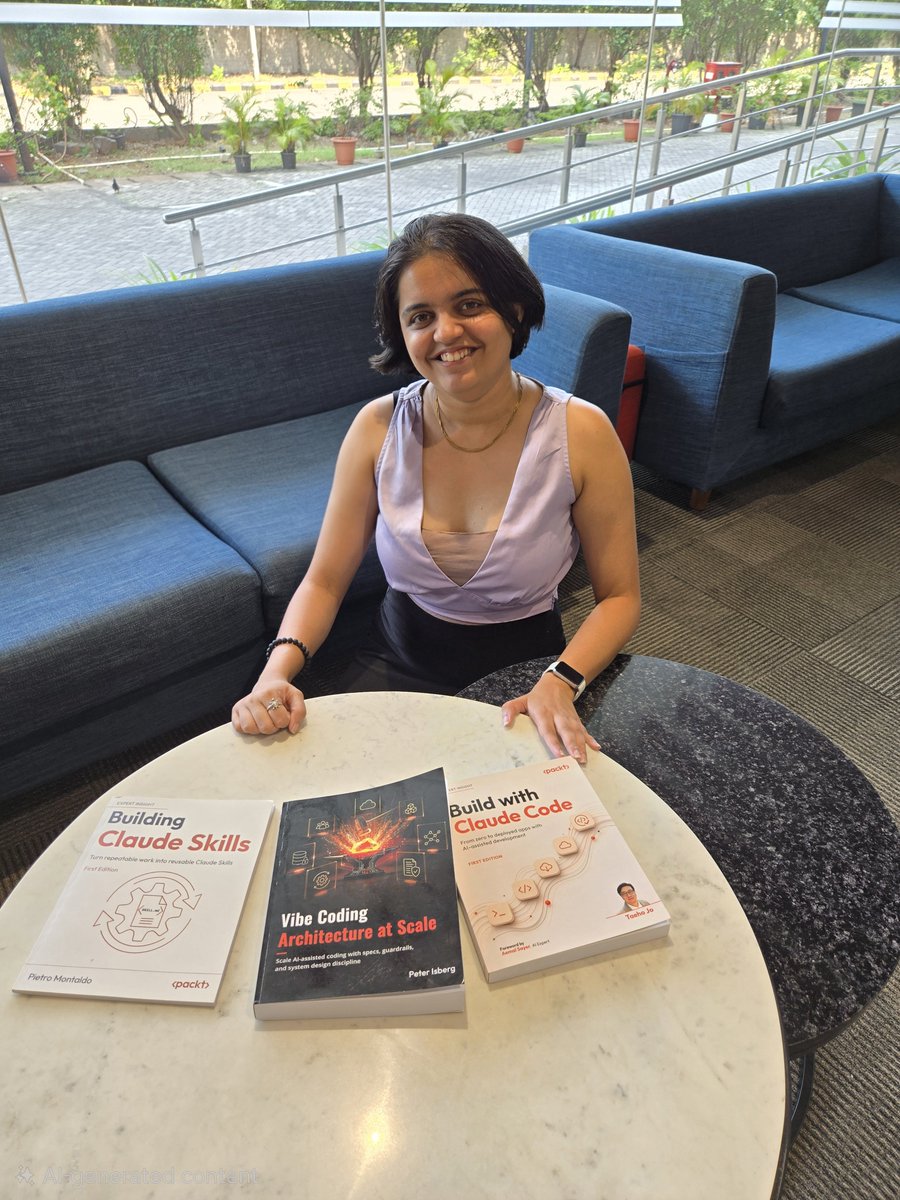
That’s the challenge behind Peter Isberg’s Vibe Coding Architecture at Scale.
What I like about its focus is that it goes beyond getting better answers from AI.
It asks a bigger question: how do you turn those answers into reliable software?
Clear specs give AI direction. Tests help catch what looks right but isn’t. Reviews keep people accountable for what gets shipped.
The focus on system design is what makes the premise stand out to me.
A fast demo gets attention. Maintainable code earns trust.
AI can speed up coding. Good engineering makes that speed useful.
Check out the book by Peter Isberg and thanks to @Prajwalyes and @PacktPublishing for sharing me this copy. You can check it out here: https://t.co/MvM2f1lXg2
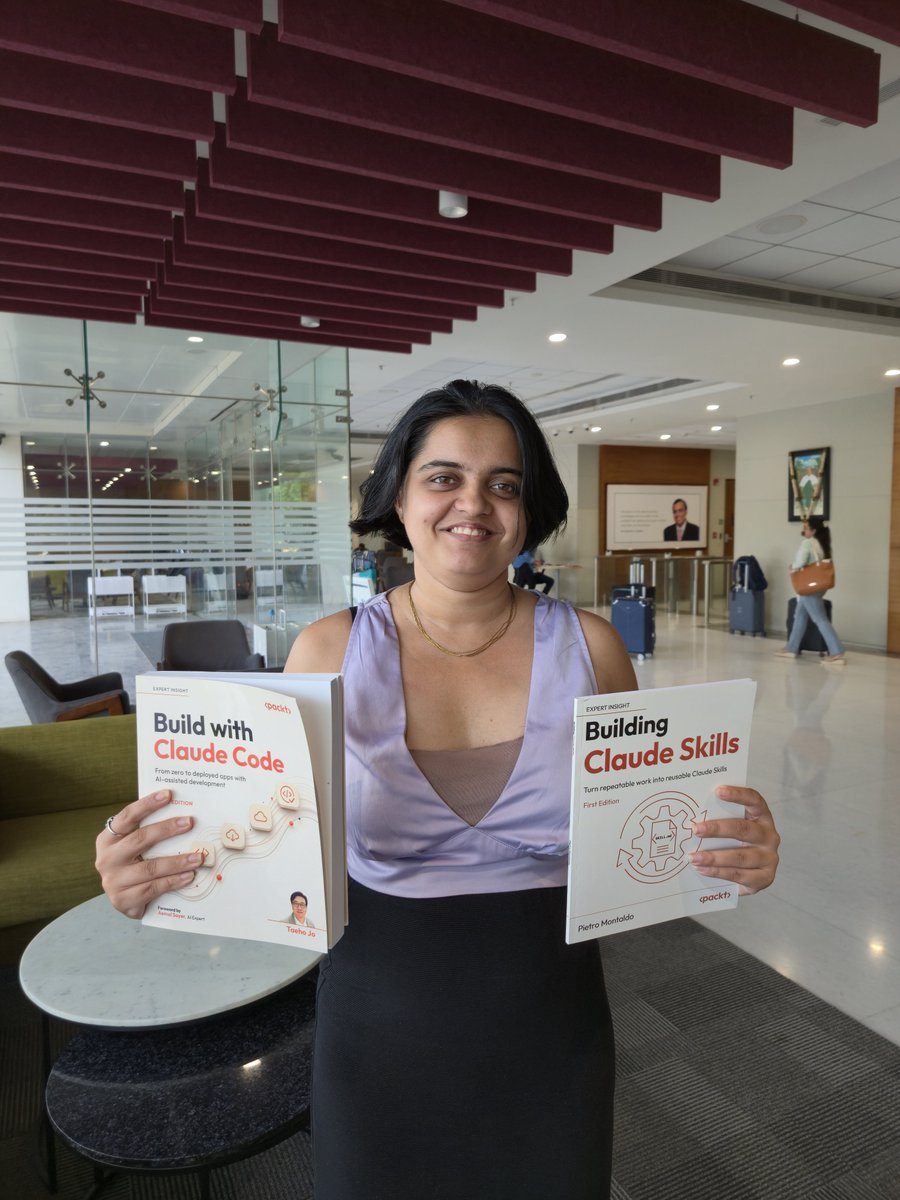
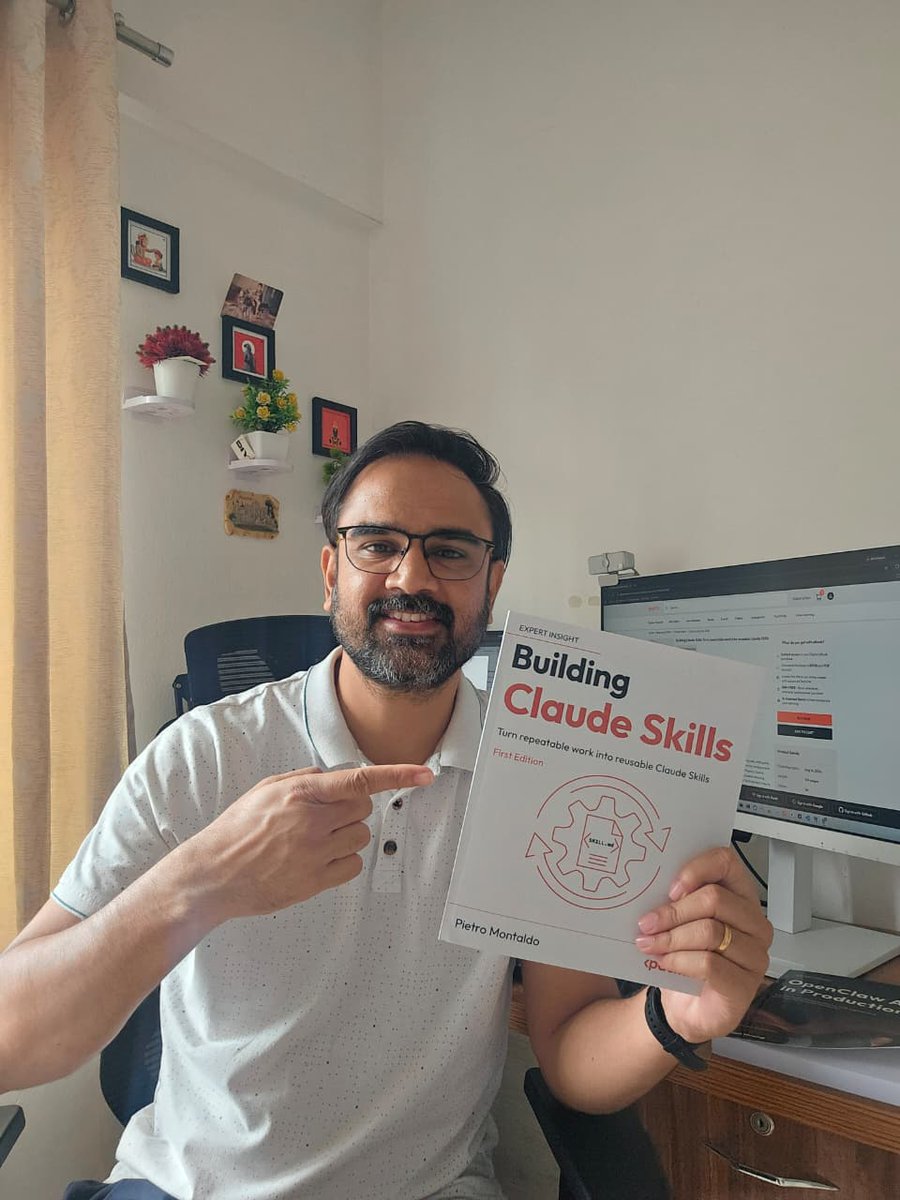
Just finished reading “Building Claude Skills”📖
A simple and practical guide to turning repetitive tasks into reusable Claude Skills.
I liked that it focuses less on prompting and more on actually building workflows that can save time.
If you’re using Claude regularly, this is definitely worth a read. 🤖
📚 New book announcement! 𝙂𝙚𝙣𝙚𝙧𝙖𝙩𝙞𝙫𝙚 𝘼𝙄 𝙛𝙤𝙧 𝙇𝙚𝙖𝙙𝙚𝙧𝙨 𝙋𝙡𝙖𝙮𝙗𝙤𝙤𝙠 with @PacktPublishing.
Lessons, frameworks, templates, and recommendations to help top executives and leaders structure and drive their AI initiatives.
https://t.co/TNdC96SHXN
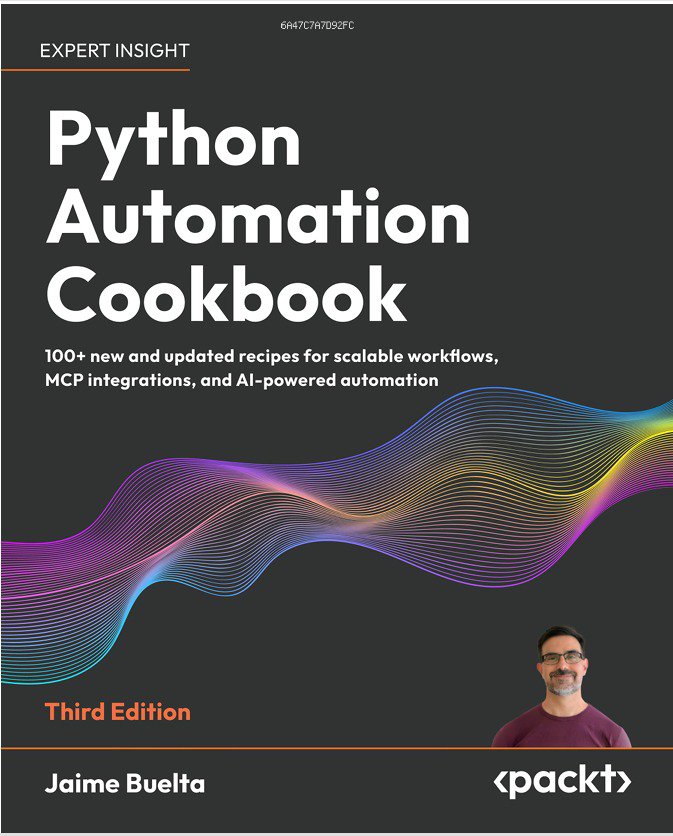
Spent the weekend with "Python Automation Cookbook" (3rd Ed) by Jaime Buelta.
Best part: it builds real Python foundations first, THEN layers on AI. So you get predictable automations before touching agents and MCP.
Great for anyone who wants to stop doing manual grunt work.
In 2026 and beyond, Claude Skills are going to be a hot topic. But most people are missing why they matter.
The value isn't in knowing how to write another prompt. It's in knowing how to turn expertise into a reusable AI capability.
Take the way you prepare a report, conduct research, follow up with a customer, prepare for a meeting, or generate a presentation.
Instead of explaining that process to Claude every single time, you can encode the instructions, examples, standards, references, and tools into a reusable Claude Skill.
That's what 'Building Claude Skills' teaches.
It covers:
• Designing reusable Claude Skills
• Connecting Claude to business tools
• Working with subagents
• Adding human-in-the-loop checkpoints
• Testing and evaluating Skills
• Sharing Skills across teams
The career opportunity isn't “knowing Claude.” It's knowing how to capture expertise and turn it into something AI can repeatedly execute.
@PacktPublishing
https://t.co/aDFpxXFXgr