Lacking service in a native language is an imposition, even if people know other languages through education.
It is the same for Kannada speakers: they may know functional Hindi, but if services lack Kannada and only offer Hindi/English, it is still an imposition not chice.👍🏿
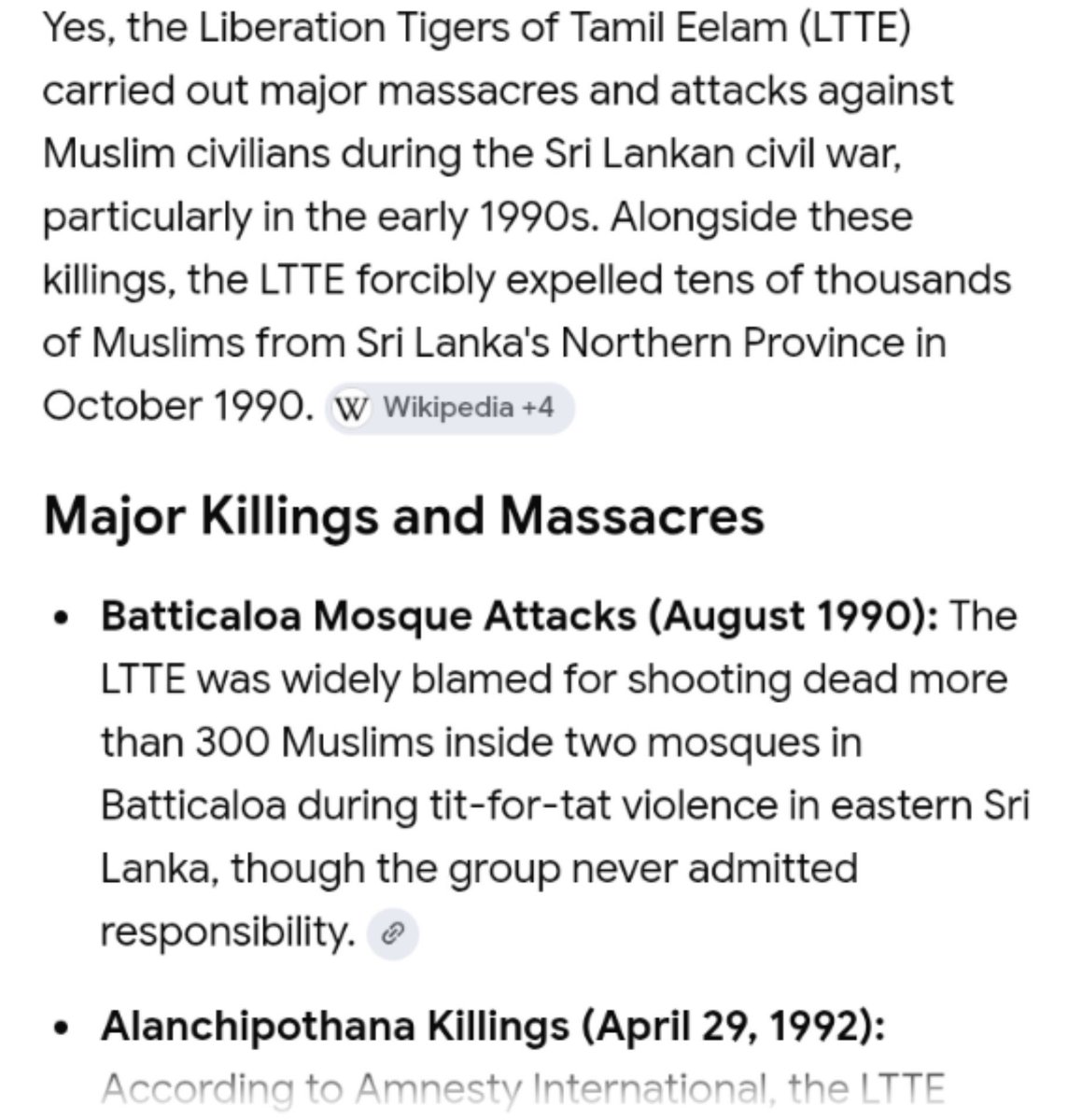
@yadhukrish47986@Abilash740177@Iniyanspeaks Leftist ideas and nationalism often overlap. Labor Zionism built socialist kibbutzim, early BJP pushed Gandhian socialism, and the LT mixed ethnic nationalism with Marxism. All of them borrowed leftist language to unite people and get mass support.
@SolmeluStudios Proud of our heritage always, and glad we agree that stable future refinements are welcome!.
Representing Tulu's living sounds clearly will only help our script thrive for generations.
@SolmeluStudios Native Tamil scholars themselves reformed Tamil script (Tolkāppiyam's puḷḷi & 1978 reforms) not Europeans!
And unlike Tamil ka/ga, Tulu's e vs æ changes entire word meanings (malpuve "he does" vs malpuvæ "I do"), so marking æ matters.
@SolmeluStudios Most dignified languages refined their scripts during the 18th–20th century print era.
Because Tulu written literature largely paused after the 17th century, it missed that natural script evolution, today's standardization is simply catching up on what history paused 👍
@SolmeluStudios Fair point, and that's exactly why open, collaborative discussions among Tulu scholars, epigraphists, and everyday users matter so much.
Preserving our roots while accurately representing living Tulu speech is a goal we all share!
@SolmeluStudios Agreed on preserving Moola Aksharas, yet half-vowels like æ are the very soul of Tulu!
Neither proposal was completely far-sighted on its own, but just as other scripts in the same family evolved within their framework to capture unique speech sounds, Tulu must too
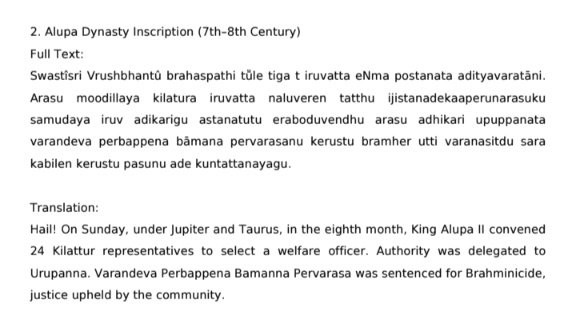
@SolmeluStudios Many people, including a Unicode Consortium member, claim this script started for Sanskrit, yet Tulu stone inscriptions existed centuries before Sanskrit manuscripts began after the 12th century. So we cannot blindly follow it without adapting it for Tulu
@SolmeluStudios Even the Unicode proposal admits it leaned on Sanskrit palm-leaf manuscripts (designed not to lift the stylus, unlike stone inscriptions where you had to lift) and Sanskrit lacks the æ sound
With 500+ Tulu inscriptions awaiting funding, let's use both classical forms & è (æ).
@SolmeluStudios Many Tulu inscription transliterations carry the æ sound, yet Vaishnavi Murthy's Unicode proposal relied mostly on Sanskrit manuscripts in Tigalari.
Tulu is the only living future of this script, we should use both classical letters and è (æ) to write as we speak!
@SolmeluStudios Initial Tulu Unicode was modeled on palm-leaf manuscripts where extra strokes weren't practical, I suppose,
but pure Tulu stone inscriptions actually had this reversed-J è (æ) character, and Unicode keyboards like Kural include it to preserve our 3,000-year-old sound
I agree about older generations, but many younger Malayalis aren't as civic-minded.
Using an "India" shield to celebrate ultra-local festivals across the country, they disregard locals, a trend other migrants now copy, undermining older respect for local sentiments.
A lot of these anti-Malayali posts don't come from civic sense. They come from insecurity.
Malayali students in Karnataka are often better off, better organised and stick together. Some people can't match that, so it turns into resentment online.
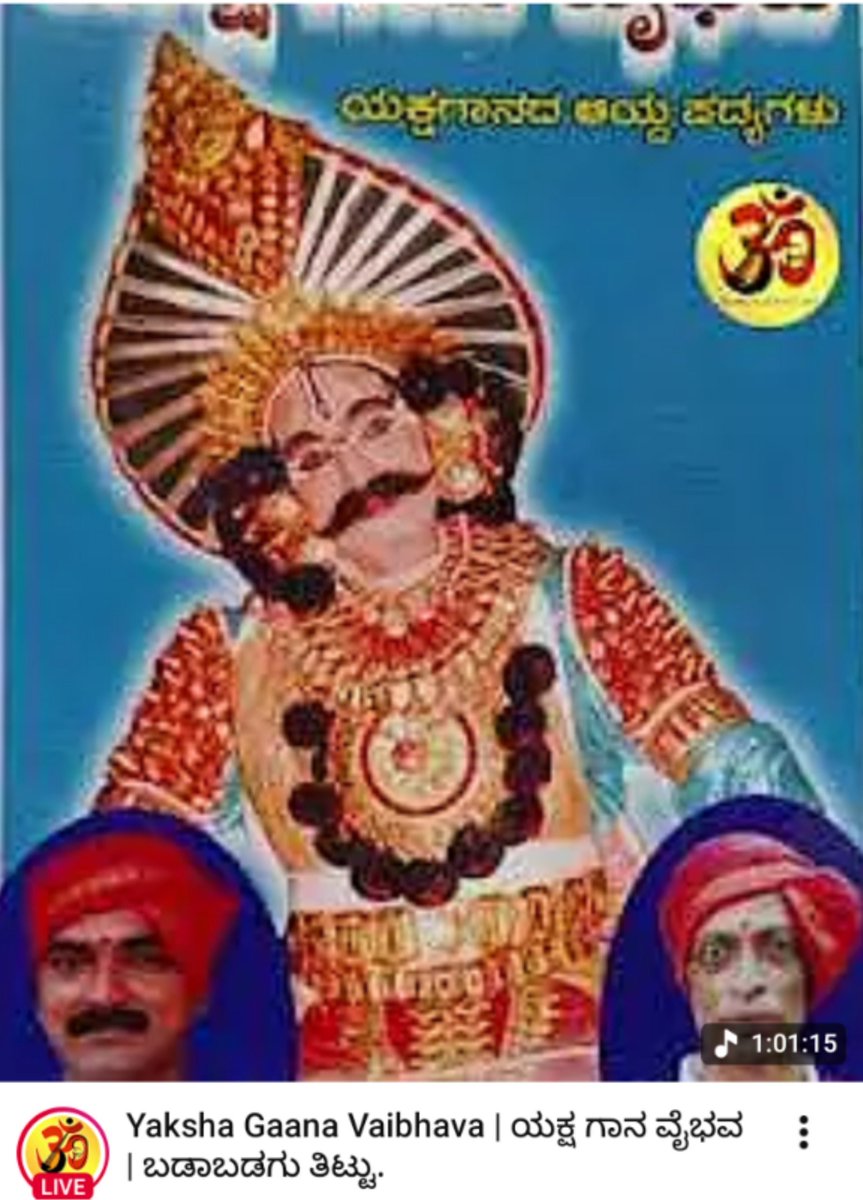
@shubham63542589@Richieeee777@CanaraKaradt Kateel sits right at the junction of both styles, while its touring melas are Tenkuthittu, Kateel regularly hosts Badaguthittu & Tenku-Badagu fusion shows too.
North of Kateel up to Byndoor is Badagu Thittu, and after Byndoor/Bhatkal up to the Goa border is Bada-Badagu Thittu.
@CaptBrijesh@DeloitteIndia This is more than enough to sustain the local talent pool. Our region has a natural balance that works perfectly right now. It's time to duplicate this model in other tier-2/3 districts of India