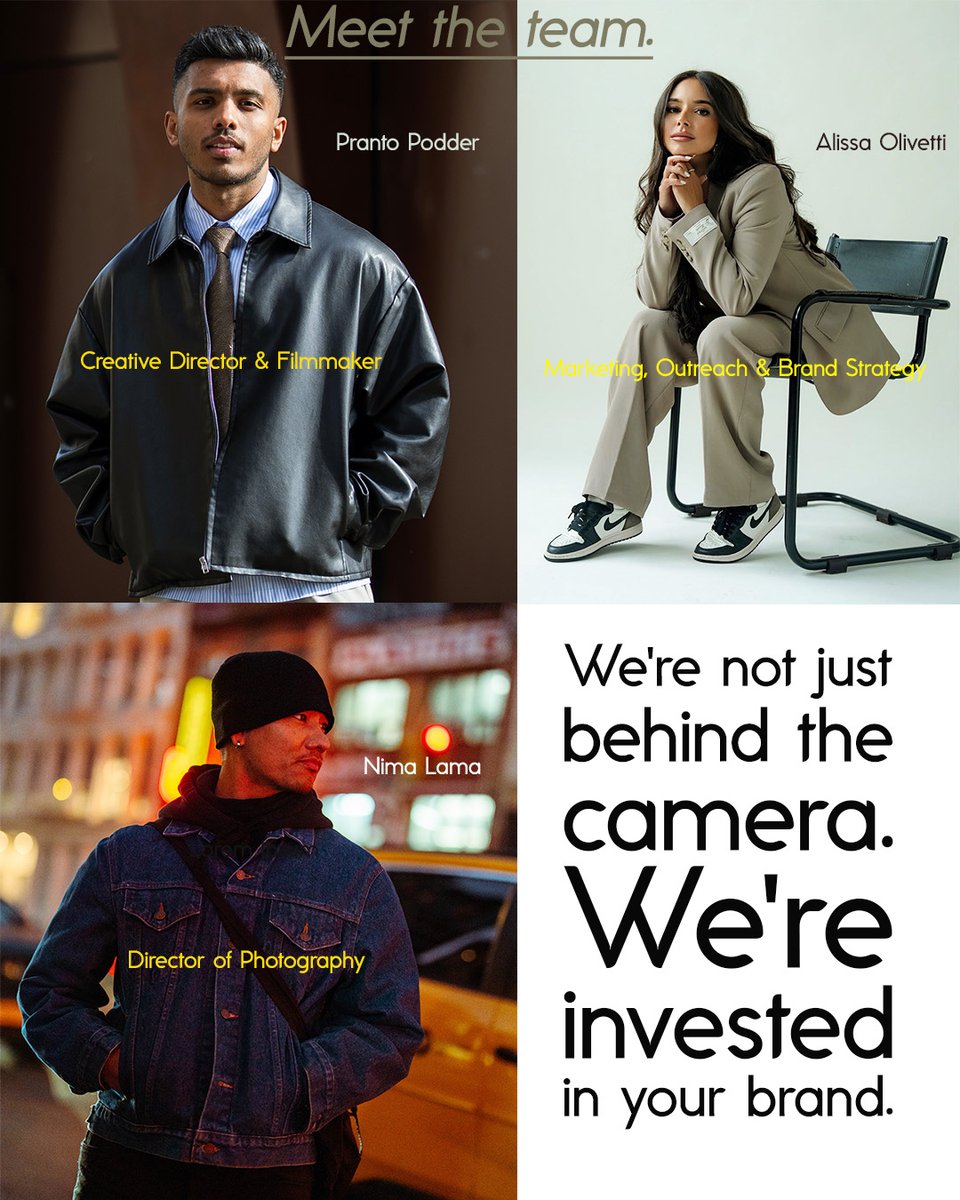
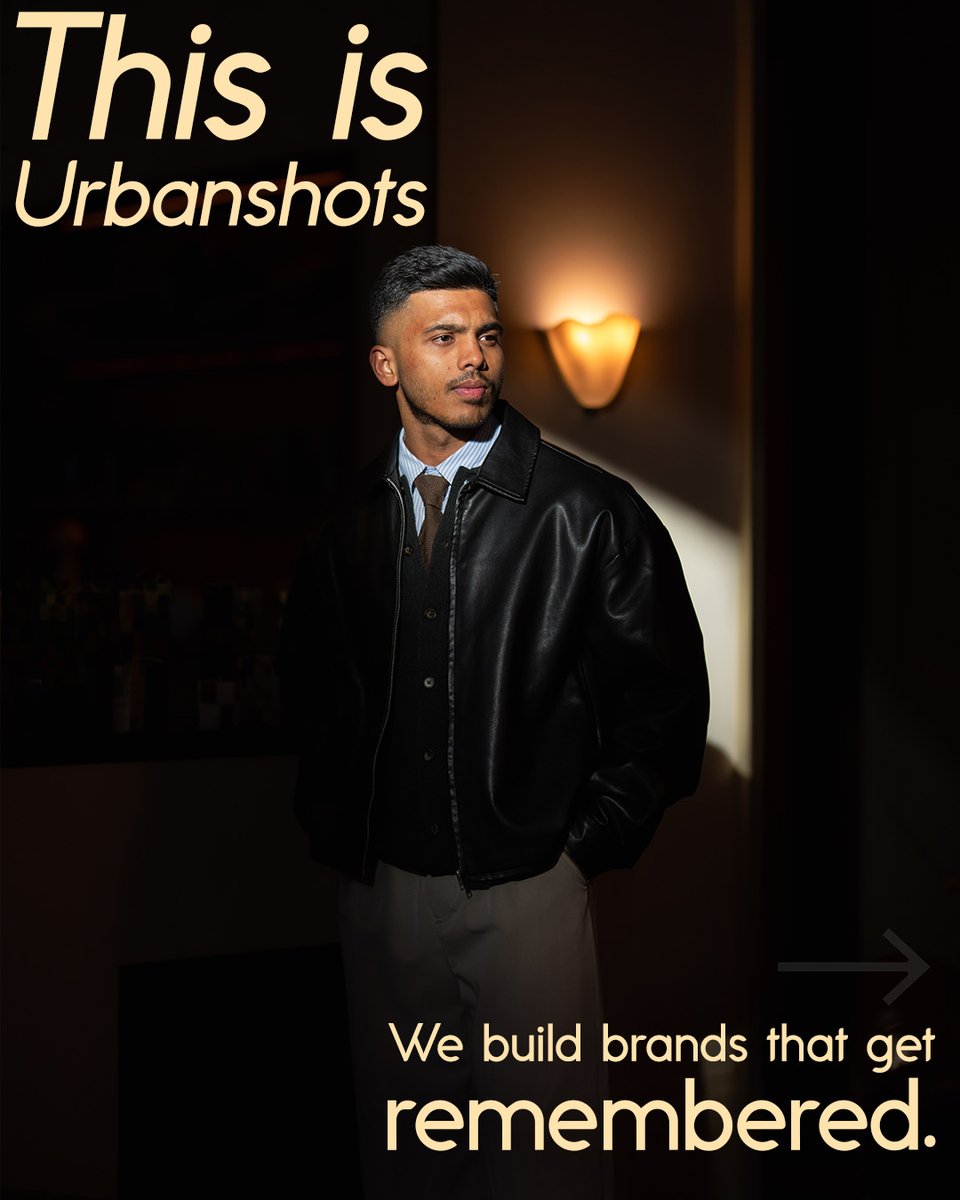
Your brand should look like where you're going — not where you've been.
We build cinematic brand identity for founders and high-performers who are ready to show up differently.
DM "BRAND" to work with us.
🌐 https://t.co/6jCMH42adP
# How to Obtain an O-1 Visa: A Creative's Path to Success
As an international student in the USA, navigating the visa landscape can be daunting. Many creative individuals, like photographers and filmmakers, often feel trapped by the limitations of standard work visas. In this post, I’ll share my journey of securing an O-1 visa, a path that many international students might not know exists. You’ll learn the strategies I employed, the common pitfalls to avoid, and how to build a compelling portfolio that can lead to success.
## About Pranto Podder
Pranto Podder is a photographer and entrepreneur who came to the USA as an international student in 2014. With a passion for capturing moments, he transformed his hobby into a thriving business while navigating the complexities of the U.S. visa system. His journey is an inspiring example of perseverance and innovation in the face of challenges.
## The Importance of Finding the Right Visa
The first step in my journey was recognizing the limitations of the F-1 visa, which restricts international students from working full-time for their own businesses. I initially aimed for the H-1B visa, the most common route for foreign workers, but the lottery system posed significant challenges, with less than 30% of applicants being selected. This uncertainty pushed me to explore alternative options.
Many creatives are unaware of the O-1 visa, designed for individuals with extraordinary ability in their respective fields. This self-sponsored visa allows you to prove your worth without depending on a company for sponsorship. Understanding this option changed the course of my career.
## Building Your Portfolio for the O-1 Visa
Once I learned about the O-1 visa, I began to assess my qualifications. The visa requires proof of extraordinary ability, which can be demonstrated through a portfolio showcasing your work and accomplishments. Here’s how to effectively build your case:
- **Gather Relevant Projects**: Document every project you’ve worked on, including client work, personal projects, and collaborations. Each project should demonstrate impact and showcase your skills.
- **Secure Strong Letters of Recommendation**: You need eight letters from industry professionals who can vouch for your abilities. These letters should detail your contributions and the significance of your work. It’s essential that they highlight specific projects and outcomes rather than general praise.
- **Showcase Media Features**: If you’ve been featured in magazines or have a strong social media presence, include this in your portfolio. It adds credibility and demonstrates your recognition in the industry.
## Navigating the Application Process
The application process for the O-1 visa can seem overwhelming, but breaking it down into manageable steps made it more approachable:
1. **Consult with an Immigration Attorney**: I reached out to the Yao Law Group, who provided me with a checklist and guidance throughout the process. Their expertise was invaluable in ensuring I didn’t miss any critical steps.
2. **Prepare Your Documentation**: Collect all necessary documents, including your portfolio, letters of recommendation, and evidence of your qualifications. This step is crucial for a successful application.
3. **Submit Your Application**: I opted for premium processing, which expedited my application review. This decision was worth the investment, as it provided peace of mind during the waiting period.
## The Emotional Journey
After submitting my application, I experienced a whirlwind of emotions. The process took about six months, and during this time, I often reflected on my journey. The approval email I received was a moment of triumph that validated all the hard work and perseverance I had put into my career.
This experience taught me that the pursuit of an O-1 visa is not just about paperwork; it’s about proving your dedication and the value you bring to your field. The struggles I faced along the way, from loneliness to self-doubt, shaped me into the person I am today.
## Key Takeaways for Aspiring Creatives
For international students and creatives, here are some essential lessons I learned throughout my journey:
- **Start Documenting Early**: Whether you are on an F-1 visa or OPT, start building your portfolio and documenting your achievements now. Each project and client counts toward your eligibility.
- **Believe in Your Journey**: The visa application process can be daunting, but believing in your ability to succeed is crucial. Trust your skills and the work you’ve done.
- **Explore Alternative Visa Options**: Don’t limit yourself to the H-1B visa. Research other pathways like the O-1 visa that may suit your unique situation better.
### Conclusion
My journey to obtaining the O-1 visa was filled with challenges, but it ultimately led to a fulfilling career in photography. If you’re an international student or a creative, I hope my story inspires you to explore your options and document your journey. Don’t wait for permission to pursue your dreams; take action and build your path to success.
### Frequently Asked Questions
**H3: What is the O-1 visa?**
The O-1 visa is a non-immigrant visa for individuals with extraordinary ability in arts, sciences, business, or athletics. It allows self-sponsorship without the need for a company to back you.
**H3: How long does the O-1 visa application process take?**
The process typically takes about six months, but premium processing can expedite this to as little as two weeks.
**H3: What are the requirements for the O-1 visa?**
You must demonstrate extraordinary ability through a strong portfolio, letters of recommendation, and evidence of your accomplishments.
**H3: Can I apply for an O-1 visa while on an F-1 visa?**
Yes, you can apply for an O-1 visa while on an F-1 visa, but it’s essential to start documenting your achievements early on.
**H3: Is the O-1 visa renewable?**
Yes, the O-1 visa can be renewed annually as long as you continue to meet the eligibility requirements.
https://t.co/JG5DKyAhYn
Your brand should look like where you're going — not where you've been.
We build cinematic brand identity for founders and high-performers who are ready to show up differently.
DM "BRAND" to work with us.
🌐 https://t.co/6jCMH42adP
1/
Most people don’t have an income problem.
They have a structure problem.
Money comes in.
Money goes out.
But there’s no system.
Here’s the simple rule that changed how I think about money:
50–30–20–10+
🧵
2/
Before anything else, ask yourself one question:
What are your actual monthly expenses?
Not what you want to spend.
What you need to spend.
Most people know their income.
Very few know their baseline number.
Clarity removes stress.
3/
Once you know your number, you can structure your money.
Here’s the framework:
• 50% — Needs
• 30% — Wants
• 20% — Investments
• 10%+ — Savings
Simple. Clear. Intentional.
4/
50% → Needs
Your foundation.
Examples:
• Rent
• Groceries
• Insurance
• Bills
• Transportation
If this category gets too high, life starts feeling heavy.
Stability comes first.
5/
30% → Wants
Life is meant to be lived.
Examples:
• Travel
• Eating out
• Clothes
• Experiences
The key is intentional enjoyment.
Not emotional spending.
6/
20% → Investments
This is where your future grows.
Examples:
• Stocks
• ETFs
• Retirement accounts
• Long-term investments
Not chasing fast money.
Just consistency over time.
7/
10%+ → Savings
Think of this as your peace fund.
Examples:
• Emergency fund
• Cash reserves
Savings don’t grow fast.
But they grow confidence.
8/
As a freelancer, my income fluctuates.
Some months are high.
Some months are lower.
But I don’t panic anymore.
Because I have structure.
9/
The bigger lesson:
Money shouldn’t control your mood.
Structure creates freedom.
When every dollar has a job,
your mind becomes calmer.
10/
If this helped you, remember the rule:
50–30–20–10+
A simple system is often better than a complicated plan.
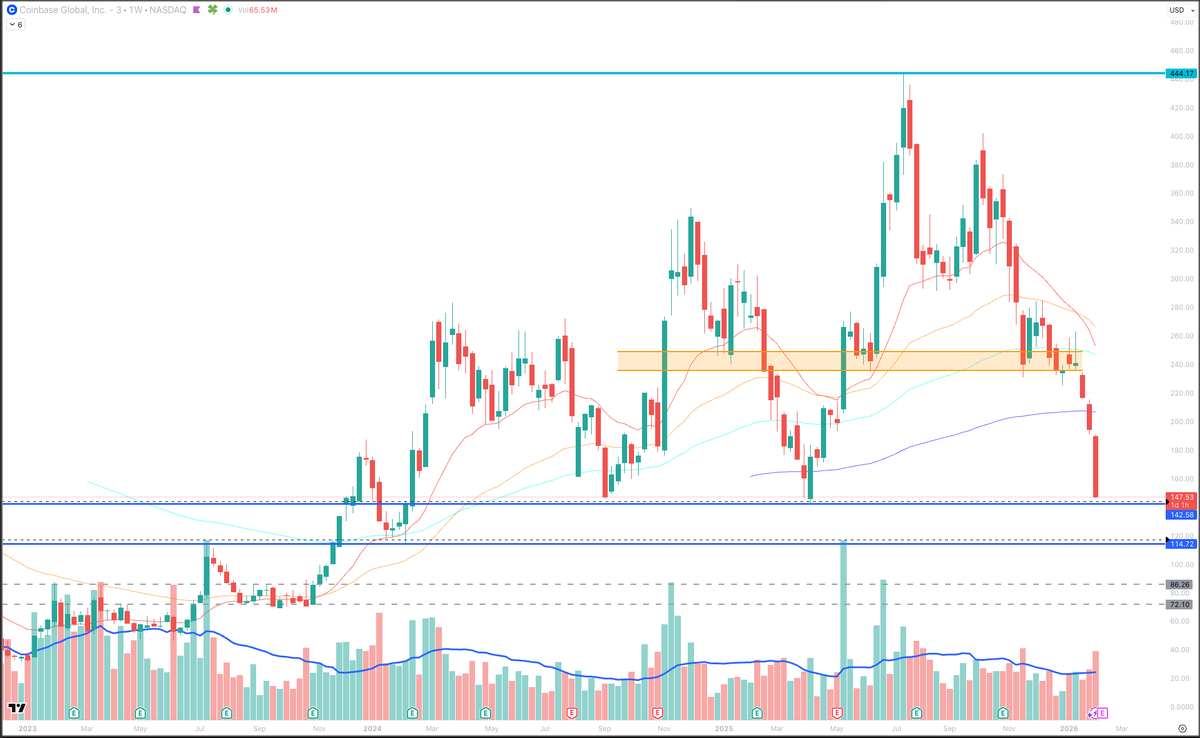
$COIN coming into a major support zone with earnings next week.
If Bitcoin keeps printing lower lows, downside pressure likely continues.
This level is key — reaction here matters.
Watching price + BTC closely
$AMD weekly is tightening right under ATHs.
Structure looks coiled, momentum building.
This is exactly how breakouts set up before expansion.
Watching for acceptance above highs 👀
If it’s not on my calendar, it usually doesn’t happen.
Not because I’m lazy — but because vague intentions don’t survive busy days.
Time blocking isn’t about filling every hour.
It’s about deciding what deserves space before the day decides for you.
When I write something into my calendar, it becomes a commitment.
Not to productivity — but to alignment.
One block at a time.
https://t.co/TRsgrc8Sql
Why I’m choosing SCHD over JEPQ (especially at age 30):
The SCHD vs JEPQ comparison looks obvious at first glance if you only focus on recent performance. JEPQ absolutely outperformed SCHD from 2022–2025 when dividends were reinvested. But that outperformance came from a very specific market regime — high volatility, elevated option premiums, and a rebound-heavy Nasdaq.
That doesn’t make JEPQ a better long-term holding for everyone.
SCHD and JEPQ serve completely different purposes.
SCHD owns profitable, dividend-paying companies and distributes income sourced from real corporate earnings. Dividends tend to grow over time as earnings grow. There’s no options overlay and no capped upside. It’s designed to compound quietly for decades, especially when dividends are reinvested.
JEPQ, on the other hand, is an income strategy ETF. A large portion of its payout comes from selling covered calls. That income is attractive, but it’s not the same as dividend growth — it’s highly dependent on volatility and it intentionally gives up upside in strong bull markets.
That trade-off is fine if you:
Need income now
Are already retired or close
Are prioritizing cash flow over long-term compounding
But at 30, my priority is building engines, not extracting cash.
Covered-call strategies tend to shine in sideways or choppy markets. Over 20–30 years, however, capped upside becomes a real cost. SCHD may look “boring” in comparison — but boring is exactly what compounds best when time is your biggest advantage.
That’s why my approach is:
VOO for growth
SCHD for dividend compounding
Reinvest everything
Ignore short-term yield comparisons
JEPQ isn’t bad — it’s just a later-phase tool, not a core building block at this stage of life.
I’m optimizing for freedom in the future, not income today.