Learn how to use the 6 Gestalt Principles to improve your UX/UI Designs
Visual grouping principles have been invented by Gestalt psychologists and are based on human’s innate ability to perceive objects as organized patterns and simplify complex compositions.
Overview:
1. Figure-Ground
In any composition, elements will be perceived as either figure (the focal point or subject) or ground (the background). The clearer the distinction between figure and ground, the easier it is for the viewer to understand the visual structure. Sometimes, this relationship can be intentionally made ambiguous for creative effect.
2. Proximity
According to this principle, objects that are close to each other will be viewed as a group, rather than as separate, unrelated elements. This is often used in design to show that certain pieces of information are related or belong together.
3. Similarity
This principle states that objects that look similar will be perceived as belonging together or functioning as a part of the same group. Similarity can be achieved through color, shape, size, or other visual attributes.
4. Continuation
This principle suggests that the eye will naturally follow a line or curve, favoring shapes that are smooth or flow in a particular direction over shapes that abruptly change direction. In design, this can be used to lead the viewer's eye across a layout or to important information.
5. Closure
The human eye likes to see complete shapes. If there are gaps or the shape is incomplete, the viewer's mind will fill in the missing information to create a cohesive whole. Designers use closure to create simple, recognizable shapes or to suggest forms that aren't explicitly shown.
6. Symmetry
In the context of Gestalt principles, symmetry contributes to the sense of "good form" or Prägnanz; our eyes and mind find it easier and more natural to comprehend symmetrical forms. We often perceive symmetrical arrangements as belonging together as a unified whole, even if the individual elements are spaced apart.
These principles often operate simultaneously and are used in combination to create effective, comprehensible designs. Understanding how they work can give designers valuable insights into human perception, aiding in the creation of designs that are both aesthetically pleasing and easy to understand.
Download the PDF: https://t.co/6e47vb7GrU
by @uxhints_com
#ux #uxdesign #ui #uidesign #uxlaws #gestaltprinciples #productdesign #uxprocess #userexperience #design #designthinking #research #userresearch #uxresearch #usertesting #usability #usabilitytesting #prototyping #agile #mvp #startup #digital #visualdesign #graphicdesign #business
Handcrafted recipes to get you started with everything UX — user research, design, usability testing, and more. We're always cooking up new recipes, so check back frequently!
https://t.co/SdGWkPOi0r
If you were among one of the 8,500 attendees at #Config2023, you took home one of our favorite pieces of the event: The Playbook, a print zine filled with op-eds, activities, and artwork that we published in partnership with @itsnicethat.
Read all about it: https://t.co/7SudCoMEOi
Plugins in Dev Mode allow you to extend Figma’s code generation to fit whatever framework or language you’re building in.
A great example - the @AnimaApp plugin translates Figma designs to HTML, CSS, React, or Vue code.
Try it now: https://t.co/BNsxFLeJVe
If you happen to be near 14 Percy St. in London today, stop by the Figma pop-up from 12-5 PM for snacks, drinks, and limited-edition swag. Everyone is invited, so bring a friend or two.
We can’t wait to see you! 🤩
https://t.co/9iq081mepB
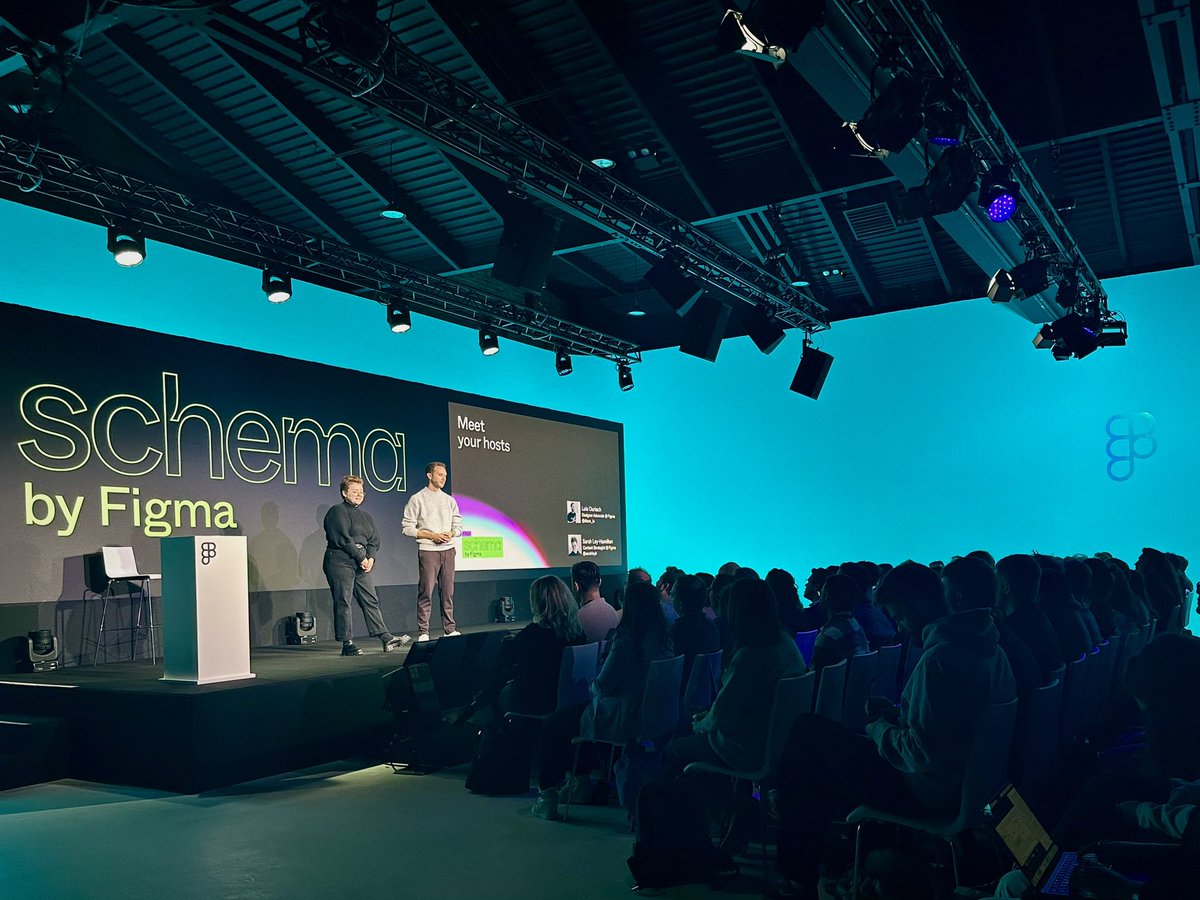
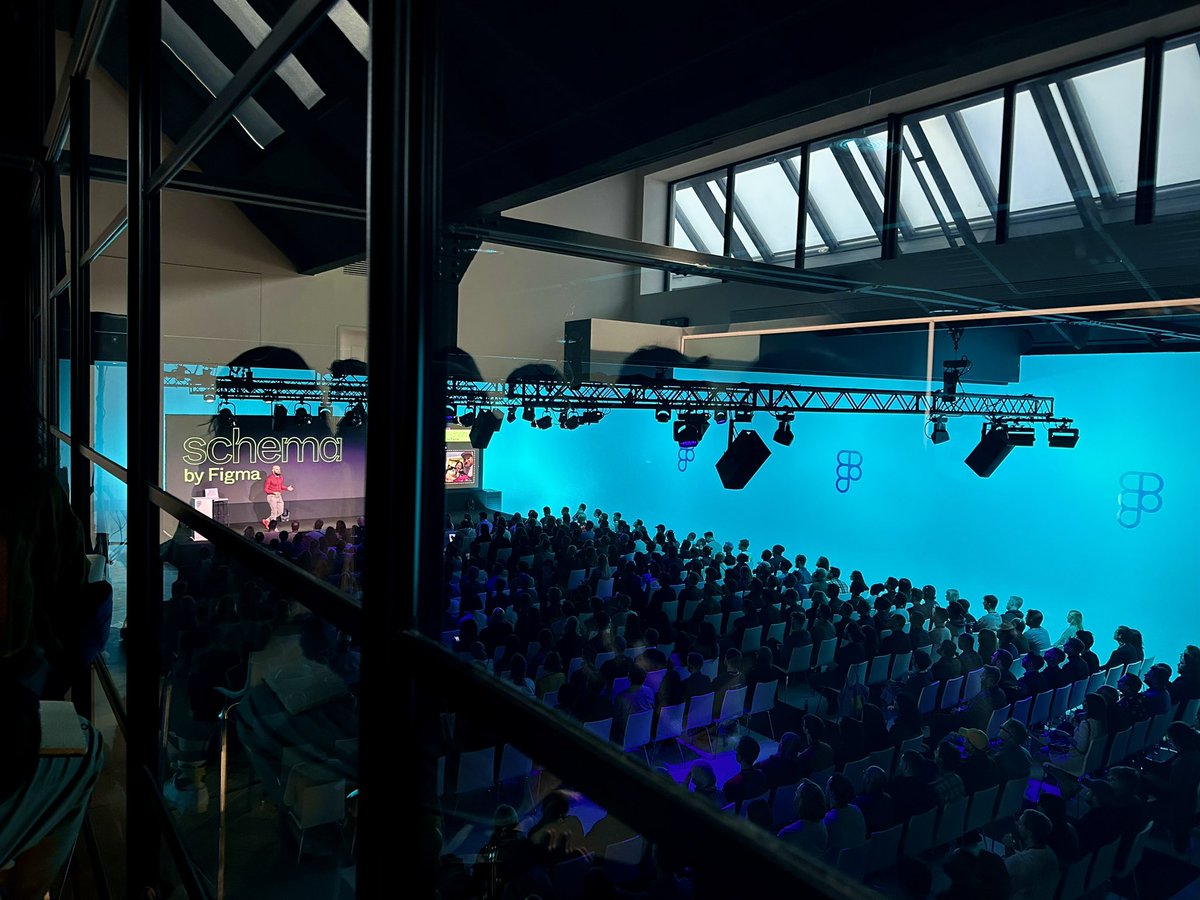
Today is #Schema2022 London - our last stop on our design systems world tour! It’s been so fun seeing everyone in person this month. 💛
If you didn’t get a chance to attend Schema live, be sure to register for virtual Schema happening next week, Nov. 16: https://t.co/OW6qImLx9C
Schema is back and this year we’re taking it on the road!
Apply to join us for our annual design systems conference live in NYC, London, and Tokyo.
Can't make it in person? Our virtual conference is open to all. RSVP to join us on Nov. 16. https://t.co/f2m7q9vsyO
#schema2022
Figma's NEW Component Properties Update | Figma Tutorial 👉 https://t.co/saaGJScqoQ
👉 How to get early access to the NEW Component Properties update
👉 Context around Component Properties
👉 Issues with Component Properties
👉 NEW Nested Component Properties Figma Tutorial
We launched new component property features. Turn on open beta for…
→ Exposed nested instances for more customization
→ Preferred values for more clarity when instance swapping
→ Simplified instances for more focus on relevant properties
Learn more: https://t.co/szCgCcm8iH
Hey there, @figma! Excited that you're joining us and bringing all sorts of new possibilities to the table. We look forward to the road ahead.
Key info: https://t.co/X5JzToAVqX
THREAD: This morning we’re announcing that @Figma has entered into an agreement to be acquired by @Adobe !
More information here: https://t.co/eqJsSlkShq (1/9)