A framework to get you to a 50-100 bagger stock.
What it takes:
1. Small/Mid starting market cap - so that there is enough scope for the market cap to expand.
2. Institution worthy but under-owned by institutions - Secular multi year growth catalyst + scope for persistent buying over months and years
3. Neglect (during hold period) - not a mainstream idea - often they don't believe in it till the last one-third phase - ability to hold against consensus is the edge
4. Long Holding period - huge gains are made only if you’re willing to hold the positions for years and decades and have an aversion to selling or booking profits.
5. Drawdown - methodology to ignore 50-90% drawdowns. I don’t say ability to stomach as one can’t really stomach it. It essentially comes down to not even looking at it or avoiding calculating your returns or drawdowns. Vision helps (covered below).
6. Allocation - Just the right starting allocation (typically small enough) that you never feel the pinch even if it goes wrong and you can continue to hold on for as long as it takes
7. Vision - to see the big picture and the larger trend and not be bothered by events in the interim.
This in no way means one should follow this approach - there are many ways to make it work in the markets - but just to understand that this is what it takes.
Bombay Dyeing has a market cap of around Rs 2,300 crore. The company is sitting on approximately Rs 1,400 crore in cash and fixed deposits. Just the ongoing Three ICC luxury tower in Dadar has a revenue potential of Rs 6,500 crore. The realization from a single scheme in Dadar is nearly 3x the entire market cap, and margins could be 50%+. Think about that for a second.
This is a Wadia Group company. One of the oldest business houses in India. The textile business is what people associate with the name but that is not where the value is. The value is in the land. Prime Mumbai land. And nobody is pricing it correctly.
Bombay Realty, the real estate arm, has two flagship developments in the heart of Mumbai. Island City Centre at Dadar and Wadia International Centre at Worli. The Dadar land parcel alone has a total development potential of 30-35 lakh square feet. At current Mumbai luxury pricing of Rs 50,000-55,000 per square foot, you are looking at Rs 15,000 crore of gross development value. From one location.
They already sold 22 acres at Worli to Sumitomo Realty for Rs 5,200 crore. That cash came in, debt got wiped out, and the balance sheet is now essentially debt-free. Debt-to-equity is 0.1%. The company has more cash than total debt. That Worli monetization alone was more than double the current market cap.
And they still have land left. As per management interview, they have 800+ Acres (BD + Wadia Group) of land across India, out of that 80 + in Mumbai. Plus the massive Dadar development that is just getting started with Three ICC.
The core textile and polyester business is struggling. FY26 revenue fell 9% to Rs 1,460 crore. Full year PAT collapsed 94% to Rs 27 crore. Q4 showed improvement with PAT up 82% but that was driven by other income, not operations. The operating business is fundamentally unprofitable right now.
But here is the thing. You are not buying Bombay Dyeing for the textile business. You are buying it for the land bank. The textile business is a legacy cost centre that the market is using to discount the entire company. Strip out the operating losses and just look at what is on the balance sheet. Rs 1,400 crore cash. Zero debt. And land in Dadar and other locations worth multiples of the market cap.
If the Wadias decide to go aggressive on real estate development, this company reprices overnight. Even a joint development model where they contribute land and a developer puts in the capital would unlock enormous value. The Three ICC launch is the first real signal that they are getting serious about monetization.
The risk is pace. The Wadias have historically been slow to monetize. The textile business continues to bleed cash. And real estate development timelines in Mumbai are unpredictable. If they take another 5-7 years to develop Dadar fully, the value erosion from the textile side could offset some of the land upside.
Rumours are the next launch is in Thane. With this they wouldn't just be a one off scheme real estate player. New hires are there.
But at Rs 2,300 crore market cap for a debt-free company sitting on Rs 1,300 crore cash with Rs 15,000+ crore of developable real estate in South Mumbai, the risk-reward is heavily skewed in one direction. The market is giving you Mumbai land at a fraction of what any developer would pay for it.
Views are personal. For educational purposes only. Not investment advice.
Grabbed coffee with a partner of a 1000cr fund. Was expecting heavy AI talk. Instead we spoke about a bunch of boring businesses he's personally exploring.
He spoke about eyeglass boxes, corrugated boxes, eyeglass cleaning clothes and a few more, but here is a short list of what such businesses could be -
1. Eyeglass boxes, cleaning clothes etc for eyewear brands - they don't make it, they need someone to make it.
2. Packaging for fashion brands - again they need someone to make it, fashion is everygrowing
3. Spray pumps and dispensers for cosmetics and D2C beauty - largely imported it seems when it comes to making non simple stuff.
4. Cardboard packaging and corrugated boxes - riding Amazon, Flipkart, Blinkit, Zepto, all at once.
5. Bottles, bottle caps and closures - ongoing demand from beverage, FMCG, beauty.
6. Hangers, polybags, garment covers for D2C apparel - the entire D2C wave is buying these from someone.
7. Labels and thermal printing rolls - every e-commerce shipment needs them every day.
8. Disposable cups, plates, cutlery for cloud kitchens and food delivery.
9. This one is interesting - cold chain refrigeration units for quick commerce dark stores.
10. Adhesive tapes and branded packing tape - every shipment, every parcel.
None of these will make brands, but once you get a recurring contract, very hard to replace you.
Joined a young and growing company as a CMO when I realised that neither I am cut out for a large corporate life nor I have the appetite to start something of my own.
My company gave me ₹1 crore to start a business in Bangladesh.
That ₹1 crore is worth ₹16,000 crores today.
But when I landed in Dhaka in 2002, there was nothing.
No office. No factory. No employees. No entity.
I was sent as the CFO. My boss told me plainly
"you are overqualified for this role."
You might have to write cash vouchers and make payments yourself.
I said yes without thinking twice.
Because I was drowning in personal debt. A chance to start over.
Then the Big Four auditors told us we would not get a tax holiday.
I studied the Bangladeshi tax law myself. Line by line.
Got the tax holiday approved. It saved the company ₹25 crores.
This took four years. No playbook. No team on day one. Just figuring it out.
In 2006, my boss resigned overnight.
I got a call qouting "You are the CEO now."
The company was at minus ₹2 crores.
My target from the chairman was 15% annual growth.
I delivered 48% CAGR for four straight years.
Minus ₹2 crores to plus ₹100 crores in profit.
76% market share. Second largest MNC in Bangladesh after Unilever.
Then the IPO was oversubscribed 11 times.
A company that did not exist four years ago now had public shareholders betting on its future.
All from that ₹1 crore.
And the debt I was drowning in when I took this posting?
Cleared in two years.
The job I took out of desperation became the decision that changed my life.
I treated someone else's company like my own.
That is the only career advice worth giving.
What is the best career decision you made for the wrong reason?
First it was London real estate
Then the love affair for Dubai real estate.
Most Indians who bought properties outside India over last 10 years have not made any money.
Pulak Prasad, one of the leading public market investors, and known for his lazy investing style (buy great businesses and hold forever) on 'not' using AI thus far.
If you narrow your top of funnel through well-thought through signals / proxies such as ROCE (his key filter), and then invest after a lot of primary research (talking to customers / suppliers, management), then AI may not add a lot of value here.
[screenshot from a PDF that is floating around featuring listener's notes + Q&A + transcript from a Pulak Prasad talk]
First lesson for highway driving is maintaining distance between cars in front and those behind you. My dad taught me this way back in 90s when he trusted me with the steering & moved to the side seat. Do not let any vehicle tailgate you was the strict instruction. If someone tries, slow down & let them overtake you. Below is a classic case where the car in front manages to slow down but the car behind couldn’t apply brakes on time & met with an accident risking many lives as a calf came on the highway.
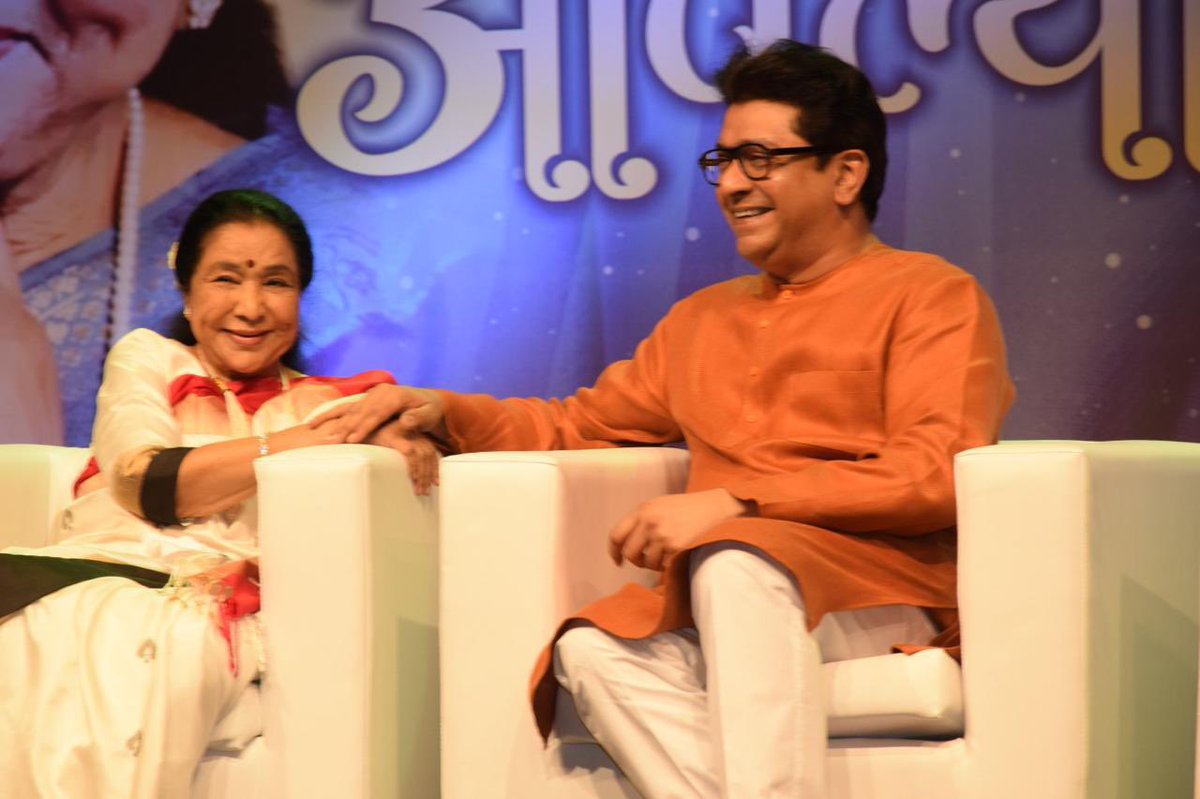
'आशाताई' -दि लास्ट एम्परर
ज्येष्ठ गायिका आशाताई भोसले यांचं निधन झालं. मी माझ्या एक दोन भाषणांमध्ये, आणि पुढे एकदा आशाताईंशी झालेल्या संवादात म्हणलं होतं की, लतादीदी आणि तुम्ही म्हणजे भारतीय चित्रपट संगीतातील, लिओनार्दो द विंची आणि मायकलॅन्जलो आहात.
लिओनार्दो द विंचीच्या कामाकडे बघताना त्यातील परफेक्शन, कमालीचा आखीव रेखीव पणा, जबरदस्त ठहराव आणि एक सर्रकन जाणवणारी आध्यात्मिक अनुभूती जाणवत राहते. हे सगळं दीदींच्या गाण्यात जाणवत राहतं. सगळं कसं परफेक्ट, आदर्शवत वाटत राहतं.
तर मायकलॅन्जलोच्या कामात नजाकत आहे, आवेग आहे, लडिवाळपणा आणि बंडखोरी पण आहे. कधी कधी त्याची शिल्प त्या दगडातून बाहेर येण्यास आतुर आहेत असं वाटत राहतं. तसंच आशाताईंच्या गाण्यांचं. त्यांच्या गाण्यात ओढ आहे, खेळकरपणा आहे, धिटाई आहे आणि माणूस म्हणल्यावर थोडा बेधडकपणा, झुगारून देण्याची तीव्र इच्छा असणारच , ते सगळं आशाताईंच्या गाण्यात जाणवत राहतं.
'गाणं हे माझं पॅशन आहे' किंवा 'ऍक्टिंग माझं पॅशन आहे' असं म्हणत स्वतःला कलाकार आणि कालांतराने ज्येष्ठ कलाकार इत्यादी म्हणून घेणारे हल्ली ढिगाने आढळतात.
असलं म्हणण्याची मुभा नियतीने आशाताईंना कधीच दिली नाही. वयाच्या १५व्या वर्षी स्वतःला आणि कुटुंबाला उभं करायचं आहे आणि त्यासाठी काय जमतंय तर निसर्गदत्त आवाजाची देणगी. या इतक्या भांडवलावर त्यांनी गाणं गायला सुरुवात केली. अजाणत्या वयात व्यक्तिगत आयुष्यात आशाताईंनी अफाट त्रास सहन केला. पण या त्रासाने किंवा दुःखाने त्यांच्या मनातला किंतुपरंतुवर मात केली आणि आयुष्यात जी धिटाई आली ती आवाजात आली.
मी वर म्हणल्याप्रमाणे लतादीदींचा आवाज म्हणजे परफेक्शन आणि कमालीचा ठहराव. स्वातंत्र्य मिळाल्यानंतर सगळं वातावरण भारावलेलं असताना असा आवाज हा त्या काळाचा आवाज वाटावा असा आवाज आहे. अशावेळेस स्वतःचा आवाज तयार करायचा, त्यासाठी आपल्या एक्सप्रेशनला साजेसं गाणं मिळेपर्यंत वाट पहायची यासाठी आशाताईंनी काय पेशन्स ठेवले असतील हे त्याच जाणोत.
'पिया तू अब तो आजा' मध्ये प्रियकराला थेट बेधडक आवाहन आहे. 'आईये मेहरबान' मध्ये लडिवाळपणा आहे, 'दिल चीज क्या है आप मेरी जान लिजिए' मध्ये नजाकत आहे. 'दम मारो दम' मध्ये बंडखोरी आहे, सगळ्या चौकटी तोडून येण्याची तीव्र उर्मी आहे. याच आशाताई मराठी भावसंगीतात 'मागे उभा मंगेश, पुढे उभा मंगेश' म्हणत युगायुगांचं वैराग्याचे प्रतीक शंकर चराचरात आहेत आणि लक्ष ठेवून आहेत हे आर्तपणे सांगतात.
व्यक्तिगत आयुष्याच्या जवळपास प्रत्येक टप्प्यावर त्यांनी वादळं पहिली. तरीही आशाताई खचल्या नाहीत, दुःख हत्यार बनवलं नाही, कडवटपणा येऊ दिला नाही. दुःख हाताळायची त्यांनी कलाच जणू आत्मसात केली होती. म्हणूनच दीदी कायम दैवी वाटत राहिल्या तर आशाताई खूप मानवी वाटत राहिल्या.
जसा दीदींचा सहवास मिळाला तसाच आशाताईंचा मिळाला. मी भाग्यवान आहे की ज्यांनी या देशाच्या अनेक दशकांच्या भावविश्वाला आकार दिला त्या दोन्ही बहिणींचा मला ओतप्रोत सहवास मिळाला. माझ्यासाठी आशाताईंकडे फक्त ज्येष्ठ गायिका म्हणून बघणं हे पुरेसं नाही तर तो गाण्यातून घडलेला अलौकिक प्रवास होता. तो चिरकाल तुमच्या माझ्यासोबत राहील, नवनवीन पदर उघडत राहील.
मी मागे माझ्या भाषणांत म्हणालो होतो की लता दीदी असतील, आशाताई असतील किंवा त्यांच्यासारखे इतर कलाकार असतील , ते जर नसते आणि त्यांनी आपल्याला त्यांच्या भावविश्वात गुंतवून ठेवलं नसतं तर या देशांत कधीच अराजक आलं असतं ! उत्तुंग काय असतं आणि ते कुठे बघायचं याचा मापदंड या लोकांनी आपल्याला घालून दिला !
जसं लिओनार्दो द विंची आणि मायकलॅन्जलो हे जरी वरवर परस्पर विरोधी वाटले तरी युरोपातील रेनेसाँस युगाला त्या दोघांनी वेगेवेगळ्या पद्धतीने आकार दिला. तसा आकार लतादीदी आणि आशाताईंनी भारतीय चित्रपट संगीताच्या रेनेसाँस युगाला दिला. काही वर्षांपूर्वी दीदी गेल्या आणि आज आशाताई गेल्या. भारताच्या रेनेसाँस युगाचा शेवटचा महत्वाचा घटक आज आपल्यातून गेला !
आशाताईंना महाराष्ट्र नवनिर्माण सेनेची विनम्र श्रद्धांजली.
राज ठाकरे।
Pune: Dead Fish Cover Pashan Lake, Residents Demand Immediate Action
Pune, April 9, 2026: Pashan Lake is witnessing an environmental crisis as dead fish continue to float on its surface, raising serious concerns about aquatic life. The situation has been attributed to alleged negligence by the Pune Municipal Corporation.
Already covered extensively with water hyacinth, the lake has become increasingly uninhabitable for aquatic species. Over the past five days, large numbers of dead fish have been seen floating throughout the lake, creating a foul stench that poses health risks to nearby residents.
@PMCPune@navalMH@AreaPashan
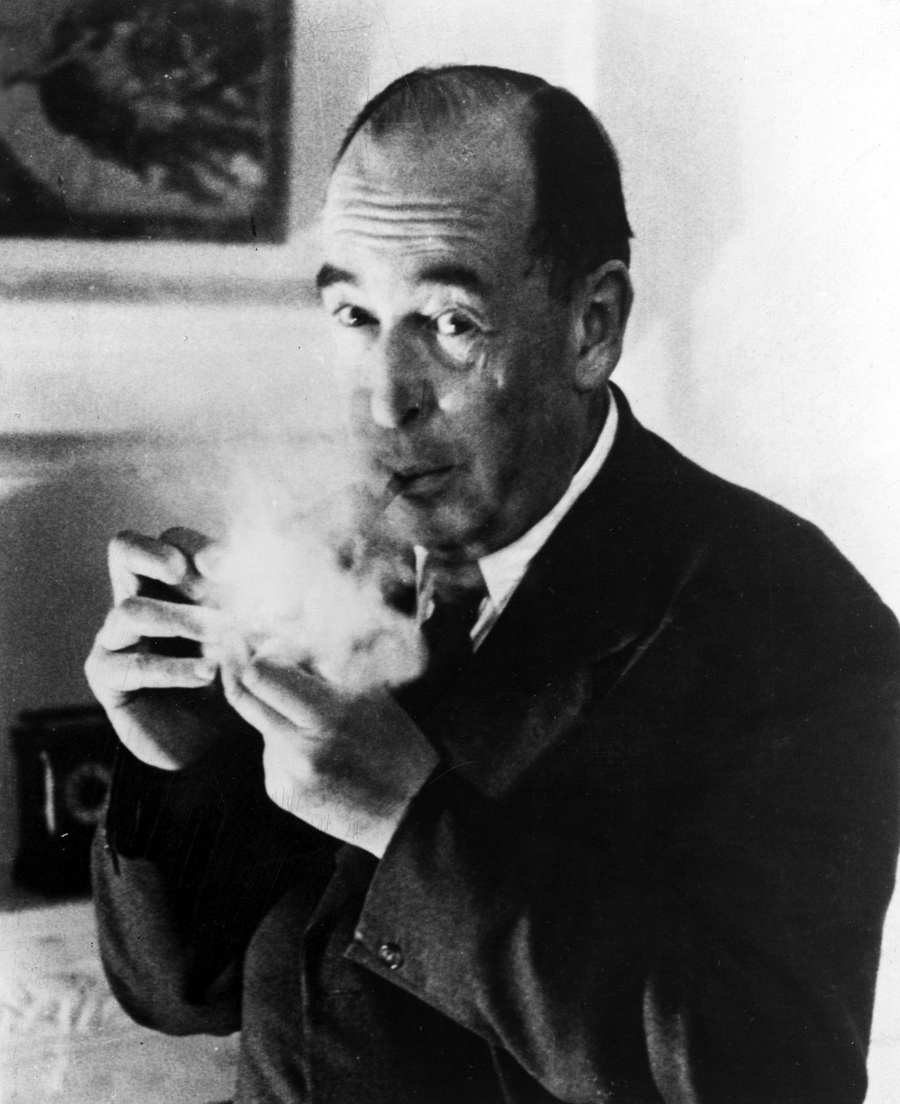
Did you know C.S. Lewis predicted the modern obsession with “being nice” would destroy the soul?
In The Abolition of Man, Lewis argues that when a society stops believing in objective virtue, it doesn’t become tolerant… it becomes manipulable.
He calls the result “men without chests.”
People with appetites and intellects, but no courage, no honor, no trained moral instincts. They can calculate everything and defend nothing.
Lewis saw that once we reject inherited moral law, we don’t become free. We become raw material… easily shaped by propaganda, pleasure, and fear.
Modern man prides himself on compassion while quietly surrendering every standard that once gave compassion meaning.
Lewis’s insight is brutal: a civilization that educates clever cowards will eventually be ruled by tyrants or technicians.
Because when nothing is worth dying for, everything becomes negotiable… including human dignity.
When the bull market was going on, some folks were telling you it will go on forever.
Now after a long sideways correction, a bear market has just begun, and some folks have already started telling us how it will end soon.
Markets, just because they have gone up for a very long time , do not have the right to go up again.
More than any other nation, Japan should be your number one reference point for markets not doing anything for a long time.
On every parameter, Japan has been one of the top performers: high technology intensity, global leadership in many Industries, developed country with educated technical population. It is only after three decades that Japan has started moving recently.
So just because you and I have not seen a protracted bear market in India in our lifetime, does not give us the right to have the right to further growth.
If you ask me, in my heart of hearts, I hope we go through a 1991 like situation sometime in the future, which makes our government and people take some actions to reach the next level, beyond being traders of goods and provider of services.
Yes, it will make our portfolios brittle for a time. But it will make our future generations and our country stronger for decades to come.
I do not care who is in power. My argument towards the government is always the same:
We give them the right to govern us, and up to 70% of our income as direct and indirect taxes.
We must hold them to insanely high standards at all times. As a country, we have grown despite the government over the last seven decades.
It's time the people we have given power to, show their mettle.
I’m in love with this sentence:
“The degree to which a person can grow is directly proportional to the amount of truth he can accept about himself without running away.”
In 2024, Indian AC makers were so desperate for compressors they airlifted them from foreign suppliers.
While India manufactures ~60% of its AC compressors locally vs 15% just 3 years ago, this number hides a brutal reality.
Domestic value addition is still as low as 15% - 20%.
Compressors are the single most expensive part inside a split AC on your wall, equalling ~30% of cost.
Despite an annual sales of ~14 million units annually, In a global AC compressor market worth $30 billion (FMI, 2025) India made almost zero of them until 2023.
Here's a first principles breakdown of why India is NOT Atma-Nirbhar with its AC compressor manufacturing and why that's changing.
WHY #1: Why is the compressor so critical?
Your AC is basically four things.
A compressor, a condenser, an expansion valve, and an evaporator.
The compressor is the heart. It pumps refrigerant. Without it, nothing cools.
It's also the most complex part where Tolerances are measured in microns.
It needs hermetic sealing (zero leakage, ever), specialty steel laminations for the motor, and precision CNC machining on the crankshaft and scroll wraps.
No other AC component comes close in engineering difficulty.
WHY #2: Why doesn't India make this critical part?
Scale economics.
GMCC, the Midea-Toshiba joint venture in China, produces over 100 million compressors a year.
Read that again. 100 Million/year.
China accounts for more than 80% of global RAC compressor production, delivering over 200 million units.
India's entire AC market sells about 14 million units a year.
Read that again: One country's compressor output is 14x India's entire annual AC demand.
At that scale, GMCC's cost per unit is brutally low.
At scale, a fixed-speed rotary compressor costs OEMs $30 to $50 from China.
Inverter compressors run $50 to $80 at similar volumes (best guess).
↪️India can't match that price without matching that volume.
↪️And you can't match that volume without the plant.
↪️And you can't justify the plant without guaranteed demand.
Classic chicken-and-egg.
How real is this dependency?
An unexpected heatwave in 2024 sent demand soaring and wiped out AC inventories.
Compressor shortages hit hard.
The industry lost an estimated 1.5 million units in sales simply because ACs weren't available.
It got so bad that some manufacturers had to airlift compressors from abroad instead of shipping them.
That's the business equivalent of ordering from quick-commerce at midnight: expensive, desperate, but necessary.
The industry suffered an estimated 10 - 15% production loss due to compressor shortages alone.
WHY #3: Why can't India just build a big plant and compete?
Because it's not just one plant. It's an ecosystem.
A compressor factory needs upstream suppliers.
Electromagnetic steel laminations. Precision motor windings. Hermetic terminal manufacturers. Specialty lubricant suppliers. High-purity copper components.
Even the compressor oils (polyolester, polyvinyl ether) are patented by Japanese and Korean firms.
China built this ecosystem over 30 years starting with Japanese firms transferring technology through joint ventures in the 1990s.
GMCC started in 1995.
Hit 1.6 million units by 1999. Crossed 50 million by 2007. Hit 100 million by the 2020s.
That's three decades of compounding capability.
India's precision manufacturing base is growing. But it's thin.
As of 2022, CEEW's research showed import shares of 85%+ for compressors, 80–90% for PCBs and drives, and 80% for BLDC motors.
Since then Daikin, LG, and Midea have begun local compressor production, and overall component localisation has increased.
But compressor import dependency remains significant. The government target was (in 2023) to bring it down to 15–16% only by FY28.
But we're running behind on that goal.
Additionally, building one compressor factory costs serious money.
Highly India (a Chinese subsidiary) invested $72 million for just a 1 million units per year plant in 2013.
Daikin's integrated AC and compressor facility at Sri City cost ₹1,700 cr.
Highly India invested $72 million for a plant with just 1 million units per year capacity. At these capex levels, industry estimates suggest you need millions of units annually and years of high utilisation just to break even
Now add India's problem: 60% of AC sales happen between March and June. Your ₹2,000 cr plant sits underutilised for six months a year.
The math doesn't work easily.
WHY #4: Why didn't India fix this earlier?
Because for the longest time, it didn't matter enough.
India's AC penetration was just 5 to 6% of households.
In 2006, the country sold just 1 million ACs. The market was tiny.
No global compressor maker would build a ₹2,000 cr plant for a market that small.
China was already producing 200 million+ compressor units for global supply. Thailand had Daikin and Mitsubishi plants. South Korea had LG and Samsung.
The supply chains were locked in.
India also had low or moderate import duties on compressors. Importing was cheaper than making. So everyone imported.
Domestic value addition in ACs was just 25 to 30%, according to CEEW (2022) and industry estimates.
The HVAC sector in India was, as CEEW describes it, following an "import-assembly model." Import the hard stuff, assemble here, sell.
Nobody had the incentive to change this.
WHY #5: Why is it changing now?
3 things happened at once.
First, demand exploded. The market nearly doubled in two years: from 8.5 million units in 2023 to an expected 18 million in 2025, per EPACK Durable's management.
India added nearly 50 million new ACs between 2019 and 2024.
The India Cooling Action Plan projects 8x growth in cooling demand by 2037, with 300 million AC units to be sold over 20 years.
Second, the government moved.
The PLI scheme for white goods launched with a ₹6,238 cr outlay. 66 companies have now committed ₹6,962 cr in investments.
The govt banned imports of fully assembled ACs in October 2020 (28 to 30% of ACs sold in India were imported CBUs before this).
Import dependency for compressors was targeted (in 2023) to fall to 15 to 16% by FY28.
Third, the big players finally showed up.
Daikin invested ₹1,400 cr in one shot, its largest ever India infusion. It opened an integrated compressor plant at Sri City with the objective of making India a global export hub by 2030.
LG and Midea started compressor manufacturing in 2023.
However, domestic value addition is still at an est. 15%-20%.
so, the chicken-and-egg is finally cracking.
Here's the bottom line.
India didn't make compressors because it didn't have the scale, the ecosystem, the technology, or the demand.
All at the same time.
You need all four to flip the switch. Missing even one kills the business case.
For the first time, all four are lining up.
14 million ACs today. Possibly 300 million over the next two decades. That's enough volume to justify world-scale plants.
The real question: can India compress 30 years of Chinese ecosystem-building into 10?
Growth, when advertised, is not just overrated, it's a tax on returns.
Most investors take decisions based on information available in financial documents. But lately, the number of 'financial documents' available has changed.
We have investor presentations, con call transcripts, SME stock conventions, 20 minutes 20 companies events. (I'm not going to count trading conventions).
So much to read, so much to speak, so much to buy.
Just one thing.
Investor Presentations are like bio data being circulated for marriage.
The height is increased by a few inches, salary is up by a few thousand, and family status is upgraded, on paper.
You'd think this to get a better bride. No, it's to get a higher dowry.
And that's the lesson we need to learn.
Investor Presentations are companies presenting themselves to the investor. PRESENTING.
It is not reality, and it isn't even approximation of reality.
Most presentations don't bother with market share, profit share or how a co stands in its industry, and how that number is moving.
Many don't even tell you what a company does in its entirety.
They would copy paste their financial results in a nicer table, and then, they present.
What they are going to do over the next three years. Sales growth, profit growth, market share growth (baseline unknown).
Devina Gupta's First Global did research on how many cos grew their profits every year, from the 4000 NSE listed cos over 2000-2020 period.
You know how many did? One. Hdfc Bank.
Every single company listed for over two decades DID NOT meet their own growth goals for most of the years.
One could accuse me of cherry picking, and say but so many stocks were ten baggers over these two decades?
Did you buy those stocks in 2000 and held them till 2020?
I didn't. A few, for a few years in between.
--
So, growth doesn't work. What does?
Incremental capital bringing incremental returns.
For example, say TCS. It may have a few lakh crore in monetized value every year. It applies additional manpower to add to its top line and bottom line.
Now today, if it invests in AI.
Hopefully, over the next three years, it will be investing less and delivering more sales and profitability on aggregate basis.
Three years because reality is messy.
More sales and profitability because lesser people due to AI (or may be not).
More profitability because it can convince customers their 99% traditional project with 1% AI wrapper is worth paying more for.
Because TCS ne bola. And Accenture and KPMG also saying this but they're so expensive!
So. TCS does more out of what it has today. In three years. Not next quarter, not through this year's investor presentation.
So you pick TCS for growth over three years. And may be it will work, and may be it won't.
That's how growth works.
Through entropy, chaos and randomness (God I'm sounding like that unseenvalue fellow).
Baaki ek line Mein, if your co promoter's plan sounds like the one on the t shirt below, be advised.
#7am
A motorist traveling near Lonavala successfully foiled a potential scam after being intercepted by two unidentified men on a motorcycle. The suspects aggressively signaled the driver to stop, falsely claiming the vehicle had an outstanding bank loan of ₹10 lakh. Sensing a trap, the driver remained inside his car with the windows rolled up and contacted the police, causing the suspects to flee. Authorities are now warning car owners to stay alert against such high-pressure intimidation tactics on isolated road stretches.
#Lonavala #RoadSafety #ScamAlert #PunePulse #StaySafe
In 2008 every stock on Earth was crashing
Hedge funds shorted Volkswagen expecting it to follow the rest of the market down
Then Porsche quietly revealed they had been secretly accumulating 74% of VW through options and nobody saw it coming
The free float was just 6% but short interest was 12%
There literally weren’t enough shares on the planet for short sellers to cover their positions
In a single week Volkswagen went from an ordinary automaker to the most valuable company on Earth passing ExxonMobil at over $370 billion
Short sellers lost over $30 billion and some funds were completely destroyed overnight
The greatest short squeeze in history didn’t happen during a boom
It happened during the worst financial crash in 80 years







![sajithpai's tweet photo. Pulak Prasad, one of the leading public market investors, and known for his lazy investing style (buy great businesses and hold forever) on 'not' using AI thus far.
If you narrow your top of funnel through well-thought through signals / proxies such as ROCE (his key filter), and then invest after a lot of primary research (talking to customers / suppliers, management), then AI may not add a lot of value here.
[screenshot from a PDF that is floating around featuring listener's notes + Q&A + transcript from a Pulak Prasad talk]](https://pbs.twimg.com/media/HG9bCvSa0AAuggG.png)