Our recent work demonstrates the importance of physics-informed dynamic information into NN based binding affinity prediction: how physics-informed data can improve the predictive AI capabilities for drug discovery.
https://t.co/j6kDRImXcc
Our work on charge density–based ML of antimicrobial peptides accepted in Chemical Communications
Reveals distinct mechanisms—from intracellular targeting to membrane disruption—guiding rational AMP design - A co-correspondence milestone (third overall).
https://t.co/55BL4bTn6b
Xu et al. (3) report an unexpected role for sensory nerves in bone healing, providing insights into communication between the nervous system and the cells responsible for bone repair. https://t.co/rE5xBg24Bi
Presented my work in the MCBR 2025 conference, thanks to my current boss.
--
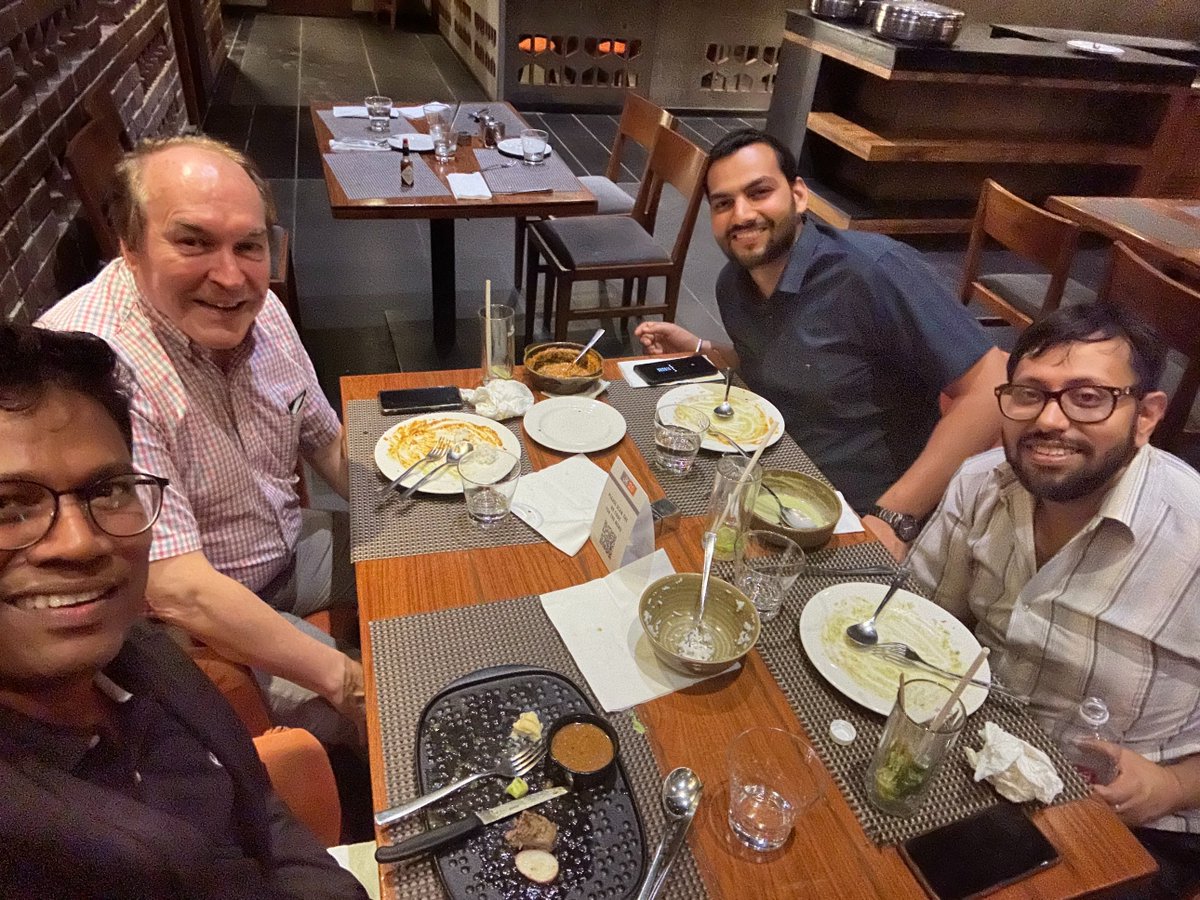
Interacted with Prof. G. N. Sastry, Dr. Madhavi Sastry, Prof. Hendrik Zipse, Prof. Holger Gohlke, Prof. Peter Camba, Prof. T. Dinadalayane, Prof. Susanta Mahapatra.
Check out our recent published blog in close collaboration with AWS, Intel, and Insilico Medicine, on a parallel ultra-large dataset of protein-ligand complexes and corresponding binding affinity.
https://t.co/sKHWDxuvaq
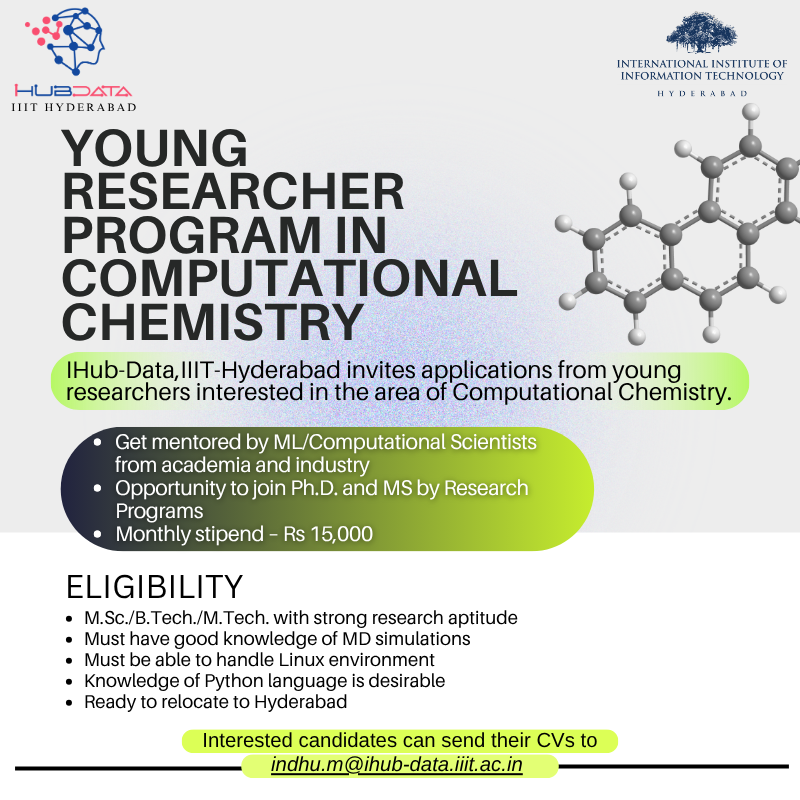
Interested people can apply to the provided email address for an internship involving MD simulations, applicable in the domain of protein-ligand binding affinity.
Our recent blog on India-data platform on the relevance of our curated largest dataset on protein-ligand binding affinity, from physics-based simulations, and on its corresponding impact in predictive modeling, in the context of data-driven-drug-discovery.
https://t.co/INMUelNF1B
https://t.co/7OvLhdbvRl
A brief review on the applications of Generative Artificial Intelligence (GenAI) in small molecule drug design, includes the background, applications, molecular designs, datasets and model architectures.
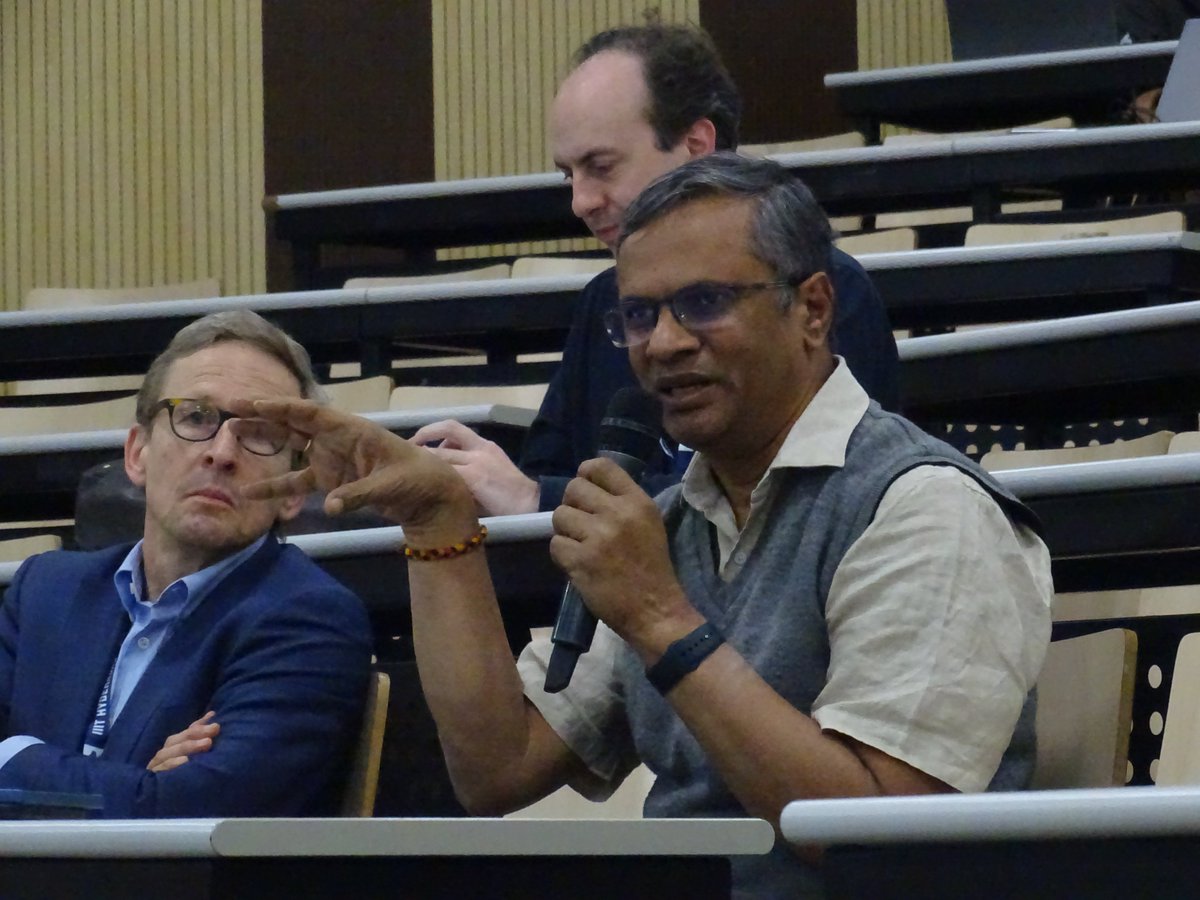
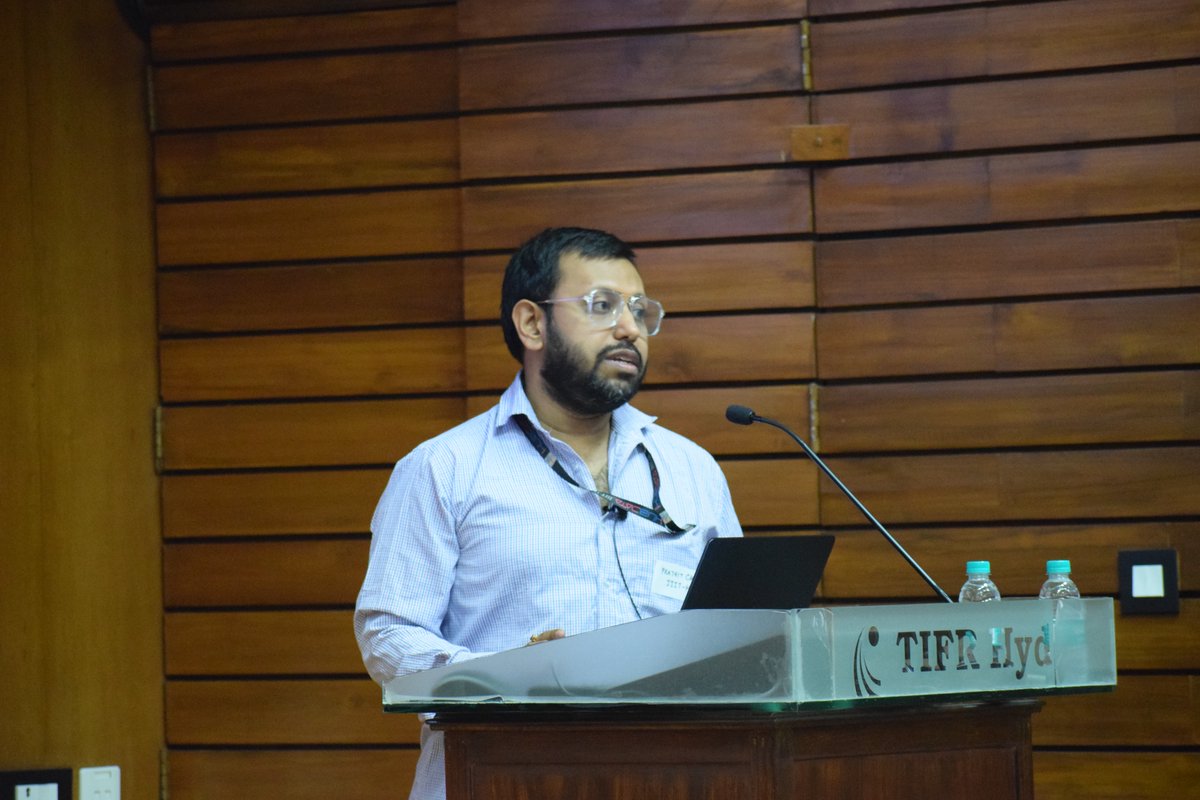
(3/n) @prathit2004 (@iiit_hyderabad) discussed his approach towards developing protein-ligand binding affinity datasets that take into account the dynamic interactions of these complexes. He uses these datasets to train ML models that could potentially aid in drug discovery.
https://t.co/RvsvqbTLbq
The datasets corresponding to our publication (PLAS-20K, shared in an earlier post), publicly available: https://t.co/24CbyBhkQs
People can download the trajectories and corresponding binding affinity as per requirement.
@deva_priyakumar@IHUB_Data
Thanks for the opportunity from my current boss, three works in which I am part of (one direct work, one co-mentoring, one collaboration), have been showcased in the R&D showcase exhibition this weekend.
Got a few insights in improving ML model with pharmaceutical properties..
A memorable conversation with Prof. Peter Coveney, while he came to IIIT for giving a talk on his recent AI-related research topic on "DIGITAL TWINS".
My project on benchmarking forcefields can be extrapolated to the initiative taken by him and other peers on "Open Force Field".