A conservation collective working collaboratively to protect native biodiversity and strengthen communities by creating a #PredatorFreeDunedin by 2050.
Together, our teams and community are working towards a Predator Free Dunedin where native wildlife thrives 🌱
So far, our members and delivery partners have over 14,000 devices on the ground and have removed over 80,000 introduced predators!
Did you know New Zealand has over 2,000 different moth species??
🐛 Over 90% of these are found nowhere else in the world.
🐛 Moths are important pollinators for native plants.
🐛 They provide a food source for our native birds.
🐛 Introduced predators damage their habitat.
The Halo area is home to important native wildlife such as kakaruai (South Island robin) and kākā. With Ōrokonui Ecosanctuary at the heart of predator control efforts, the Halo Project is creating a haven for birds and other wildlife to expand beyond the predator proof fence.
One of the reasons we're celebrating this conservation week is the impressive milestone of over 1000 mustelids removed by the Halo Project team since trapping started in 2018!
https://t.co/4gEToZfYnY
Mustelids (stoats, ferrets and weasels), are notoriously difficult to remove. Stoats tend to have an average home range of approximately 1.5 - 4 km. In comparison, possums tend to stay in an area of around 200 m, and rats around 100 - 550 m.
Let your MP know, stop pawing at the issue of cat management — it’s time for action. With the release of the Environment Select Committee’s report recommending a National Cat Act we need to make the issue heard.
https://t.co/Gl7VOmnADd
Predator Free Dunedin encourages responsible cat ownership. Microchipping is a great way for cat owners to help us keep their pets safe!
https://t.co/3VuU0afgMx
One hour, 60 minutes, 3600 seconds. That’s all it takes to make a difference. Head into your garden sometime between tomorrow and next Sunday and those seconds will just whizz by as you count all the birds you can see and hear.
Details on how to take part https://t.co/CRnZNYLGqY
There are now three nights left of our annual Spotlight on Possums event! Rug up warm this weekend, grab a torch, and head outside to look for possums 🔦
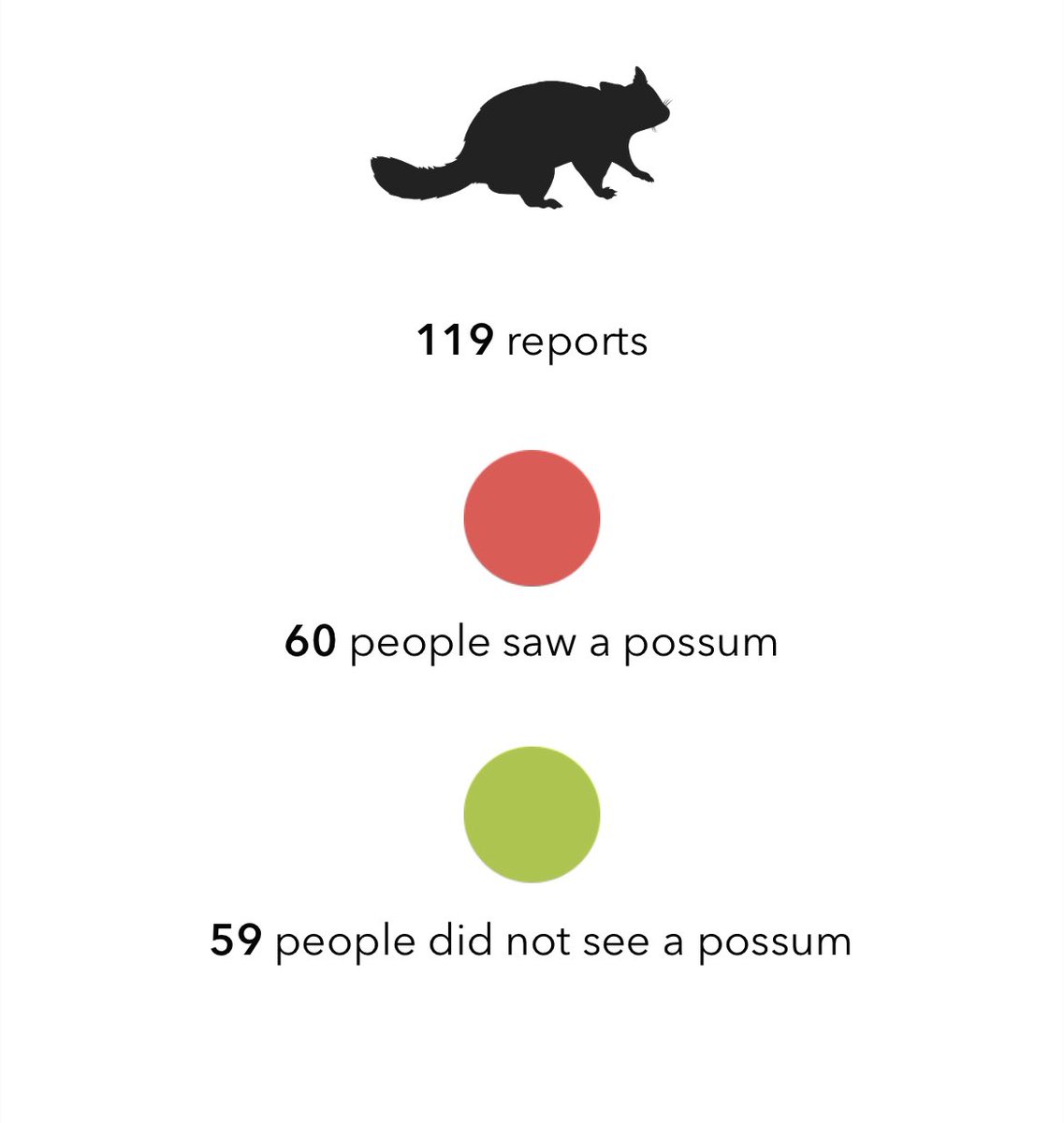
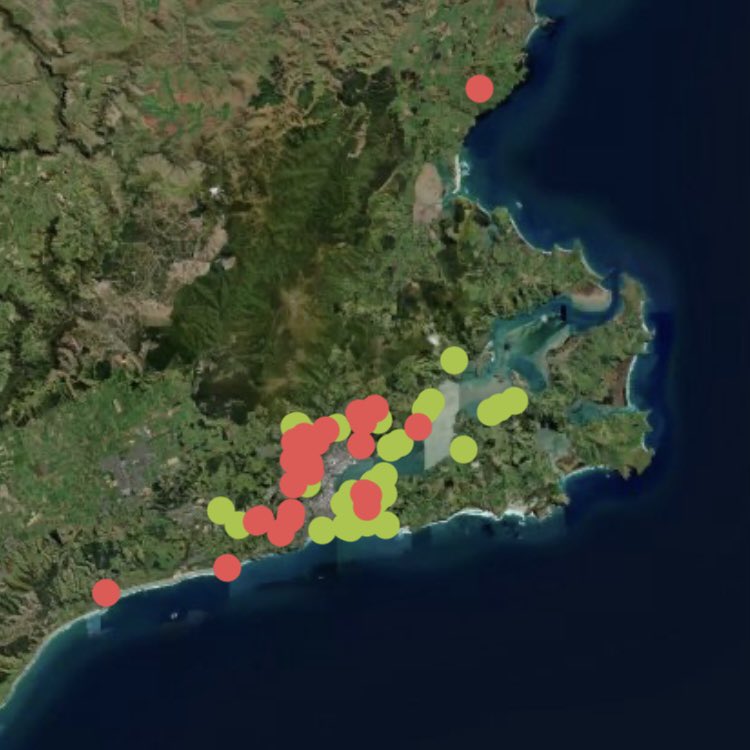
So far, there have been 119 reports with 60 people spotting a possum.
https://t.co/EAFhR43p0u
The sun has gone down and that means it’s time to rug up warm and head outside with your torch to look for possums! Spotlight on possums is happening every night after dark until Sunday the 18th. https://t.co/EAFhR43p0u
Last night was the start of our annual Spotlight on Possums event. We had 26 reports but only 5 were of possums. Whether you see one or not, we need your help all week to figure out how many possums live among us. https://t.co/EAFhR43p0u
Get into your backyard and help put the spotlight on possums!
Be part of a Dunedin-wide survey to find out how many possums are living among us...
Click the event below for more details:
https://t.co/ga7ZPZ2zxr
Birdfeeding in urban gardens is a popular pastime in Aotearoa New Zealand. Recent research shows that while feeding has potential benefits for native birds, there are also risks, so it’s important to do it right.
https://t.co/t7DoXUh5rZ
This baby kererū was discovered by the Halo Project team recently 💚
These chicks are vulnerable to predation so it’s just as well the Halo team have installed a comprehensive grid of over 3,858 predator control devices across the local landscape! 💪🌱