This study and video highlight a streamlined technique for combined Anterior Cruciate Ligament (ACL) and Anterolateral Ligament (ALL) reconstruction using a single hamstring autograft. https://t.co/3hVEXr7bZ8 @ArthroscopyJ#medtwitter
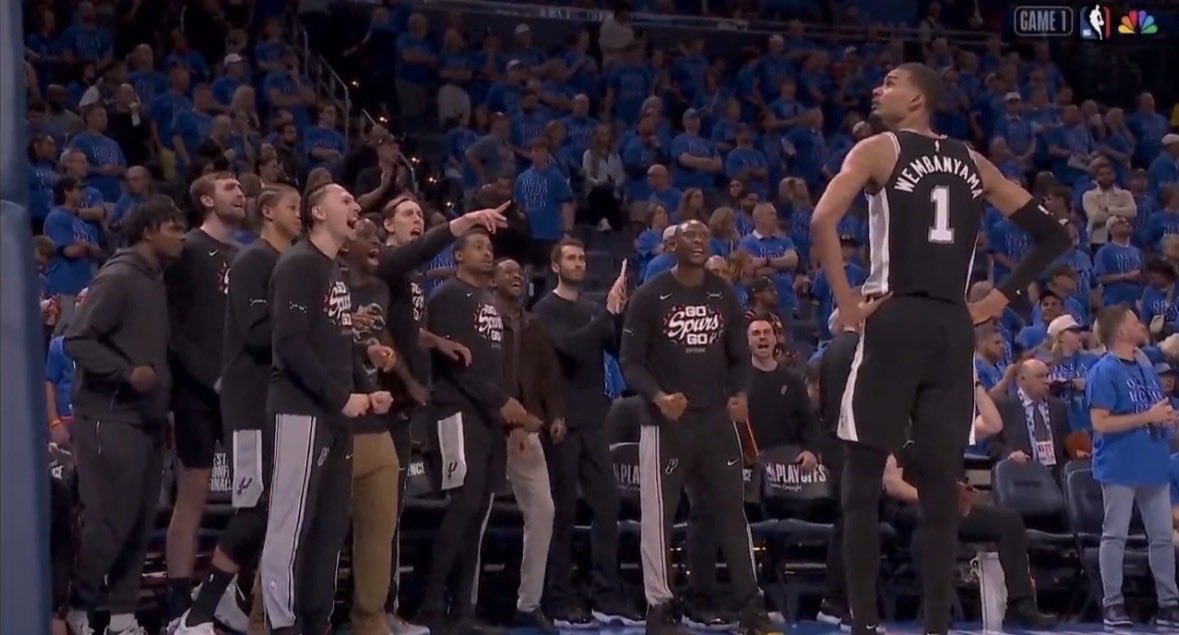
I worry that Wembanyama will get caught up in the distractions of New York City, like the Rose Reading Room at the public library or the upcoming conference on participatory futures at The New School
ACL graft selection remains an active topic, with ongoing comparison between quadriceps tendon and hamstring tendon autografts. Check out the latest research ➡️ https://t.co/L8QHxs96WK @aossm1972#medtwitter
It was a Monday in early August 2023. The exhausted truck drivers of Taylor Swift's Eras Tour thought they were heading to a routine production meeting before the Los Angeles shows.
They had no idea what was coming.
Scott Swift walked in. Taylor's father didn't say much—he just began handing out envelopes. When the drivers finally peeked inside, some thought the check said $1,000. Others read $10,000. The third driver stared at his and said out loud: "This has to be a joke."
It wasn't.
$100,000.
Each driver. Nearly 50 of them. The industry standard bonus from the biggest stars? $5,000 to $10,000. Taylor had given them more than ten times that.
But here's what made it matter most: these drivers weren't wealthy. They lived in truck cabs. They hadn't seen their families in 24 weeks. They were people who would never own homes—until now. Until that envelope.
That moment of shock and tears? It was just the beginning.
Across the entire Eras Tour, Taylor quietly handed out $197 million in bonuses. The dancers. The band. The riggers. The lighting and sound technicians. The caterers. Every single person who built the show—they got bonuses, handwritten notes, and wax-sealed letters. When dancers opened theirs on camera in her docuseries, they broke down crying. Some couldn't believe she was real.
"If the tour grosses more, they get more," she explained simply. These people work hard. They deserve it.
But the crew bonuses weren't the only quiet revolution happening.
Starting in March 2023, in every city where the tour touched down, a call came to local food banks. Taylor wanted to donate. No press conference. No announcement. No photo op. One donation fed 75,000 meals. Another provided hundreds of thousands of pounds of fresh produce. Across the tour, the total reached millions of meals—possibly more—all delivered in silence.
She never posted about a single one.
And it wasn't new for her.
In March 2020, when the pandemic locked down the world, Taylor scrolled through social media posts from fans who were breaking. A photographer about to lose everything. A person staring down eviction. She sent direct messages with rent money—$3,000 here, $13,000 there. Some fans got enough for months of bills. She read the Washington Post. She noticed the names. She helped.
She never announced it.
Years later, in October 2025, a two-year-old named Lilah—fighting a cancer so rare that only 58 families in America had ever known it—was filmed by her mother dancing to a Taylor Swift song. Lilah called Taylor her friend. A few days later, the GoFundMe received a $100,000 donation.
The note said: "Sending the biggest hug to my friend, Lilah! Love, Taylor."
Mike Scherkenbach has worked with the wealthiest people in music. He's seen the bonuses. He's seen the behavior. He's watched billionaires guard their money jealously.
What he saw with Taylor was different.
The biggest tour in history grossed $2 billion. The artist behind it became a billionaire from her own songwriting. And then she signed her name onto hundreds of envelopes by hand and sent enough money back to the people who built her dream that they cried opening their letters.
That isn't strategy. That isn't a publicity stunt.
That's what happens when someone, somewhere along the way, remembered what matters.
This study evaluates implant survivorship, imaging findings, and clinical outcomes of custom 3D-printed hemipelvis reconstructions in both oncologic and non-oncologic settings. https://t.co/LIoOsQ0etc @JArthroplasty#medtwitter
Sports medicine is newer than you think.
In the U.S., it only became a true medical specialty in the 20th century, growing from basic sideline care into advanced, specialized treatment. https://medilink. us/5d7x @JBJS#medtwitter
This is it.
Everything learned spending millions on longevity.
From: Your Immortal Unc and Auntie.
To: Our Immortal nieces and nephews.
0. Sleep is the world's most powerful drug.
1. Be in your bed for 8 hours
2. Same bedtime every night, any time before midnight
3. Don’t eat right before bed
4. Calm foods for dinner
5. No screens 1 hour before bed
6. Avoid added sugar (be aware it’s in everything)
7. Avoid all things in an American convenience store
8. Avoid fried foods
9. Shoes off at the door
10. Eat whole foods, particularly veggies fruits nuts legumes berries
11. Walk a little after meals or air squats
12. Get your heart rate high routinely
13. Lift heavy things
14. Stretch daily
15. Water pik, floss, brush, tongue scrape, morning and night
16. Make an effort to drink water
17. Get sunlight when you wake up (UV is low)
18. Protect skin in midday sun
19. Stand up straight
20. See at least one friend once a week
21. Avoid plastic where you can (in all things)
22. Circulate air in rooms
23. When stressed, breathe, learn to calm your body
24. Go to the dentist
25. Avoid sitting for long times
26. Protect your hearing, the world is too loud
27. Alcohol is bad for you
28. Finish coffee before noon
29. Avoid bright lights after sunset
30. If obese, look into a GLP
31. Sleep in a cold room
32. Texting while driving is dangerous
33. Turn off all notifications
34. Limit social media use
35. Don’t smoke anything
36. If you struggle to sleep, read a physical book before bed
37. 1 hour before bed have a calm wind down routine: bath, read, light walk, listen to music
38. The body is a clock and loves routine. Have a daily morning and evening schedule.
39. Avoid long distance travel where you can
40. Baby steps first: incorporate new things slowly
41. Do less… most things don’t work.
Bonus points if you get your blood checked.
Start here, it will change your life.
Freddie Andersen returned to NHL playoff competition after we repaired his knee during the 2024–25 season.
What happened. Why goalie knee injuries are unique. Recovery timeline and return-to-play insight. https://t.co/tn6kPfUf7a #NHL#FrederikAndersen#SportsMedicine
More surgery doesn’t always mean a faster comeback.
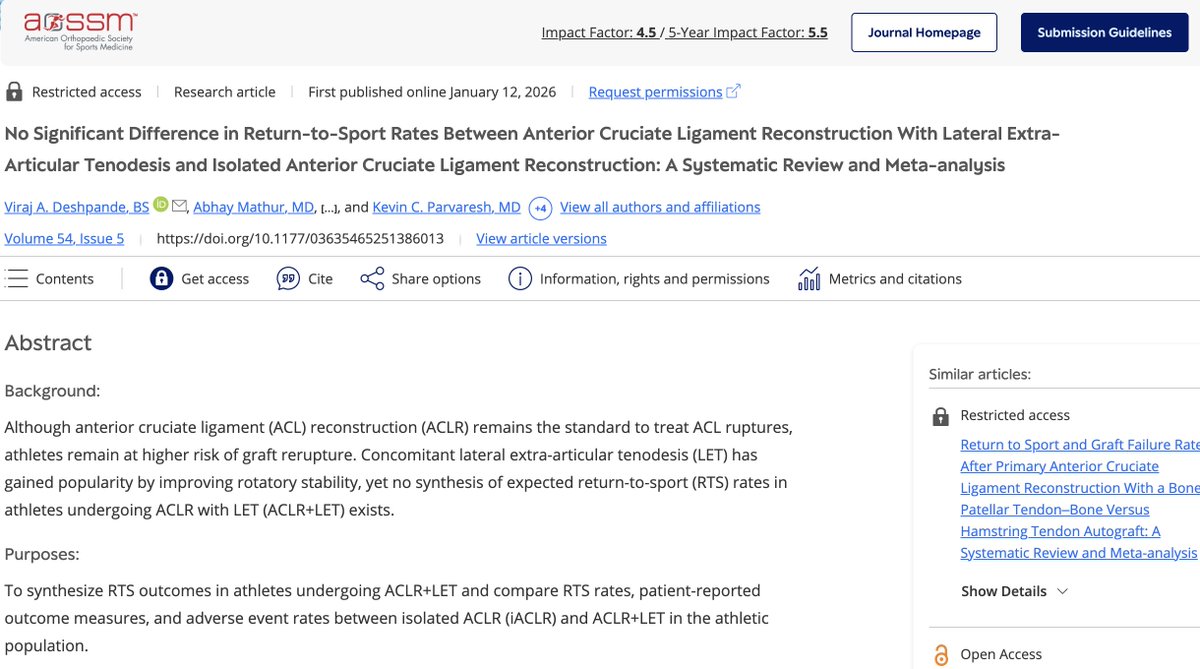
A recent study found no difference in return-to-sport rates between ACL reconstruction alone and Anterior Cruciate Ligament (ACL) + Lateral Extra-Articular Tenodesis (LET). https://t.co/N0jYPRZPY9 @aossmjournals#medtwitter
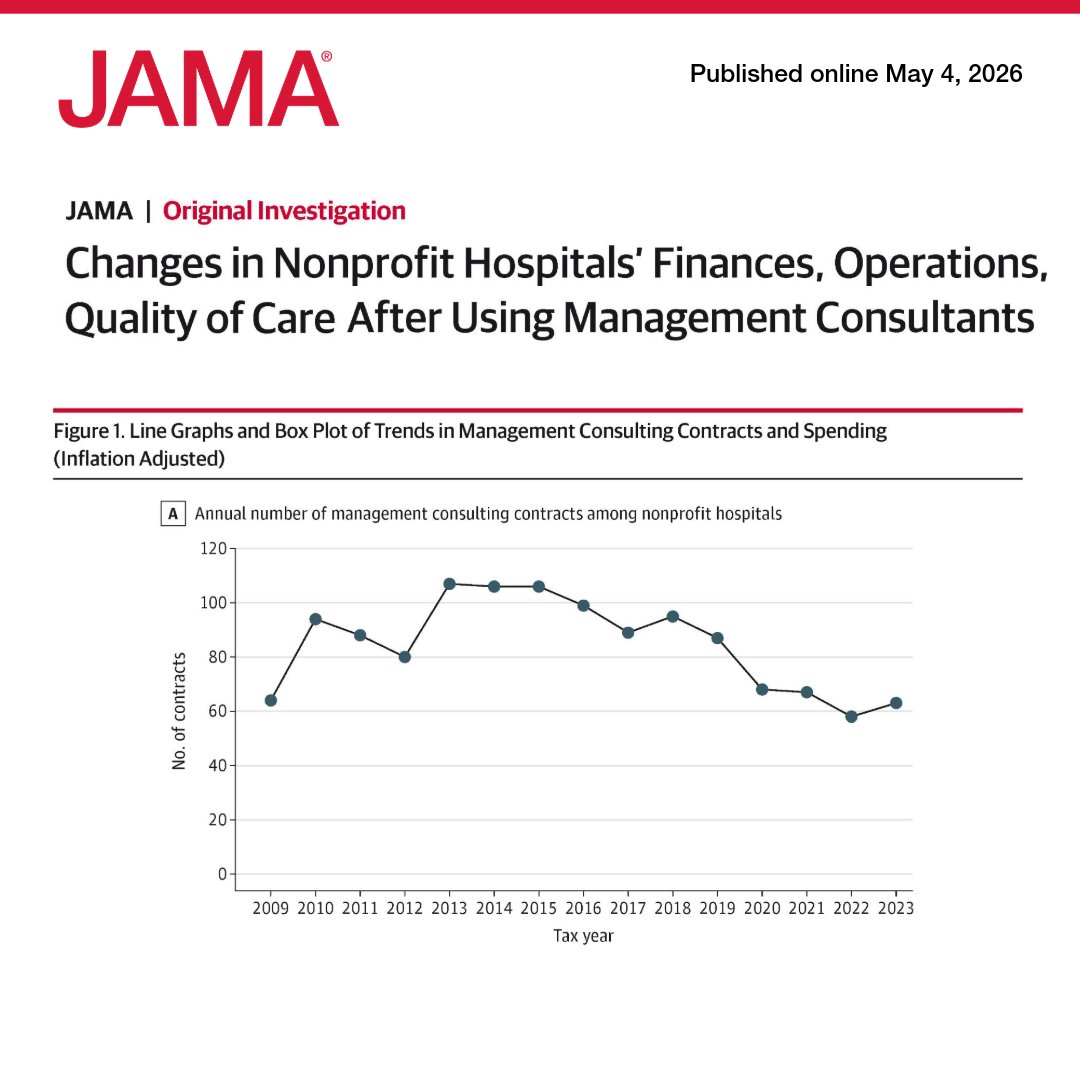
US nonprofit hospitals spent $7.8 billion on management consultants from 2009 to 2023, but contracts were not associated with meaningful changes in finance, operations, or quality of care. 🧵
https://t.co/QQswMYxrG8
Can we do better than static imaging post meniscus allograft?
This study proposes a standardized ultrasound protocol for real-time, load-based extrusion assessment in the office. https://t.co/AH3yEQ7Fyn @ArthroscopyJ#medtwitter