Imagine if every citizen protected public spaces the way she did.
A 𝟳𝟯-𝘆𝗲𝗮𝗿-𝗼𝗹𝗱 𝘄𝗼𝗺𝗮𝗻 from Kozhikode, Kerala, went viral after she stopped a scooter rider from 𝗺𝗶𝘀𝘂𝘀𝗶𝗻𝗴 𝗮 𝗳𝗼𝗼𝘁𝗽𝗮𝘁𝗵.
Despite resistance, she stood her ground, and the rider eventually turned back.
Her name is Prabhavathi.
She was 𝗹𝗮𝘁𝗲𝗿 𝗵𝗼𝗻𝗼𝘂𝗿𝗲𝗱 𝗯𝘆 𝗼𝗳𝗳𝗶𝗰𝗶𝗮𝗹𝘀 of the Motor Vehicles Department after the video sparked widespread discussion on pedestrian safety.
This is precisely what 𝗔𝗰𝗵𝗮𝗿𝘆𝗮 𝗣𝗿𝗮𝘀𝗵𝗮𝗻𝘁 repeatedly reminds us:
Real change does not begin in systems.
It begins in the individual.
He often says:
“If there is something wrong right now, 𝘀𝗲𝗲 𝘄𝗵𝗮𝘁 𝘆𝗼𝘂 𝗮𝗿𝗲 𝗱𝗼𝗶𝗻𝗴 𝗿𝗶𝗴𝗵𝘁 𝗻𝗼𝘄.
The power to respond, the power to choose, is always available.
Don’t give up your power.
Whatever the situation, even if it is very bad, 𝗮𝗹𝘄𝗮𝘆𝘀 𝗲𝘅𝗲𝗿𝗰𝗶𝘀𝗲 𝘆𝗼𝘂𝗿 𝗽𝗼𝘄𝗲𝗿 𝘁𝗼 𝗰𝗵𝗼𝗼𝘀𝗲.”
Societies change, and systems change, only when ordinary people stop cooperating with everyday wrong.
“Justice may be delayed, but it cannot be denied.”
This is what the 𝐂𝐡𝐡𝐚𝐭𝐭𝐢𝐬𝐠𝐚𝐫𝐡 𝐇𝐢𝐠𝐡 𝐂𝐨𝐮𝐫𝐭 said while acquitting a man who had spent nearly 40 years in jail for a 𝐜𝐫𝐢𝐦𝐞 𝐡𝐞 𝐧𝐞𝐯𝐞𝐫 𝐜𝐨𝐦𝐦𝐢𝐭𝐭𝐞𝐝.
His name was Jageshwar Prasad Awasthi,
a worker in the Madhya Pradesh State Transport Department.
His alleged crime?
Accepting a 𝐛𝐫𝐢𝐛𝐞 𝐨𝐟 ₹𝟏𝟎𝟎, a charge that could never be conclusively proven.
Yet, he spent decades moving in and out of prisons, courtrooms, and appeals.
Now place this beside another reality we see every day:
People accused of 𝐦𝐮𝐥𝐭𝐢-𝐜𝐫𝐨𝐫𝐞 𝐬𝐜𝐚𝐦𝐬 walk free on bail for years.
Some even continue to hold 𝐩𝐮𝐛𝐥𝐢𝐜 𝐨𝐟𝐟𝐢𝐜𝐞.
Their cases drag on endlessly, and often close without accountability.
This contradiction is not accidental.
It is 𝐬𝐭𝐫𝐮𝐜𝐭𝐮𝐫𝐚𝐥.
We express outrage when a case like this surfaces.
But we rarely ask a deeper question:
Why does justice move so differently for the 𝐩𝐨𝐰𝐞𝐫𝐥𝐞𝐬𝐬 𝐚𝐧𝐝 𝐭𝐡𝐞 𝐩𝐨𝐰𝐞𝐫𝐟𝐮l?
--------------------------
This is where 𝐀𝐜𝐡𝐚𝐫𝐲𝐚 𝐏𝐫𝐚𝐬𝐡𝐚𝐧𝐭 offers a deeper lens.
He often points out that injustice is not sustained merely by corrupt individuals,
but by an 𝐮𝐧𝐜𝐨𝐧𝐬𝐜𝐢𝐨𝐮𝐬 𝐬𝐨𝐜𝐢𝐞𝐭𝐲.
A society that lacks inner clarity cannot produce just institutions.
Because laws are enforced by people, and people act according to their primitive 𝐜𝐨𝐧𝐝𝐢𝐭𝐢𝐨𝐧𝐢𝐧𝐠 rooted in 𝐠𝐫𝐞𝐞𝐝 𝐚𝐧𝐝 𝐟𝐞𝐚𝐫.
This is why awakening the individual first is so important.
Otherwise, injustice will keep repeating itself.
Sometimes loudly.
Often silently.
“You can’t just Make in India by using science done elsewhere.
If you truly want to rise, you must first discover, then invent, and only then make.”
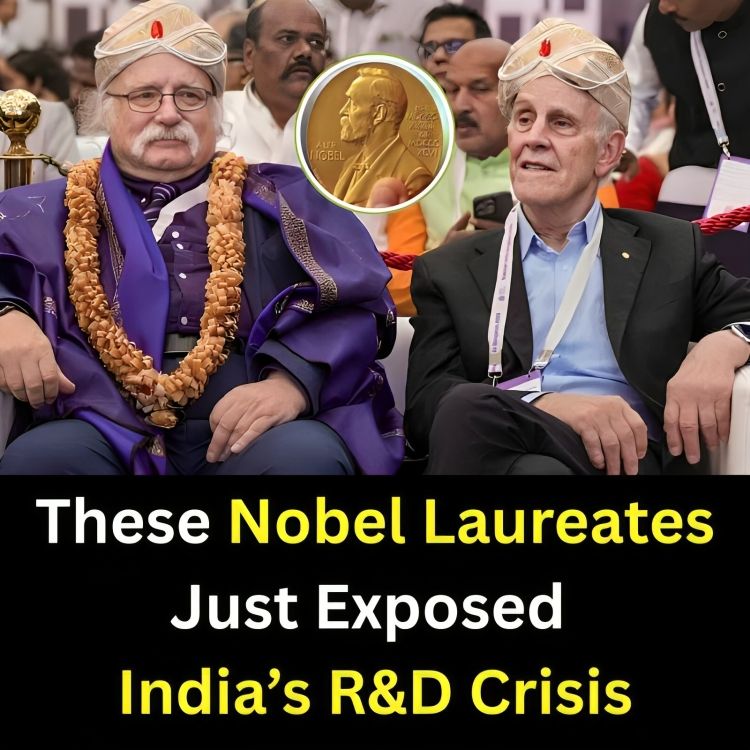
This was the message David Gross, a 𝗡𝗼𝗯𝗲𝗹 𝗣𝗿𝗶𝘇𝗲–𝘄𝗶𝗻𝗻𝗶𝗻𝗴 𝗽𝗵𝘆𝘀𝗶��𝗶𝘀𝘁, delivered to India during an event in Bengaluru.
And this wasn’t an 𝗼𝘂𝘁𝘀𝗶𝗱𝗲𝗿’𝘀 𝗰𝗿𝗶𝘁𝗶𝗾𝘂𝗲.
Gross played a key role in establishing one of 𝗜𝗻𝗱𝗶𝗮’𝘀 𝗽𝗿𝗲𝗺𝗶𝗲𝗿 𝗿𝗲𝘀𝗲𝗮𝗿𝗰𝗵 𝗶𝗻𝘀𝘁𝗶𝘁𝘂𝘁𝗶𝗼𝗻𝘀, the International Centre for Theoretical Sciences (ICTS), Bengaluru.
He understands India’s scientific ecosystem from the inside.
According to him, India has immense talent.
In fact, he noted that 𝘀𝗼𝗺𝗲 𝗼𝗳 𝗵𝗶𝘀 𝗯𝗲𝘀𝘁 𝗰𝗼𝗹𝗹𝗲𝗮𝗴𝘂𝗲𝘀 𝗶𝗻 𝘁𝗵𝗲 𝗨𝗻𝗶𝘁𝗲𝗱 𝗦𝘁𝗮𝘁𝗲𝘀 𝗮𝗿𝗲 𝗜𝗻𝗱𝗶𝗮𝗻 𝘀𝘁𝘂𝗱𝗲𝗻𝘁𝘀 and faculty.
And yet, despite this vast talent pool, India is falling further behind in global scientific progress.
One major reason is India's low investment in R&D
--------------------------
For years, Acharya Prashant has been reminding us of what many global voices are only beginning to echo today.
And the problem is not just funding.
The deeper crisis is the 𝗮𝗯𝘀𝗲𝗻𝗰𝗲 𝗼𝗳 𝗮 𝗰𝘂𝗹𝘁𝘂𝗿𝗲 that genuinely 𝗻𝘂𝗿𝘁𝘂𝗿𝗲𝘀 𝘀𝗰𝗶𝗲𝗻𝘁𝗶𝗳𝗶𝗰 𝘁𝗲𝗺𝗽𝗲𝗿.
Instead of encouraging inquiry, reasoning, and critical thinking in our homes and schools, we are witnessing a growing 𝗿𝗶𝘀𝗲 𝗶𝗻 𝘀𝘂𝗽𝗲𝗿𝘀𝘁𝗶𝘁𝗶𝗼𝗻, 𝗽𝘀𝗲𝘂𝗱𝗼𝘀𝗰𝗶𝗲𝗻𝗰𝗲, 𝗮𝗻𝗱 𝗯𝗹𝗶𝗻𝗱 𝗯𝗲𝗹𝗶𝗲𝗳 𝘀𝘆𝘀𝘁𝗲𝗺𝘀.
This very mindset once kept India subjugated under foreign rule.
If we want to change the picture, we must invest in building a culture where science, research, rationality, and above all, real wisdom can flourish.
Otherwise, India risks remaining merely a 𝘀𝘂𝗽𝗽𝗹𝗶𝗲𝗿 𝗼𝗳 𝗰𝗵𝗲𝗮𝗽 𝗹𝗮𝗯𝗼𝘂𝗿 and a consumer market for others, never a true leader in knowledge.