Zemřel kardinál Dominik Duka. Biskup, člověk, který žil své povolání s vášní. Mohl jsem po jeho boku sloužit čtyři roky jako generální sekretář ČBK. Dnes ráno jsem měl za něho mši svatou. Ať odpočívá v pokoji!
Con dolor nos enteramos esta mañana de la triste noticia de la repentina e inesperada muerte de D. José Antonio Álvarez, obispo auxiliar de #Madrid . Desde la @ComeceEu, al comienzo de su Asamblea Plenaria de otoño, nos unimos a la oración de su Iglesia diocesana. ¡Que descanse en paz este humilde y fiel servidor de la viña del Señor!
Můj komentář k listu biskupů před volbami, k programu jednoho politického hnutí, které deklaruje, že bude usilovat o omezení náboženské svobody a práv církví. Svou zemi mám rád a chci pro ni dobro. Pojďme k volbám, je to na nás…
https://t.co/wWAypazx7s
Heute vor 30 Jahren habe ich das Amt des Erzbischofs von Wien übernommen. Es war damals und ist auch heute das Fest der Kreuzerhöhung. Ich habe also damals meinen Dienst unter den Zeichen des Kreuzes begonnen. War das etwas Schlimmes oder etwas Ermutigendes? Wie kann man etwas so Schreckliches wie das Kreuz eigens mit einem Fest feiern? Andererseits ist das Kreuz, wenn es für den riesigen Bereich menschlichen Leidens steht, der Ausdruck und das Zeichen für eine Wirklichkeit sein, die weithin unser Leben bestimmt: die Allgegenwart des Leids! Hat das Christentum mit dem Kreuz, mit seiner Allgegenwart, das Leiden gar verherrlicht?
Heute, an diesem für mich auch persönlich berührenden Jahrestag, versuche ich, ein wenig über die zwiespältige Gefühle gegenüber dem Thema Kreuz nachzudenken. In den ersten drei Jahrhunderten des Christentums war es klar, dass das Kreuz ein grausames Marterwerkzeug war, an dem nicht nur Jesus, sondern auch viele seiner Anhänger qualvoll gestorben sind. Trotzdem wuchs die Zahl der Christen unaufhörlich. Das veranlasst schließlich Kaiser Konstantin, dem Christentum im römischen Reich die Tore weit zu öffnen. Seinen militärischen Sieg über seinen Rivalen schrieb er dem Kreuz zu: „In diesem Zeichen wirst du siegen!“ sagte ihm eine himmlische Vision. Seither wurden viele Kriege unter dem12. und 13. Jahrhunderts waren der Versuch, die Geburtsstätte des Christentums, das Heilige Land, zurückzuerobern. So wundert es nicht, dass im Islam das Kreuz von vielen abgelehnt wird. Es erinnert zu sehr an die Kreuzfahrer. Umgekehrt wurde für viele Christen das Kreuz zum Zeichen des Widerstands gegen die islamischen Eroberungen. All das spielt bis in die Gegenwart eine Rolle. Doch sollten wir alle, Gegner und Freunde des Kreuzes, uns nicht von den Fesseln der Vergangenheit daran hindern lassen, einander neu und frei zu begegnen.
Dazu empfehle ich einen frischen Zugang. Am 15. September, morgen, feiert die Kirche das Gedächtnis der Schmerzen Marias. Wir erinnern uns an das Leid, dass Maria mit ihrem Sohn Jesus erlitten hat. „Bei dem Kreuz Jesus stand seine Mutter“, zusammen mit anderen Frauen so berichtet als Augenzeuge der Apostel Johannes. Sie haben Stand gehalten, ausgeharrt, mit Jesus mitgelitten. Zu den ergreifendsten Momenten gehört, dass Jesus vom Kreuz aus seine Mutter dem Johannes anvertraut hat und Johannes ihr als ihren Sohn.
Es gibt zwei Arten, das Kreuz zu sehen: als Zeichen des Kampfes oder als Zeichen des Mitleidens. Für Jesus war es das zweite. Die Worte des heutigen Evangeliums sehe ich als den tiefsten Grund, warum das Kreuz eine so große Kraft des Trostes haben kann: „Gott hat die Welt so sehr geliebt dass er seinen einzigen Sohn hin gab, damit jeder der an ihn glaubt, nicht verloren geht, sondern ewiges Leben hat“. Es gibt kein Leben ohne Leid und Tod, also ohne Kreuz, das Zeichen für Leid und Tod. Es gibt aber viel Leid, das verdrängt, verleugnet, verharmlost, übersehen, übergangen wird. All das macht das Leid noch viel schwerer. Einer der das Leid nicht verdrängt hat, war Henry Dunant (1828 - 1910). Es hat mich schon in meiner Schulzeit fasziniert. Er sah die schrecklichen Zustände der Verwundeten in der Schlacht von Solferino 1859. Das ließ ihn nicht ruhen. Auf ihn geht die Gründung des roten Kreuzes zurück. So ist das Kreuz Jesu richtig verstanden! In der islamischen Welt wurde daraus der rote Halbmond. Beiden geht es gemeinsam um den guten Kampf gegen das Leid. Er verbindet über alle alten Feindschaften hinweg.
Rád se i takto osobně připojuji k našemu společnému blahopřání papeži Lvu XIV. k dnešním 70. narozeninám. Hodně Božího požehnání.🙏 Ad multos annos.💐 Živijó!🥂
https://t.co/NSEwJuvVue
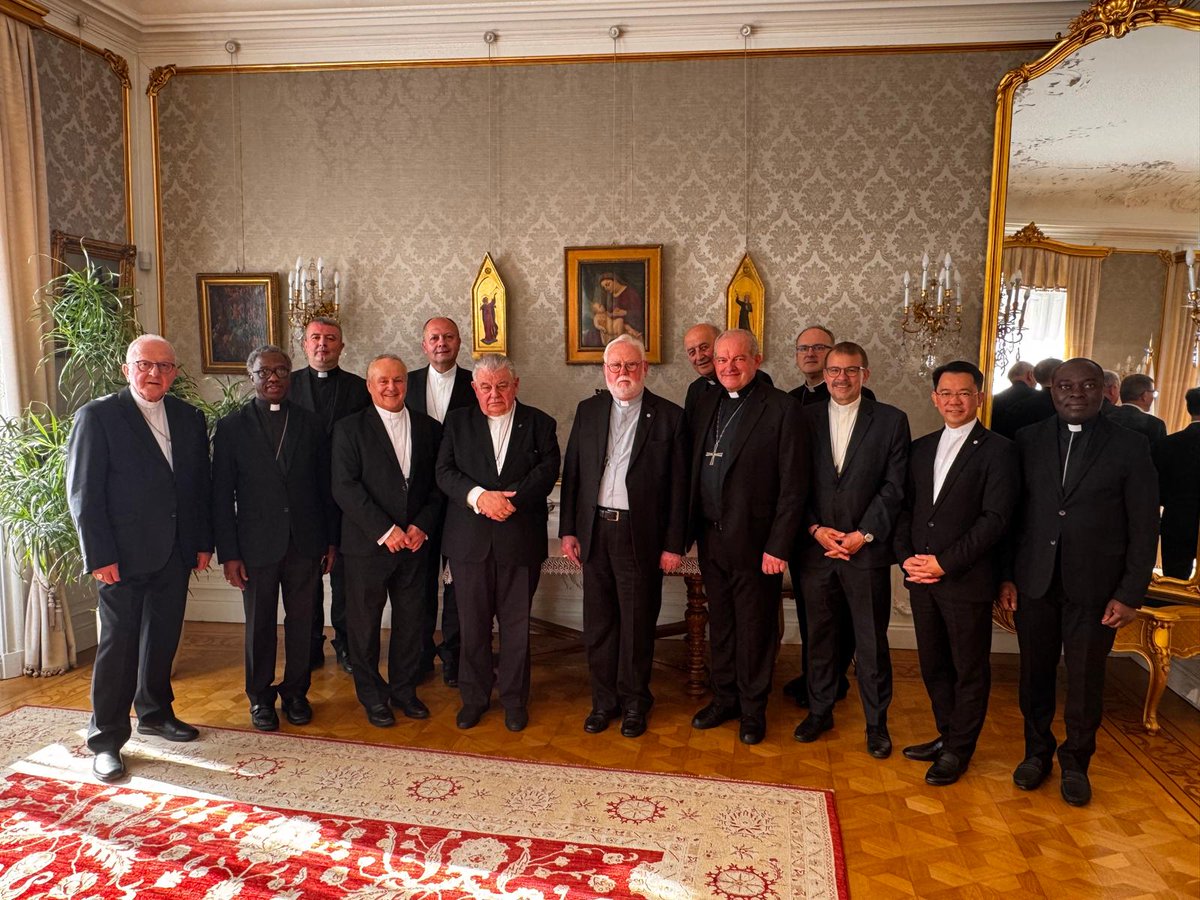
S.E. Mons. Gallagher ha incontrato i Vescovi della Repubblica Ceca in occasione di una cena presso la Nunziatura Apostolica a Praga, durante la quale sono stati condivisi momenti di preghiera e riflessioni sul servizio ecclesiale, nella comune gioia dell’annuncio del Vangelo.
Next week, I will have the honor of delivering a speech on the communication of Pope Francis and Pope Leo at the summit of spokespersons of the Council of Bishops' Conferences of Europe, in Prague. https://t.co/jO8oGAp03b
KOHO CHRÁNÍ ZPOVĚDNÍ TAJEMSTVÍ?
S dost velkým zděšením sledují, jak se v části politického spektra v posledních dnech kvůli zpovědnímu tajemství rozhicovávají ty nejstereotypnější proticírkevní nálady a předsudky. Z toho "rudo-hnědého" koutu to člověk i čeká, od těch, co se mají za liberální demokraty to překvapuje víc.
Pojďme si tedy říci jednu zásadní věc - koho zpovědní tajemství chrání? Není to v první řadě ani církev jako instituce, ani nenažraní preláti a ani ten farář co sedí ve zpovědnici. Chrání v první řadě věřící, kteří se ve složitých životních situacích chtějí radit se svým duchovním.
Opravdu bych se nechtěl dožít toho, aby finanční kriminálka mohla vyslýchat kněze, jestli mu náhodou farník neřekl něco o svém podnikání, nebo aby se ty nejintimnější a nejosobnější věci, svěřené ve zpovědi Bohu, mohly propírat třeba při rozvodovém řízení.
Představa, že před zpovědnicemi stojí zástupy vrahů a pedofilů, kteří tam jdou konzultovat své příští zločiny, je absurdní smyšlenka. To reálné riziko zpochybnění zpovědního tajemství je v tom, co píšu výše. A upřímně, když vidím to množství jedu, který někteří zákonodárci na adresu církví vypouštějí, tak mi podobný scénář šikany věřících nepřijde nereálný.
Proto jsem pevně přesvědčen, že ochrana zpovědního tajemství je zásadní pro svobodu vyznání.
@PetrJanVins Díky, @PetrJanVins . Já zpovídám léta, ale nikdy jsem nezažil, že by někdo přišel s úmyslem něco ve zpovědi sešvindlovat. Spíš lidé přicházejí s úlevou na místo, kde vědí, že to, co svěří Bohu skrze člověka - duchovního, opravdu zůstane diskrétní. A to je jediný smysl toho všeho.
Modlím se za oběti a zraněné při požáru restaurace U Kojota v Mostě. 🙏🏻 Zemřelým ať dá Pán věčné odpočinutí, zranění ať se brzy uzdraví. Jsem také vděčný všem záchranářům za jejich nasazení.
Friends, after the synod concluded, I traveled to Prague, where I’d been invited to speak to students at Charles University. The city and the reception were astounding. This was my first time in Prague, and while I’ve been all over the world, it is one of the most beautiful cities I’ve ever seen. More to come.
In my brief homily, I reminded everyone of how important it is to speak of God. Prague is beautiful, a city enriched by the Catholic faith and tradition. It’s not an accident that when cultures stop speaking of God, they stop producing beautiful things. Let us speak of God, in season and out of season!
Friends, while visiting Prague, I had the extraordinary privilege of celebrating Mass at the Basilica of the Assumption of the Virgin Mary in the Strahov district. Assisting in the Mass were P. Radek Tichý, Rector of the Archdiocesan Seminary in Prague, and a group of seminarians.
Friends, Brother Ambrož guided us on a tour of the remarkable Strahov Library in Prague. The building itself is many centuries old, and the collection dates back further still. The Czech are a people with a keen sense of the reality of God, and they built their city accordingly, glorifying him through their works.
Friends, situated within the iconic Prague Castle is the beautiful St. Vitus Cathedral. With its soaring buttresses, the cathedral is a prominent feature of the Prague skyline.
We celebrated Mass at the Chapel of St. Wenceslas, a jewel of the cathedral. The relics of St. Wenceslas are in the chapel. This beloved Czech saint was a nobleman who sought to put God first and protect his country from the anti-Catholic fervor of his mother and brother.
And within the main sanctuary, I was pleasantly surprised to once again encounter St. John Nepomucene, this time at his tomb. I thought his body had been lost, and I was delighted to have a moment to pray there.
Since the time of the Apostles, the Church has been persecuted. May we always remember the brave men and women—noble and common, rich and poor—who have stood by Christ’s side and defended his Church, even at the cost of their lives. The example of these saints should console and hearten us.
St. Wenceslas, St. John Nepomucene, and St. Vitus, pray for us!
Prosím, pamatujme na všechny, kdo nejsou v suchu, na ty, které voda ohrožuje nebo dokonce vyplavila. Připojte se ke mně nejen v modlitbě, ale také s konkrétní pomocí.
https://t.co/y4nxZ44L2X