A wee bit south and very much above the Ridgecrest EQs area (base of the distant range at the top of the image) en route to Golden, CO, where more EQ science abounds!
Finally, a chance for the Garlock to bask in the sun of Twitter celebrity. A weirdo left-lateral fault living in a right-lateral world. Show some respect for the most persistent biddie around.
The time has come for the final poll in #USFaultCup22 – Garlock (CA) vs. Seattle (WA). Two underdogs have clawed their way to the finals thanks to your voting. Now, only one can win. Voting will be open through the weekend -- keep the stories, photos, and trash talk coming!
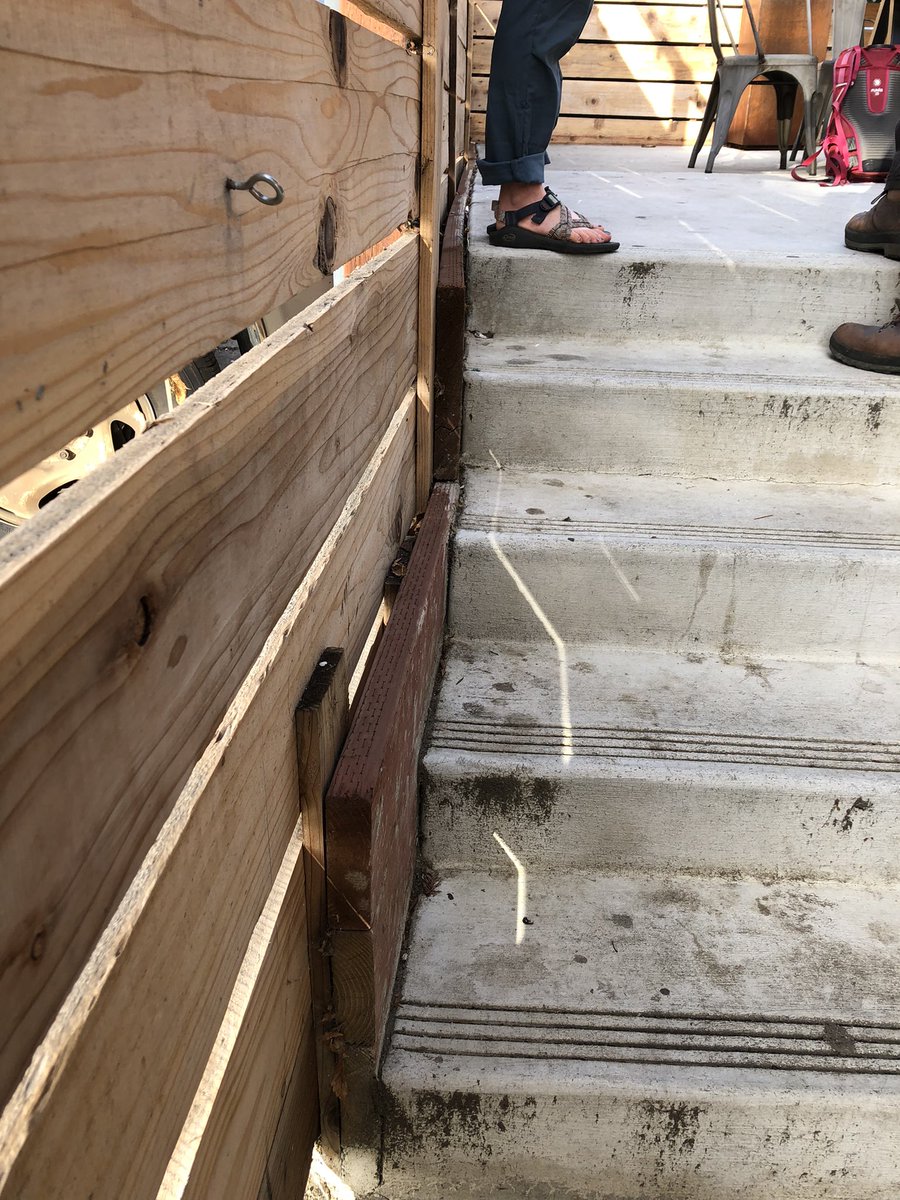
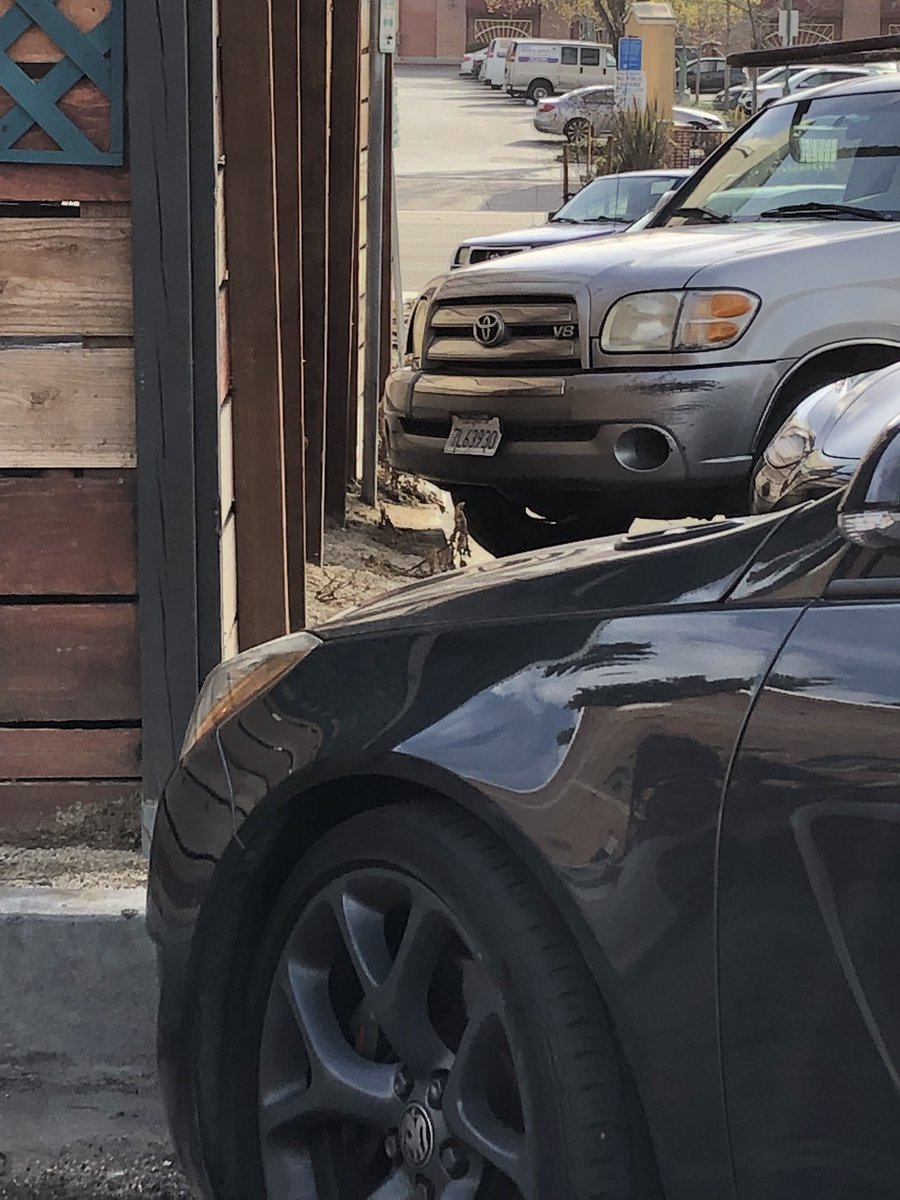
Among many highlights of field work, enjoying a post walkabout beer with @TTremblingEarth, @PrushVeronica, and @nadinegrr on the actively creeping Hayward fault ranks rather high (boo to the truck parked on top of the Hayward and offset curb)
Teton fault was the second active fault I saw IRL, after seeing nearby Hebgen Lake 1959 scarps, all at field camp. I’ve see a few more faults since then, but Teton remains a special beast to me!
Now, the Teton fault:
-~60 km normal fault in northwest Wyoming
-No historical earthquakes
-The fault cuts across ski slopes and was trenched by USGS scientists
-Details of fault geometry recently revealed by lidar
-Likes: apres on the deck; dislikes: skiing in jeans
@Earthquake_Dude@USGS_Quakes Yes! That’s me, cheesing while walking out the Monte Cristo rupture…on the Candelaria fault! @Earthquake_Dude — are you keeping the LL trend alive in Fault Cup voting?
And the Candelaria Hills fault:
-~30 km (19 mi) long left-lateral fault
-Located 60 km (37 mi) west of Tonopah
-Partially ruptured in 2020 Monte Cristo EQ
-Joins the Garlock in a left-lateral rebellion against a predominantly right-lateral Pacific-North American plate boundary
Welcome to the first ever #FaultCup! Starting next week, you will have the opportunity to provide your own color commentary on different tectonic players across the country as you vote for your favorite U.S. fault throughout March.
Faults move, turns out! Fault evolution leads to long term variability in geologic slip rates. Check out this sweet video below, and the paper from @HannaElston and @geomechCooke
Should we expect site slip rates around restraining bends to remain constant over the 10-100k time scales? Probably not 'cause site migrate and fault systems evolve! Check out this #Geology paper with @HannaElston and @pride_of_lowell https://t.co/a4k60c9HVx
Turns out the growth and death of one fault can impact slip rates along nearby faults in surprising ways. Want some evidence? Check out the new paper on slip rate variations along restraining bends in #Geology@geosociety#analogModels https://t.co/7VnkadcXz8
We are hiring! USGS is looking for a geophysicist to join the National Seismic Hazard Model Project team. This position is well suited for a recent college grad or higher degree in geophysics or a related field. See more on the job posting: https://t.co/vLkC1iiSzW
🚨new paper alert🚨
we know surface slip on strike-slip faults is variable, but how variable and why? @KarlMue49755745@geomorphtucker & I dive in at https://t.co/qNJVZyW1kz 🧵(1/7)
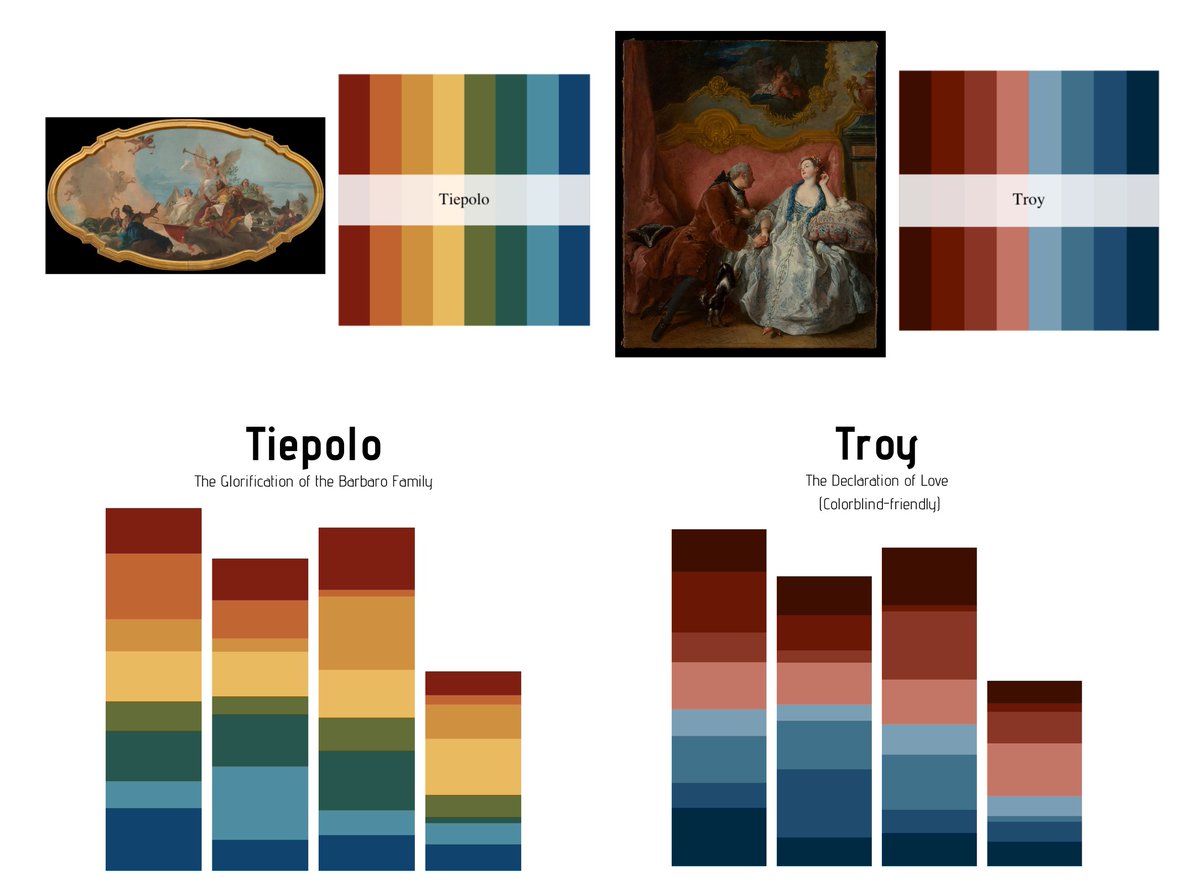
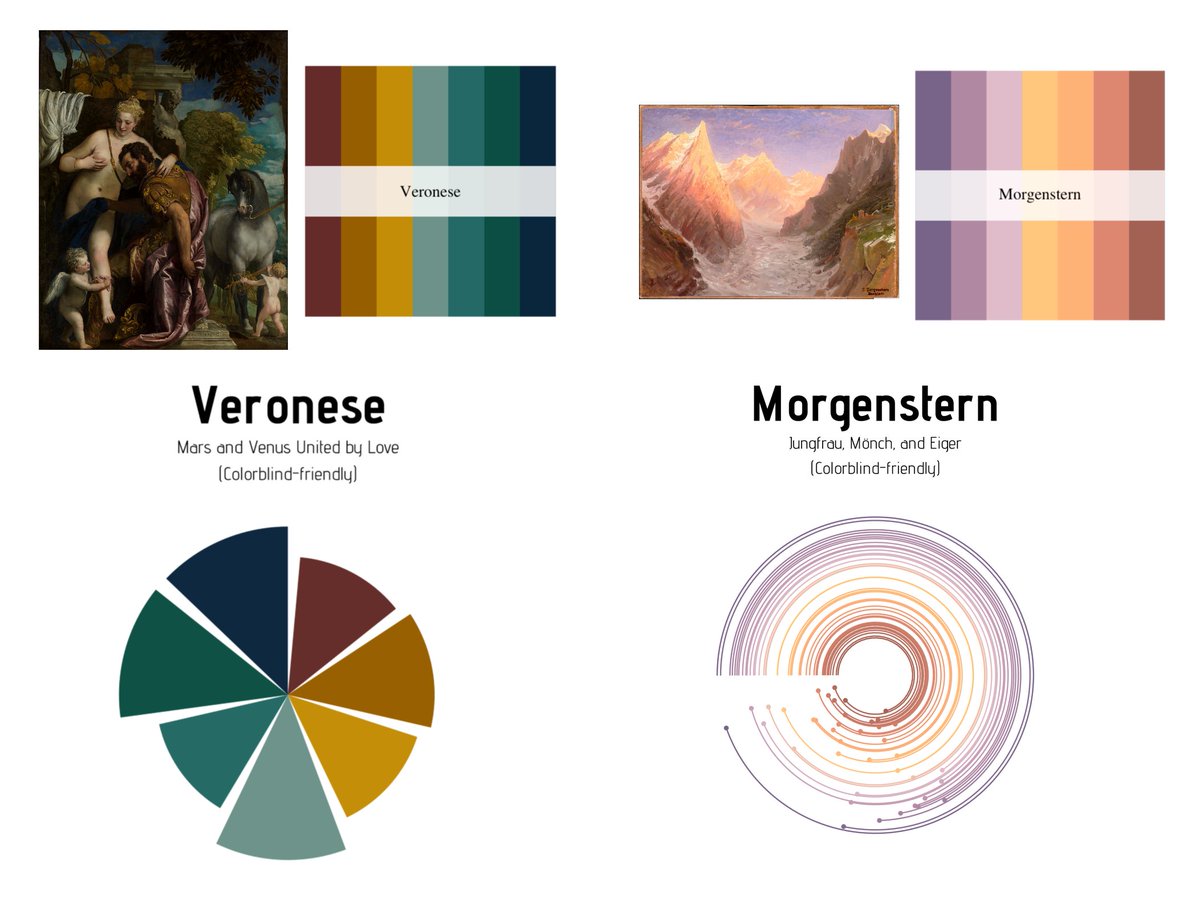
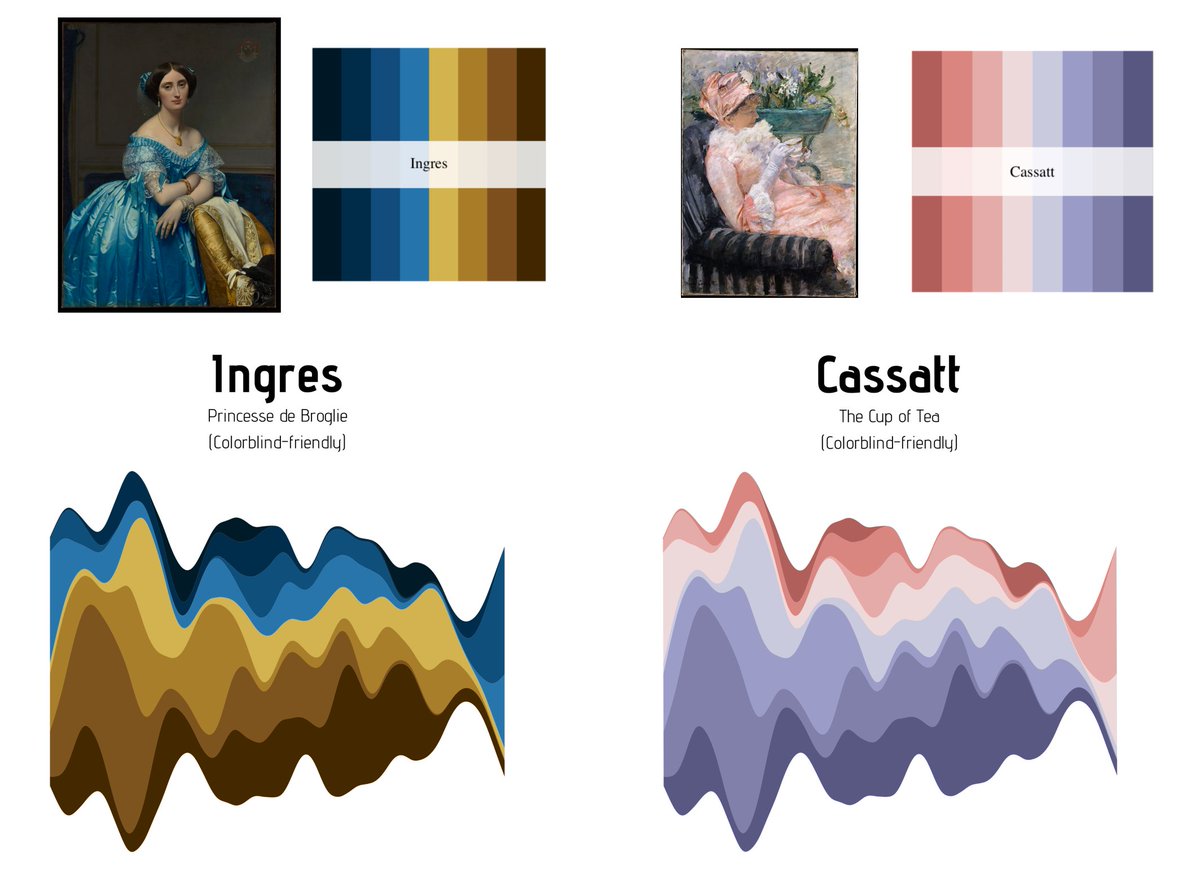
You asked and I answered. {MetBrewer} now specifies which palettes are colorblind-friendly. Will be expanding to add more colorblind-friendly palettes too! Colorblind schemes listed as so
Download Instruction and Palettes here: https://t.co/Imk2UzfJiz
#r4ds#dataviz#rstats