$3,400 for 810 lbs of hanging weight comes out to roughly $4.20/lb. But after trimming/wrapping, retail cuts of meat add up to less than half of that weight, or $9/lb.
Utilizing fat and bones significantly increases the total value you can capture as a customer.
Buy in bulk.
We try hard to provide a healthy, sustainable, and affordable product to customers. A commercial slaughter calf weighing 1,300 lbs is worth $2,400 today. That calf will hang at 810 lbs on the rail. Processing fees are about $1000 so before that animal is delivered there is already $3,400 in cost not including hauling to the plant and time. I speak for all ranchers on here in that we don’t do this for money because the return on investment is terrible. We are all just passionate about ranching and the lifestyle it brings.
This debate continues to make the rounds, and sadly continues to be riddled with biased misrepresentations. Some basic thoughts that offer important context and negate the binary choice:
- grass fed/finish doesn't mean better husbandry
- grain finish doesn't mean worse health
🌽Grain vs. 🌱grass - why the focus of this fierce debate has been wrong all along, and what you can do to ensure you are sourcing good quality beef.
The latest Primal Cut Sheet article is now live on Substack, here's a summarized thread: 🧵
"It is entirely appropriate for [cattle and sheep] to be fattened on grain during their last few weeks. Such practices imitate natural processes, as ruminant animals get fat on seeds and grains in the natural habitat during summer and fall." 1/2
This year I started Primal Cut Sheet, sharing actionable information to help anyone understand how (and why) to buy beef in bulk.
I am confident that this work will help deepen the relationships between individuals and the food producers in their area.
https://t.co/qFGFyRyhgJ
@CarnivoreFriend Nooooo kidding. I highly recommend https://t.co/BLC4Iuq6MM to learn how to source healthy beef at a reasonable price by going direct and buying in bulk. @primalcutsheet.
Last week @jevidon gave a talk about buying beef in bulk at @bitblockboom 2023 in Austin. Topics covered included not only the parallels between securing bitcoin and freezer beef, but actionable information on how to get started.
Watch the full talk here: https://t.co/JvV88tRivJ
@KrissBergTweets@MikeJinID In the linked article, I offer some details on the three main weight measurements that are used in processing beef: https://t.co/ZjxHMD8R76
There are a lot of health benefits to cooking at home, but the most powerful is that it gives you full control over the inputs you use.
Only by cooking at home do you get to set your own standards for sourcing.
- real, high-quality oils (no seed oils)
- grass fed and finished, ethical meats
- local, seasonal produce
- pasture-raised eggs
- heirloom grains
Restaurants are tough businesses, and they're working with super low margins. Which unfortunately means quality sometimes falls by the wayside.
When you cook at home, you regain 100% control over everything that you and your loved ones eat.
This is a very powerful thing, and a huge lever in the world of health.
It's one of many great reasons to learn to cook at home. And one of the main reasons I created my course on home cooking.
Among other things we cover where and how to source your food, the best cookware to use, pantry essentials, and of course how to turn these inputs into incredible meals at home.
We cover the fundamentals, so that you can learn to cook at home confidently without recipes.
Cohort #2 is happening this October, and I'd love for you to join if this sounds interesting to you. Enrollment kicks off soon— sign up here if you want to get updates!
https://t.co/6OFydZTUBU
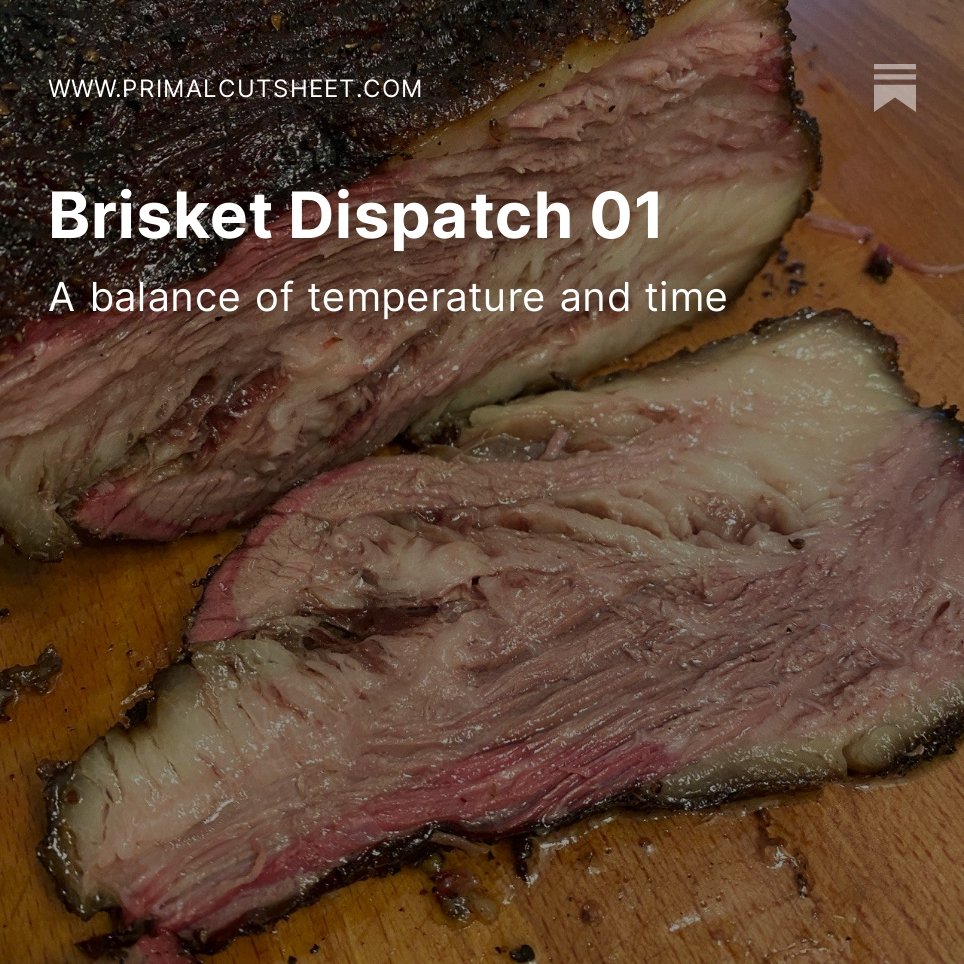
The August 2023 Primal Cut Sheet is live, talking through some of the latest methods and approaches I am using to make competition-grade brisket at home without breaking a sweat. https://t.co/XeHprU73Xr
“We've made our food supply brittle,” says @RepThomasMassie.
In this video, we’ll show you how federal meat inspections help cause shortages…
spread disease…
and even led to farmers killing their own animals.
Grain feeding is an ancient practice that ensures that red meat contains ample amounts of fat. It should, however, be carried out in healthy, uncrowded conditions. 2/2
~ @sfallonmorell in Nourishing Traditions
"It is entirely appropriate for [cattle and sheep] to be fattened on grain during their last few weeks. Such practices imitate natural processes, as ruminant animals get fat on seeds and grains in the natural habitat during summer and fall." 1/2
People have become accustomed to our commercial food systems just working, but they are in fact a web of fragile chain links.
If this supply of livestock supplement were to be interrupted, how would that impact the sourcing of meat to feed your family?
https://t.co/znz6k0qLZj
The US only keeps 90-120 days worth of commercial scale feed-grade vitamins for livestock on hand at any given time, while producing none of it domestically, it all comes from China. @maphumanintent has the numbers on what happens if China cuts the US off.
One of the benefits of buying beef in bulk is getting a big supply of bones which you can use to make beef stock.
What other questions would you have about buying in bulk?





![primalcutsheet's tweet photo. "It is entirely appropriate for [cattle and sheep] to be fattened on grain during their last few weeks. Such practices imitate natural processes, as ruminant animals get fat on seeds and grains in the natural habitat during summer and fall." 1/2 https://t.co/SG2DPe6SK5](https://pbs.twimg.com/media/F0hFNlSX0AAb3cO.jpg)