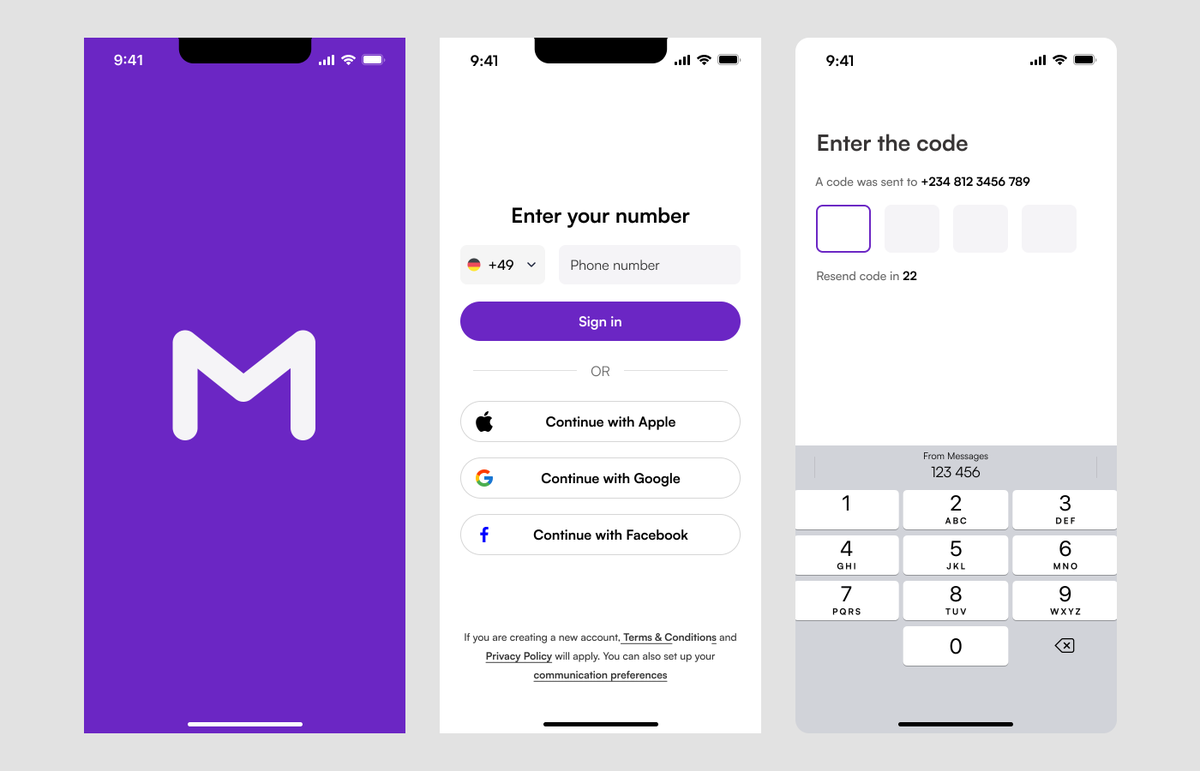
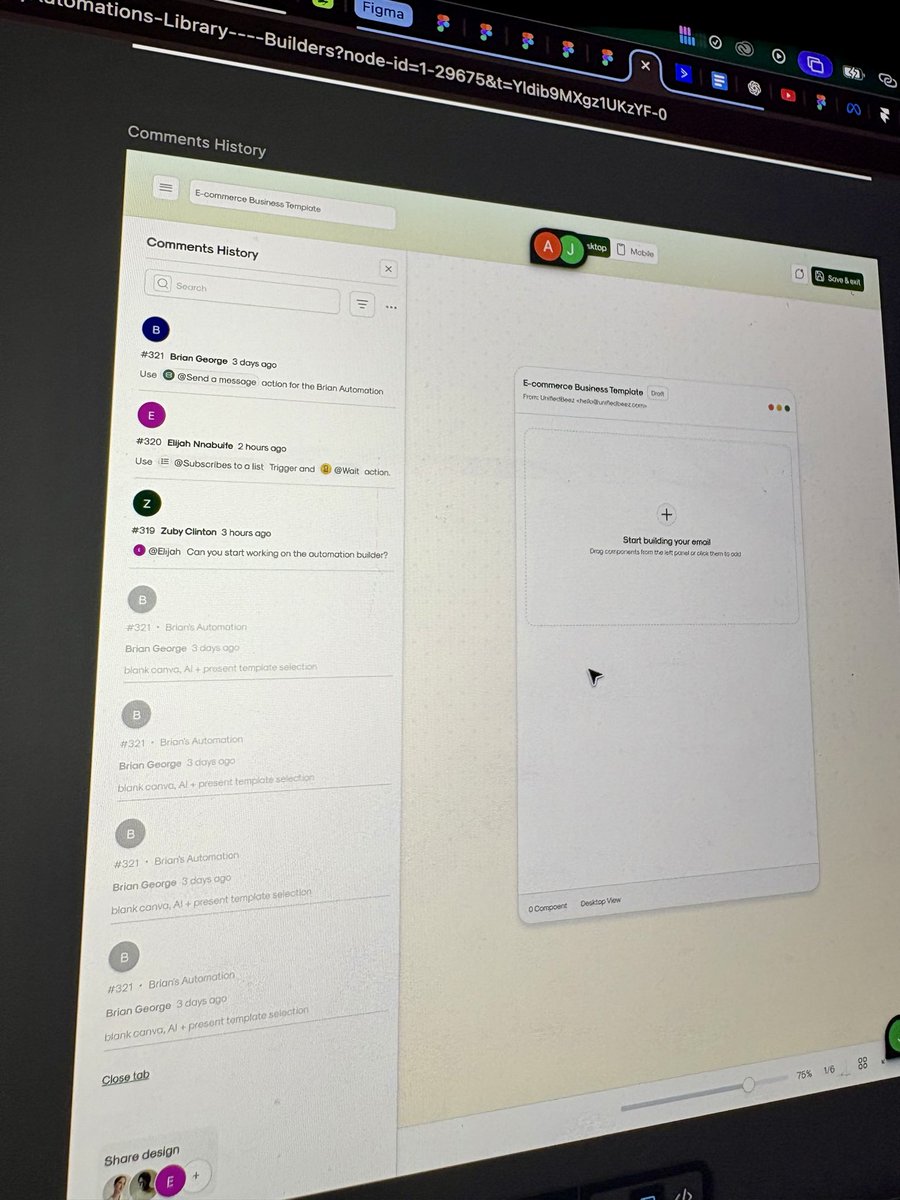
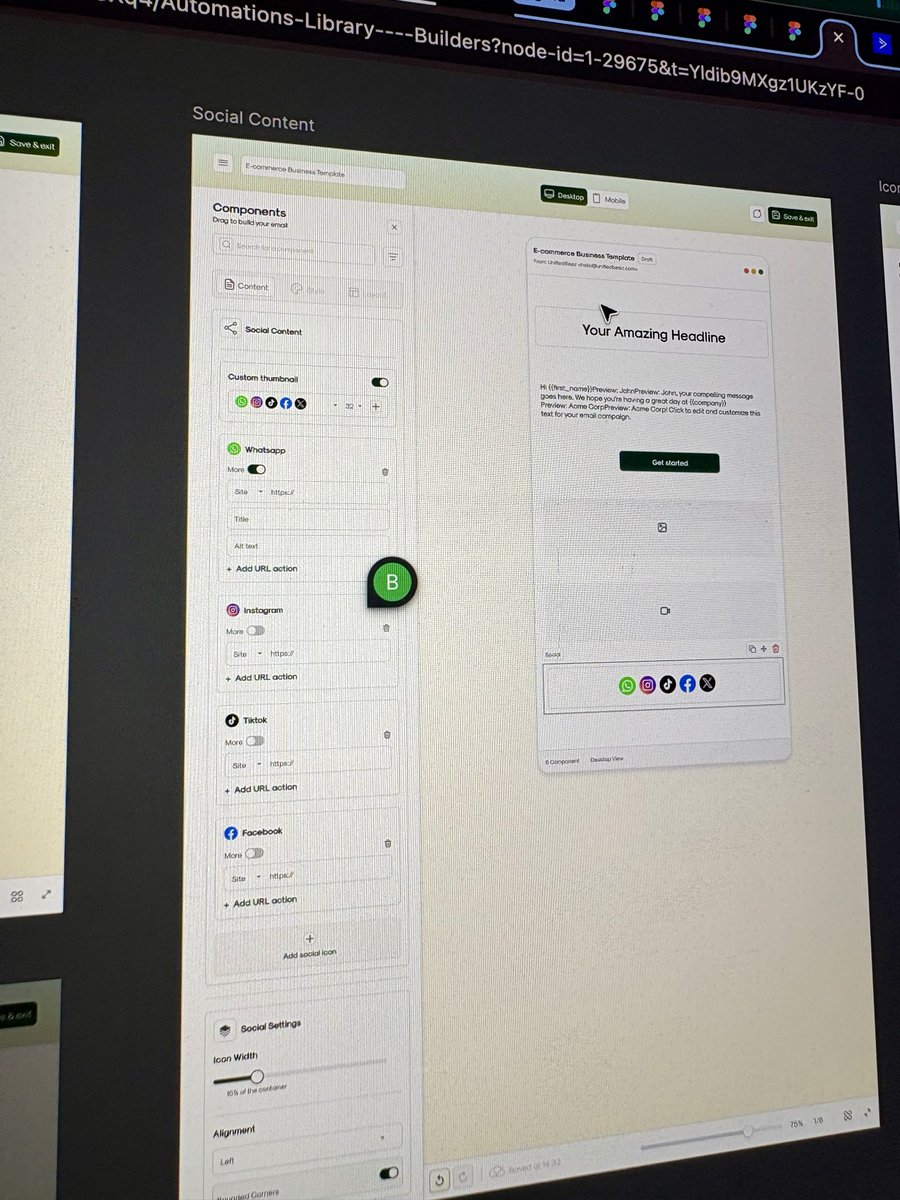
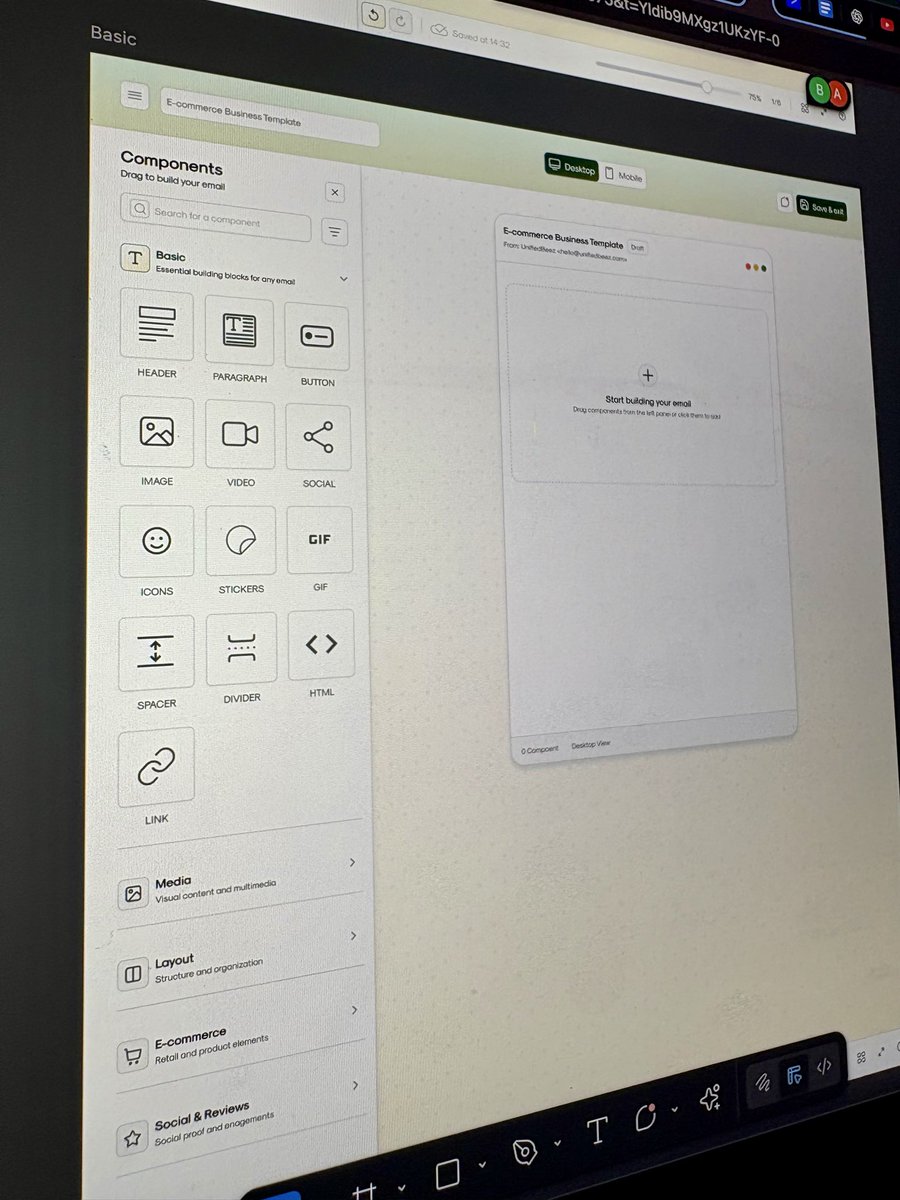
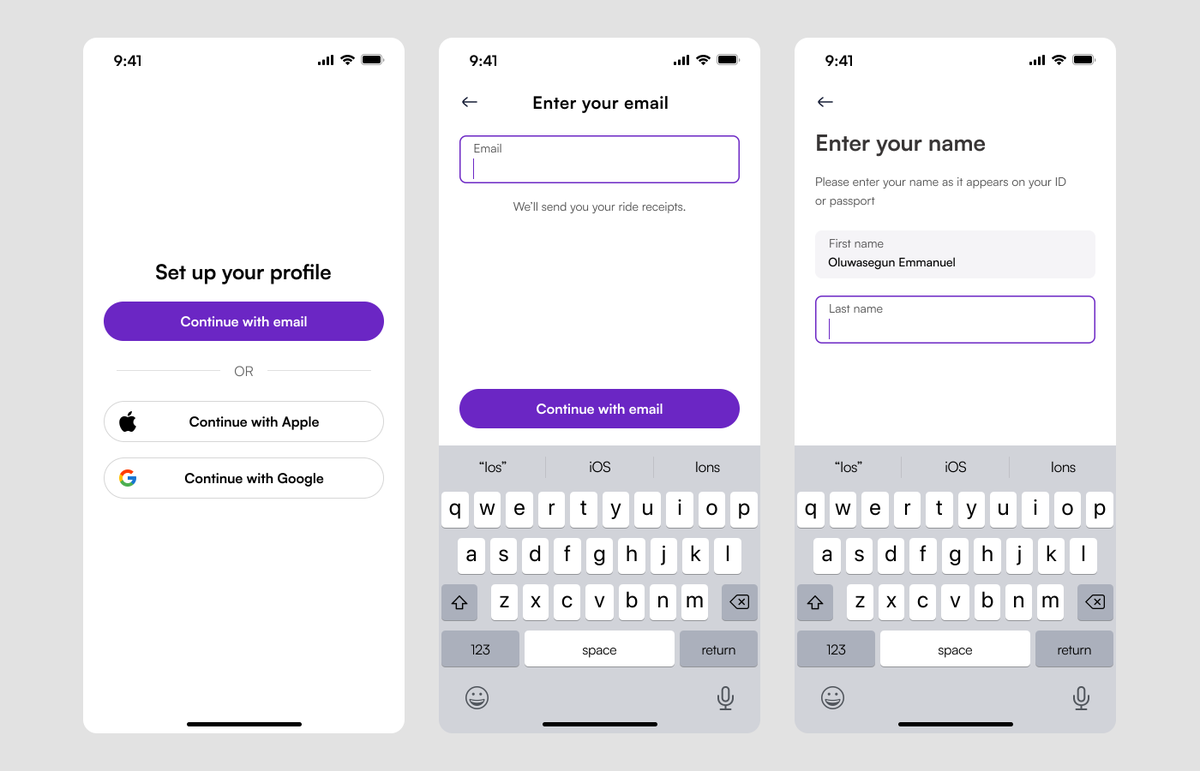
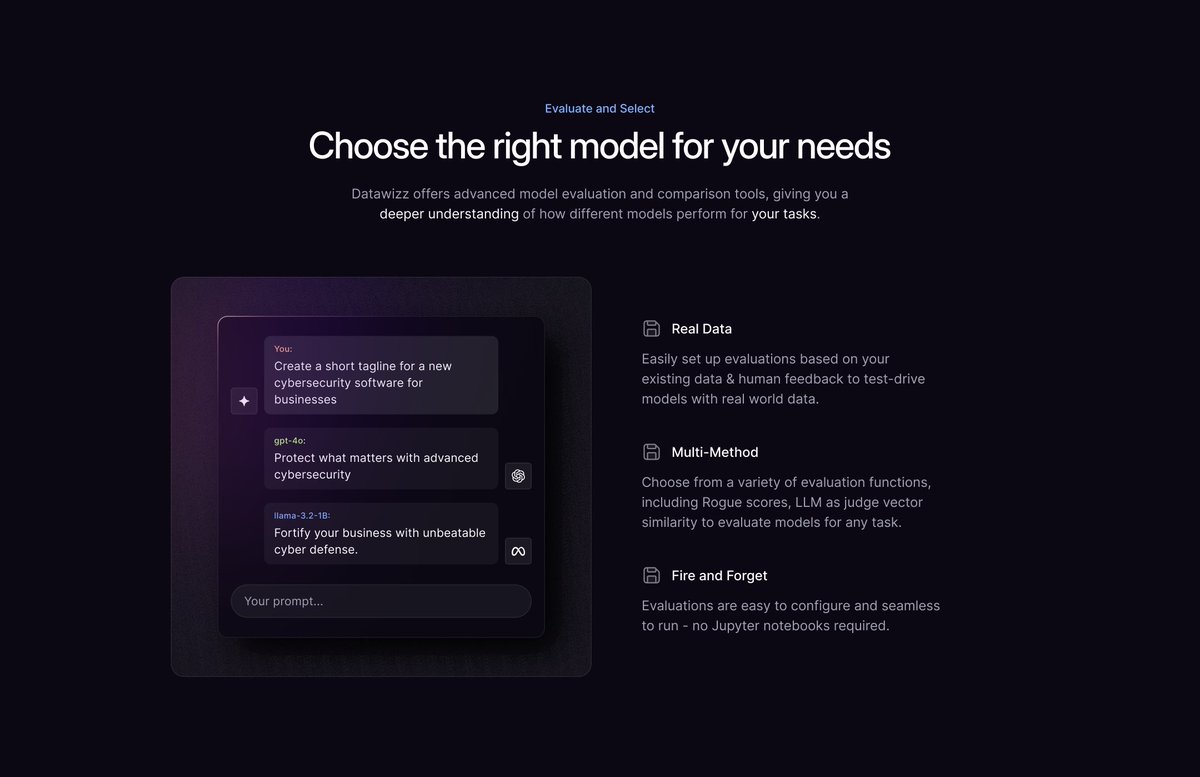
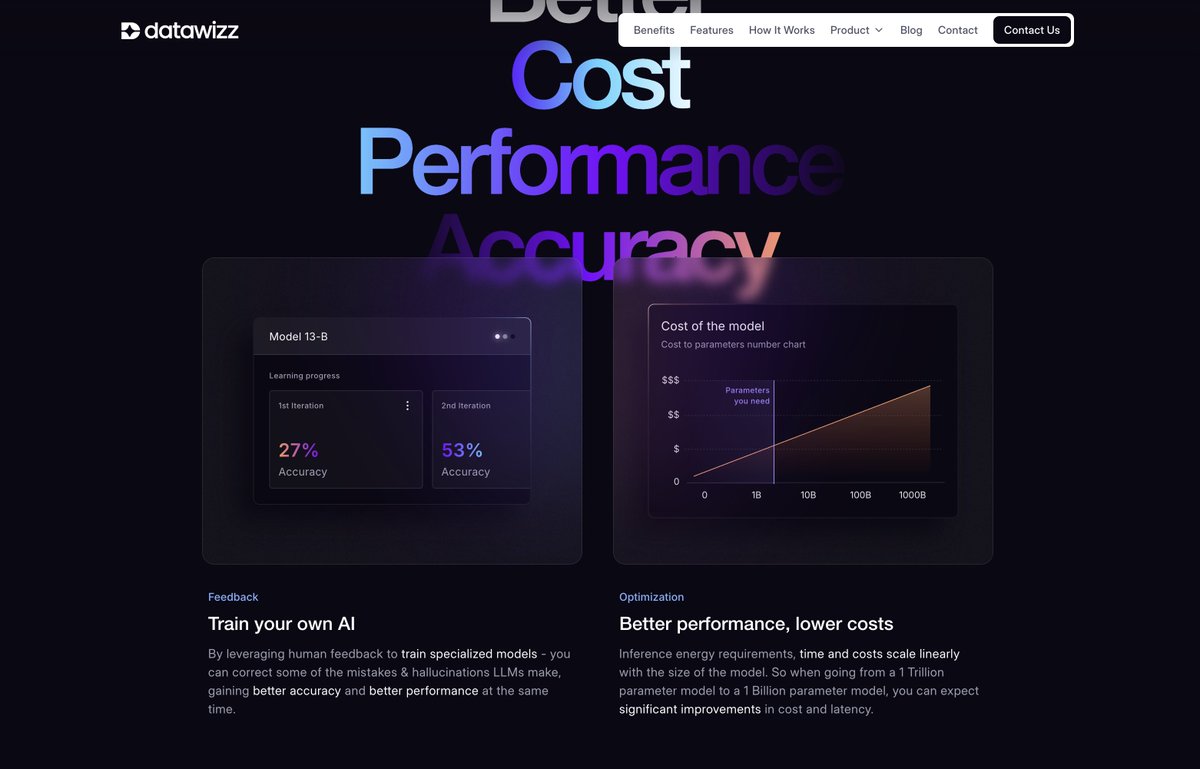
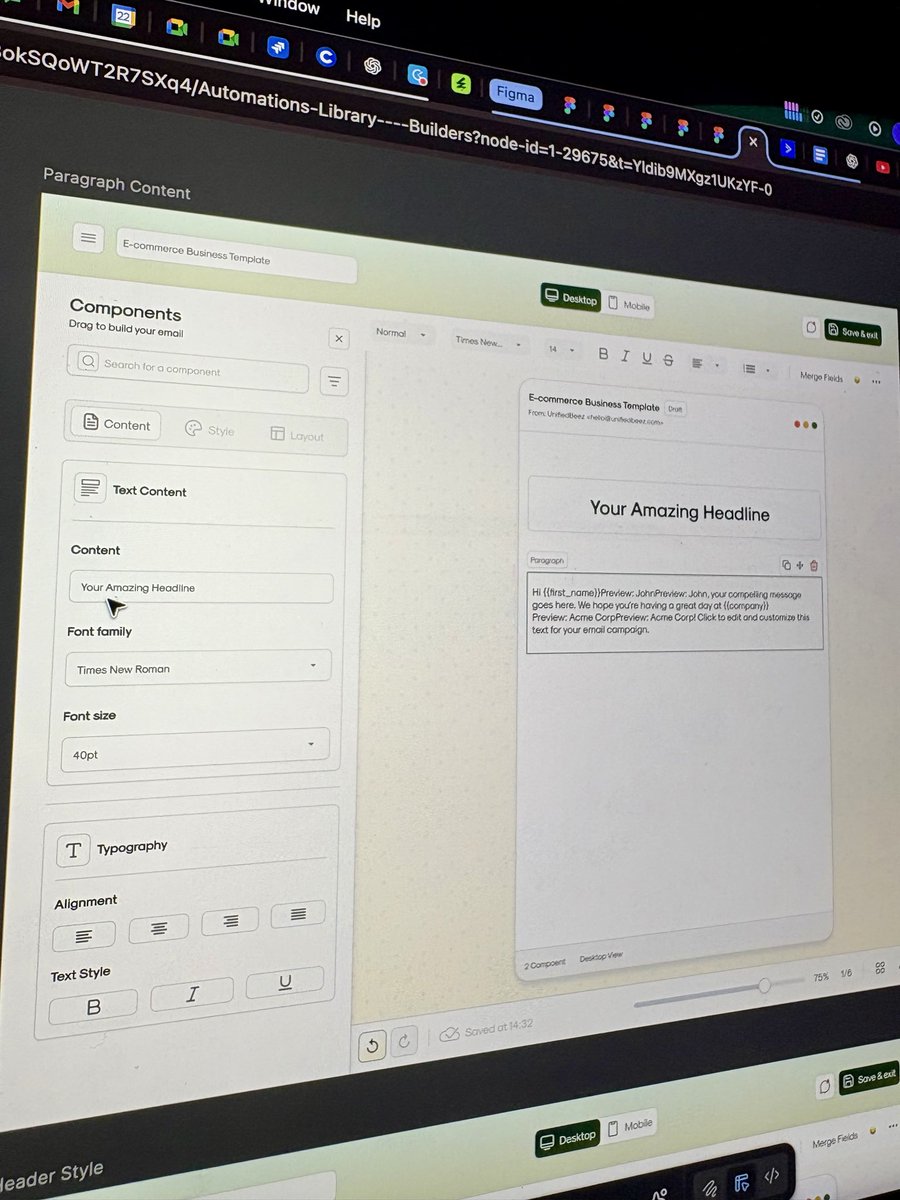
So, as a newbie in the design space. I decided to take on the @Daviowhite design challenge and it took me four days to complete. This is my first ever design and it came with a lot of experiences, mistakes and regrets but i kept on pushing regardless. I learnt so much from this..
@OnlyTimmie1@iLotNG_Official What kind of team would work on a project worth over 150 million…and decide that this Ai generated ad is worth putting out ???
Or were they not told?😂
Nah the team didn’t deliver. @iLotNG_Official
3/ Font weight
Font weight differentiates importance without adding visual clutter.
Stick to 3-4 font steps in weight.
Remember: reducing opacity also reduces perceived weight.
Good rule of thumb:
- headings: 600-700
- body: 400-500
- supporting text: 300-400
5/ Text alignment
Typography alignment is key to readability and design flow.
For non-Arabic countries, left-aligned text is easiest on the eyes.
Center or right align sparingly for emphasis; avoid justified text unless spacing is perfect.
7/ Line Length
Keep your paragraph length between 40 and 90 characters per line.
For 16px body text, that's roughly 450-700px width depending on font.
This range keeps readers engaged and makes content easy to scan.
8/ Don’t overdo it with fonts.
Stick to 2 complementary fonts.
Too many fonts can make your design feel chaotic. Keep it simple and let the fonts breathe.
Limiting the number of fonts also makes your designs feel more thought-out and cohesive.
The number one determining factor for success on Upwork is a strong proposal. However, since you need connects to send proposals, ensure you have enough before bidding for contracts.
Now, assuming we have enough connects, let’s break down what matters in a proposal.
First Impressions Matter
The first thing a client sees in your proposal is the opening two lines. But before even getting to that, they will see key details about you, including:
Your Name
Your Profile Picture
Your Title
Among these, your title is the most important. It must be relevant to the job you're applying for. For example, if someone with the title Email Copywriter applies for a Graphic Design contract, they’re automatically at a disadvantage. There may be rare exceptions, but in most cases, relevance is key.
- Crafting the Perfect Opening
Let’s analyze two different proposal openings. Imagine a client is looking for a graphic designer.
Here’s a generic, ineffective opening:
"Hello,
I see that you are looking for a graphic designer, and I am interested in the job. I have seven years of experience designing for..."
This opening does nothing to grab the client’s attention. It’s bland, predictable, and forgettable.
Now, compare it to this:
"Hi Michael,
567 sign-ups for a homeschooling webinar using just two social media flyers in three days. This is what you get when you..."
Numbers, stats, and results immediately draw clients in. A client reading this will think: How did this freelancer manage to get 567 sign-ups with just two flyers in three days? Who is this person?
This intrigue leads them to check your profile.
- Building a Strong Profile
Once a client clicks on your profile, they want to see proof of your claims. This is why social proof like testimonials, reviews, and past projects matter. Many hiring decisions are based on these factors.
To maximize your chances, ensure you have a client-facing profile, one that is optimized to attract and convert clients. Your profile should include:
- A compelling title that aligns with your skills
- A scannable description that highlights your expertise
- Relevant work experience
- Skills (Upwork’s algorithm and clients use these to find you)
- How Clients Screen Candidates
Upwork has several screening criteria that are visible only to clients. They can filter candidates based on:
- Total earnings
- Years of experience on Upwork
- Reviews from past clients
- Location
- Skills listed on your profile
It’s another day, another opportunity to be a world class