The breaker that tripped may not be the problem.
It may be the only part doing its job.
Before resetting it, ask:
What is the source?
What is the load?
What should voltage and current be?
What changed?
Troubleshoot the system—not just the trip.
Before troubleshooting, ask:
What is the source?
What is the load?
What voltage should be present?
What current is expected?
What protection operated?
What changed?
Good troubleshooting begins with good questions, not guesses.
Most insulation failures don’t start as failures.
They start as tiny defects inside the material.
That’s enough to begin partial discharge and long term breakdown.
Part 3 is live: Solids and Liquids How Real Equipment Stays Insulated
https://t.co/Duo4OBSHCt
Part 2 is live.
Electric fields don’t just exist. They concentrate, distort, and fail in predictable ways.
If you understand how fields behave, insulation failures stop being random.
https://t.co/UHsXDLxDNB
Free EMW Training and Experience Tracker for new electrical maintenance workers. Track training hours, NFPA 70E safety training, field experience, equipment exposure, and certificates.
New to electrical maintenance?
I made a free EMW Training and Experience Tracker to help you log training, NFPA 70E, field experience, equipment exposure, and certificates.
Link in comments
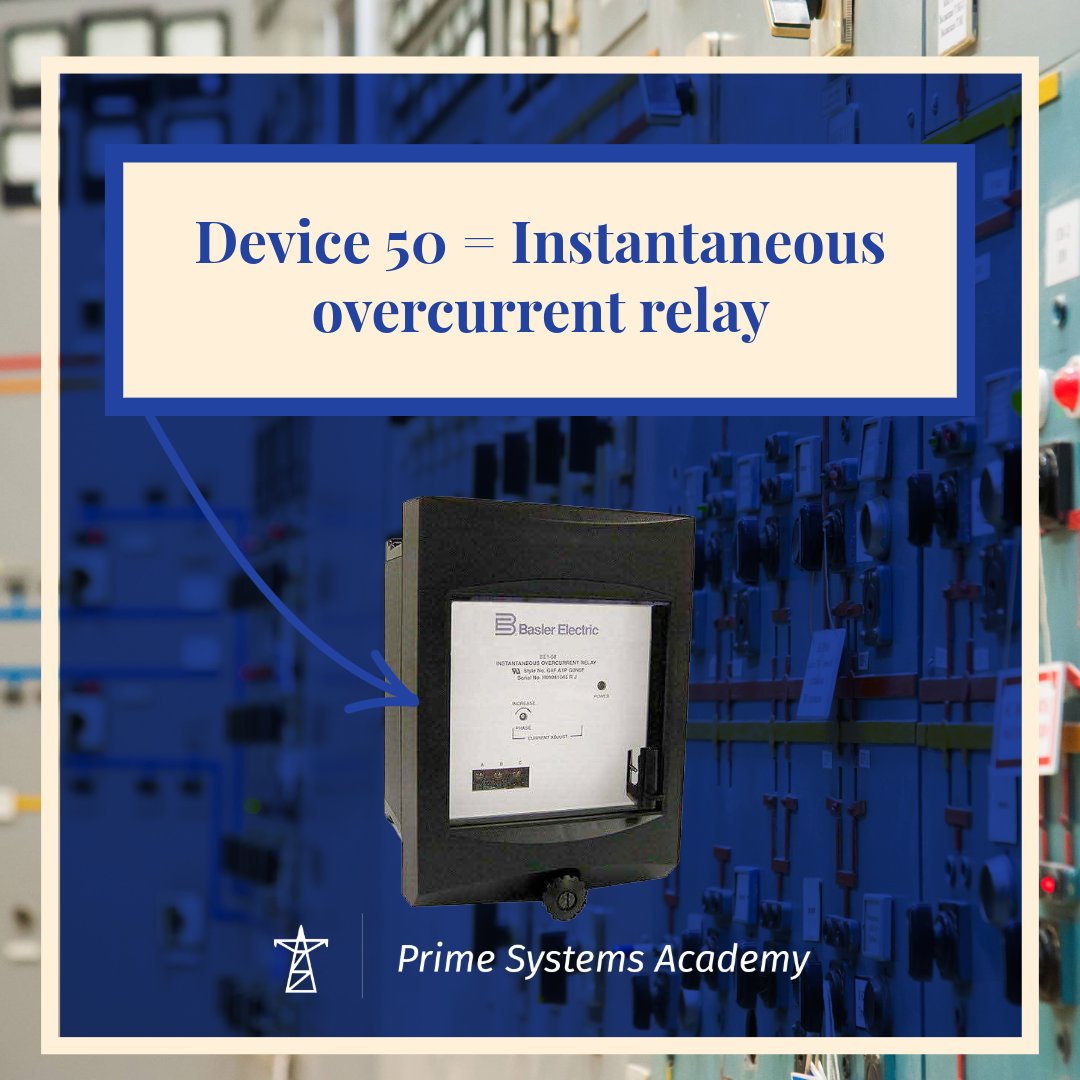
Learn the essentials of device 50!
Discover the role of device 50 in electrical protection. A must-know for engineers and tech enthusiasts delving into IEEE/ANSI C37.2 standards!
#ElectricalEngineering#Device50#PowerSystems
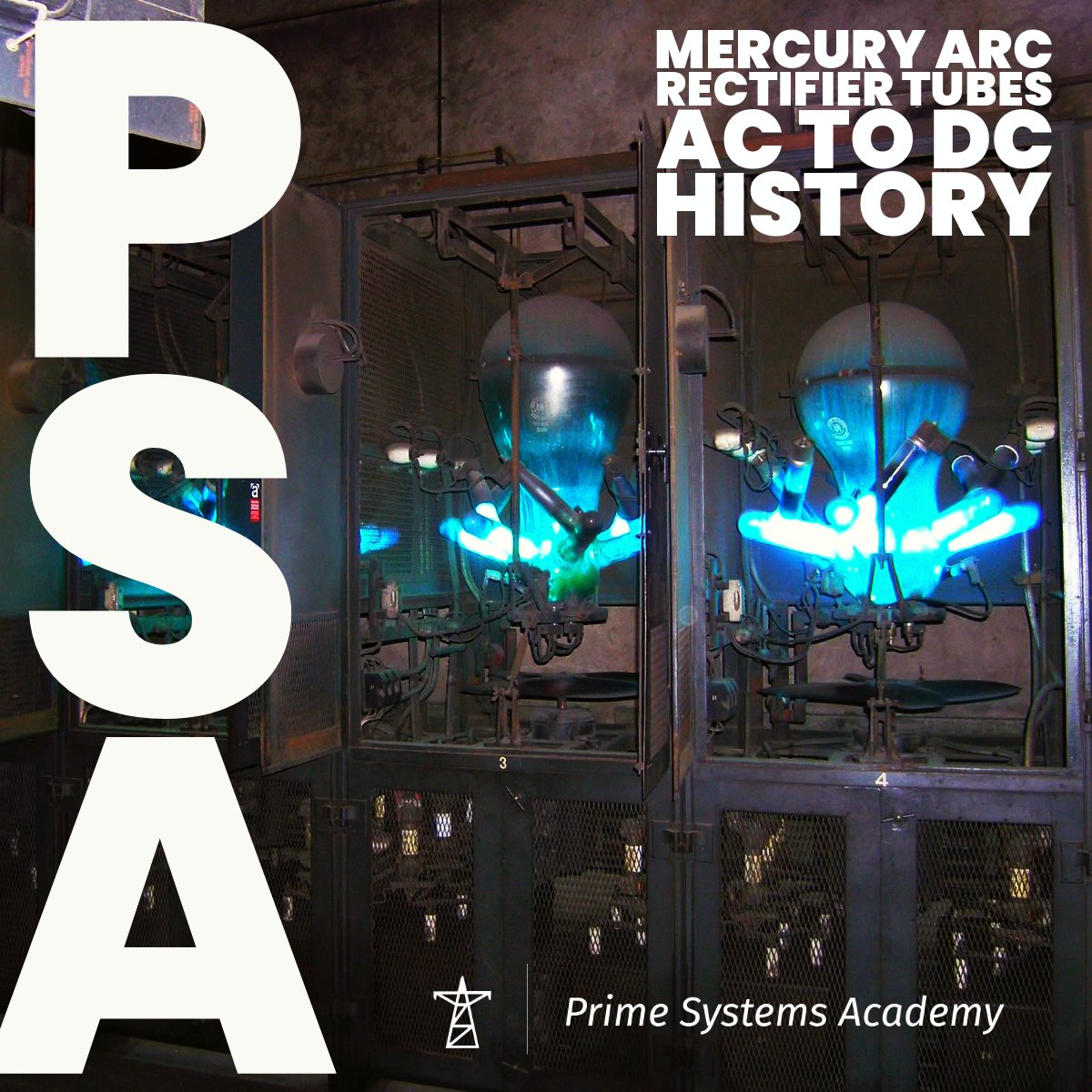
Mercury arc rectifier tubes were the original “solid state,” converting AC to DC for streetcars and industrial uses. That blue glow? It’s an electric arc in mercury vapor. Techs, which would you prefer to troubleshoot: these or modern IGBTs?
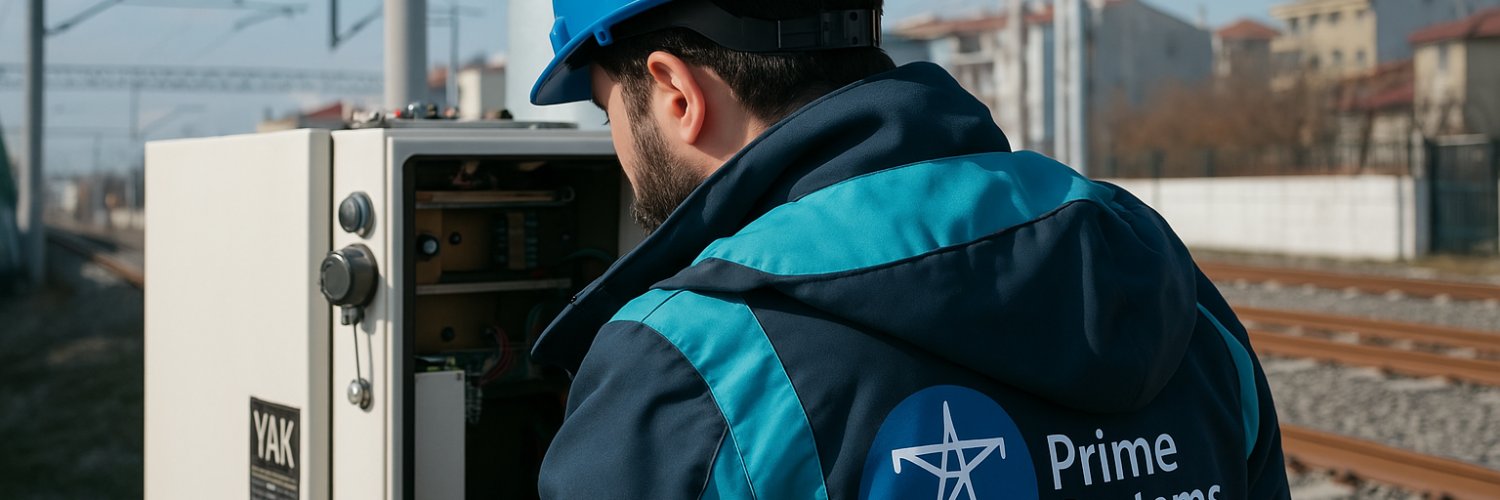
Stay safe with PPE! It’s your shield against dangers when de-energizing isn’t an option. Prioritize protection, don’t leave your defense behind! #SafetyFirst#PPE