One common complaint I hear in my dementia OPD is,
Doctor, he is not eating anything.
Many times, the family gets frustrated. They request, argue and even scold the patient.
Then I ask them to try one small thing.
Sit next to him.
Smile.
Talk softly.
Give just the first bite.
Many times, something beautiful happens.
The patient starts eating on his own.
This can happen because of feeding apraxia. The patient is not refusing food. The brain has difficulty starting the act of eating, and the first bite acts as a gentle cue.
If this happens repeatedly, do not ignore it. The patient needs a proper assessment to look for feeding apraxia, swallowing difficulty, progression of dementia, or other treatable causes.
Not every dementia patient who is not eating has lost appetite.
Sometimes, they simply need help taking the first step.
Understanding this changes the way we care.
#Dementia #Caregivers #Neurology #BrainHealth
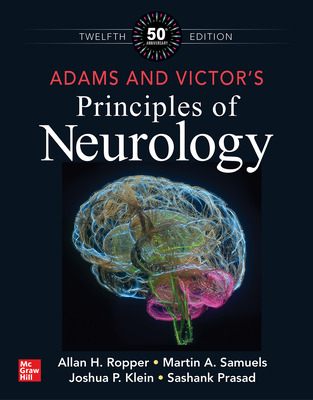
🧠🔖 For all the #neurotwitter enthusiasts and romantics that still read books, a new edition (50 years anniversary) of Adams and Victor’s was just released!
#AANAM#Neurology#MedStudentTwitter
1/
Wrote a #tweetorial (the first one in awhile!) about the role of hypercoag testing in acute ischemic stroke (Check out ⬇️)
But Twitter cut me off before we could think about the role of hyperhomocysteinemia.
In case you couldn’t sleep without this info… (lol)
✨Part II✨
#MondayTip
☝️#MRI sequences are useful in dating ischemic #stroke as hyperacute, acute, subacute or chronic
ie:
🧠ADC low: < 1 week
🧠FLAIR (+): >6-12hr after onset
🧠CE-T1w: parenchymal enhancement typically 1week-2months
#openacces
👉https://t.co/dp6kM2GpUJ
#MondayTip
Some #NIHSS Pitfalls:
☝🏼0 does not equal “No Stroke”‼️
👉Items with poor reliability (LOC, gaze, facial palsy, ataxia)
🧠 Emphasis on 🗣 and following commands may result in higher score for dominant hemispheric strokes
⏬ sensitivity for posterior circulation