Had to relearn why there were just 2 r's in "strawberry".
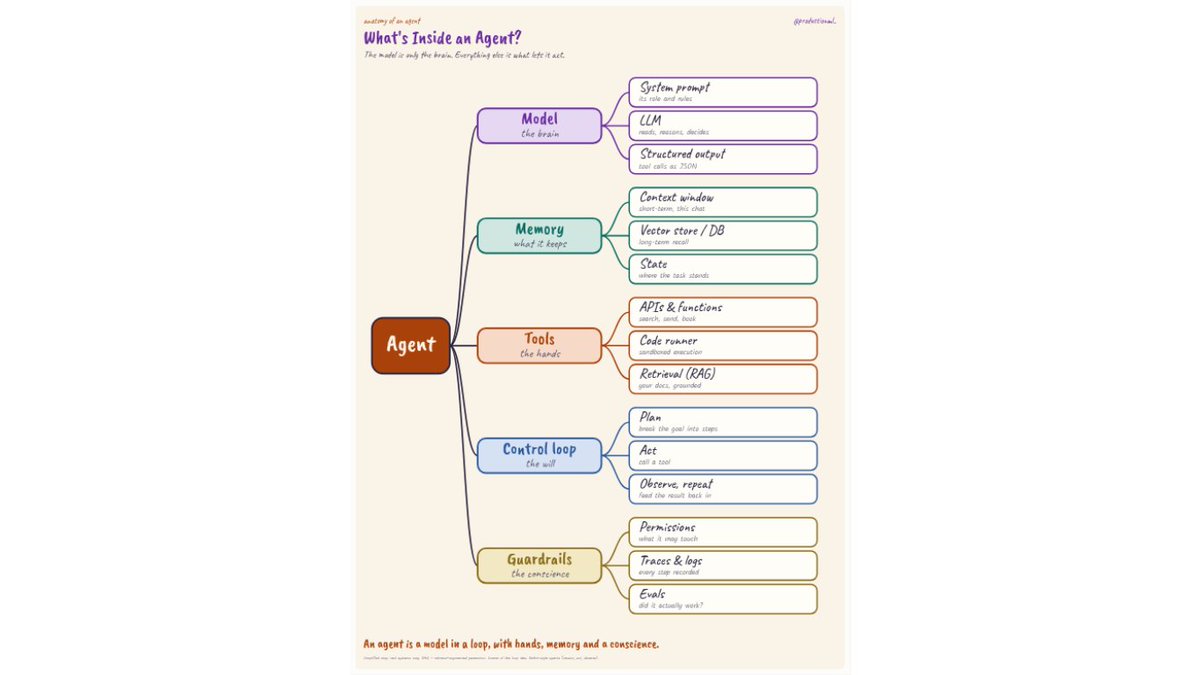
after pulling my hair on the output, i revised the very basic: transformers.
That little detour through embeddings, attention, residual connections and output probabilities was a good reminder, on how it works.
Had to relearn why there were just 2 r's in "strawberry".
after pulling my hair on the output, i revised the very basic: transformers.
That little detour through embeddings, attention, residual connections and output probabilities was a good reminder, on how it works.
Had to relearn why there were just 2 r's in "strawberry".
after pulling my hair on the output, i revised the very basic: transformers.
That little detour through embeddings, attention, residual connections and output probabilities was a good reminder, on how it works.
Had to relearn why there were just 2 r's in "strawberry".
after pulling my hair on the output, i revised the very basic: transformers.
That little detour through embeddings, attention, residual connections and output probabilities was a good reminder, on how it works.
Had to relearn why there were just 2 r's in "strawberry".
after pulling my hair on the output, i revised the very basic: transformers.
That little detour through embeddings, attention, residual connections and output probabilities was a good reminder, on how it works.
That's what this page is about.
Exploring, teaching and sharing practical approaches to building and operating ML systems, particularly under lean, resource-constrained conditions.
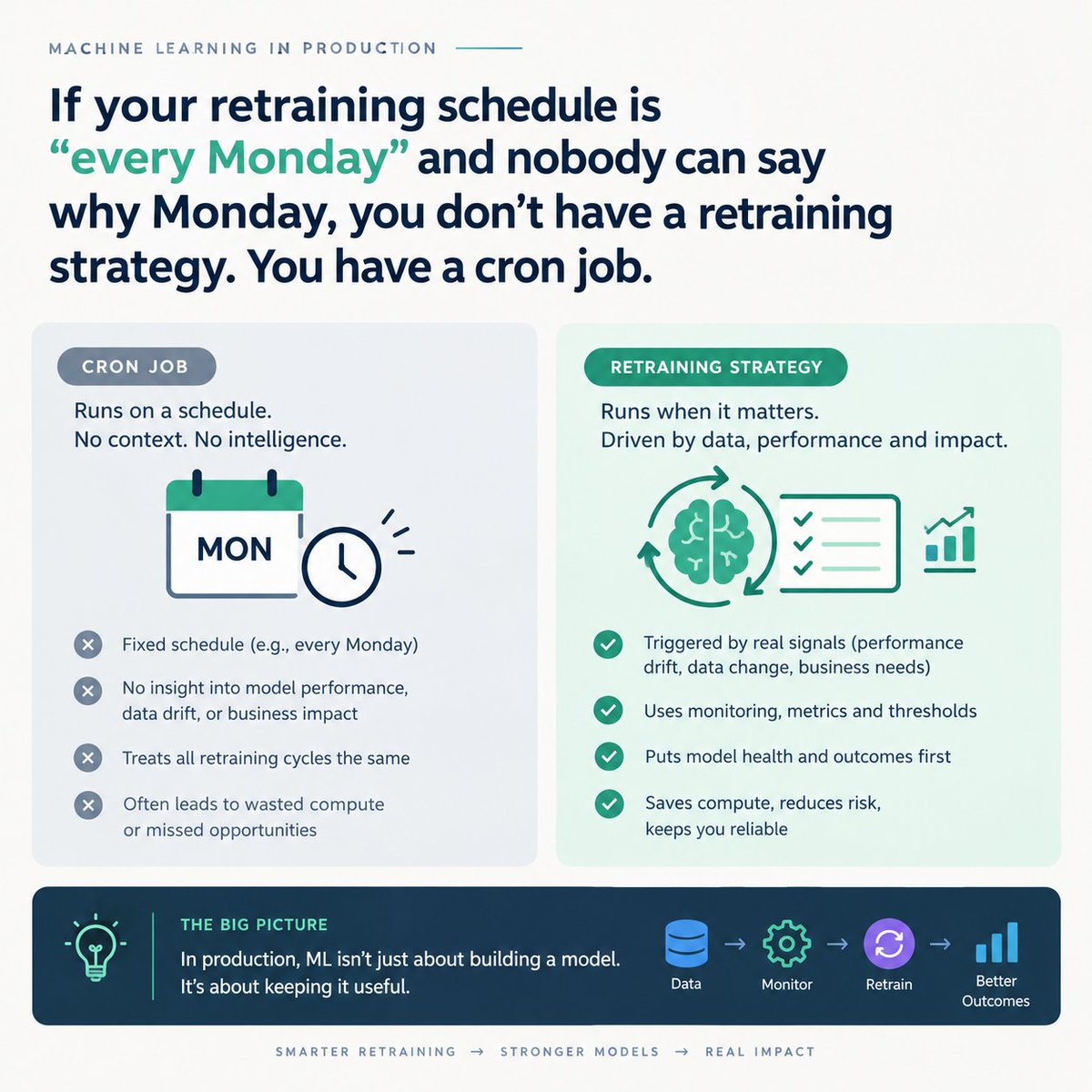
In the world of Production ML; what is it that we talk about?
Let's break it down.
ML follows, roughly, a defined lifecycle:
1. Ideation
2. Scripting/Modelling
3. Tests and Deployments
We start to productionize with an additional layer for autonomous development/deployment.
In short, design.
We recognize patterns and design for when our knowledge outdates.
Nobody gets promoted for the pipeline that didn’t break. That’s the whole problem with ML infrastructure.
But every model, dashboard, and "AI Success story" depends on it.
Invisible when it works and catastrophic when it doesn't. The life of ML in production
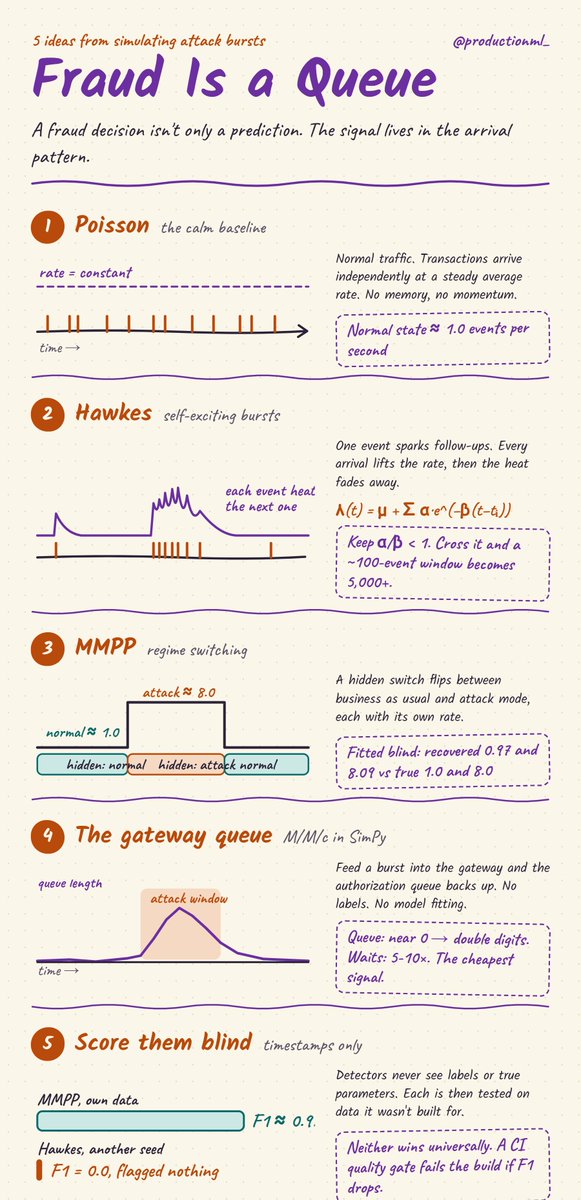
Leaning on the world of statistical queuing theories and applying that to fraudulent events and bursts.
Read the full breakdown: https://t.co/Nq6jYlWH6H
GitHub: https://t.co/Y3vAekPyeK
#AI#FraudDetection#DataScience#SoftwareEngineering
I built a simulation framework for handling fraud-event surges autonomously.
It combines:
✅ ML-driven risk scoring
✅ Queueing theory for workload management
✅ Promotion logic for case prioritization
✅ Quality gates for operational reliability
Building autonomous responses to fraud bursts using ML, queueing theory, promotion and quality gates.
Poisson processes to Hawkes models, to explore how financial systems can detect, prioritize, and respond to cascading fraud events in real time.