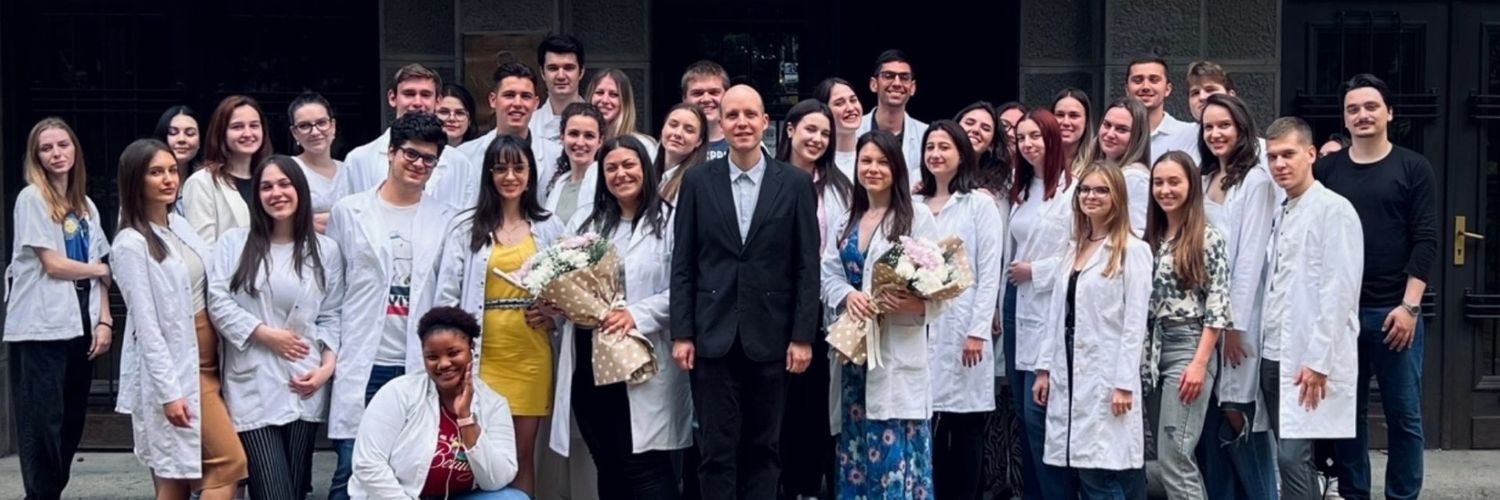
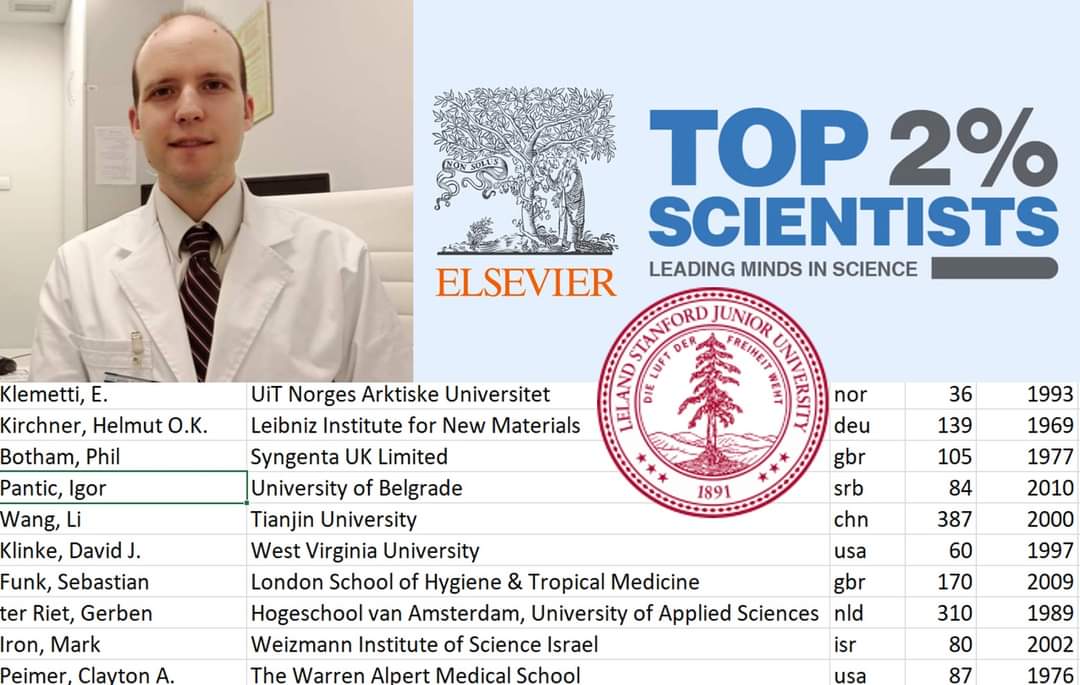
Honored to be recognized and included by Stanford University in the list of the most influential world scientists for the 4th year in a row. I am deeply humbled and take this as motivation to further contribute to our collective scientific understanding and advancement.
These systems may include conversational artificial intelligence platforms, generative text applications, AI-assisted productivity tools, and other interactive language-based technologies that increasingly participate in academic, professional, creative, and everyday activities.
LLM Addiction Scale (LLMAS-18)
An 18-item instrument for assessing addiction-like patterns associated with large language model use.
https://t.co/88DVhJVjX4
The LLM Addiction Scale (LLMAS-18) is a concise, self-administered instrument designed to assess addiction-like behavioral, cognitive, and emotional patterns associated with the use of large language model (LLM)-based systems.
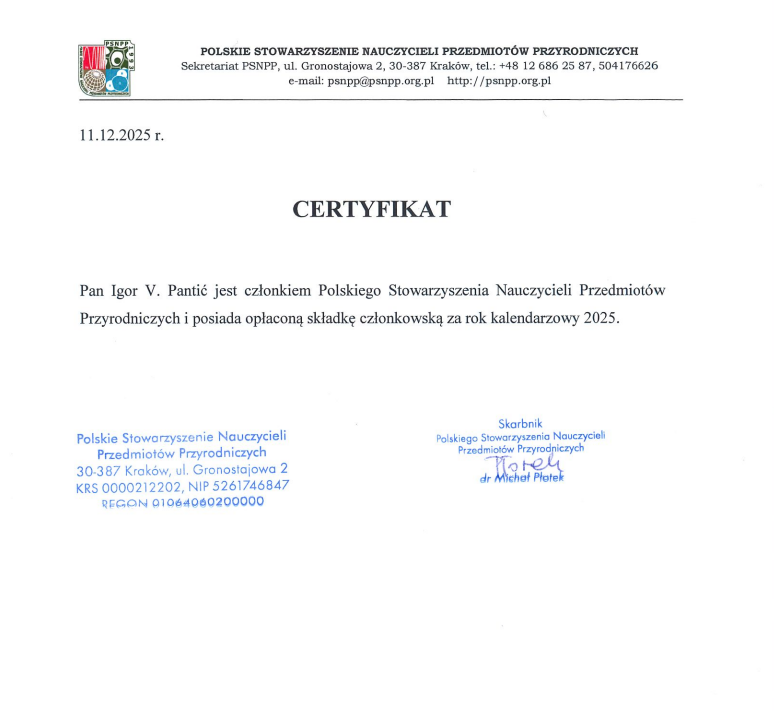
Duma być członkiem Polskiego Stowarzyszenia Nauczycieli Przedmiotów Przyrodniczych. Dziękuję za zaufanie i możliwość dalszego wspierania rozwoju edukacji przyrodniczej. 🇵🇱🇵🇱🇵🇱
We’re launching a bold plan to make high-speed rail the fastest, more sustainable way to travel across Europe by 2040. 🚆
It’s a concrete timeline to remove bottlenecks, unlock investment, and harmonise rail systems⬇️
My new article "Advanced concept for identifying chemico-biological interactions associated with programmed cell death using a multi-scale attention residual convolutional neural network" published in Computers in Biology and Medicine (Elsevier).
https://t.co/D0OWmXWQPb
There is a clear path to restoring hearing with a @Neuralink, even for someone who has had total loss of hearing since birth, as our device directly activates the neurons in the brain that process sound
It’s a hefty 206-page research paper, and the findings are concerning.
"LLM users consistently underperformed at neural, linguistic, and behavioral levels"
This study finds LLM dependence weakens the writer’s own neural and linguistic fingerprints. 🤔🤔
Relying only on EEG, text mining, and a cross-over session, the authors show that keeping some AI-free practice time protects memory circuits and encourages richer language even when a tool is later reintroduced.
If you have ever struggled with the shift in routine imposed by the seasonal "springing forward" & "falling backward" of the clocks, spare a thought for sled dogs
https://t.co/eEC8MUsB1P