Signing isn’t the end. It’s just the beginning.
- Missed deadlines
- Unsent invoices
- Angry clients
The problem isn’t signing. It’s everything that comes next.We weren’t made to push paper.
We were made to build.
Imagine your bank balance stopped updating while money kept moving.
You wouldn’t trust it.
Yet that’s how most organisations treat contracts after signing.
Scope shifts. Timelines move. Pricing changes over email.
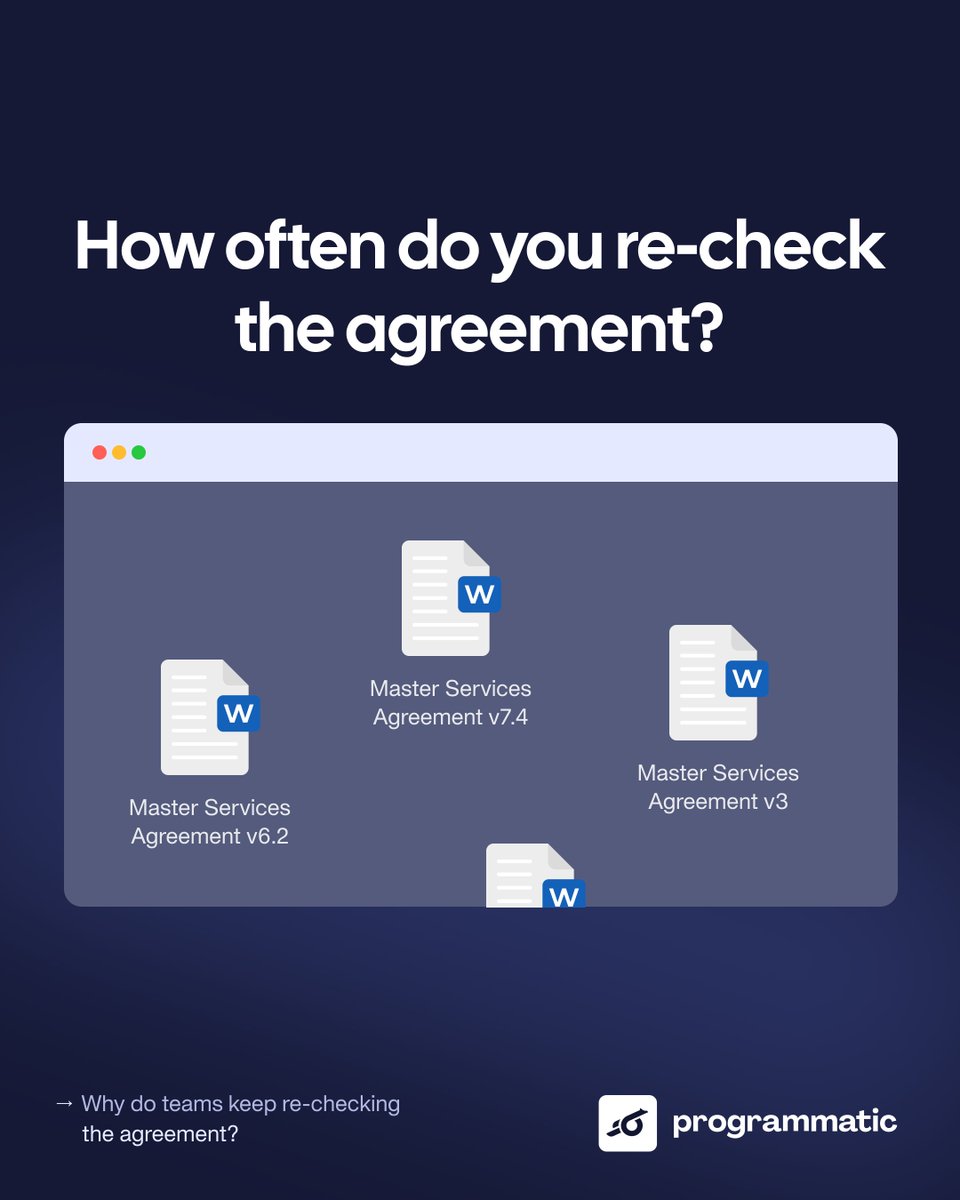
But the contract stays frozen in a shared drive.
That’s where margin leaks.
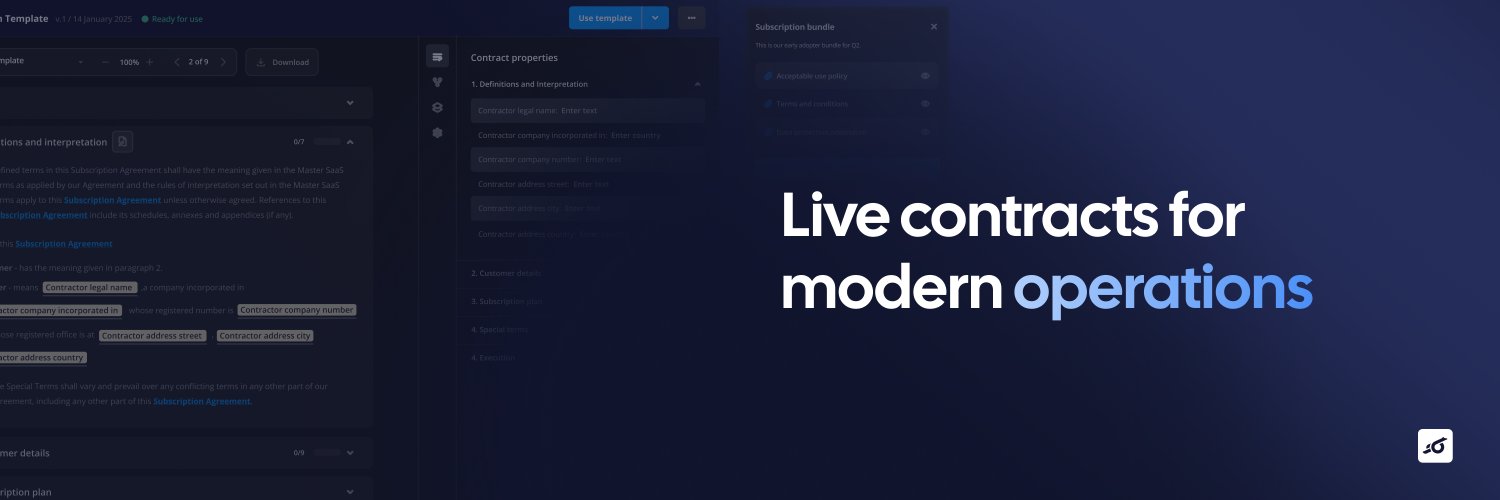
It’s time for contracts that move with delivery — connecting agreements to execution and automating payments, compliance, and reporting.
👉 Why contracts fail after signature (link in comments)
Every month, someone goes looking for proof of what was agreed.
It shouldn’t take emails, screenshots, and memory
to answer a simple scope question.
Contracts should track scope as it changes and record approvals as they happen.
Most changes don’t come through formal processes.
They come up in calls, chats, and quick decisions.
By the time anyone notices the contract is out of date,
someone is already fixing the consequences.
Contracts are meant to align teams. But once they’re signed and work stars, they’re rarely updated to reflect the changes.
This causes an enormous overhead and is often the culprit of poor P&Ls.
Every month, someone goes looking for proof of what was agreed.
It shouldn’t take emails, screenshots, and memory
to answer a simple scope question. Contracts should track scope as it changes and record approvals as they happen.
Every month, someone goes looking for proof of what was agreed.
It shouldn’t take emails, screenshots, and memory
to answer a simple scope question. Contracts should track scope as it changes and record approvals as they happen.
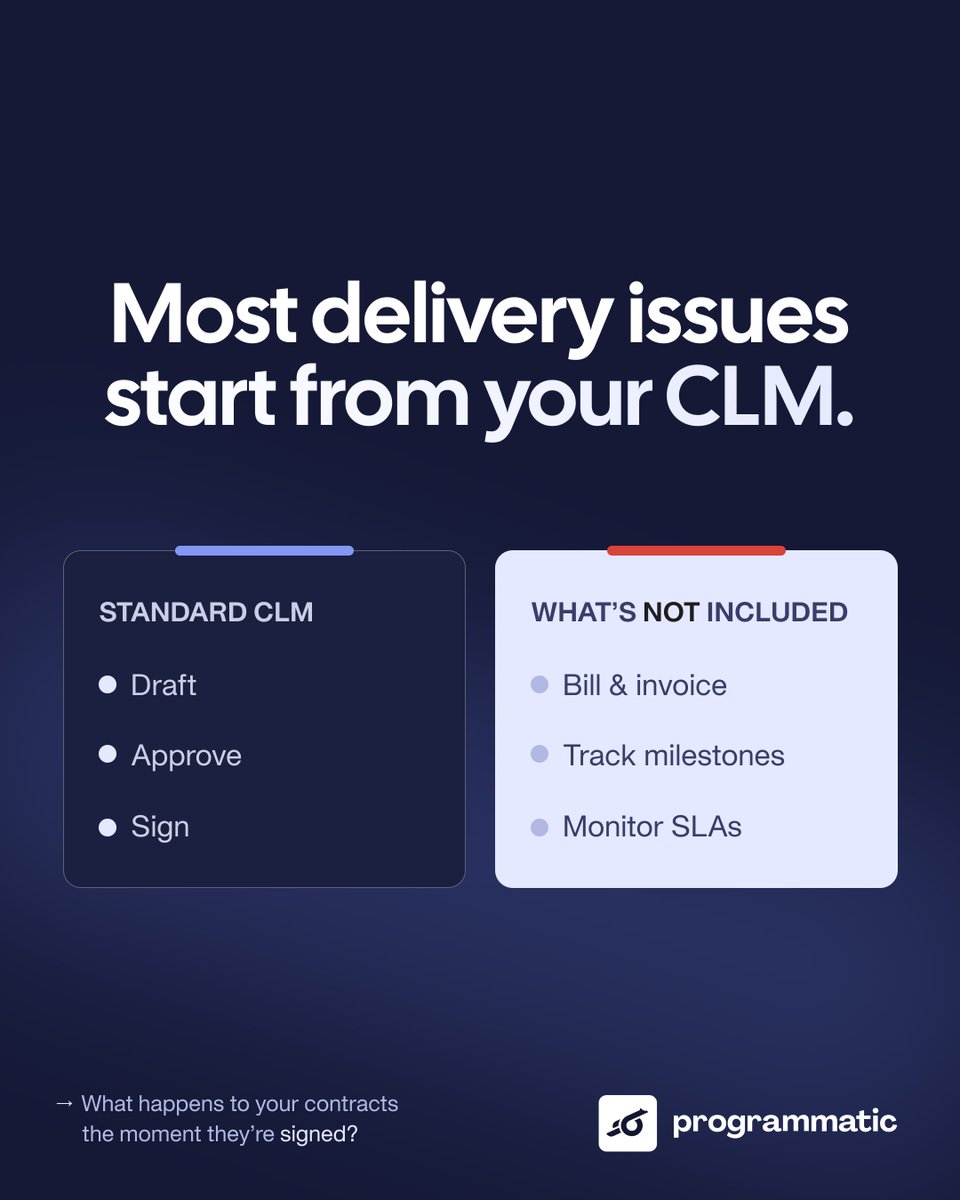
Most CLM tools stop at signing.
After that, the contract sits in storage while delivery and billing get rebuilt elsewhere.
That’s why teams live in spreadsheets and inboxes.
Most contracts explain what should happen.
They don’t trigger delivery, control billing, or protect margin.
The document stays put, but the work moves on.
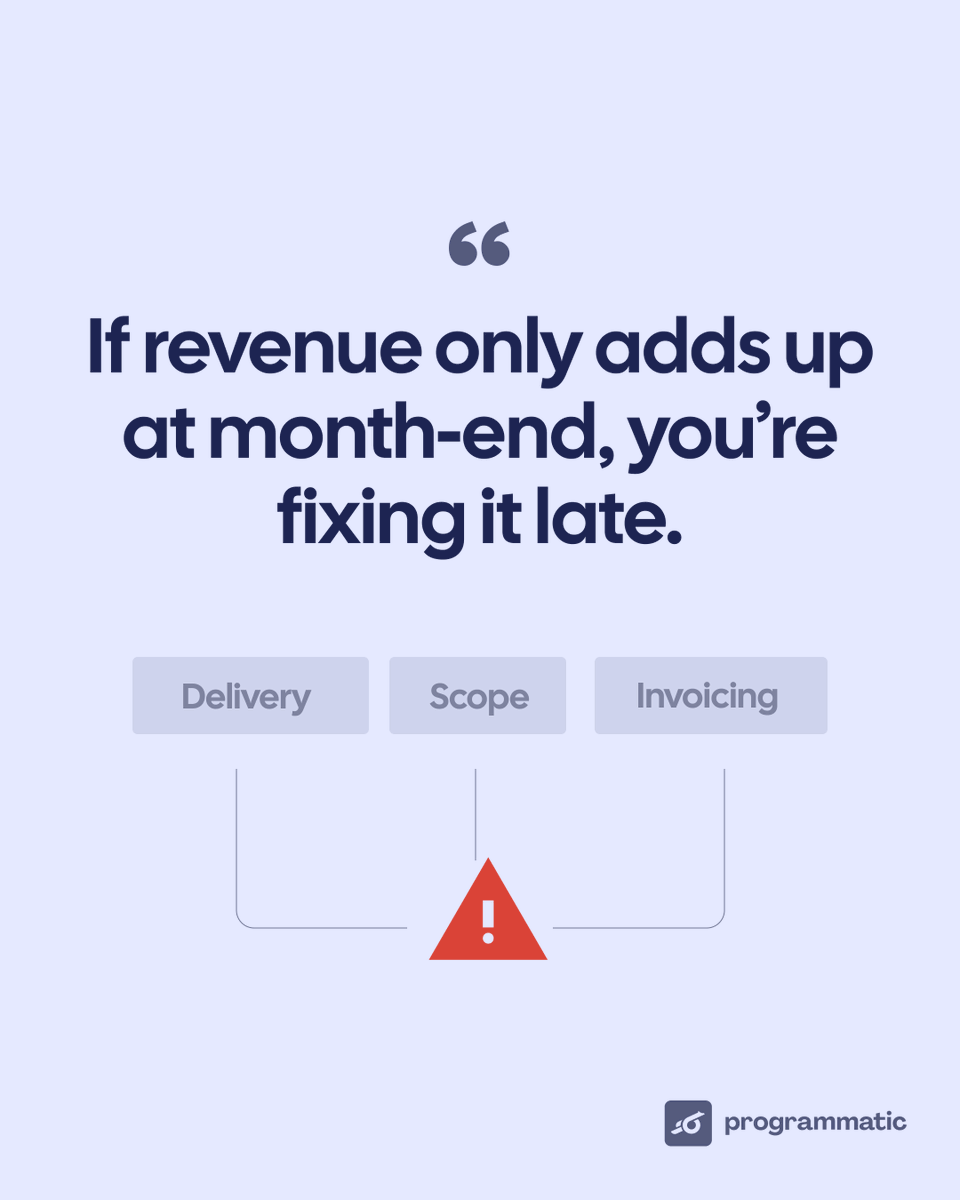
If finance is validating revenue during close, the issue probably didn’t start in finance.
It usually starts earlier, when delivery, billing, and the contract stop lining up.
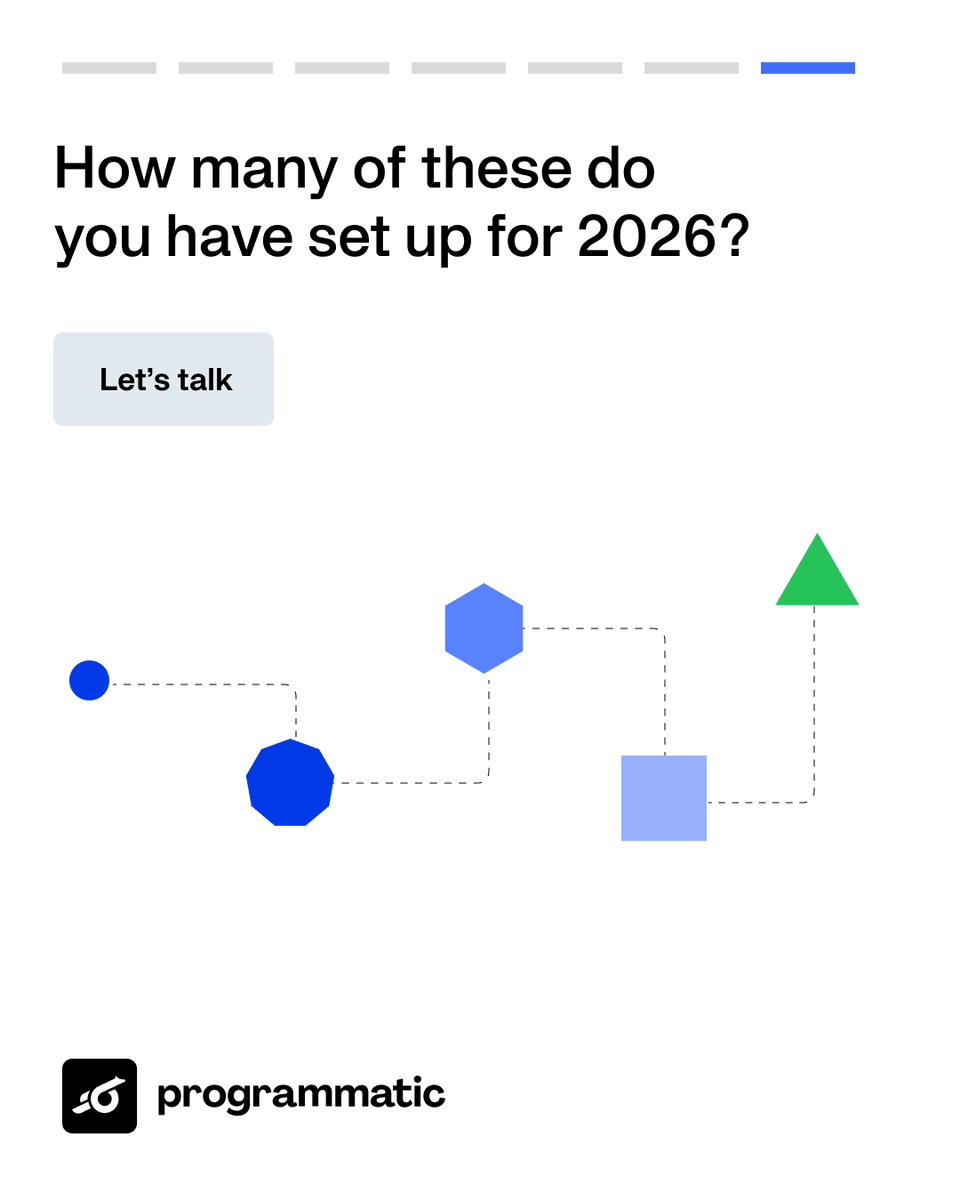
The 5 document workflows every operations team automates first. They’re the quickest way to cut admin time and remove delivery bottlenecks.
Swipe through — and if you want to see how to set up these workflows, book a demo with us: https://t.co/ni9m9P4y7d