Should be more active on this platform, but will always make the effort to thank all the progro customers for enabling me to be able to support the next generation. That’s what it’s all about. @4HCanada
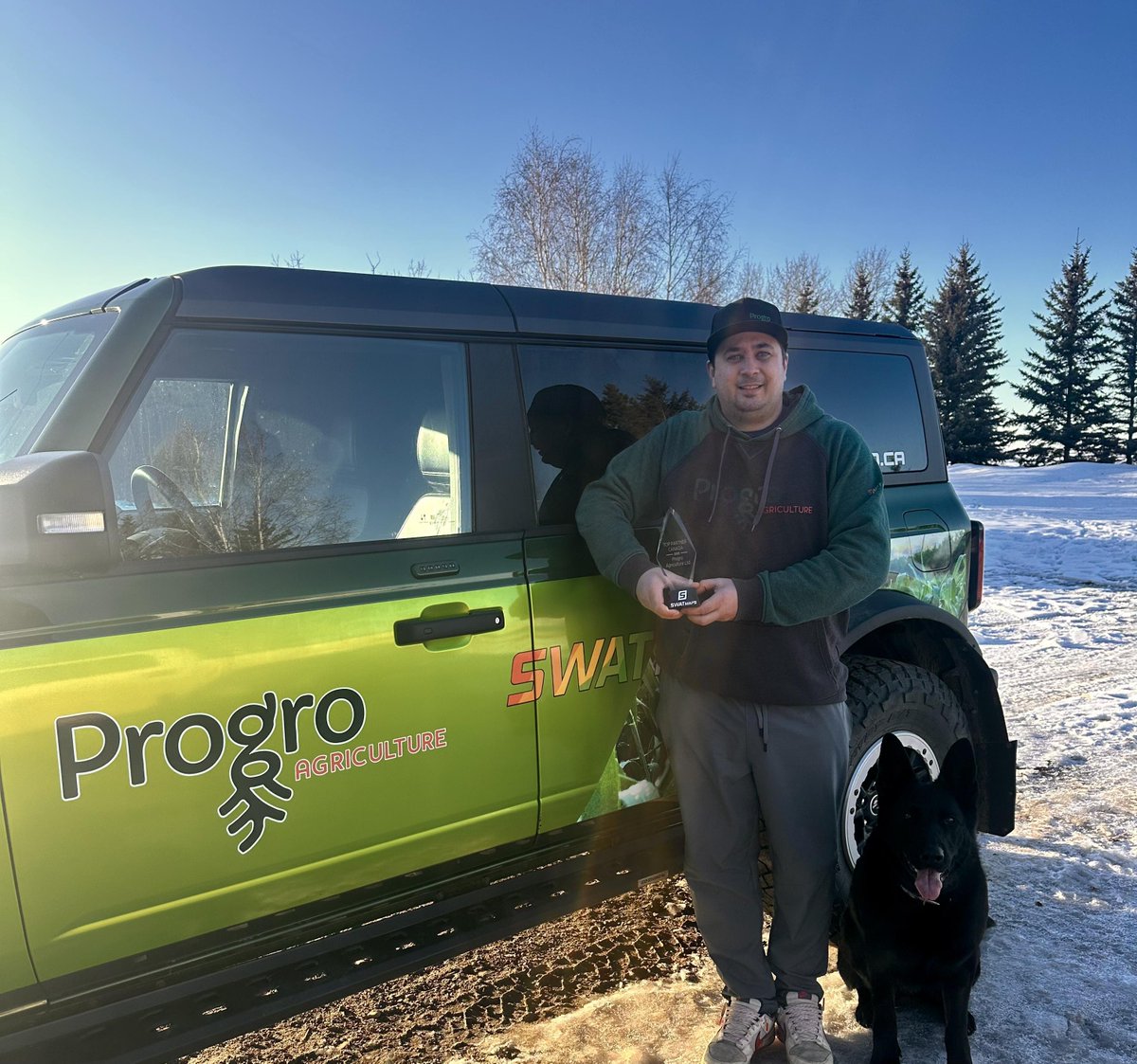
🏆 Congratulations to @ProgroAg (Holden, AB) on receiving the SWAT MAPS Premium Service Provider award!
Founded by Maury Micklich in 2022, Progro Agriculture has quickly built a strong reputation for delivering high value variable rate solutions to farmers across North Central Alberta. Through a commitment to agronomic insight, on-farm experimentation, and helping growers understand the why behind field variability, Progro is helping set the standard for SWAT MAPS services in the region.
We are proud to work alongside partners who are dedicated to helping farmers succeed. Congratulations, Maury!
#AbAg #SWATMAPS #CdnAg
Farmers:
If fertilizer costs go up again…
what changes on your farm?
✋ Raise your hand if you could use a little crop marketing therapy right now.
This week on What the Futures:
✅ fertilizer strategy
✅ acreage outlook
✅ crop marketing timing
Maury Micklich and Chuck Penner join the show.
Listen here.
https://t.co/39gYKQq9Rw
@ProgroAg , @LeftFieldCR
"Some farmers are in for a very expensive learning lesson." – Maury Micklich, Progro Agriculture
@ProgroAg
Maury’s talking fertility. When the ground is this dry, blanket spending doesn’t pay. You’ve got to sample, map, and target the acres that actually give you a return.
This week on What the Futures, Maury breaks down where fertilizer dollars make sense (and where they don’t).
I’ll be honest—I was a bit surprised by what he shared.
🎧 What the Futures Podcast. Episode 95 live now.
photo credit: Ryan Olson
“Throw it in the bin and wait”… that’s not a plan.
Markets are giving signals:
-Wheat futures set a new low
-Canola hit a 5-handle
- Basis is getting nasty in spots
Let’s talk about it on episode 95.
This week I brought in Maury Micklich with Progro Agriculture (@ProgroAg ) to get practical on fall fertility—soil sampling, mapping, and where to actually place dollars when the ground is dry.
🎧What the Futures Podcast: Listen while you’re getting the bales off the field.
Late crop checking this has gotten even worse, I’d say it’s closer to 1/3-1/2 of fields have a large population of wild oat escapes. Be diligent. Chem companies have deadlines on PI’s so the P.I from the combine won’t do you much good. #expensive
I would highly recommend to perform post in-crop efficacy checks. Roughly 1/4 of fields checked so far have been found to likely have either group 1 or 2 resistant wild oats. Will need to test to confirm but the patches are text book. #abag
@oatsgrower A combo of both, seen dry dead and grass green untouched WO in the same square foot.
Then have seen areas where canopy closure took so long/didn’t happen to out compete and my thing germinating late. Competition a big factor this year. No shortage of sunlight for anything early
I would highly recommend to perform post in-crop efficacy checks. Roughly 1/4 of fields checked so far have been found to likely have either group 1 or 2 resistant wild oats. Will need to test to confirm but the patches are text book. #abag
Very proud moment last night. Purchased the company’s first ever 4-H steer. Supporting 4-H and the community members involved has always been a goal here. Without the communities support this venture wouldn’t exist.
Here is an important tip on seed rates and seeding best practice.
2 different HRSW varieties target 31 plt/sqft
A) 43.5G TKW
B) 38.8GTKW
Same germ
If you just set at 120 lbs/ac you would be under applying variety A by nearly 1/3 of a bu.
If you’ve been wondering how tariffs are going to impact your farm, you’re not alone.
We pulled in 7 sharp minds—including Prairie farmers—to talk real-world ripple effects. Not just headlines.
What it means for your bins, your contracts, your bottom line.
Give it a listen to episode 69. It’s not about fear—it’s about staying ready.
https://t.co/2Ccm0ehGxS
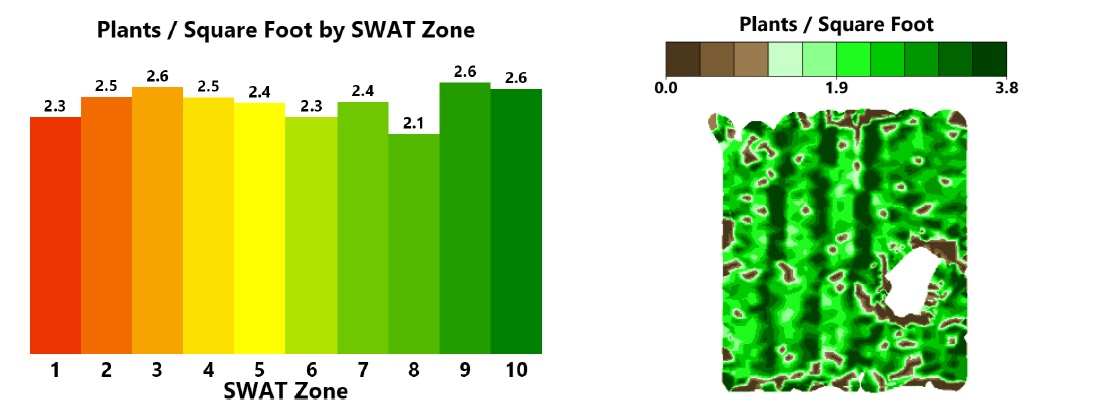
We had over 100 sprayers running #SWATCAM in 2024 collecting 35 million images. Ex data - same farm but one field showed up with 2.4 plants/ft2 versus the more common 4.3 plants/ft. Client is in our #Yieldanalytics program and yield was 9% lower. 4000 image data set.