Educator trainings are available in-person throughout the year in the US and Canada. Please contact your local Project WILD Coordinator for times and locations. Visit https://t.co/sD0Ms7NFoQ, and click on the "Get Training" button for more information.
Attention Florida educators! Interested in a free workshop near you? Join Kristin Wood—a 20+ year veteran #ProjectWILD facilitator—for a #FlyingWILD educator workshop at Dade Battlefield Historic State Park coming up on June 19. See the flyer for more info & registration details.
Create artwork with real plants in #AquaticWILD's "Water Plant Art" activity! Elementary students will enjoy gathering aquatic plant specimens, drawing aquatic wildlife that will "live" in their plant samples, and pressing it all together in their own art creation.
Who's doing good things for birds in your community? In the #FlyingWILD activity "Bird Heroes," students identify, research, and write about local people who have contributed to the conservation and health of their community's birds and bird habitats.
Raise awareness about bird species and bird conservation with the #FlyingWILD curriculum guide. Visit https://t.co/sD0Ms7NFoQ for more information. https://t.co/I1XDjWUB7q
What words can express the wonders of water? Brainstorm water words and create poetry about water in #AquaticWILD's "Aqua Words," an elementary-level activity that has students explore ways water is important to people and wildlife.
What do earthworms eat? How do earthworms move? Your little ones explore questions and more in #GrowingUpWILD's "Wiggling Worms" activity. Enjoy digging for worms, making worm trail paintings, and doing the Worm Dance in this engaging activity for younger children!
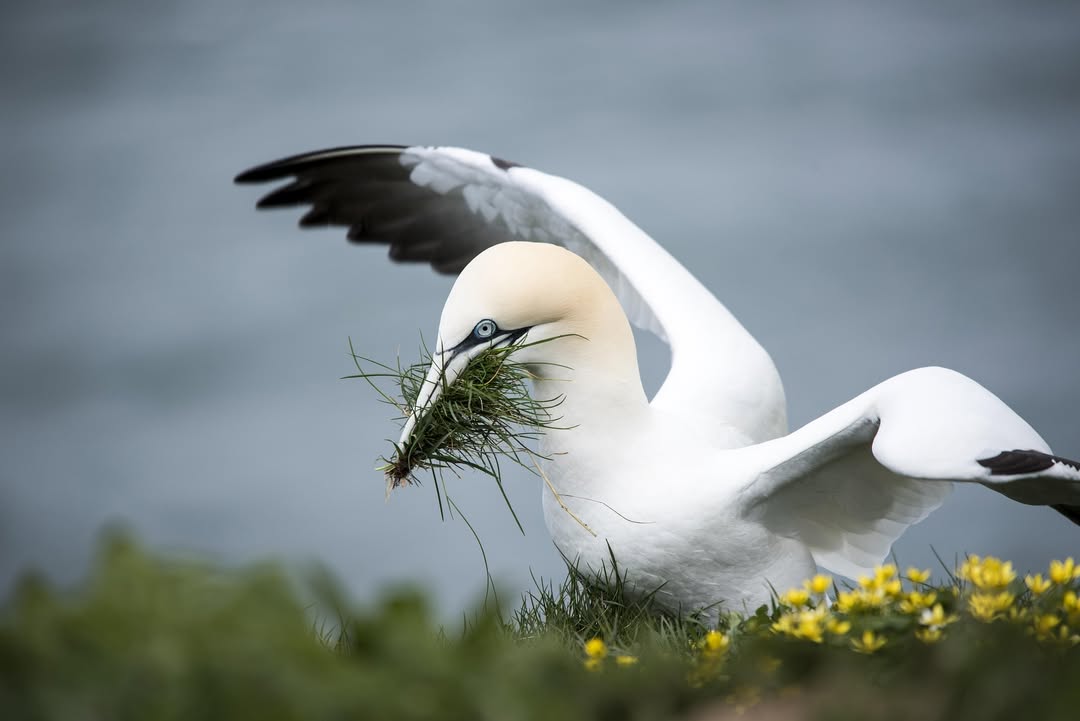
What is that bird doing? Explore behavioral adaptations including migration, courtship, preening, flocking, feeding, and more in #FlyingWILD's "Bird Behavior Scavenger Hunt" activity.
For any WILD Ones in the Montana area, check out this upcoming bear awareness and safety meeting.
To explore more about bears with your students, try activities like #GrowingUpWILD's "Lunch for a Bear" and #ProjectWILD's "What Bear Goes Where?" https://t.co/SqSvrifzt0
Get ready for #WorldFishMigrationDay (May 23)! Check out #Aquaticwild activities like "Dam Design," "Hooks and Ladders," and "Sockeye Scents" to learn more about salmon migration.
If you were a bird, would you survive your winter trek down south? Students portray migrating waterbirds traveling between nesting habitats and wintering grounds in the #AquaticWILD activity "Migration Headache."
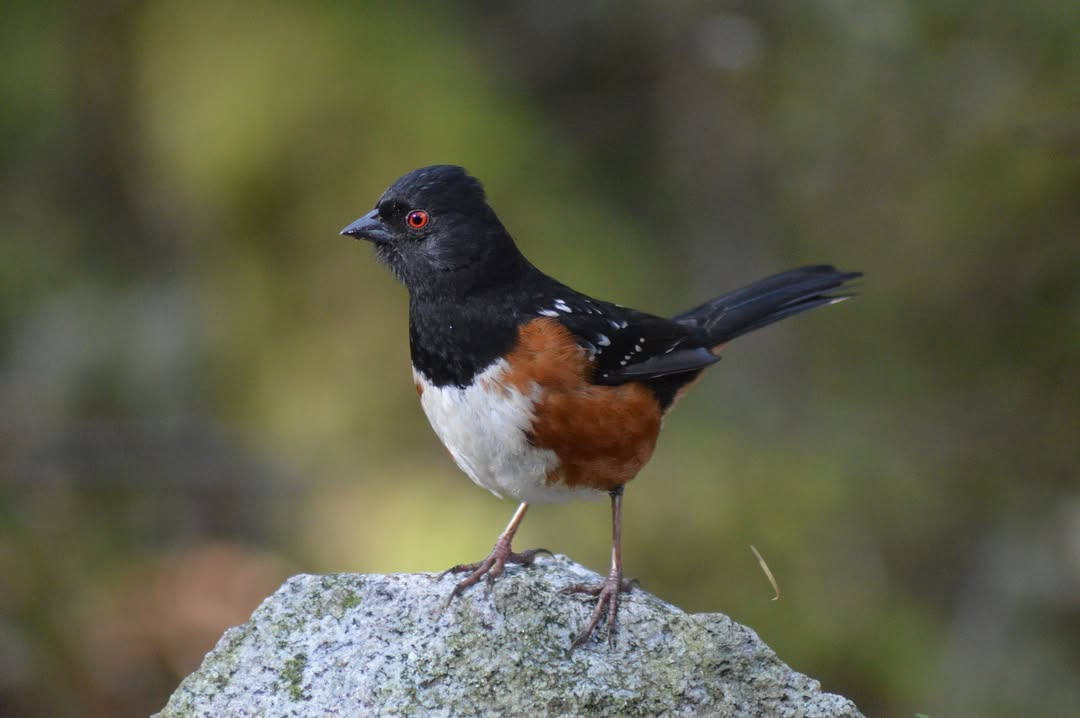
Challenge students to identify birds in the #FlyingWILD activity "The Birding Beat." Students can learn to use bird identification characteristics like silhouette, plumage, and habitat along with a field guide.
Are you passionate about giving young children opportunities to explore & learn in nature? The 2026 Nature-Based Early Learning Conference (Jun 24–27) is for you! Connect with like-minded educators, discover innovative approaches, & imagine new possibilities for your community.
This year’s theme, Imagine If..., invites us to envision bold possibilities for children, educators, and communities through nature-based early learning. Join us to connect, learn, and imagine what’s possible—together. 🌟
Registration is now open for the 2026 annual Nature-Based Early Learning Conference, happening June 24–27, 2026! 🌿
Register today 👉 https://t.co/BUUlcT0ajs
#NatStart26#EarlyLearning#NatureBasedLearning
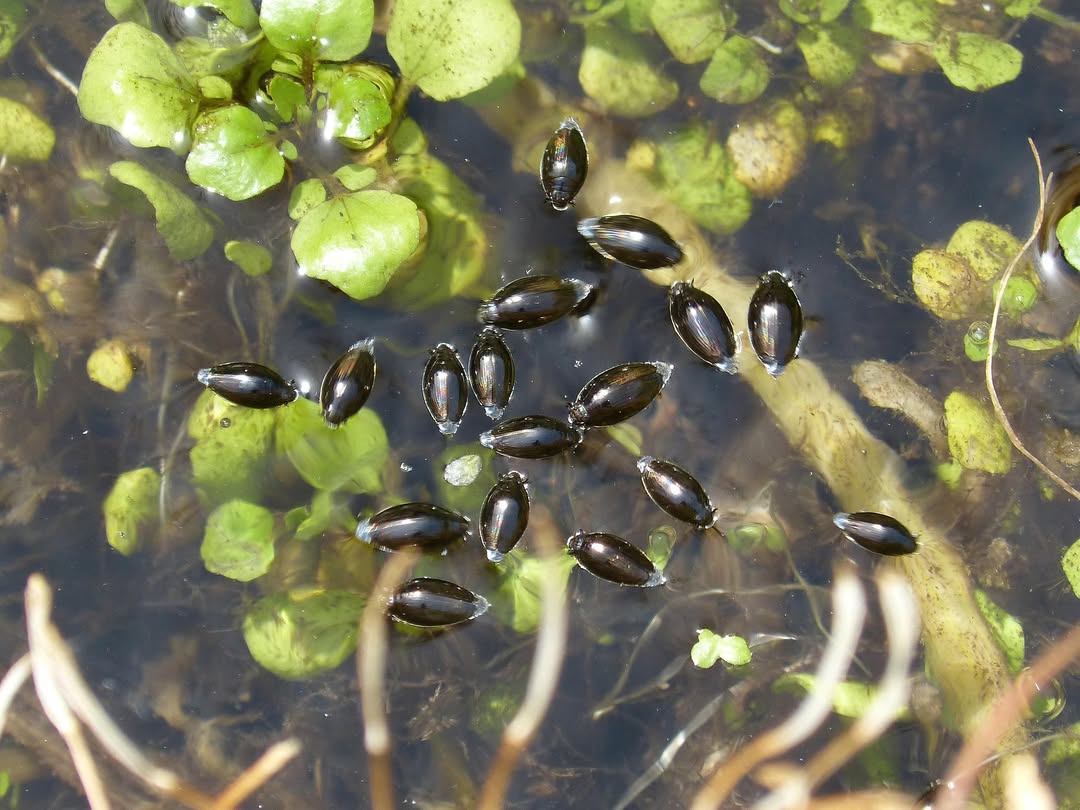
What are the "water canaries" are telling you about local water quality? In the #AquaticWILD activity "Water Canaries," students investigate a stream or pond using sampling techniques in this hands-on activity.
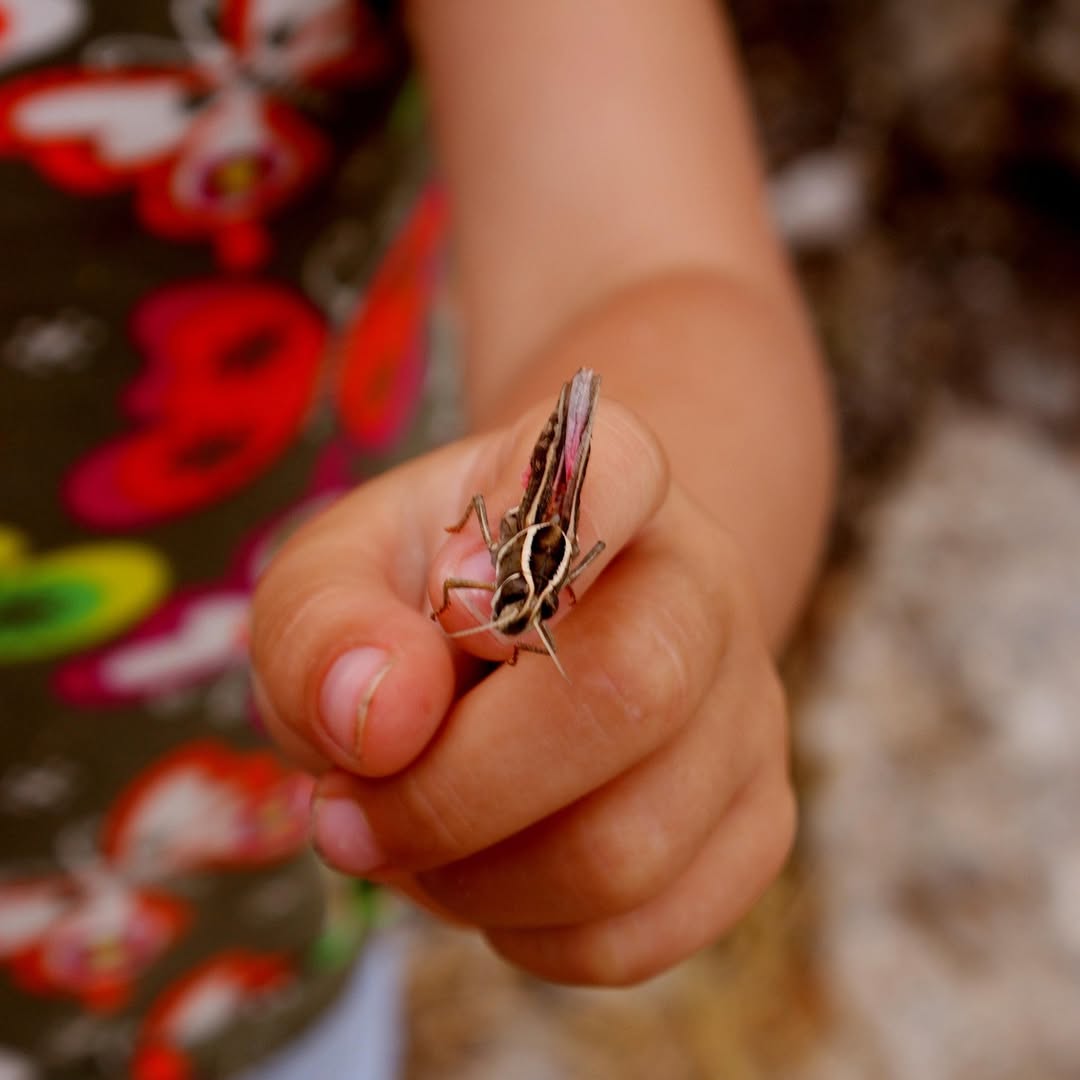
Why are a grasshopper's hind legs larger than its other legs? What are habitat needs of grasshoppers? Your kids will explore questions like these in #GrowingUpWILD's activity "In a Grasshopper's World."