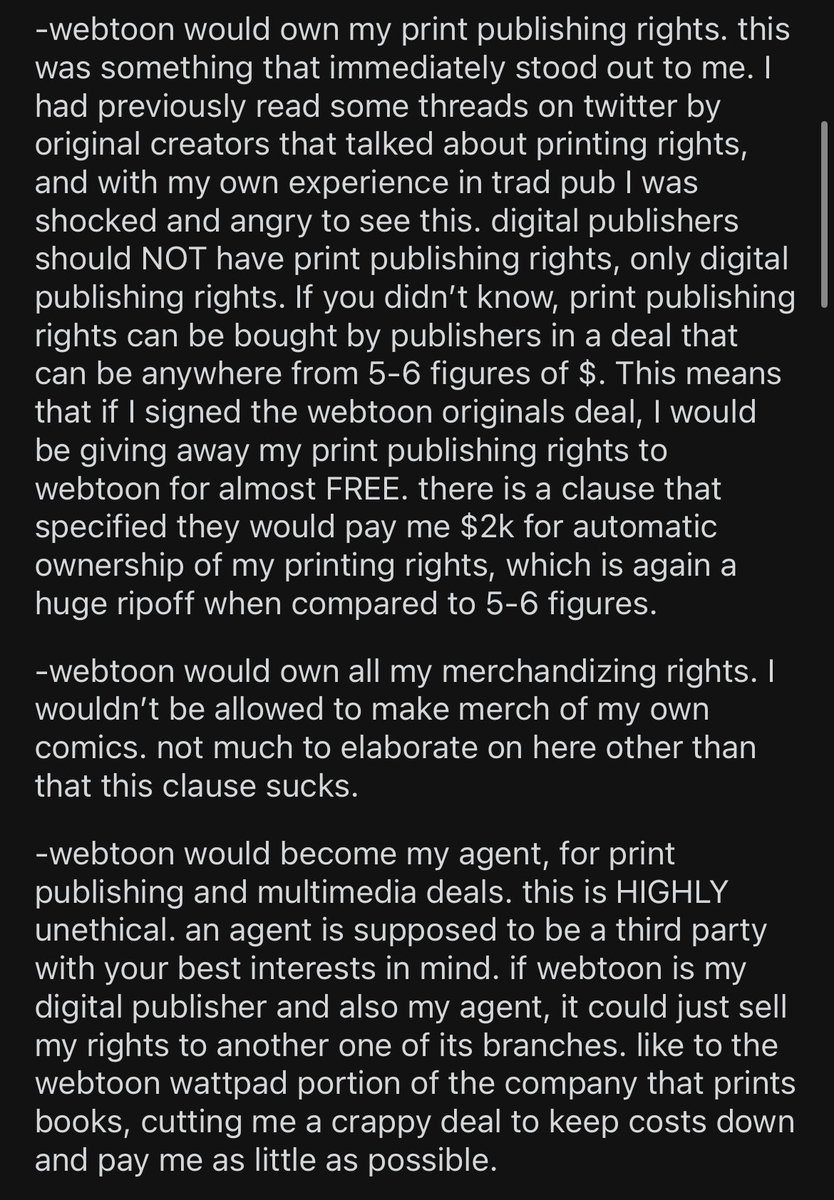
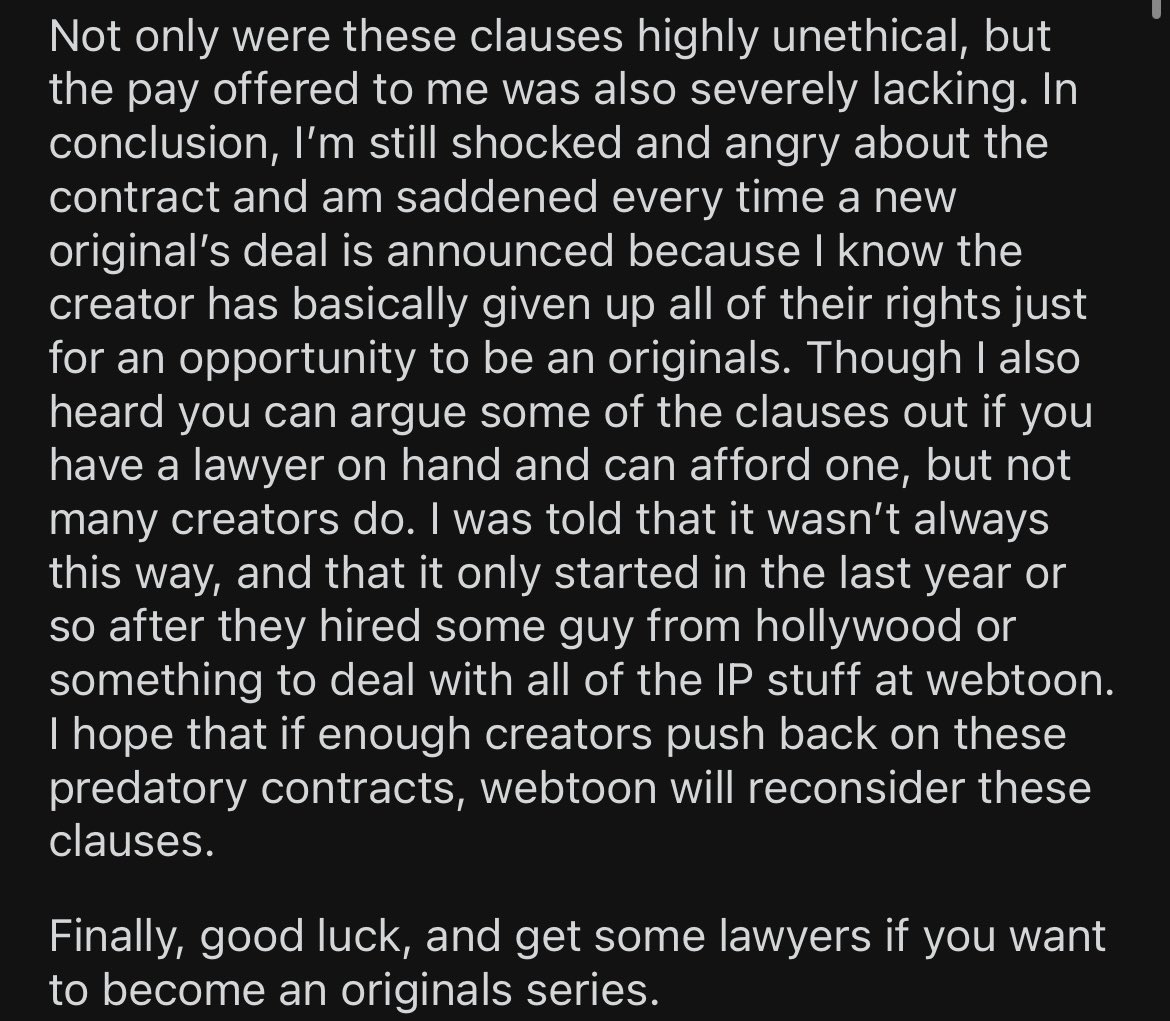
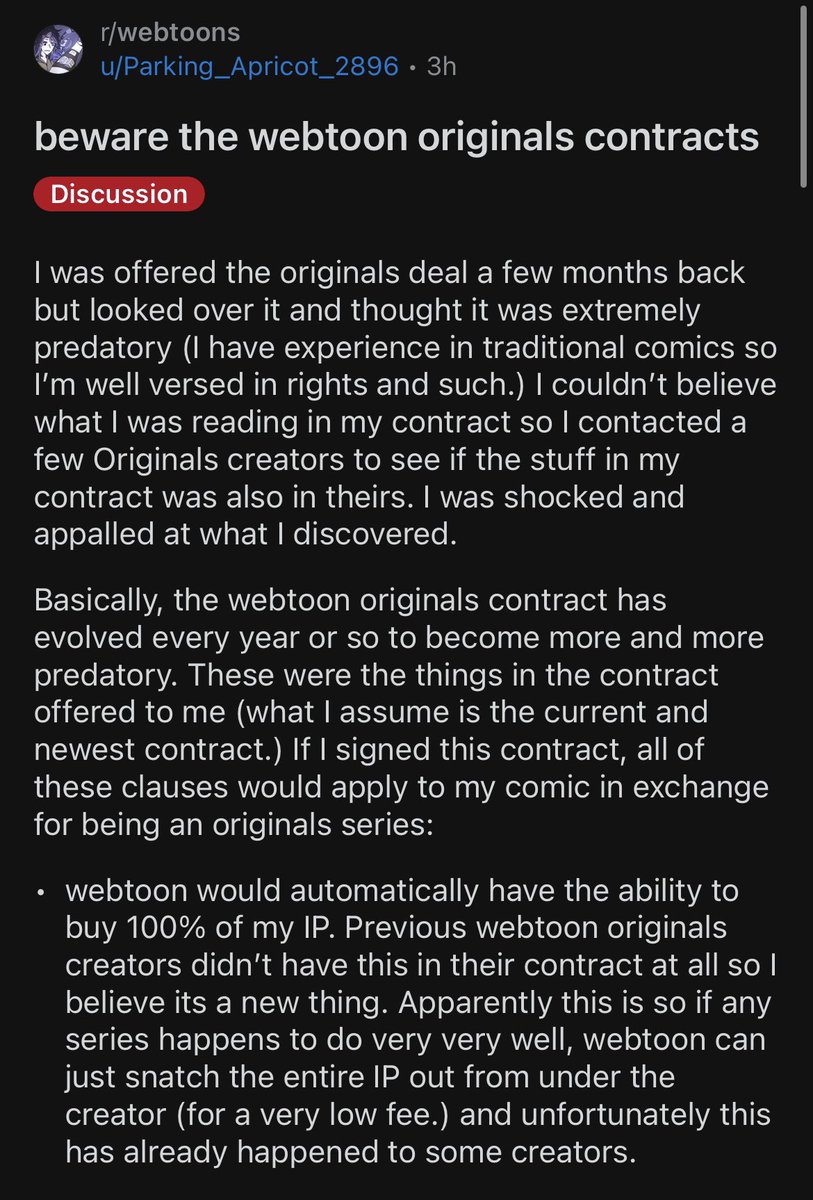
First Adobe changed their Terms to give themselves a permanent license to any content you produce using their software.
Then they pretended it was a misunderstanding.
Then Adobe gaslit people who pointed out that they are full of BS.
Then they put out damage limitation statements that mean nothing.
I have cancelled Adobe and so should you if you are a creator who has a backbone.
Here is what I have done:
1. Premiere Pro -> Davinci Resolve
This is an upgrade. The software is less clunky and actually works better.
Integration with hardware is better.
No licences. No monthly payments.
I bought the Speed Editor Keyboard that comes with a Resolve license - absolute bargain of a deal.
2. Photoshop -> Affinity Photo
This is also an upgrade. After an hour of getting used to it, Affinity software actually works better.
Image editing and my YouTube workflow are better.
3. Illustrator -> Affinity Designer
Same as above - actually very good software.
***
In the last few years Adobe’s competitors have caught up with and overtaken Adobe.
I was blind to how good the alternatives have become, using Adobe stuff because I was a creature of habit.
Would very strongly recommend trying the alternatives out.
You might surprise yourself… And save a boatload of cash.
*The social media girls got stranded with car problems this morning*
Us: hello, can we get a tow?
*the wrecker service guy:
Well I got ten toes (🦶) but none of em’ I can spare — AHAHAHAHAHAHAHAH
Us: sir we need help 🥹🙂
Him: I know imma coming to get ya.
Is A Call For Diversity In Publishing Real?
As a BIPOC author, I am biracial. That means I don't fit in one box. Being half-Puerto Rican & half-Korean, I've written both cultures in my books. What I find most discouraging about this industry is their call for BIPOC stories. However, no matter how well written, how good it is, or how interesting the premise might be - I still see the mega book deals given to non-BIPOC authors. There are still fewer ethnic stories getting acquired.
There is a call for BIPOC stories. I've written a Korean-themed thriller, and I can't tell you how many people thought the premise was "fantastic" and the writing was well done, but they're still passing. Regardless of who writes a story, yes, it still has to be executed well. However, when we give them diverse stories, BIPOC writers will often hear: "Sorry, we didn't connect with it."
So, as a biracial author, I must ask an honest question: Is it really the writing you don't connect with or the culture that isn't yours?
Here are the facts: institutional racism and subconscious racism still exist. This is evident in that 75-80% of big contracts are still given to non-BIPOC authors and their non-BIPOC stories. True diversity should go beyond exploitative marketing language.
#WritingCommunity #BIPOC #WOC #OWNVOICES
@vonnestar@mschristinema Utterly wild that people don't think of these details.
(Also, coworker presented as a white woman, hence why I went with the generic names I did.)
@vonnestar@mschristinema I had a coworker who had a hyphenated last name, but because somebody forgot to put the hyphen in on her child's birth certificate, he legally had a different last name than her.
Example
Her name = Jane Brown-Smith
His name = John Brown Smith, where Brown became his middle name
@mschristinema That said, the situation still needs to be dealt with. Does this need to be a legal surname/family name? If not, you might have the least resistance by popping a hyphen at the end. (I would think, anyway, since hyphens are common in "last" names.)
2/2
In the meantime, my debut YA romcom, about the Elizabeth Darcy-esque daughter of working class Bangladeshi immigrants in NJ who thwarts her mother’s matchmaking attempts by entering into a fake dating scheme, is out in paperback NEXT WEEK!
Get your copy: https://t.co/J5aOfHtf5j
They just called for “Jennifer” three times in the waiting room, and I have anxiety so there was a second where I wondered if my name was actually Jennifer