Propastop is run by volunteers at the Estonian Defence League (Kaitseliit). We monitor & fact check propaganda against the Republic of Estonia. DM us your tips.
Estonia, "the tiny ex-Soviet state" as headline writers often describe it, is actually larger than mid-sized European states like Denmark & Switzerland.
Country size doesn't actually matter, but here's some clichés that really are worth avoiding.
More: https://t.co/MzLELjvP2V
From "hostile neighbour" to "terrorist state": Kremlin media just escalated its lies about Estonia.
📈 Coverage +27% in a week
🎯 Security-threat narrative nearly doubled
What's behind the false terrorism claims, and why now? Read our breakdown 👇
🔥 A fire at Russia’s Ust-Luga port was visible from Estonia. But where exactly was this photo taken?
🔍 Put your geolocation skills to the test using the clues in the image and open sources.
Can you find the spot? Take on Propastop’s picture challenge 👇
🎥 Russia’s own sources cast doubt on Moscow’s accusations
On 23 November, Russia’s Foreign Ministry once again accused Estonia of allowing Ukrainian drones to use its airspace.
But a video reconstruction of the drone attack on the Russian cargo ship Sparta II tells a different story.
Produced by Boresight and shared by Baltic Takes, the video draws on drone sightings reported in Russia and warnings issued by local authorities. According to its creators, these reports point to the drones flying over Russian territory.
What makes the reconstruction particularly noteworthy is that it is based not on official Ukrainian or Estonian explanations, but on publicly available reports from Russia itself.
The video does not conclusively establish the drones’ actual flight path, but it casts doubt on the grounds for Moscow’s accusations.
Open-source analysis is one way to scrutinise state propaganda, even when not all the information about an incident is available.
🎬 Video: Boresight / @Baltic_Takes
🤖 The language you ask AI in can shape the information it gives you.
A NATO StratCom COE study found hostile state-linked sources in 34.6% of Russian-language answers about Latvia’s elections, compared with 4% in Latvian.
AI can give propaganda a credible-looking platform. Read the full story on Propastop.
🚧 Estonia’s plan to close the Russian border has unleashed a storm of outrage in Russian media.
The claims? Russophobia, economic self-destruction, a government hurting its own people. Even real concerns voiced by Narva residents and Seto representatives are folded into the story.
How does it work? Read our analysis 👇
💣 8,000 fake bomb threats in a month. Who is spreading panic across Europe?
🏫 School evacuations, diverted flights, interrupted TV broadcasts — all because of explosive devices that don’t exist.
According to Reuters, more than 8,000 fake threats were recorded across Europe in a single month. On 11 November alone, around 6,300 schools in Italy received bomb threats.
🔎 Who is behind them? French authorities have not ruled out foreign interference, including from Russia. Europol is investigating, but the people responsible have not yet been identified.
⚠️ Fear can be a weapon too. Even without explosives.
🔗 Read more:
https://t.co/yakxPWGyVZ
The Kremlin doesn’t just rewrite history. It weaponizes it: whitewashing occupation as “liberation,” turning memorials into flashpoints and using May 9 to stir division in Estonia.
The past is real. The Kremlin’s version is propaganda.
🔎 Read more on Propastop.
🪦 Soviet memorials removed. An anti-fascist poster investigated. Russian media stitch the events into one claim: Estonia is dishonouring Red Army soldiers and fighting anti-fascism.
🔎 How does this propaganda narrative work? Read our analysis on Propastop 👇
Russian media and Telegram channels repeat messages about Estonia. Propamon helps you spot the narratives, track how they spread and explore the articles behind them.
Now live, free and available in three languages: https://t.co/NvjxJT9aM6 🔎
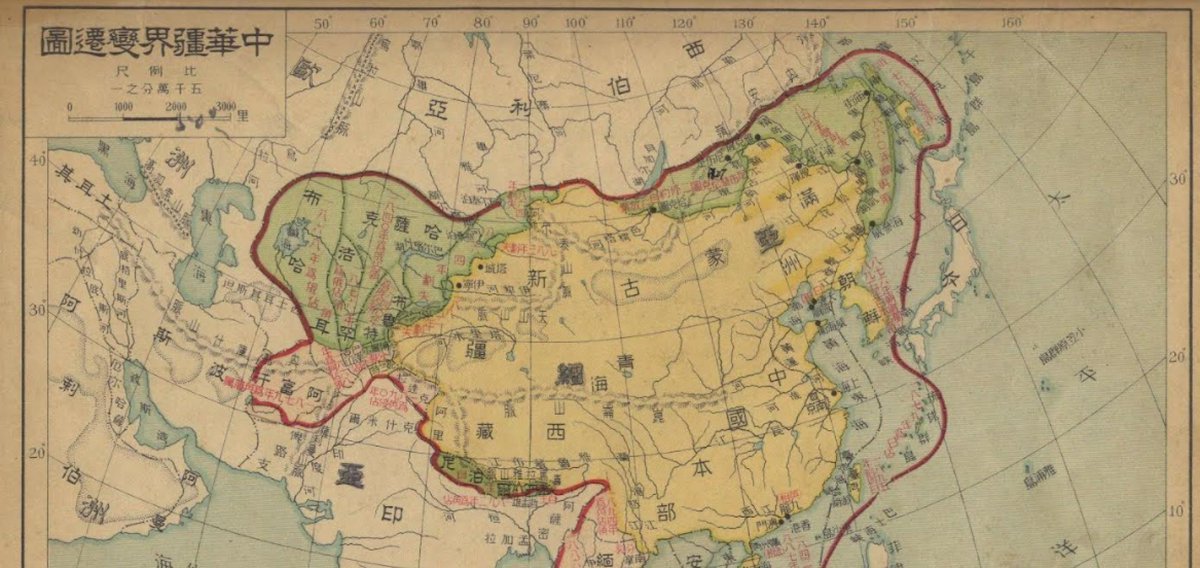
The China–Russia border took centuries to shape. In the 19th century, Russia seized the moment to force a weakened Qing China to cede more than 600,000 km², including the land where Vladivostok now stands. The border is settled on paper. In China, the debate isn’t over.
Read more at Propastop.
📱 Drone threats and information noise: what should you know?
On the night of 11 November, residents in eight Estonian counties received an EE-ALARM alert about a possible air threat. At the same time, reports emerged of Ukrainian drone attacks in Russia’s Leningrad region.
Meduza reports that, according to the regional governor, more than 150 drones were intercepted overnight. A fire broke out at the Port of Ust-Luga, and three workers were injured. These claims come from Russian authorities and have not been independently verified.
Events like these often bring a wave of information noise. Videos allegedly showing drones, explosions and fires can spread quickly on social media. Even when a video is genuine, the time and place claimed in the post may be wrong. Old footage, images from events elsewhere, or misleading captions can also resurface.
🔎 Before sharing a dramatic video, check three things: Is its source known? Have the time and location been verified? Are reliable news outlets reporting the same event? A genuine video can still mislead if it comes with a false explanation.
If there is an air threat, follow official alerts and guidance, not speculation on social media. EE-ALARM warns people about a possible threat; the alert does not mean Estonia is the target of an attack.
Don’t let information noise make the threat seem greater than it is. Verified information helps us keep a clear picture, even in anxious times.
📸 A photo can be real and still tell a false story.
An old image from another country can be shared as breaking news. No AI or sophisticated editing needed.
On day three of Information Literacy Days, we show you how to check an image in just three minutes. 🔍
Read the full article on Propastop 👇