Mannum Waters is quickly becoming South Australia’s new red-hot destination for property investment, just 70 minutes from Adelaide.
Waterview land from only $199,000.
https://t.co/sGHoILKy6M
Australia’s 12 MPs going to the World Cup is paid for by you.
They get :
Business class
Security
Five star hotel
Chauffeured transport ( about $2000 per person per day )
$500- $1000 per day covering meals and allowances
On top of the twelve MPs attending your tax dollars will also cover media liaison officers , department advisors, foreign affairs officials , travel manager, event coordinator, accomodation coordinator and transport coordinator , risk and intelligence liaison officers, photographer, videographer, travel health support officer, embassy liaison officers , note taker, parliamentary clerk assistant, speech writer, government communications officer.
Meanwhile
We are all putting the blueberries back waiting for next week when they may be $2 cheaper.
These people are criminal.
The Grandfathering Loophole Nobody Has Noticed
I've been thinking through the implications of grandfathering and one potential consequence stands out.
If existing investment properties are grandfathered, they may effectively become long-term "deductible debt reservoirs".
The reason is that interest deductibility generally follows the use of the borrowed funds, not the property securing the loan. Therefore, if an investor borrows against a grandfathered property and uses those funds for new income-producing investments (shares, ETFs, businesses, commercial property, etc.), the interest may remain deductible, subject to the ATO's tracing rules.
Borrowing against the property to pay off a home loan would generally not qualify because the borrowing has been used for a private purpose.
This creates a potentially powerful incentive not to sell grandfathered investment properties. Investors may be giving up not only the rental income, but also a valuable financing platform for future investments.
Ironically, that could reduce turnover of existing investment properties and keep more housing stock locked away from owner-occupiers, the opposite of what the policy is intended to achieve.
The legislation could attempt to address this by limiting grandfathering to debt balances existing at a specified date, rather than allowing future borrowings secured against the property. The critical date could be Budget night, the introduction of the legislation, or the commencement date itself.
If future borrowings are ultimately excluded, investors have a significant incentive to increase LVRs before the relevant cut-off date to take full advantage of the grandfathered debt reservoir.
The details of the legislation will matter enormously.
DYODD: This is simply an observation about a possible consequence of the policy. I don't personally use debt and there may well be aspects of the legislation or tax law that I have overlooked.
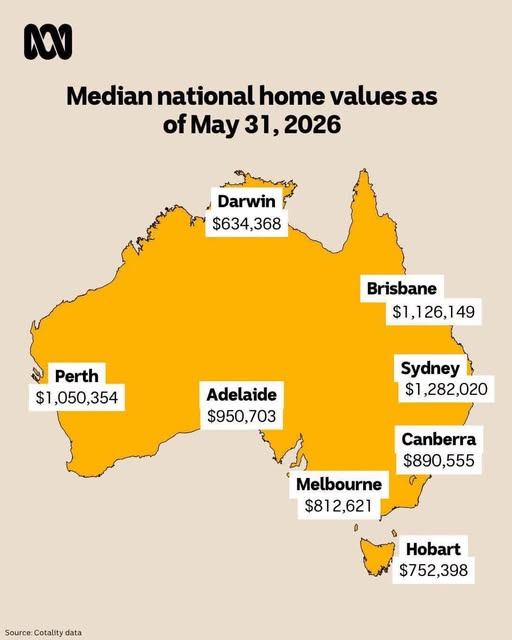
Melbourne's housing market is now the worst-performing of the capital cities. For more on what is driving the downturn, Cotality Head of Research, Gerard Burg, joins Karina Carvalho.
The middle class is the most expensive place to live, and no one talks about it. Lower income households get assistance. The wealthy use tax strategies and loopholes. But the middle class pays full taxes, full tuition, full healthcare, full everything. So you work 50 hours a week just to stay in the same place and fund everyone’s life except yours.