Online research study investigating effects of ageing on the #brain and how to prevent #dementia - hosted at University of Exeter and King’s College London
More menopausal symptoms are linked to weaker brain function in later life, suggesting a potential early warning for dementia, finds Dr Zahinoor Ismail’s study. #Menopause#BrainHealth#Dementia@UCalgary@ProtectStudy
https://t.co/NnybTiFhTt
Wrapping up the 1st year of @predictom's activities, we introduce our leaders with their work, ambitions & vision. Interview with @AarslandDag , Professor of Old Age Psychiatry @KingsIoPPN and research lead at Stavanger University Hospital. https://t.co/lj43fcTx3c
Sports-related concussions may not be associated with long-term cognitive risks for non-professional athletes, according to new research from @UniofExeter.
It's the largest study to date with 15,000 participants from the @ProtectStudy.
Full story: https://t.co/DGQyQiSuRw
The #PREDICTOM website is live! https://t.co/IFTXK0Lxez
PREDICTOM is an international research initiative to aid the early and accurate diagnosis of #AlzheimersDisease using digital, fluid and neuroimaging biomarkers. Click on the link to learn more
The Centre for Healthy Brain Ageing field team! If you are interested in taking part in research related to Alzheimer's Disease, Parkinson's disease, Lewy Body Disease or Mild Cognitive Impairment, do get in touch! These are the friendly faces who you'll be working with
Did you know our @ProtectStudy has found a number of things that reduce #dementia risk in later life? Including playing an instrument, eating a Mediterranean diet, and completing brain training games. Over 40s can take part without leaving their home: https://t.co/6qYITiwMKN
Are you experiencing brain fog or memory problems after having #COVID19 The new BEACON trial is testing a brain training app to improve brain health. Recruiting now at https://t.co/vSftxrRjdo @ExeterBRC
Our new study BEACON on @BBCSpotlight
https://t.co/lTd5U51U2G
BEACON looks at whether online brain training games are effective at reducing the impact of long #Covid on brain function.
Sign up to the study: https://t.co/mSEuMtu1cJ
A new study, BEACON, is being launched to look at whether online brain training games are effective at reducing the impact of long #Covid on brain function.
>Read the story:
https://t.co/Pw6ZPFyOlv
>Sign up to the study: https://t.co/MHU7LtuPQ6
Read about our research in the @guardian. Our findings showed that playing a musical instrument or singing is linked to better memory in older age https://t.co/PgtbU5ZHKx
New study by experts at @UniofExeter shows that engaging in #music throughout your life is associated with better brain health in older age. @NIHRresearch
Full story: https://t.co/3WE4vp2ZIC
Read about our research in the @guardian . Our findings showed that brain health in the over 50s deteriorated more rapidly during the pandemic, even if they didn’t have #covid.
https://t.co/RriktjTLCo
Prevention is the best means of tackling #dementia. Our research has concluded that a healthy lifestyle can help reduce dementia risk by 40%. Learn more at https://t.co/f0fTLvOVEL #ExeterDementia@ExeterMed
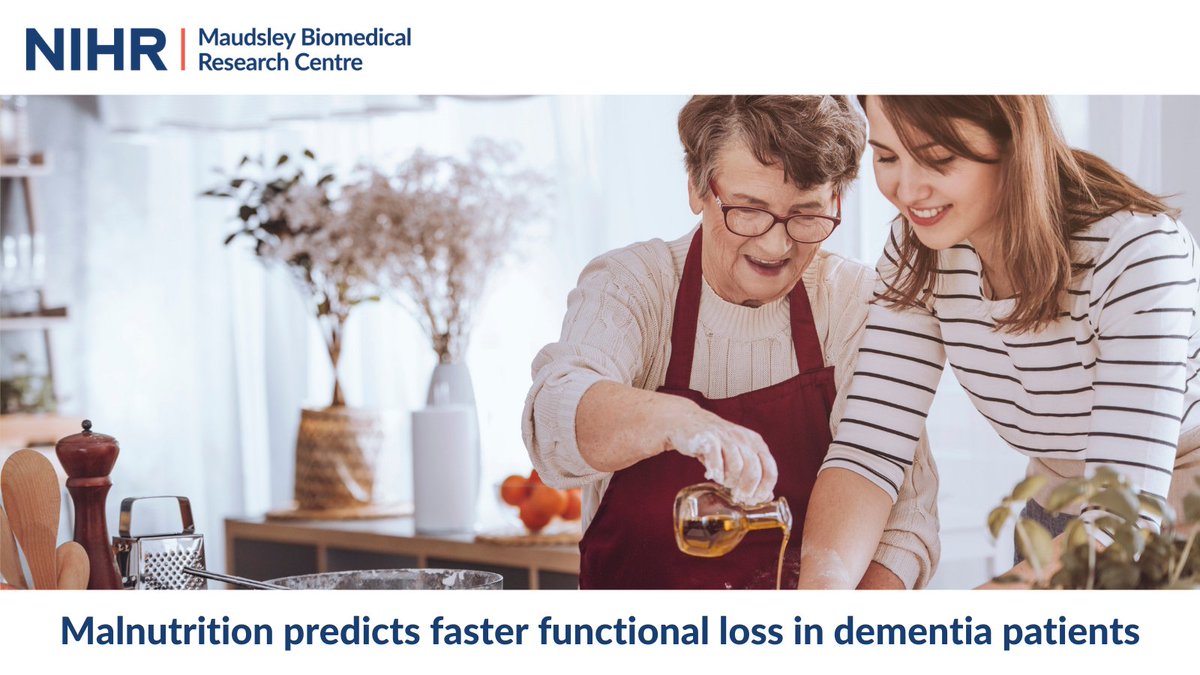
Research by @AarslandDag & @MiguelGBorda2 highlights the importance of understanding malnutrition in people with #dementia to predict functional decline. Research led by @KingsIoPPN & @UniStavanger
Read more ▶️https://t.co/G39mUWaWQp
We used data collected as part of PROTECT to examine how #lockdown has affected people.
We found that loneliness in adults aged 50 and over during the #COVID19 lockdown was linked to worsening depressive and other mental health symptoms.
Read More- https://t.co/0vLcA48g3m
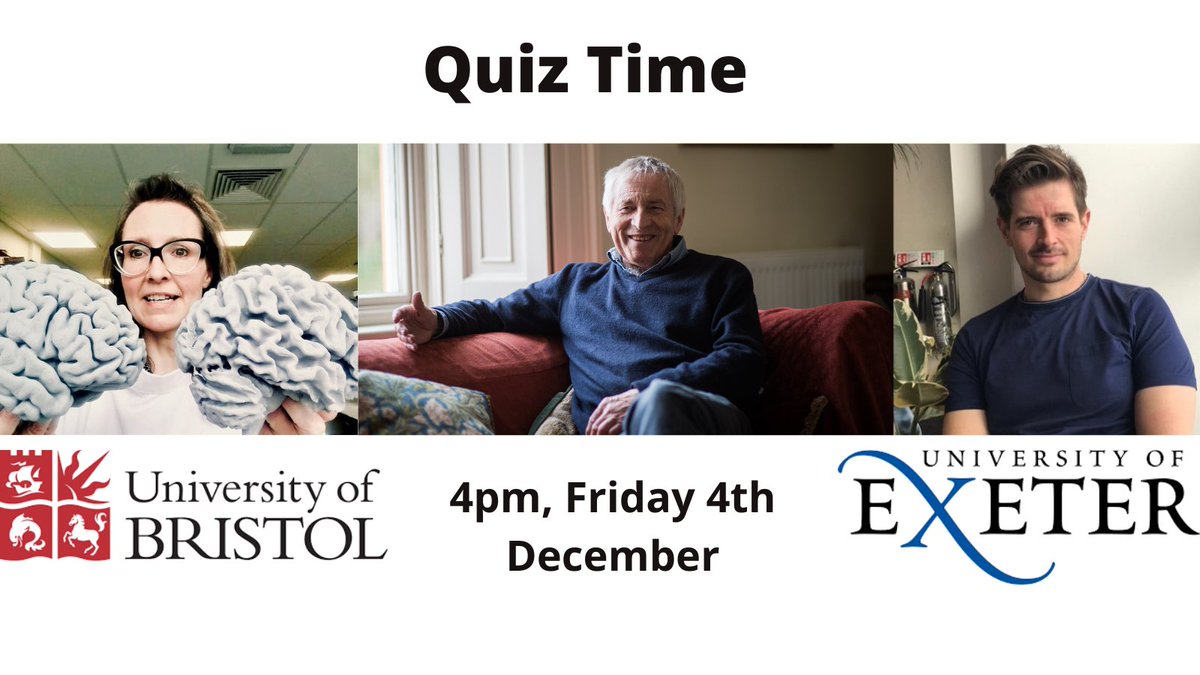
Find out who is the smartest of them all, tomorrow, at 'A Christmas Cracker.'
@dimbleby_jd will be pitting @BristolUni scientists against @UniofExeter scientists in this fun quiz.
Tickets are FREE, donations to #dementia#research welcome.
Book now👉https://t.co/emicZIlfGC