You might have heard about the fight TX is having with the federal govt to stop the Nuclear Regulatory Commission from storing high-level nuclear waste in the Permian Basin, but there’s another effort underway that would make disposing nuclear waste less safe.
An armed drone pierced a reactor in Ukraine. Drones threaten critical infrastructure. As Homeland Security analyzes threats from drones flying over reactors, they must also analyze drone strikes if pvt companies succeed in storing hi-level rad waste in the oil rich Permian Basin
Now, protect U.S. oil which is a source of national security. American oil fuels our economy. But the Dept of Energy and the @NRCgov are sabotaging oil production because they favor their so-called “green” nuke buddies. Quit forcing nuke waste on states that don’t consent.
Following President Trump’s order to unleash American energy dominance, the U.S. Department of Energy has ended the LNG exports pause and is returning the department to regular order.
America is open for business.
https://t.co/nNKTOGwhq9
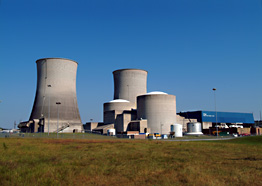
On January 17 the Watts Bar-1 #nuclear reactor in #Tennessee automatically scrammed at full power after the turbine tripped. The reactor is still down this morning. Congrats TVA, you've had the first two scrams of the year.
As we move into a new year, let's continue to stand united as the Permian Basin community to defend our home and future from the looming threat of nuclear waste.
2025 will be a big year for us as we are bringing the voices of our community to the Supreme Court. 💪⚖️
When the Nuclear Regulatory Commission gives the benefit of the doubt to private waste companies, the companies wind up with the benefits while the American people are left with all the doubt. @elonmusk@NRCgov@ENERGY@realDonaldTrump
April was the cruellest month last year for the U.S. #nuclear fleet, with 10 scrams (sudden unplanned shutdowns). Overall there were 50 in 2024, up from 43 in 2023.
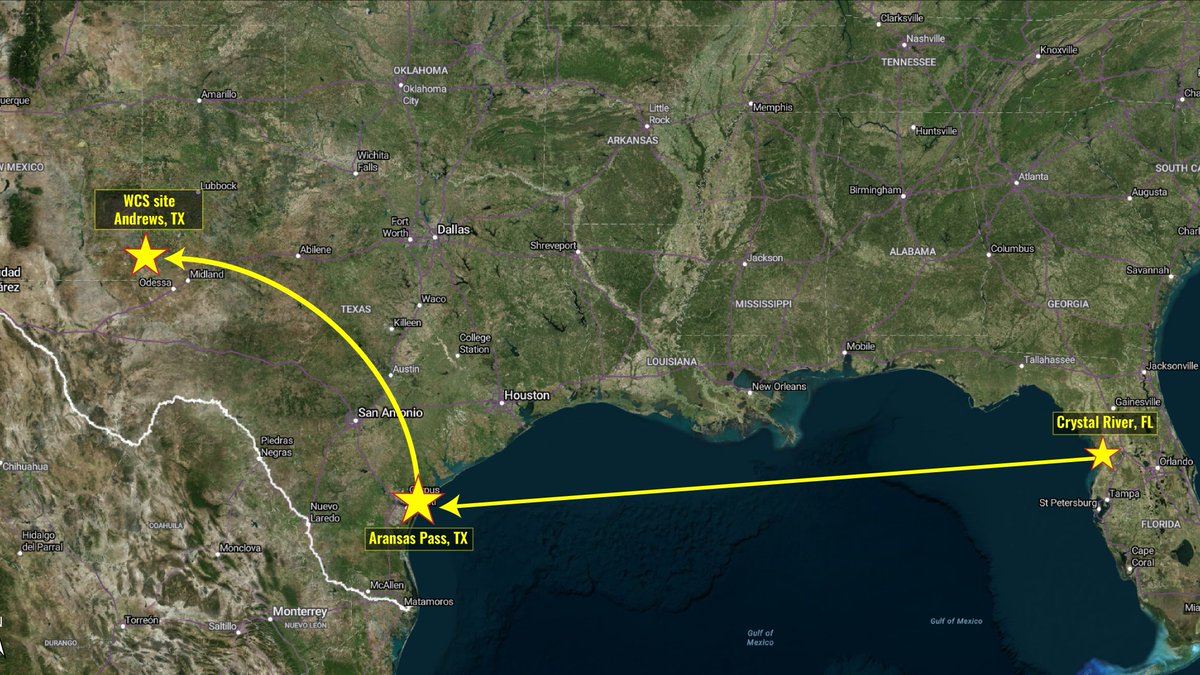
Transporting nuclear waste endangers not only Permian Basin residents but also hundreds of communities along transit routes like this one. Long-distance transport risks accidents or attacks, potentially releasing radiation, leading to evacuations and long-term contamination.
Transporting hazardous materials over long distances creates a risk of accidents, as shown by the '23 East Palestine incident. A crash or attack could endanger health and the environment. ☢️
https://t.co/BmmJo30alW
Just as putting a band-aid on a pipe burst won't fix the problem, using interim storage in place of permanent solutions doesn't fix America's nuclear waste problem. If there is no permanent storage, temporary becomes permanent! @ENERGY it's time for more than band-aid "solutions"
Storing nuclear waste in the Permian Basin could turn this vital energy hub into a prime target for terrorist attacks. Combining nuclear waste with major energy production risks our economic & national security. That is a risk not worth taking. ❌
The Permian Basin is prone to seismic activity, storing nuclear waste there could mean radioactive leaks caused by even a minor earthquake. This would compromise storage integrity & put surrounding communities and resources at risk. 💥 🌾
https://t.co/XR4bGRoD1U
America relies on farms in the Permian Basin, which need clean water from nearby aquifers. Just one nuclear waste leak could contaminate this water, leading to crop failures and unusable land. This fight isn’t just about fuel—it’s about protecting our food. 🚜 #ProtectThePermian
The Permian Basin provides nearly 40% of all U.S. oil production, meaning it doesn’t just power the U.S.—it protects our energy security. Nuclear waste storage in this vital region threatens our ability to produce the oil & gas that fuels America.
https://t.co/ZnUmDk9xm2
Did you know? 💡
Thanks to the Permian Basin, the U.S. is now less reliant on foreign oil. This level of energy independence improves national security by insulating the U.S. economy from global energy price shocks and conflicts around the world.
3. The NRC has repeatedly shut the public out of the licensing process, ignoring input from communities, companies, and elected officials. This disregard for public voices violates our democratic values and the law.