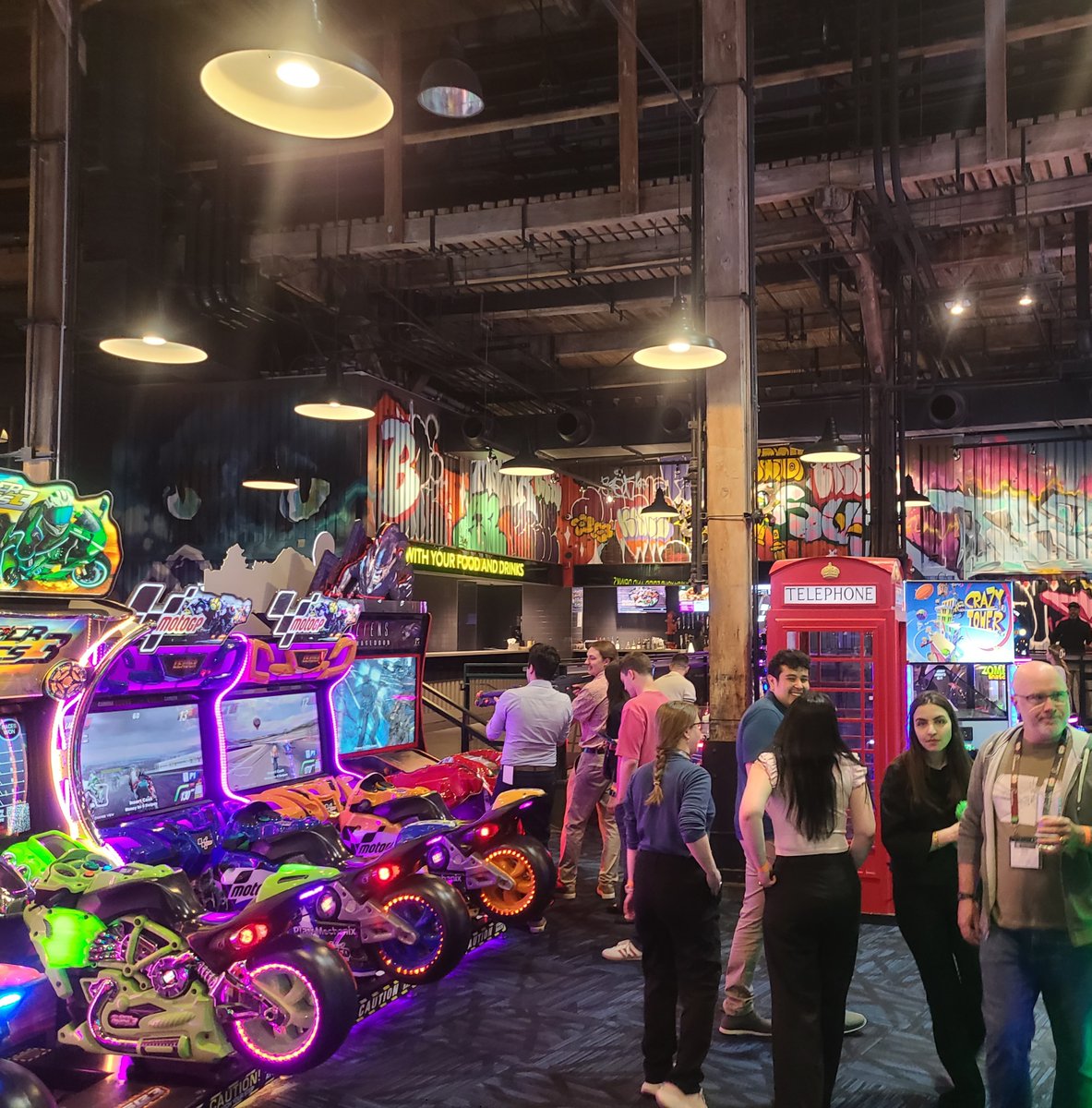
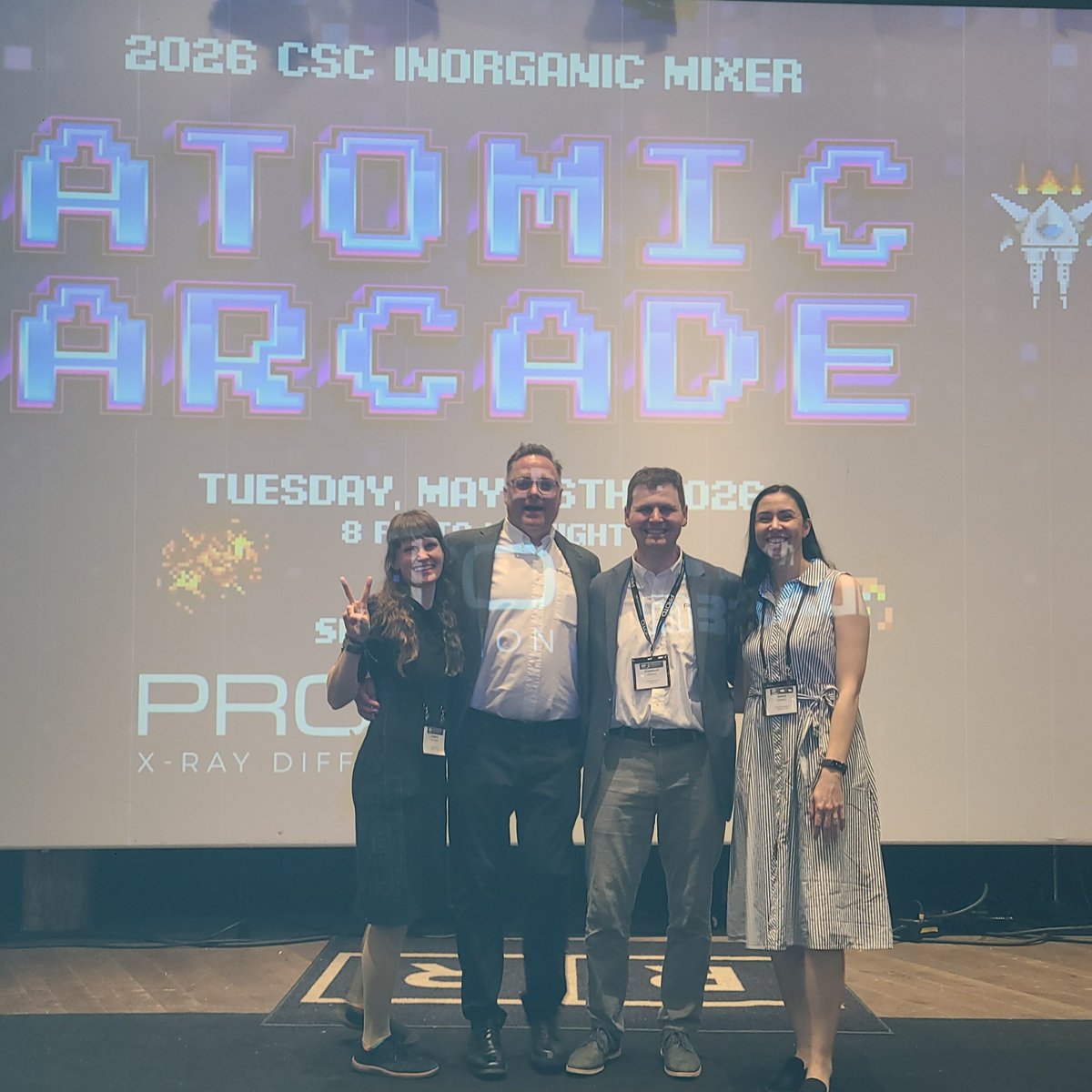
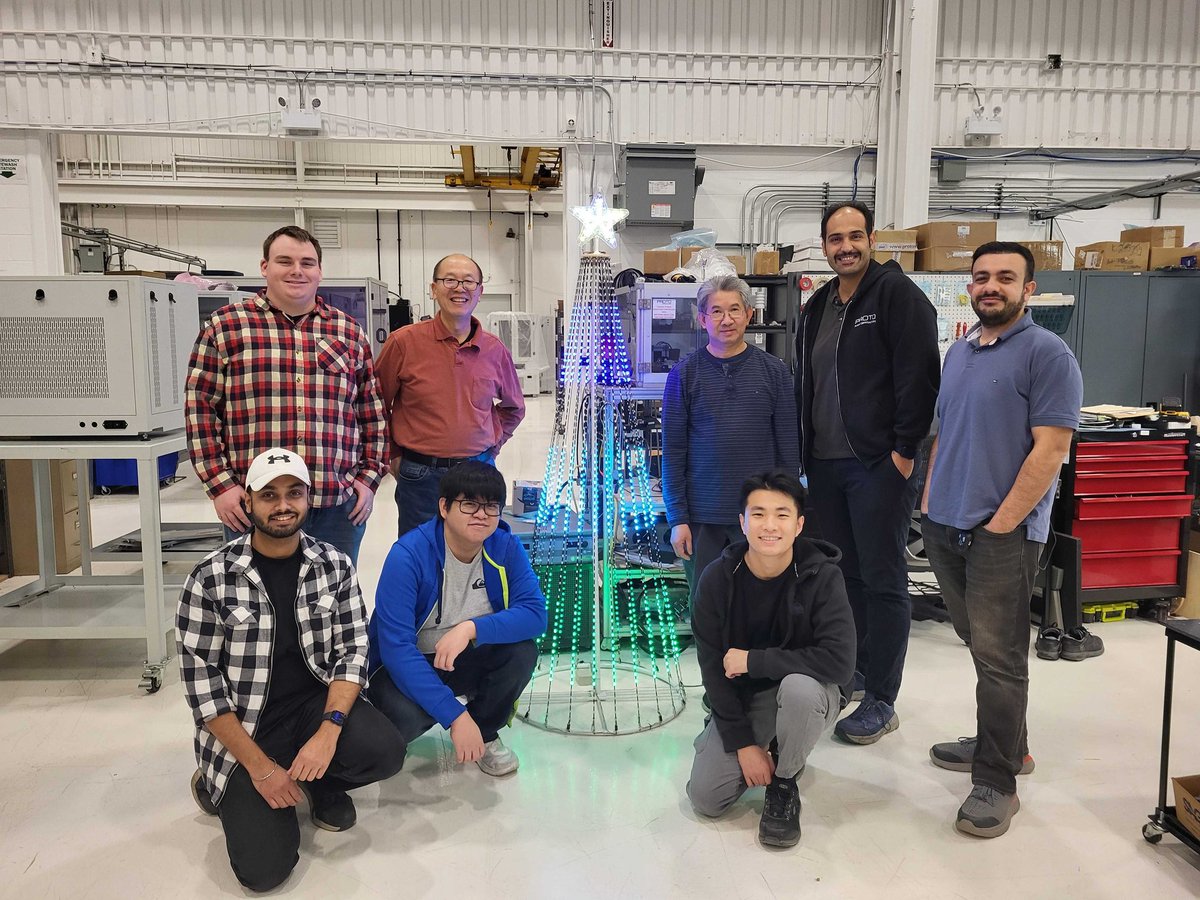
A huge THANK YOU to everyone who came out to the CSC Inorganic Mixer last night! We hope you had a blast at our Atomic Arcade 😊🕹️ #ProtoParty26
Thanks to @MBRAUNsolutions for their support of the mixer, and to The Rec Room for the fantastic venue, food, and service.
We hope everyone is excited for the mixer tomorrow! Here are a few details you need to know:
- There will be a photobooth and a VRX car simulator rented out from 8 pm to 10 pm
- There will be opportunities to play lots of other games throughout the night
(cont'd)
- Make sure to enter our draw to win a door prize at the event
- If you haven't stopped by to check if you're on our list of Inorganic speakers/presenters and you want to attend the party, be sure to come to our booth BEFORE 12 pm tomorrow (Tuesday)!
What a busy and fun first day of #x2026! We'll be back tomorrow starting at 10 am to chat about all things XRD. And you know what they say: if at first you don't get your Inorganic Mixer ticket, try, try again (around noon)! #ProtoParty26
Okay, we can't contain our excitement any longer...
We are thrilled to announce that we will hosting the CSC Inorganic Mixer again this year! Mark your calendars for Tues, May 26 at 8pm and stay tuned for more details - it's going to be a fun one🎮
#x2026#CSC2026#ProtoParty26
Show season has officially begun, and we've been busy! Proto Scientific India is also exhibiting at QMF2F (Quantum Materials: Fundamentals to Functionalities) in Goa this week.
We're excited to speak to you at our booth and learn about your x-ray work!
We're exhibiting at #ACSSpring2026 in Atlanta, GA from March 23–25!
Visit booth 809 to meet the Proto team, tell us about your research, and learn more about our new x-ray crystallography and powder x-ray diffraction platforms.
We look forward to connecting with you in Atlanta!
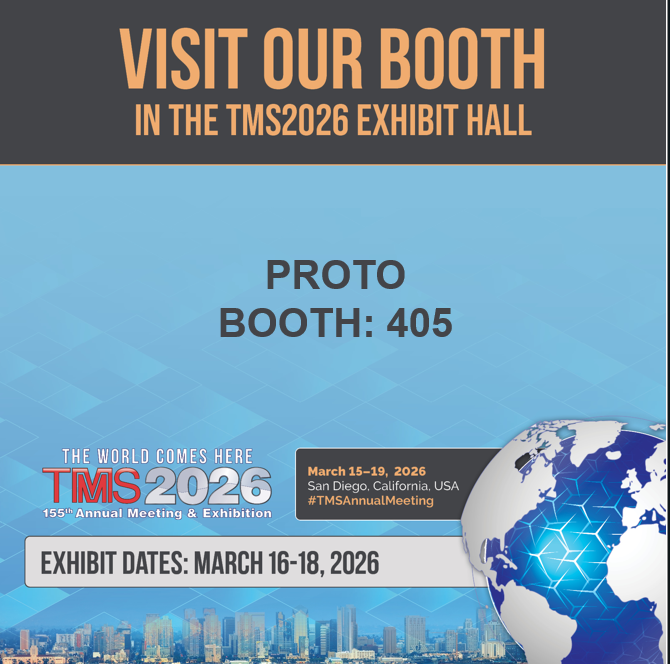
We’re excited to be exhibiting at TMS 2026!
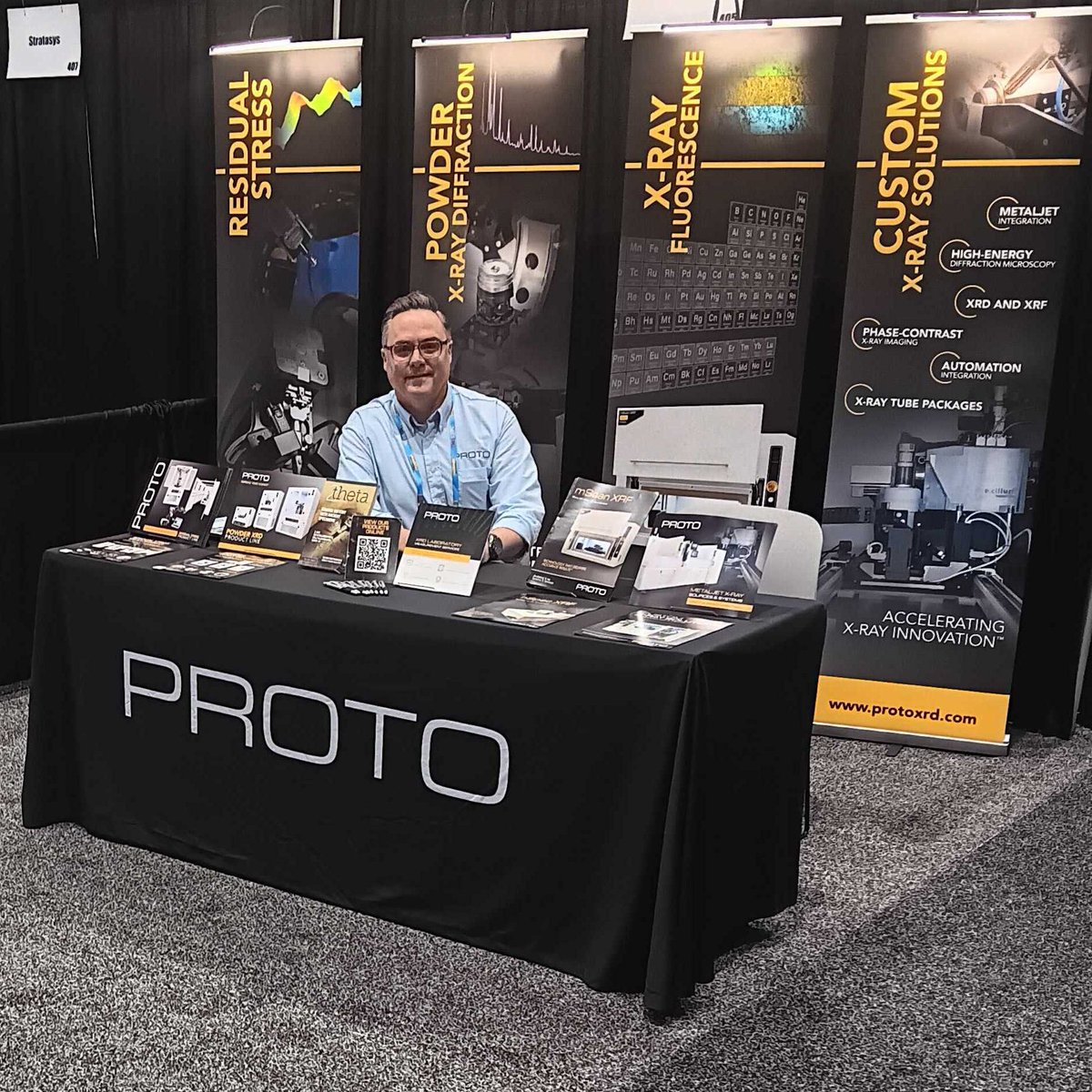
Visit us at booth 405 to learn more about our advanced x-ray characterization solutions.
Exhibit hours are Monday, March 16 from 11 am to 6:30 pm, Tuesday 11 am to 6:30 pm, and Wednesday 10 am to 2 pm.
#TMSAnnualMeeting#ProtoXRD
The bottom line in our #TipThursday series: Always pair technical training with a thorough review of the relevant literature. Focus on critical thinking and strive for ongoing education.
Thank you for joining us as we shared these tips! What would you add? Let’s discuss. ⤵️
Swipe to see the sample hiding at the end of this cabinet 🤭
Why use one detector when you can have three? We can incorporate a customized detector turntable into your MetalJet system to suit your exact requirements. Learn more: https://t.co/R5XzlkY9aj
#TipThursday tip 7: All XRD residual stress information shared should be properly reviewed by experts and disseminated through trusted sources.
Get your information from papers that demonstrate clear documentation of sources and transparent methodology. https://t.co/e2Mcc5DK0K
We hope you all had a great holiday season! We're back in the office and excited to dive into 2026. If you reached out to us during our holiday shutdown, you can expect to get a response very shortly if you haven't already!
Wishing you a healthy, happy new year ✨
It's #TipThursday!
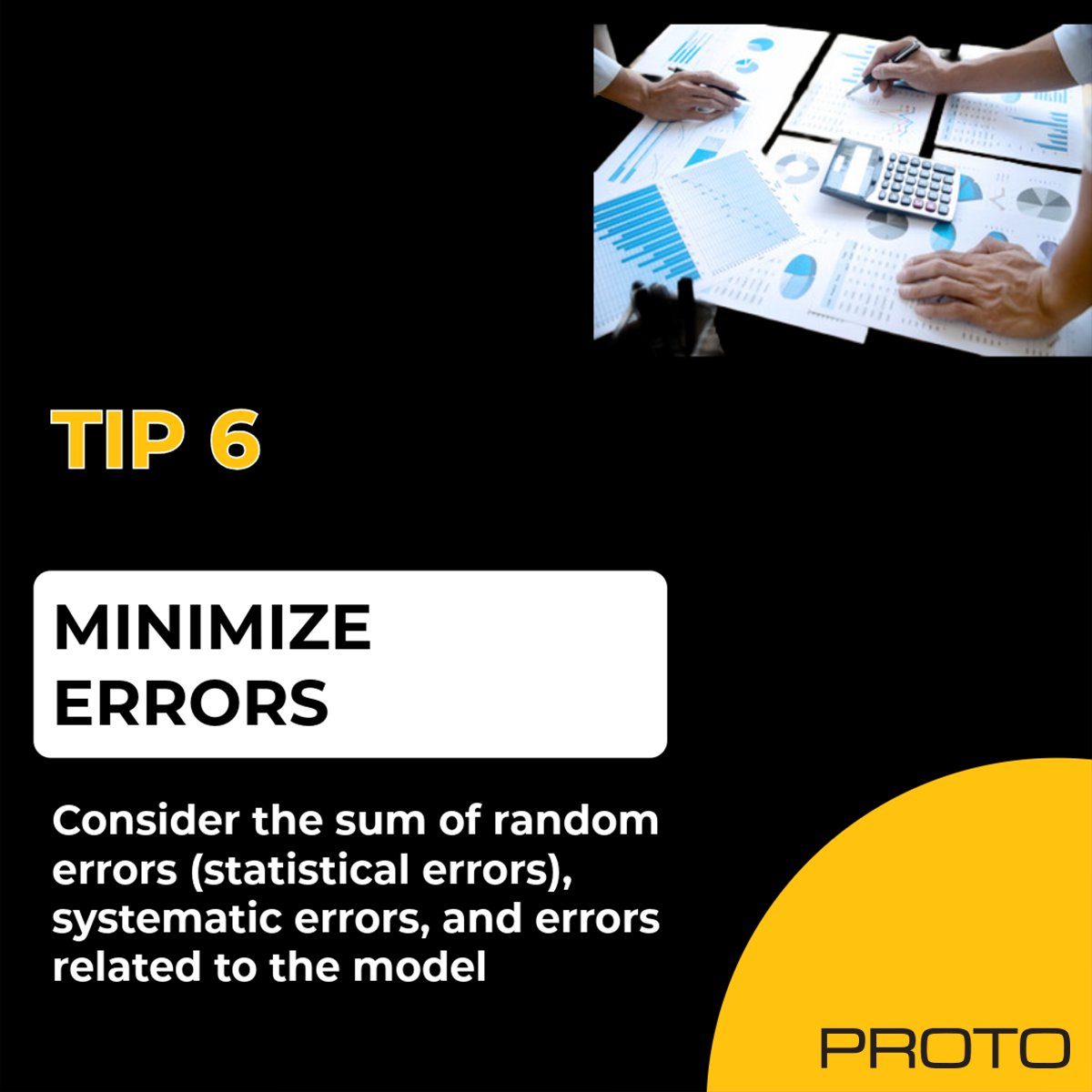
In residual stress measurement, errors can arise from multiple sources: random, systematic, and model-related errors. Consider the sum of these errors and refine your approach to reduce uncertainty and improve measurement accuracy. More: https://t.co/gHcr9H6qaz
Today’s #TipThursday wisdom: Be sure to select appropriate measurement parameters for the given material. Use the correct elastic constants, and if you don’t have that information, four-point bend or other methods may be used.
Read the full article: https://t.co/cWMwZzYWOs
It’s #TipThursday!
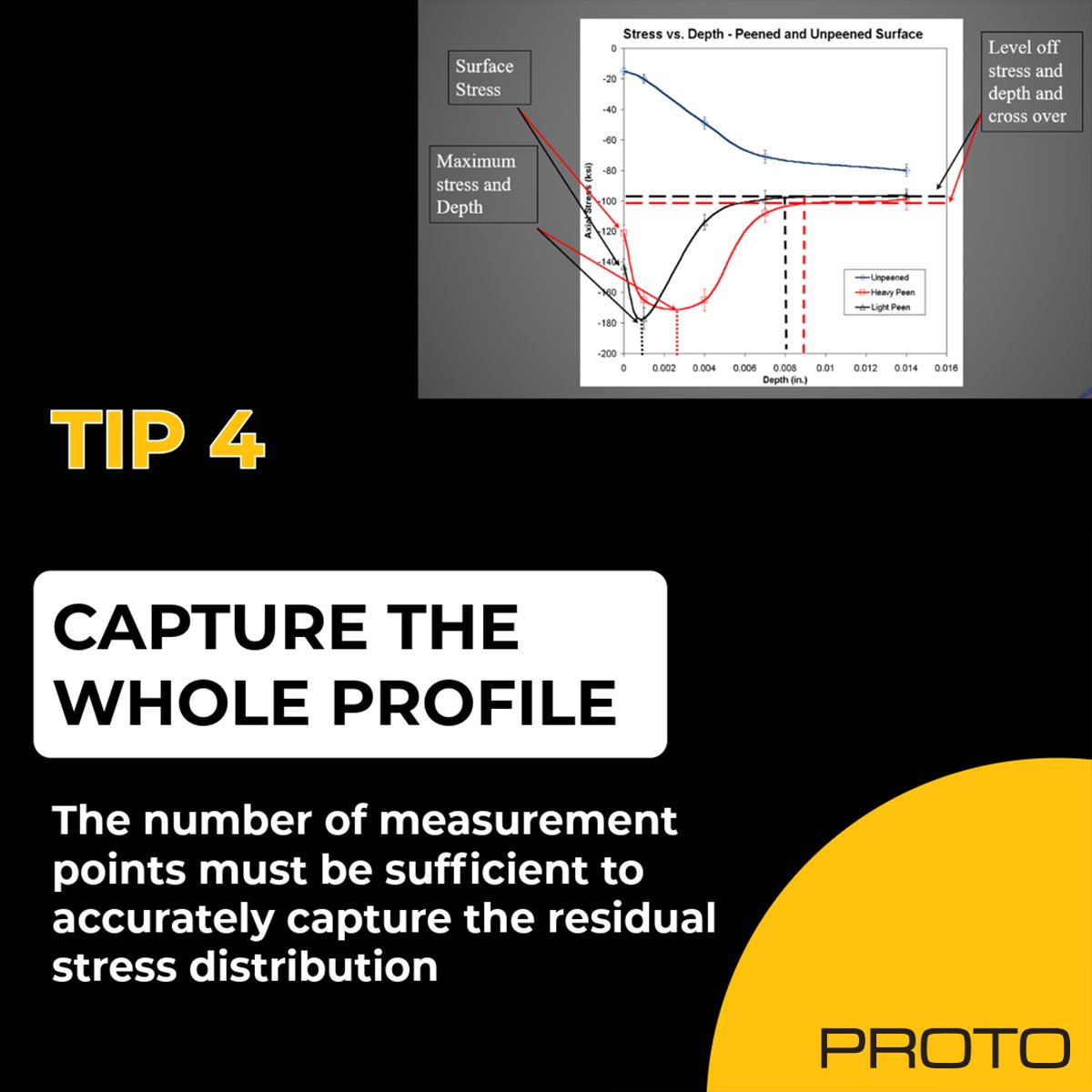
When measuring residual stress, it's crucial to capture the RS distribution of the part, which means that both depth and surface measurements are necessary. Critical stress gradients may be missed if you focus solely on depth or surface.
https://t.co/kmpGg4K09O
#TipThursday: Carefully consider every step in your residual stress measurement process. You will likely start with determining the material’s composition and history. Next, you will select your setup and methodology.
Are you making any assumptions? More: https://t.co/Po9LYvvoNL