Matching people with organ donors is a complex and shifting puzzle. In 2015, scientists used PSC's Blacklight to discover how to match more patients, as well as find donors for patients whose cases made them difficult to match.
https://t.co/l99Wfn0Wpe
#PSC40#PoweringDiscovery
While AI offers the ability to improve experts’ ability to diagnose diseases like breast cancer, errors across the AI field are cause for concern. A team has used Bridges-2 to design a DNN that takes uncertainty into account in diagnosing breast scans.
https://t.co/8V0dIzQMyn
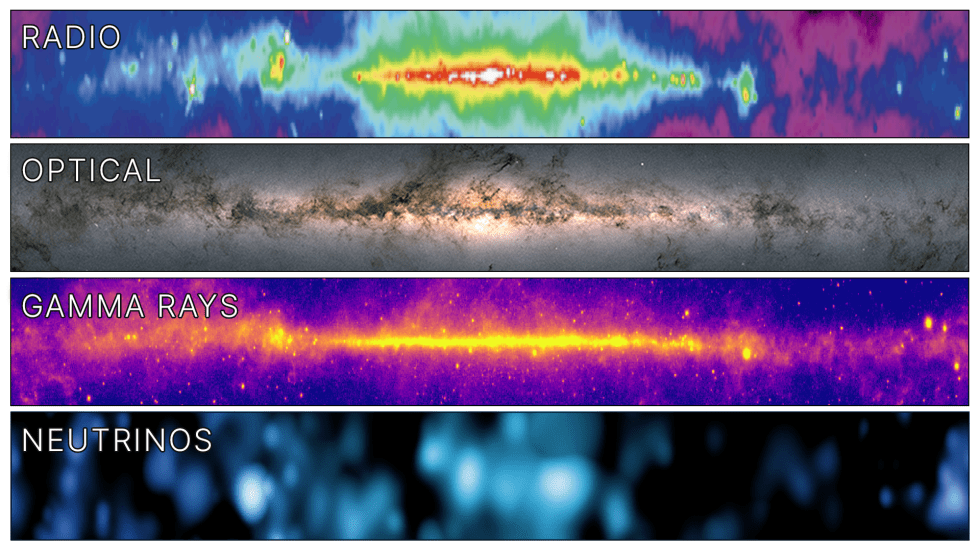
PSC user Francis Halzen has been awarded the 2026 Nobel Prize for Physics!
The Nobel Committee honored Halzen for his groundbreaking work to detect cosmic neutrinos, strange particles that dash through the Universe almost unaffected by regular matter.
https://t.co/zHLRkL8mzJ
From quantum neuro‑cryptanalysis to science writing, Anna does it all. Chris spoke with Anna Sawford, Slippery Rock junior and PSC intern to talk about her time at the center and what's next.
https://t.co/RPHhajVELY
In 2009, using PSC’s Pople, a CMU team showed that you could guess at five or more digits in a person’s social security number up to 44 percent of the time. Their widely reported discovery showed that we are way too vulnerable to identity theft.
https://t.co/4Om3LoNfjI
Mark your calendars for our August 24th webinars to help you prepare a strong 2026 Anton Proposal. The RFP will be open until October 23.
Learn more at https://t.co/s2KW9K812D
Happy Friday! For #PSC40, Chris Csonka sat down with long-time PSCer Rob Light, and talked about his journey from student to Principal Systems Software Engineer Manager.
⚾ https://t.co/L06Vtlx5BQ
#PoweringDiscovery
We’re excited to be at the Pittsburgh AI Horizons Summit, connecting with leaders across AI, research, industry, and government to explore what’s next for the region’s AI ecosystem.
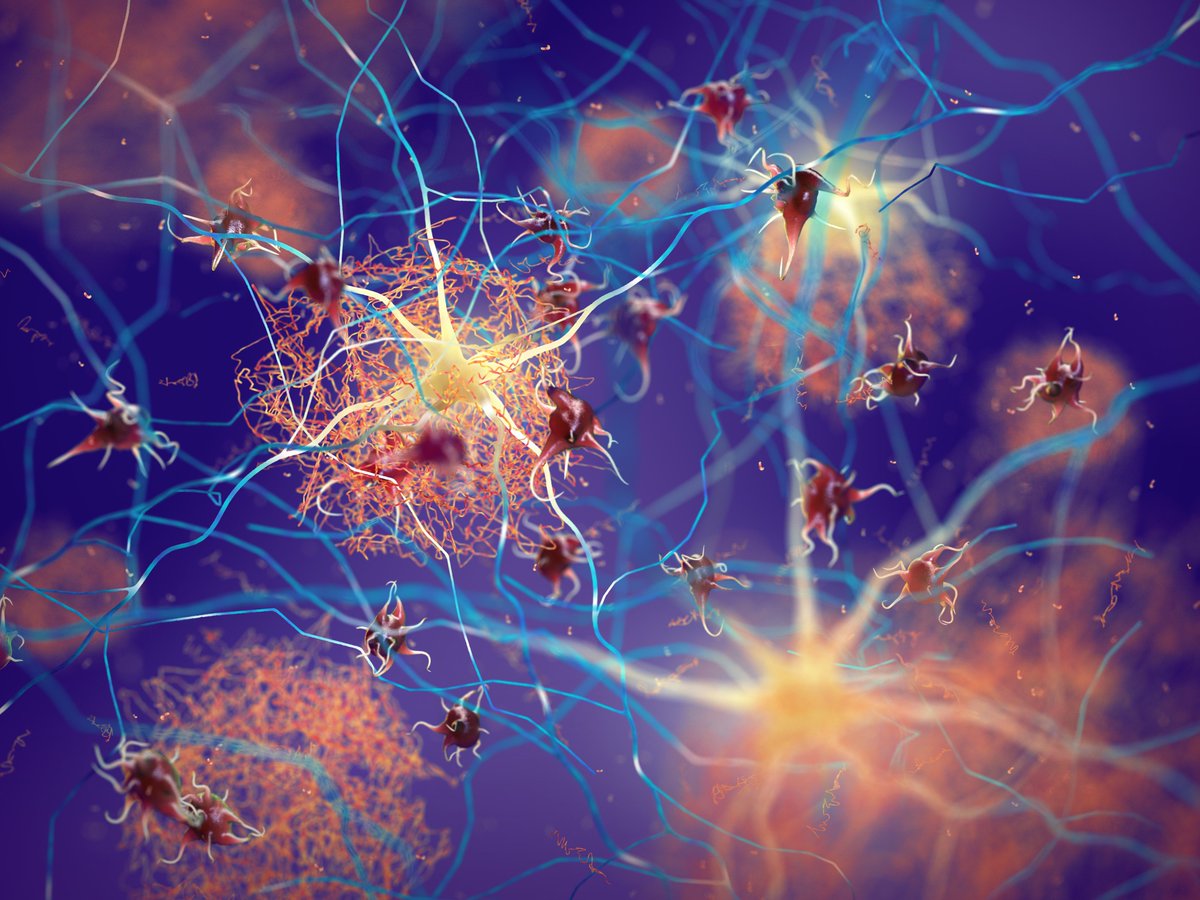
Fibrils, protein chains that gum up a cell’s works, underlie many degenerative diseases. A team led from @UTAustin used Bridges-2 to uncover clues as to how fibril formation happens, and possibly how it could be better prevented.
https://t.co/S2wzIAOGYG
Tomorrow, join PSC and the Precision Convergence Webinar Series for "Social Tinkering: The Social Foundations of Cultural Complexity," at 11:00 EDT.
https://t.co/x0ekXFLZHK
In 2008, automatically darkening eyeglasses faced a kind of “glass ceiling.” A team from @Transitions used PSC’s corporate affiliates program, resulting in the first photochromic lenses made of high-impact plastic.
😎 https://t.co/bqZgf9yjzE
#PSC40#PoweringDiscovery
"[We] have a server in the lab, but [it] can only run very small setup experiments. Because of this parallelization requirement . . . it would be super challenging if we didn’t have a large computing center server [like Bridges-2 available].”
Read more: https://t.co/Cq83pYb4fk
Mark your calendars for our August 24th webinars to help you prepare a strong 2026 Anton Proposal. The RFP will be open until October 23.
Learn more at https://t.co/s2KW9K812D
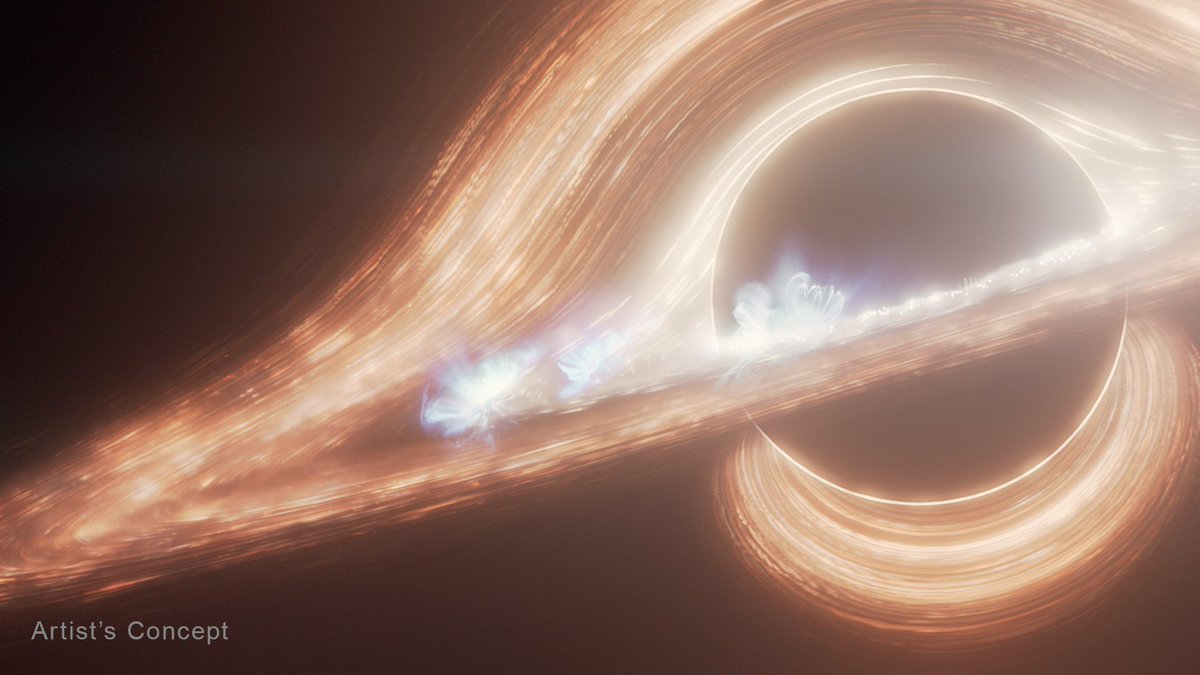
Black holes are often depicted as destructive sci-fi hazards, but they are integral to the formation of galaxies like our own. In 2005, scientists at @CarnegieMellon used the Cray XT3 to reenvision the role of black holes in the evolution of the universe.
https://t.co/9rgu71x73D
We are proud to announce that a $5 million NSF grant will enable PSC, with partners @HPE, @rigetti, and @PittTweet, to construct TangleLab: a hybrid quantum-classical computer.
Read more: https://t.co/YhRGdpe0p6
PSC’s Paola Buitrago bas been named Co-PI on GEM-AI, a project to use AI to identify geologic and biological clues that could indicate the presence of minerals essential for advanced manufacturing in technology, aerospace, energy and defense.
Read more: https://t.co/qsNgp3uQDL
Hello from Minneapolis!
PSC is at @PEARC_Conf#PEARC26, and our lineup of events is underway. Say hello at Booth 204, or find a PSC-led presentation here: https://t.co/iokkpajxLY
For #PSC40, Chris Csonka sat down with Jim Kasdorf, PSC's first supercomputing expert. Joined by his wife Kate, they talk about computing, people, and music.
🎵 https://t.co/hUDHDITiVB
#PoweringDiscovery
The 2026 RFP for Anton 3 opens today!
The third-generation Anton is the first and only resource available to the research community capable of simulating multiple millions of atoms at speeds of microseconds per day.
🧬Learn more at https://t.co/O0JVERPFaL