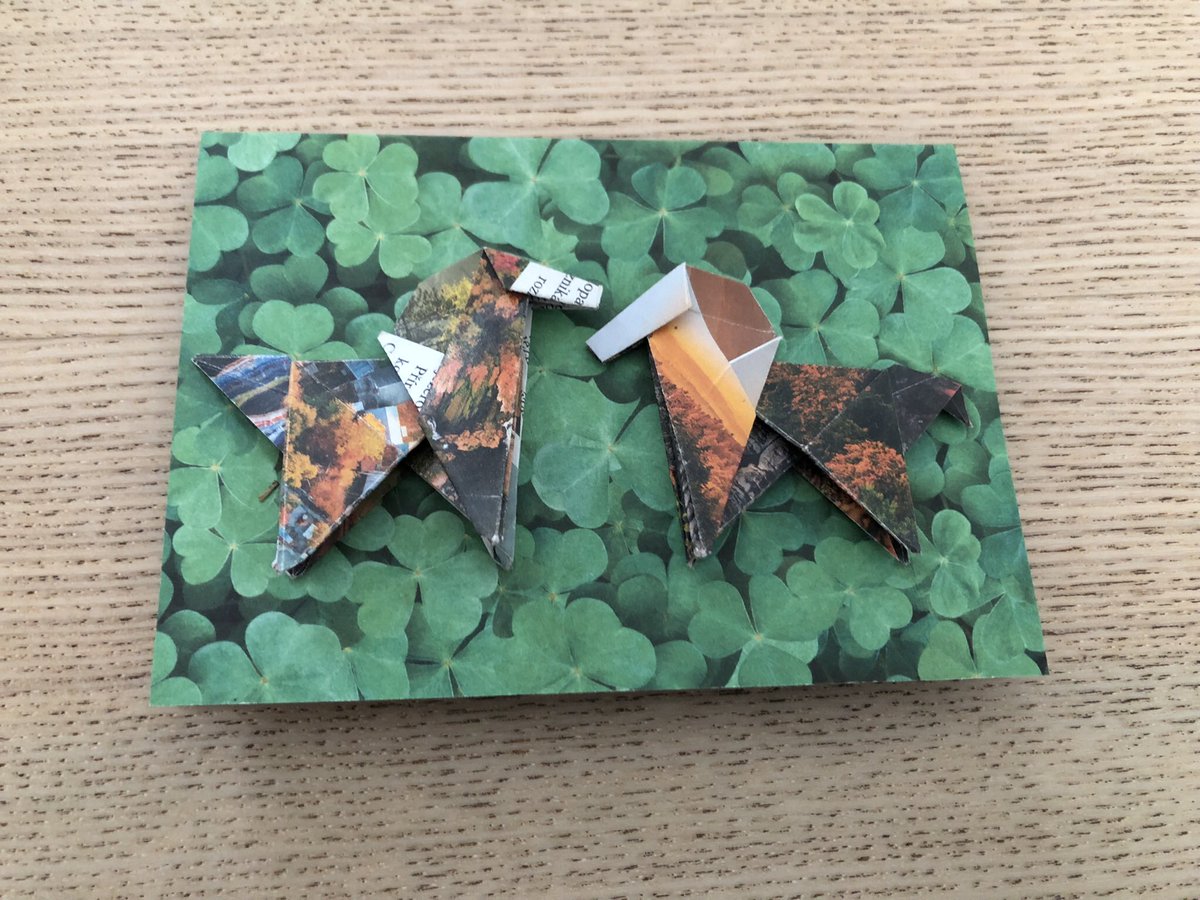
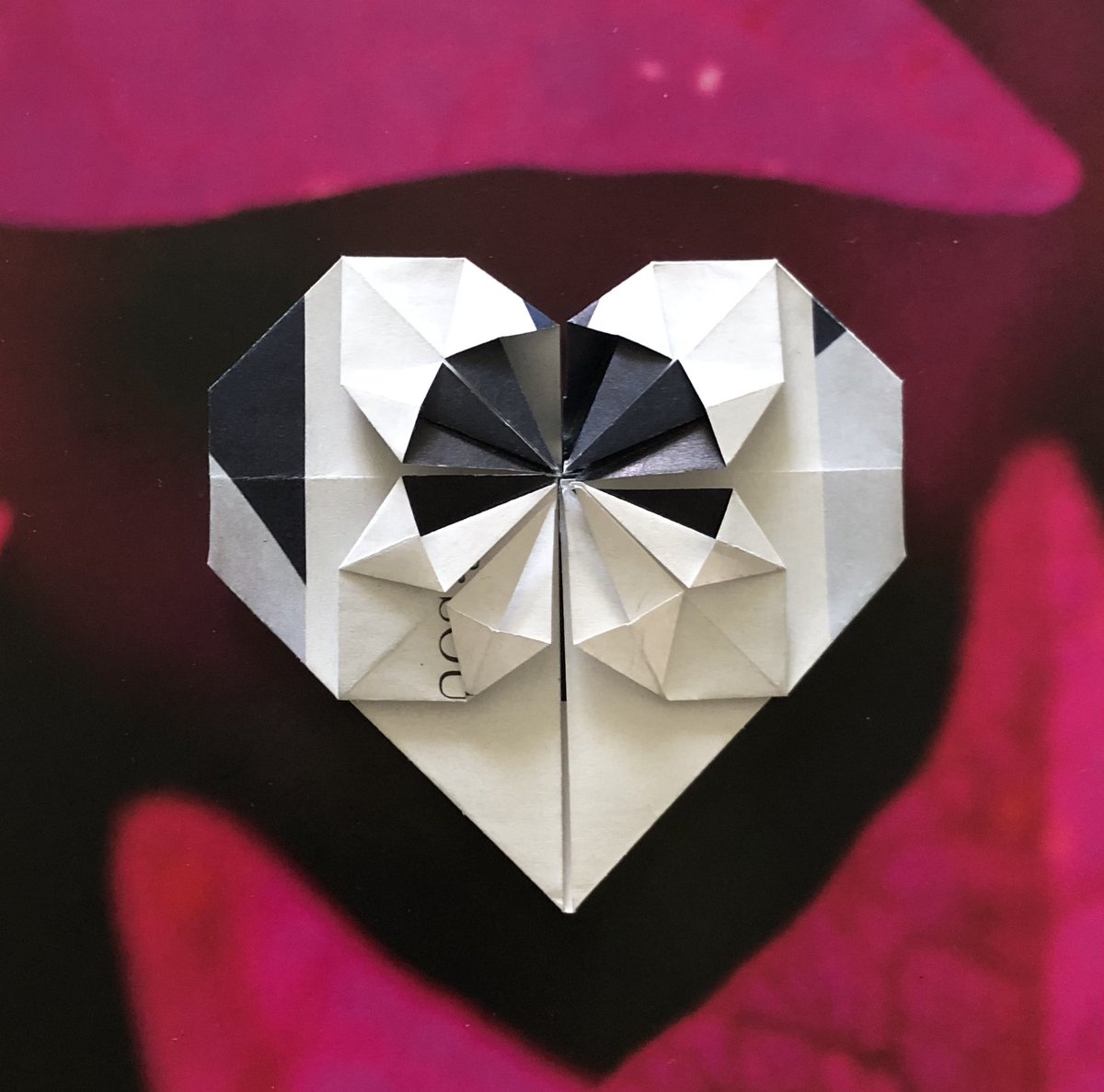
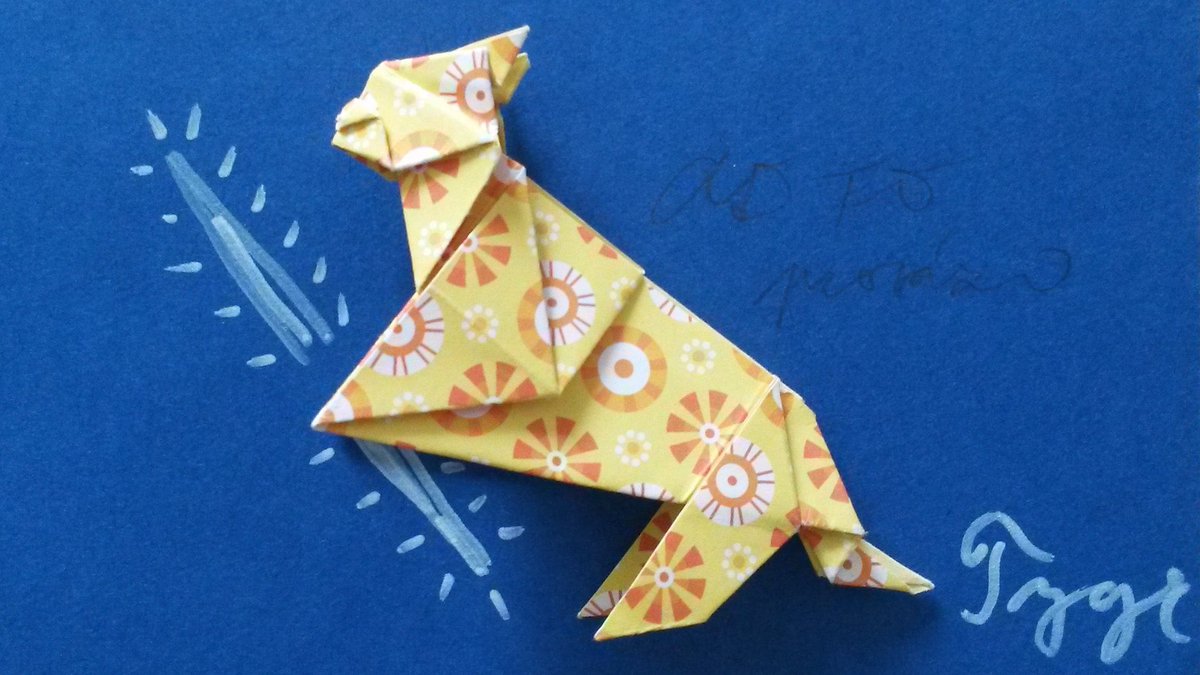
Bez ambice, že bych si tím vydělala…
Ráda dělám takováto přáníčka, kdyby někdo chtěl. Vždycky to jen rozdám, ale kdyby měl někdo zájem i za drobný peníz, tak se domluvíme. Skládám k tomu i obálky…
Happy birthday Catherine Deneuve! 🎂🎂
The Unspoken Language:
There is a particular kind of silence Catherine Deneuve brings to a room. It is not the silence of an actress waiting for her cue, but the silence of someone who has already decided that most of what happens will remain private. In the films that fixed her screen image—Roman Polanski’s *Repulsion*, Luis Buñuel’s *Belle de Jour*, and Tony Scott’s *The Hunger*—that privacy becomes the performance. Other actresses of her era were asked to show us what their characters felt. Deneuve was asked, or chose, to show us the surface that kept feeling from becoming public, and then to let us notice how little the surface ever changed.
In *Repulsion* she is Carol, a Belgian manicurist left alone in a London flat. The film opens on an extreme close-up of her eye; the credits cut across it like a razor. From that moment the camera stays close enough to count the pores, yet we learn almost nothing she does not want us to know. She speaks little. When men approach—on the street, at the salon, at the door—she answers with a blank that is not quite fear and not quite indifference. Polanski films the apartment as if it is collapsing around her, walls cracking, hands pushing through plaster. Deneuve does not thrash against the special effects. She withdraws further into herself, and the withdrawal makes the violence, when it finally arrives, feel like the only possible next sentence. Most breakdowns in the movies announce themselves with tears or raised voices. Hers announces itself with the way she stops meeting anyone’s eyes. The horror is not that she becomes someone else; it is that the person we have been watching was always this sealed.
*Belle de Jour* gives her a different kind of sealed life. Séverine is a surgeon’s wife in a Paris of polished apartments and polite dinners. By day she works in a brothel; the doorbell that summons her is as ordinary as any other. Buñuel never lets us catch her winking at the absurdity. Deneuve walks through both worlds with the same measured step, the same unhurried face. When the film shows her childhood memories or her fantasies of being tied and whipped, she does not perform the difference between real and imagined. She simply occupies the frame, and the frame does the rest. The performance is famous for what it withholds: no confession, no moment of self-recognition, no signal that the respectable wife and the daytime prostitute are at war inside one body. They coexist, and Deneuve’s refusal to explain the coexistence is what keeps the film from turning into a case study. We project whatever we need onto the calm features, and the film never corrects us.
By *The Hunger* the same face has aged into something more openly predatory, yet the temperature has not risen. Miriam is an immortal who moves through New York nightclubs and modern apartments with the patience of someone who has already waited out centuries. She is elegant, dressed in black, attended by a lover who is decaying while she remains intact. When she turns her attention to a young scientist, the seduction is not heated; it is selective. Deneuve watches the other woman the way one watches a piece of furniture one is deciding whether to keep. The sex, when it comes, is explicit, but the expression remains the same cool appraisal. Immortality here looks less like power than like a long habit of not needing to explain oneself. The film is glossy and stylized; Deneuve’s presence keeps it from floating away into pure surface. She supplies the gravity.
What these three performances share is not simply the famous coolness. Coolness is the word critics reach for when they cannot name the effect of a face that refuses to do the usual work of faces. Deneuve’s characters rarely tell us what they want. They do not lobby for our understanding or our forgiveness. In an art form that usually rewards the expressive actor—the one who shows the audience the feeling so the audience can share it—she built a career on the opposite bargain. The audience is invited to supply the feeling, and the risk is that the supply will never quite match what is actually there. François Truffaut once said she was a vase into which the audience placed the bouquet. The image is useful, but incomplete. A vase is passive. Deneuve’s stillness is active; it organizes the space around it and decides what will not be said.
The uniqueness is easiest to see by contrast. American stars of the same years were often asked to make themselves available—to smile, to weep on cue, to let the camera read the interior. Deneuve’s best directors understood that her value lay in the opposite direction. The less she offered, the more the films could use the gap. In *Repulsion* the gap is terror. In *Belle de Jour* it is desire that has no single name. In *The Hunger* it is appetite that has outlasted any particular object. Across all three the face remains recognizably the same: composed, slightly distant, capable of sudden and precise violence or sudden and precise tenderness, but never of a full accounting. That refusal is what makes the persona last. We keep returning to the films because we still cannot be sure we have been told the truth, and because the actress never pretends that certainty was the point.
Dnes není dobré ráno. Není mi dobře, nevypadám dobře a jsem nepříjemná a nic se mi nedaří. A ještě ke všemu prší, místo abych si řekla: Díky Bohu prší.
Hmota se ohýbá v závislosti na pozorovateli. Tady je mi dobře a jsem krásná a je krásně, protože mě fotí @spi_lev
@tisicikoruna Ach jo...
Tohle upínání se k tomu že mladší generace nemají na byt protože neumí šetřit na kafi, Netflixu atd...
Bože... Zabýváme se úplně nepodstatnými vydaji, protože ono to hrozně dobře zní si říct "ty mladý nemaj na byt protože místo toho si chodí pít ty svoje Matcha Latte"
@jrjelinek Vídám kameny zmizelých skoro každý den. V Olomouci jich je strašně moc. Teď jsem zcela náhodou našla další blízko bydliště, protože jsem zkoumala dům, u kterého syn viděl smutnýho ducha…
Zrovna dneska jsem mu to ukázala, a zdá se, že i poslouchal, co mu říkám-dřív ne na to téma.
Celebrating craftswoman, embroiderer, designer, pioneer of artistic dress, model, wife and mother - Jane Morris, who was born on this day in 1839.
Three depictions of her, first by her husband, William Morris, her friend, Evelyn De Morgan, and lastly by her lover, Rossetti. …