We offer solutions for ⬆️ evidence-based decisionmaking |🔬 how to improve value and use of science | 🧩 of @Evidence2Impact | 🏠 of @R2Policy | #SciComm#URE
@jtaybscott kicking off the Society for Prevention Research pre-conference on research translation for policymakers with Jessica Pugel Emily Warthman Elizabeth C. Long and Casey Cunningham @j_pugel#sprconf2024#policy#prevention
The @chronicle cites the work of @DMaxCrowley & @Evidence2Impact as an example of how academics can break through "The Insular World of Academic Research" by bridging the gap between research and #policy in this story: https://t.co/q1JWqvPYp8
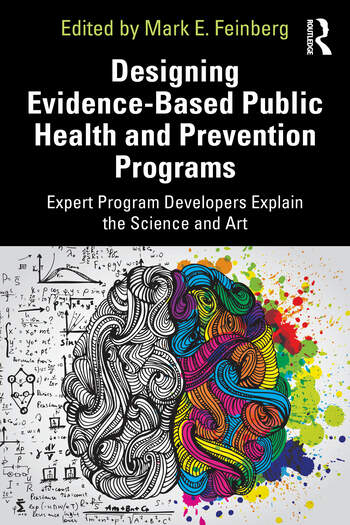
Are you interested in designing evidence-based public health and prevention programs? Learn from people who have "been there and done that" by reading this book edited by the PRC's Mark Feinberg: https://t.co/X34DDBynDI
Save the date! Sept. 25 webinar on “Transitions to parenthood: co-parenting, parenting, and infant-parent outcomes” with @PennStateHDFS Professor Doug Teti: https://t.co/bI9aS7xmeY
We are excited to announce that @DMaxCrowley will serve as the new director of the Prevention Research Center as of August 15! He is a #prevention scientist nationally known for his work in bridging research and #policy.
Learn more: https://t.co/aDdSkj1aRd
Policymakers' use of research is facilitated by multiple conditions. I study how to support better connections. ROUTINES and EXPECTATIONS for use drive the demand for evidence in decision making. Recent #scipol state legislation is paving the way.
https://t.co/lh8yEHzqS2
Looking for evidence-based programs that serve military families? The Results First Clearinghouse of evidence-based interventions is growing! Check out our expansion to include the incredible work of the @PSClearinghouse to the lineup https://t.co/ZPwjOAET8g
Great to see our synopsis of the #YearofEvidence for Action published on https://t.co/b8lSwMWgTx! Thanks, @WhiteHouse @OMBPress & @WHOSTP, and all of our wonderful partners!
https://t.co/0zQCakJyuz
@Evidence2Impact
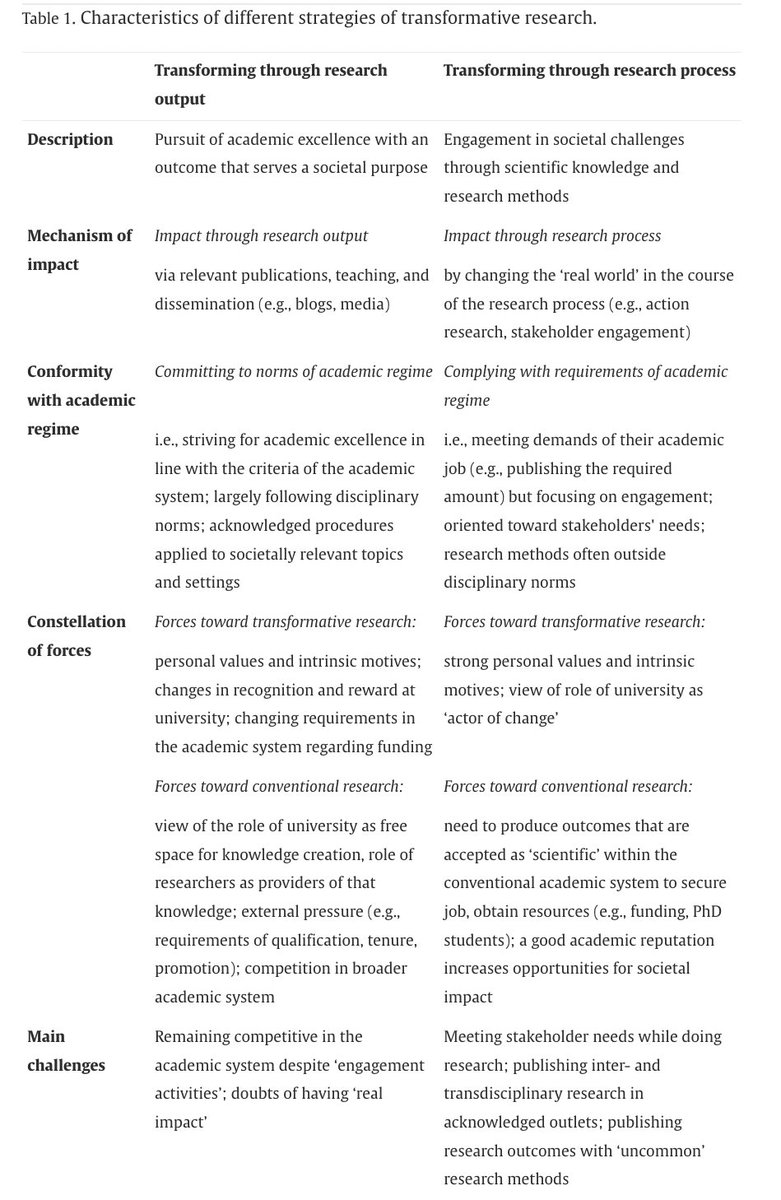
Fascinating new paper based on interviews with Australian researchers trying to achieve impact reveals two types of strategy people typically use. Which type of approach do you take?
A glimpse into the work being done by Penn State University faculty to connect science with policymakers. The Evidence to Impact Collaborative and Research to Policy Collaboration, led by @DMaxCrowley, are tremendous tools for info…https://t.co/fnDydEga6N https://t.co/AUrhtjrbKL
We don't have a mechanism to support those relationships bc we dont resource it. Mobilizers, bridge spanners, boundary spanners are very sparse as a result. Evidence ecosystem glue is relationships. Need to formalize connections systematically. @DMaxCrowley#yearofevidence
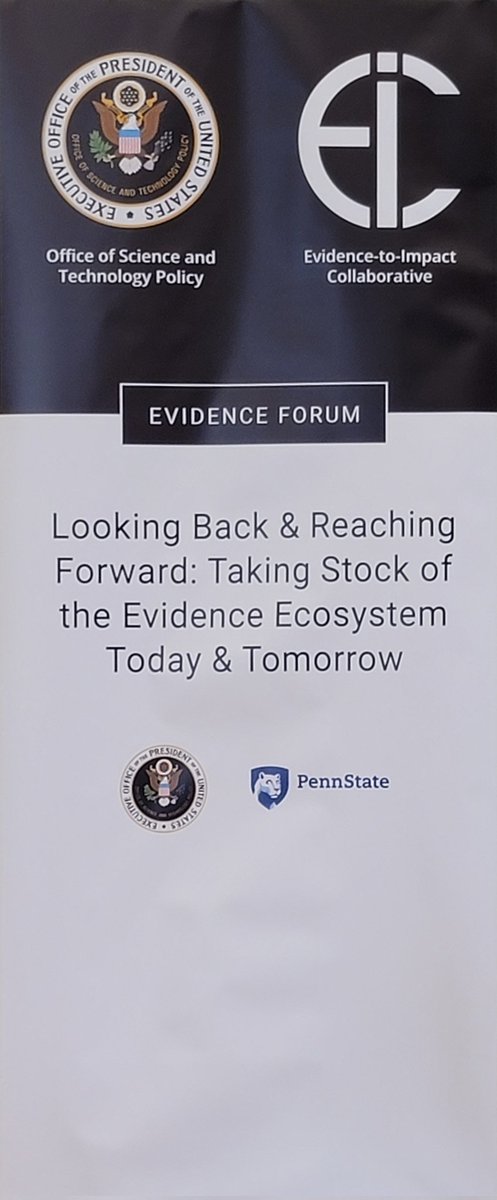
Good to be at #yearofevidence forum today! @DMaxCrowley states tho this is last forum, “it’s not the end, but new opportunities for science in society.”