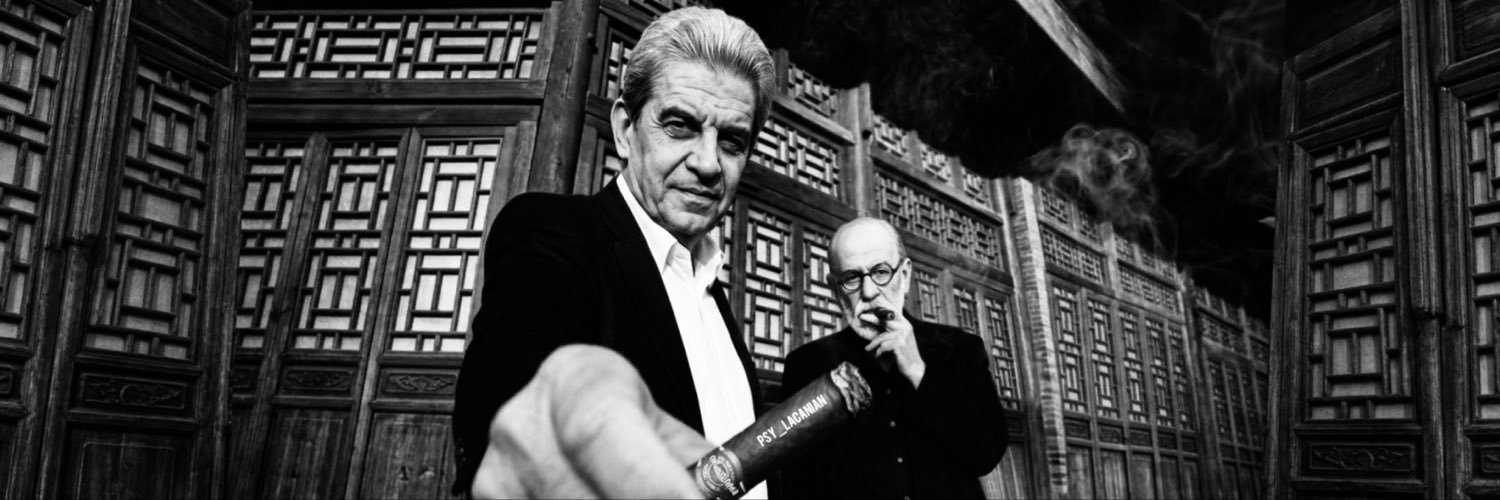
"Teaching psychoanalysis is no less an art than is the practice of psychoanalysis. As is true of the analytic experience, teaching psychoanalysis involves an effort to create clearances in which fresh forms of thinking and dreaming may emerge, with regard to both psychoanalytic theory and clinical practice."
.
--#ThomasOgden
.
#QuoteOfTheDay
“Psychiatric treatment is often enough a frustrating affair, for the patient, for the clinician, for the caregivers, basically for everyone involved…”
On imperfect tools
https://t.co/FT4NWAAiBo
ما الفرق بين الطبيب النفسي، والأخصائي النفسي، والمعالج النفسي، والمحلل النفسي؟
غالباً ما يحدث خلط معرفي في الفضاء العام الرقمي عند استخدام المسميات النفسية، حيث تُدمج تخصصات متباينة في خانة واحدة. لفك هذا الاشتباك الإبستمولوجي والعملي، نستعرض الفروق الجوهرية بين الأقطاب الأربعة للممارسة النفسية.
الطبيب النفسي خريج كلية طب تخصص بعدها في الطب النفسي، فيملك بحكم هذا التكوين صلاحية التشخيص وفق الدليل التشخيصي والإحصائي للاضطرابات النفسية DSM-5-TR والتصنيف الدولي للأمراض ICD-11، وصلاحية وصف الدواء النفسي، ويتعامل في الغالب مع البعد الكيميائي العصبي للاضطراب، إلى جانب ما قد يمارسه من علاج بالكلام حين يجمع بين التكوينين.
الأخصائي النفسي خريج برنامج أكاديمي في علم النفس الإكلينيكي، غالباً بدرجة ماجستير أو دكتوراه، يجري القياس والتقييم النفسي عبر الاختبارات المقننة، ويمارس بروتوكولات علاجية محددة المنهج كالعلاج المعرفي السلوكي وغيره، بينما تبقى صلاحية وصف الدواء محصورة في الغالب للطبيب، مع استثناءات قليلة في بعض الأنظمة القانونية تتيحها بعد تكوين إضافي.
المعالج النفسي مصطلح أوسع وأقل تقنيناً قانونياً في كثير من الأنظمة، يشير إلى من يمارس العلاج بالكلام وفق مدرسة بعينها، سلوكية أو معرفية أو إنسانية أو وجودية، وقد تكون خلفيته أخصائياً نفسياً أو أخصائياً إجتماعياً أو حاملاً لشهادة تكوين متخصص في تقنية علاجية محددة دون أن يكون بالضرورة حاملاً لدرجة أكاديمية إكلينيكية.
أما المحلل النفسي فهو الأكثر تميزاً من الناحية الإبستمولوجية بين الأقطاب الأربعة، ذلك أن التحليل النفسي تكوين يتم داخل رابطات دولية ومعاهد تحليلية، فرويدية أو لاكانية أو كلاينية، أكثر منه مهنة تنظمها شهادة جامعية واحدة، ويقوم على ثلاثة أركان هي التحليل الشخصي للمتدرب، والإشراف السريري على حالاته، والتكوين النظري في السيمنارات. ومن هنا فإن المحلل قد يأتي من خلفية طبية أو نفسية أكاديمية أو من تخصص آخر كالفلسفة مثلاً. والفارق الجوهري بين المحلل وبقية الأقطاب الثلاثة ارتكازه على إصغاء يتيح للمتحلل أن يبني علاقته الخاصة بلاوعيه ورغبته، بعيدا عن منطق التشخيص المعياري الموجه نحو إزالة العرض، عبر آلية النقل التي يحتل فيها المحلل موضع الذات المفترض أنها تعرف (le sujet supposé savoir) بحسب تعبير لاكان.
جميل.
وددت لو أنك أضفت الطبيب بين احتمالات خلفية المعالج النفسي إن حصل على التدريب اللازم.
للتوضيح: معاهد التحليل لا تنقسم في الحقيقة إلى فرويدية ولاكانية وكلاينية. الواقع أن هناك مجموعة متجانسة تتبع قواعد الرابطة الدولية للتحليل النفسي (Iternational Psychoanalytical Association)، وهي تمثل أغلبية المحللين، وفي المقابل توجد معاهد مستقلة. المعاهد المستقلة لها الحرية في أن تختص في مدرسة تحليلية معينة أو أن تميل إليها نسبياً، وأن تكون معاييرها أكثر مرونة من معايير الرابطة الدولية، ومن أمثلتها المعاهد اللاكانية ومعاهد علم نفس الذات وغيرها. ونشأت هذه المعاهد تاريخياً في الولايات المتحدة كجزء من حركة الاعتراض على الحصر للأطباء الذي كان قائماً على التكوين التحليلي في العقود الأولى هناك، كما ساهمت الحركة النسوية وظهور علم نفس الذات وبعد ذلك مدرسة التحليل العلاقي في ذلك. ثم نشأت في الدول الأخرى لأسباب متعددة منها على سبيل المثال الخلاف مع لاكان بالإضافة لبعض الأسباب المتعلقة بالخلافات الإدارية.
بالتأكيد يمكن للمنتسبين لمدرسة معينة أن تطغى على معهد أو جمعية تابعة للرابطة الدولية، وبشكل مباشر أو غير مباشر يتأثر من حصل على التكوين فيها بذلك، ولكن تلك المعاهد تلتزم بقواعد الرابطة الدولية، والتي تُتيح الاختيار بين ثلاثة مسارات للتكوين تختلف اختلافات بسيطة في تفاصيل معينة (يمكن قراءة التفاصيل هنا: https://t.co/OIdJNsJxQ5) .
الذات اللاكانية ليست شيئاً لكنها أيضاً ليست لا شيء.
هي الحركة نفسها بين الدوال، هي الرغبة التي لا تتوقف عن الانزلاق من موضوع إلى موضوع، هي السؤال الذي لا يجد جواباً نهائياً.
من أنا؟ هذا السؤال نفسه هو الذات، وليس أي جواب محدد عليه.
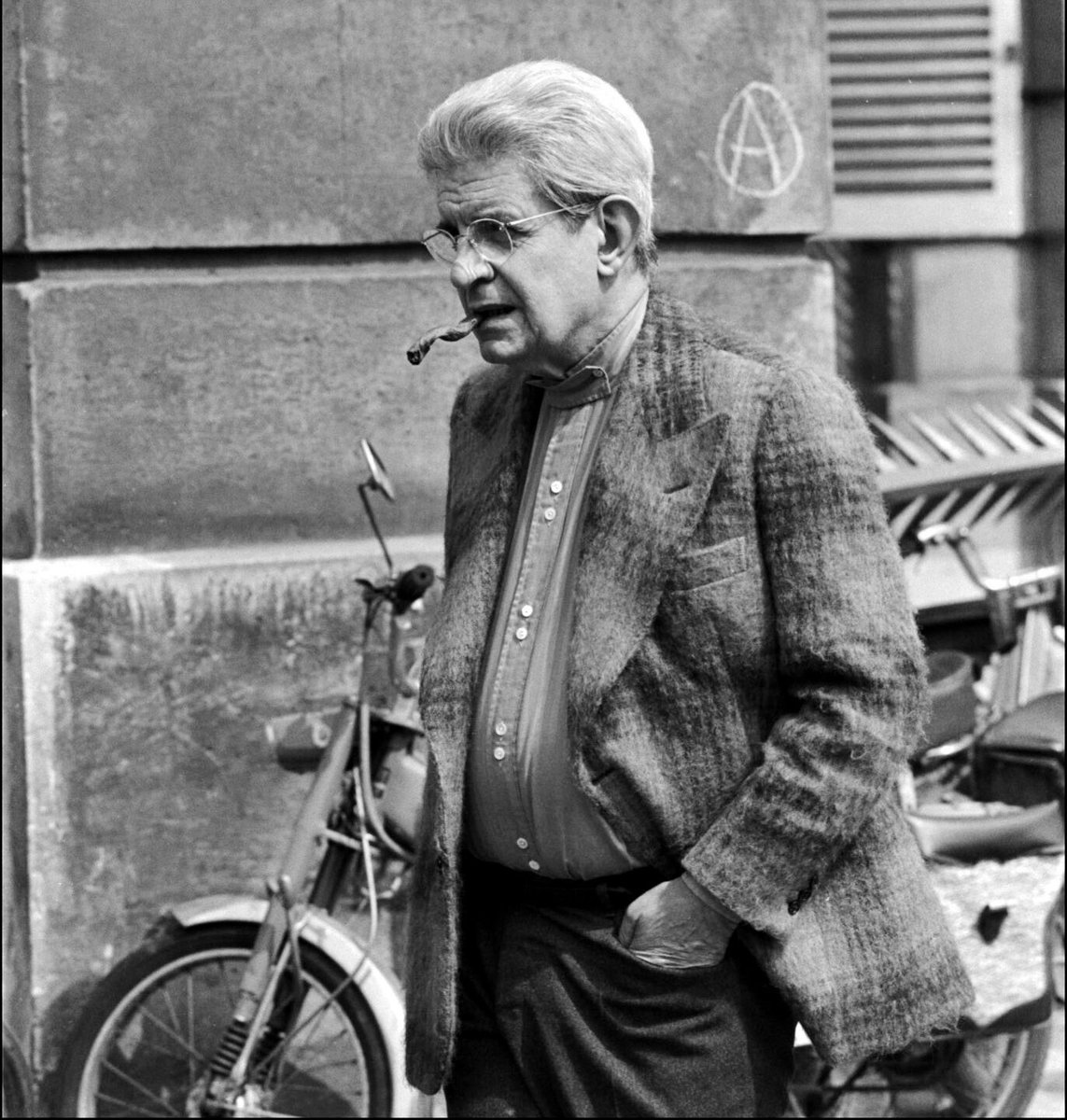
For those unfamiliar with Jacques Lacan 1901 – 1981, here is a brief introduction to him:
Lacan earned a medical degree in 1932 and was a practicing psychiatrist and psychoanalyst in Paris for much of his career. He became a candidate member of the Paris Psychoanalytic Society in 1934, and in 1953 he began his public seminar at Sainte-Anne Hospital.
He acquired celebrity status in France after the publication of his essays and lectures in Écrits 1966.
He founded and headed an organization called the Freudian School of Paris from 1964 until he dissolved it in January 1980.
Lacan held that language is constitutive of the unconscious, and his best-known dictum states that "the unconscious is structured like a language" He is also known for the mirror stage and for the three registers of the Imaginary, the Symbolic, and the Real.
His major achievement was his reinterpretation of Freud's work in terms of structural linguistics, drawing on Ferdinand de Saussure and Roman Jakobson and on the structuralism of Claude Lévi-Strauss.
His work has had a significant influence on continental philosophy, post-structuralism, literary criticism, feminist theory, and film theory.
In his own psychoanalytic practice, Lacan was known for controversial innovations, notably the variable-length session.
Group theory lives inside the cube.
Inverse: R R′ = I. A right face turn followed by its inverse returns the identity.
Order: R⁴ = I. Four quarter turns of one face restore the original position.
Commutator: A B A⁻¹ B⁻¹ ≠ I. Adjacent moves generally fail to commute.
Every cube move obeys these rules.
Lacan and Jung are commonly held to be radically different, but this book has a different view of how the two relate.
The book's starting point was the first joint Jungian–Lacanian conference, held in 2014 at St John's College, Cambridge, where clinicians and academics from both traditions came together for a weekend of debate.
That conference was broadly oriented around the notion of the sublime, and it took place against the backdrop of the 100th anniversary of the outbreak of the Great War, i.e., the First World War.
Lacanian psychoanalysis does not promise happiness, adaptation, or “mental health” in the superficial sense… Rather, it promises a confrontation with truth, with the fundamental lack in being, with the impossibility of being whole.
This is an ethical and philosophical position that is difficult to market in a consumer culture that sells promises of self-completion.
¿Qué tan peligrosa es la IA? ¿Deberías estar preocupado? Gracias a Denise Maerker (@DeniseMaerker) por la entrevista. Muy buenas preguntas. Una mente rápida y una buena lectora. Lo disfruté.
https://t.co/V40VG4hVYe
رد د. ياسر الدباغ على كارل بوبر حول علمية التحليل النفسي.
https://t.co/EyGZ1pK0bb
كما تجدون في الادنى ثريد حول اشكالية ما الذي يجعل العلم علم بين فلاسفة العلم انفسهم؟
Computer scientist Jessica Taylor discusses AI alignment, value specification, and her "Obliqueness" thesis, and why "we don't know the right type signature yet" for human values.
@jessi_cata
https://t.co/bueWeAIcUg
Well, some have, but they are perhaps less well known. And also not strictly Lacanian -- but see, truthfully, few supposed "Lacanians" are! Of course, certain people from the past, who went against Lacan on this point and other points, are far more well known. Although to his credit, remember that late Lacan says that the Name-of-the-Father and resulting Symbolic is itself sinthome, a binding delusion like any other, and no better nor worse -- so, the neurotic is psychotic, and, "the whole world is mad." On the other hand, he was rather harsh on Szasz in a seminar from the 1960's, and deliberately misread him to make his own points, as one does. Tl;dr it's a mixed bag. But believe me, there are some quite radical "Lacanians" on psychosis, who do make arguments that it is the neurotic who has "failed" at something, and not the psychotic. Other Lacanians make the case that although psychoanalysis is still written from the assumption that those writing and reading are neurotics, and the psychotic is the other, that since roughly 1968, roughly 3/4ths of analysands are psychotic -- so, psychoanalysis's big delusion is that neurosis is still as prevalent, and relevant, as it was in Freud's time. Kleinians frequently make a similar point, re: psychosis vs. neurosis, btw.
One thing to remember about psychoanalytic theory is it deals with the unconscious. By definition, the ways we act not out of our own volition or efforts, but rather, the ways the dark underbelly leaks out of us unknowingly.