20 years in Dubai. HK born. English. IT marketing 13 yrs. Defined by the love of my daughter @samanthalian, love of animals, the environment, film, diving . .
WOW! An incredible photo depicting upward lightning jumping off the Burj Khalifa — the world’s tallest building — in Dubai. This was released Thursday evening by the Dubai Media Office as severe storms, including a few supercells with very large hail, battered the UAE. @DXBMediaOffice
The Burj Khalifa is twice as tall as the Empire State Building, towering 2,722 feet high. The highest occupied floor, floor 163, is at 1,921 feet.
Self-initiated upward lightning occurs from tall manmade objects, like skyscrapers and wind turbines, and is often “triggered” by quick changes in electric field by a nearby ground flash. (It can also initiate on its own though). They begin as positive upward leaders, eventually branching and forking outwards to distribute and balance charge across the underside of a thunderstorm.
So yes, lightning CAN strike upwards!
Since the war in Iran started we have been inundated with messages and calls about pets being abandoned in Dubai as people flee the country.
We wish we could say this was an isolated incident. It isn’t......
We saw it happen in Afghanistan.
We saw it happen in Ukraine.
And we have seen it over and over again in Iraq over the years.
Now we are seeing it again in Dubai and other parts of the Middle East affected by this war — and unless systems change and attitudes change, we will see it happen again somewhere else in the future.
The reality is that moving animals internationally is expensive. In some cases, it costs thousands of pounds, dollars or euros to get an animal on a flight. Airlines charge extraordinary rates for pets travelling as cargo — it is not unusual for a 25kg dog in a large crate to cost £2,500+ just for the cargo fee. Then add export permits, import permits, customs clearance and other paperwork.
But this is exactly why responsible pet owners should always ensure their pets are ready to move if needed — blood work, vaccinations, paperwork in place, and money set aside.
In a very affluent place like Dubai, where expats are not struggling financially, too often the issue is not ability or lack of funds — it is mindset.
“It will never happen.”
“We’ll deal with it if it does.”
Until it does.
Some owners do try to move their pets and then hit another barrier — transport. They arrive at borders only to be told their animals cannot board buses, coaches or flights. Faced with the prospect of returning to a war zone, self-preservation takes over and the pets are abandoned.
It is something we will never understand.
To us, pets are family........And family is not disposable.
When I left Afghanistan I had a choice — leave my animals behind or stay until they had met the legal requirements to travel to the UK......I stayed.
For three months I lived in a friend's outbuilding with my cats and dogs. I had no job, no income, and had to fundraise the £16,000 it cost to get them home.
Leaving them behind was never going to be an option no matter the situation I was in or how dangerous it was for me to be there.
Some people place their animals into boarding facilities or rescues when they leave, believing the animals will somehow be fine there. Let us be clear — no owned pet enjoys being in kennels or shelters. They miss their family, their home, their routines. They have no idea why the people they trusted, the people they loved, the people who were the centre of their universe have disappeared.
War Paws would love nothing more than to step in and help the rescues currently drowning under the weight of this crisis. But the reality is that our own situation in Iraq means we are powerless to do anything this time. Our resources are already stretched to their limits caring for the animals we have, and we are facing our own eviction. We simply do not have the capacity to extend our reach further right now — no matter how much we wish we could.
Which raises bigger questions......
Should governments and transport providers be required to put better provisions in place so that people fleeing war have viable and affordable options to move their pets?
Should there be emergency quarantine stations at borders where animals can be tested for transmissible diseases?
Should transporters be required to allow animals to travel during humanitarian evacuations?
Should vets be stationed at borders to conduct health checks so animals can travel safely?
And what about accountability?
Most countries require pets to be microchipped and registered — but how often are owners actually held accountable when animals are abandoned?
Right now rescues across the Middle East are overwhelmed with abandoned pets.
Those are the lucky ones — the ones that made it to rescues or were picked up from the streets.
There will be many more left behind at borders who will never be found.
Some veterinary clinics are even seeing owners request euthanasia for their pets before they leave. As distressing as that sounds, there are times when a humane death is the kinder option.
Because one of the worst things imaginable is a once-loved family pet suddenly finding itself alone on the streets — terrified, confused, and with no idea how to survive.
This is not just an animal welfare issue.
It is a human responsibility issue.
-Louise-
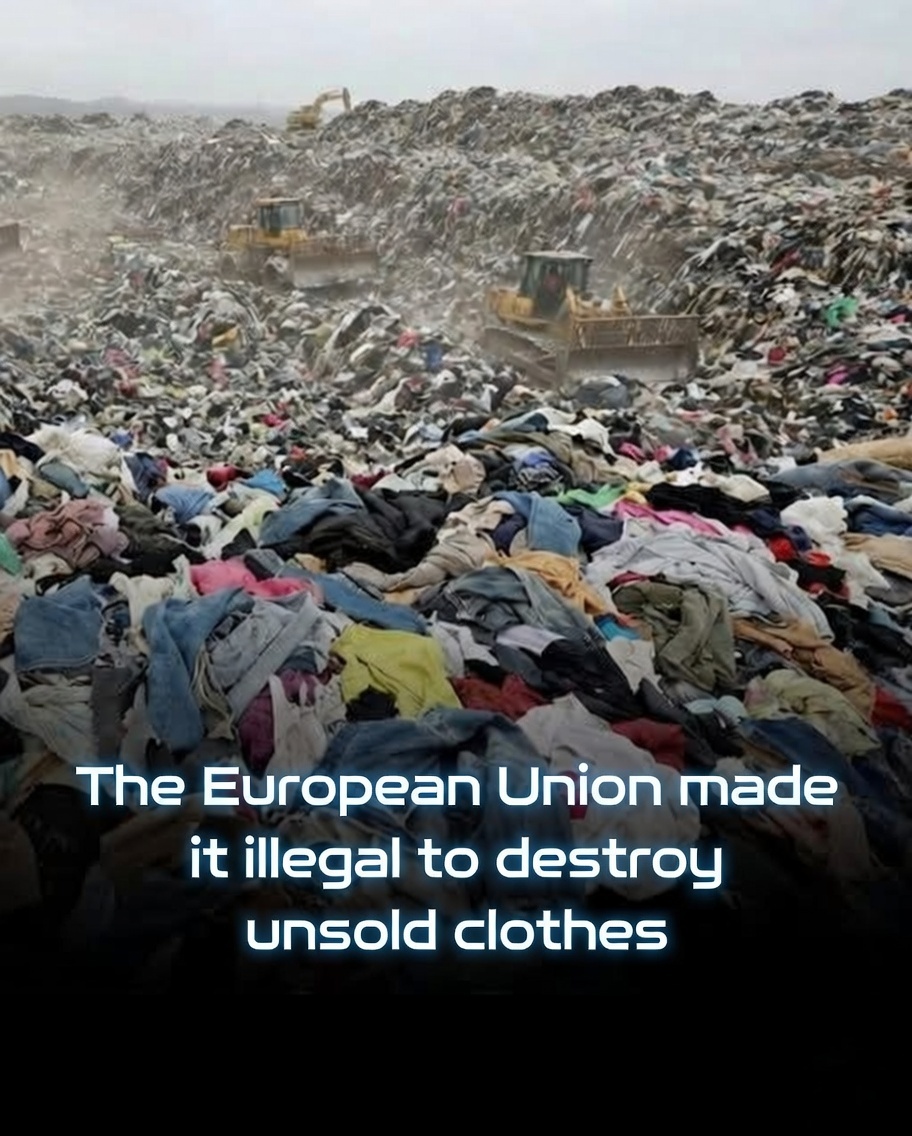
For years, brands have routinely destroyed vast quantities of unsold inventory—often worth billions—to safeguard their image and avoid discounting that could devalue the label.
On February 9, 2026, the European Commission adopted key measures under the Ecodesign for Sustainable Products Regulation (ESPR), formally banning the destruction of unsold apparel, clothing accessories, and footwear.
Large companies must comply starting July 19, 2026 (with limited exceptions, like safety or irreparable damage issues), while medium-sized firms get until around 2030.
The goal? Smash the take-make-dispose cycle, curb overproduction, push brands toward durable, repairable, and recyclable designs, and keep usable goods out of incinerators and landfills.
The scale of the problem is massive: Europe discards roughly 5.8 million tonnes of textiles annually—about 12 kg (26 lbs) per person—much of it perfectly good clothing never worn.
This ban, combined with mandatory annual disclosures on any remaining discarded unsold stock (and the reasons why), will expose long-hidden waste practices and force accountability.
This law wants to remind us that every garment has an environmental price tag, and destroying it just because it didn't sell is a cost the planet can no longer afford.
Some of the "aesthetic" nest boxes you can buy actually put birds at risk.
for national nest box week I’m showing you some boxes to avoid and the red flags to look out for.
Let’s keep our feathered neighbors safe this nesting season! ✨
#NationalNestBoxWeek#GardenWildlife
This year, we are deploying Interceptors in Mumbai, India to stop an estimated 5 million kilograms of plastic waste from entering the Arabian Sea and Indian Ocean every year.🇮🇳
First deployment locations: Trombay and Malad waterways.
Everyone talks about sustainability like it is a sacrifice. Sweden quietly treated it like a design problem.
They opened a full shopping mall where nothing sold is new. Not as a protest. Not as a lecture. As a place people actually want to spend time. Bright interiors. Well curated spaces. Skilled repair shops. Designers turning old materials into desirable products. It feels modern because it is.
What a great concept I hope this goes global
MTV officially shut down its 24-hour music channels yesterday. They ended their final broadcast with 'Video killed the radio star' by The Buggles, the very first video broadcasted by MTV on August 1st, 1981.
💔West Papua Indonesia Earth's oldest living eco system existing for at least 70 million years
Look at the 292 square Kilometers of ancient forest cleared in just 21 months
Now army brought in to fast track 5 million more acres https://t.co/RzSriHCvhP
A year has passed since the detention of my father,
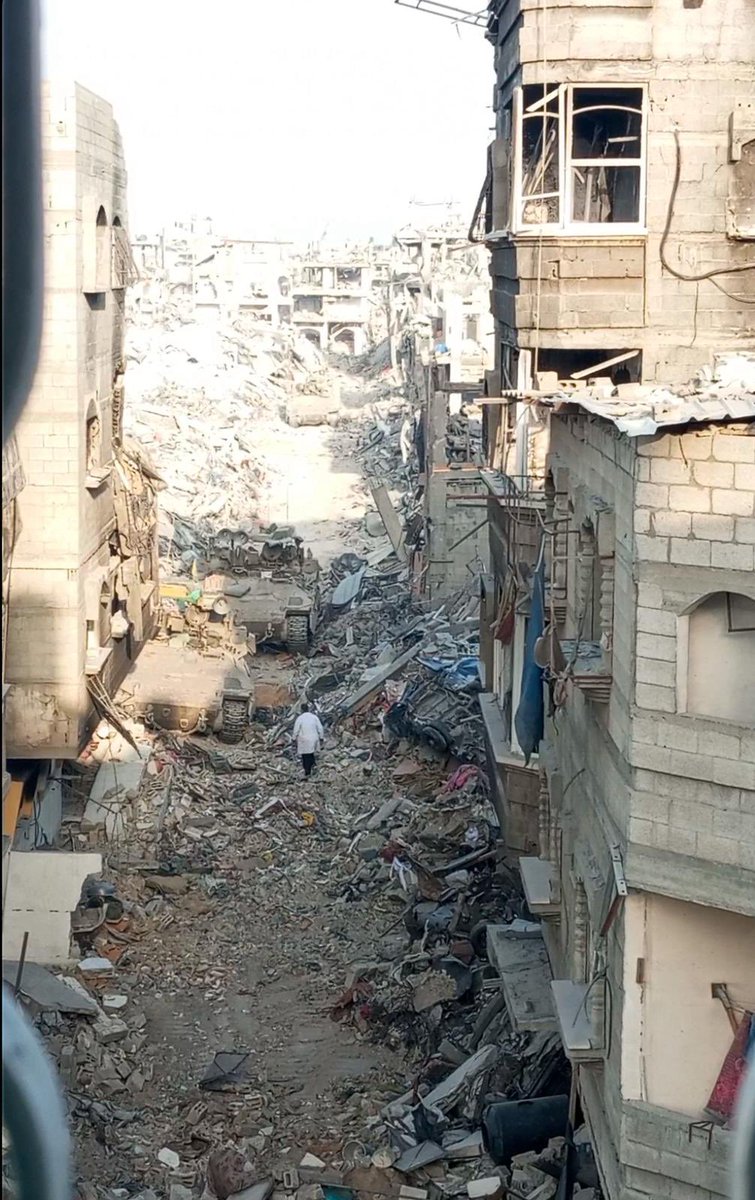
In this white coat, he walked alone amidst death, destruction, and in front of tanks—not because he was fearless, but because his oath and his humanity were greater than any fear. He refused to abandon the children and the wounded at Hospital , and for that, he was detained.
This image is a testament to the courage of the man who was the last line of defense for life, and it is the very same scene that ended with his unjust arrest.
A full year of injustice has passed. Today, we ask for nothing but his freedom. Please share his story to keep his voice alive.
I'd never want to preach to people about getting a dog but just remember when you adopt one you also open up a space for another one to be saved.
So adopting a dog effectively saves 2 dogs!
BREAKING: Jakarta, which is the world’s largest city with more than 40 million residents, has banned the commercial trade, slaughter and sale of dogs and cats for meat after years of advocacy from the Dog Meat Free Indonesia coalition, of which Humane World for Animals is a founding member.
This is a major step toward ending Indonesia’s dog and cat meat trade—and we’re so grateful to all of our supporters who stood by our side!
💸 Discover this “puppy deal.”
Help us stop the cruel puppy trade, sign the petition and join more than 116,000 people who want to end this suffering: 👉 https://t.co/nfwsW36MMo
Adopt, don’t shop. Think before you click - don’t get caught in a Black Friday “deal.” 🐾
It is hard to believe that seven years have gone by since #Sudan died, aged 45.
He remains very much at the forefront of our minds. Not many #Rhinos live to such an age but Sudan led an extraordinary life and his legacy, as the last male of the species, continues to live on, reminding us of the disastrous impact human ignorance and greed has on all wildlife species.
Thank you to @OlPejeta for taking care of the Rhinos. 🙏
#SudanTheRhino 🦏 😪.
Its not monsters from outer space
Its humans scraping the bottom floor and sucking up every life form that exists, leaving nothing
Fish often in vain flee for their lives
Ban Bottom Trawling now everywhere