Image released by the FBI of the DPMS A-15 used by Thomas Crooks in the attempted assassination of Donald Trump in Butler, Pennsylvania on July 13th. Writing on the lower receiver is from the FBI
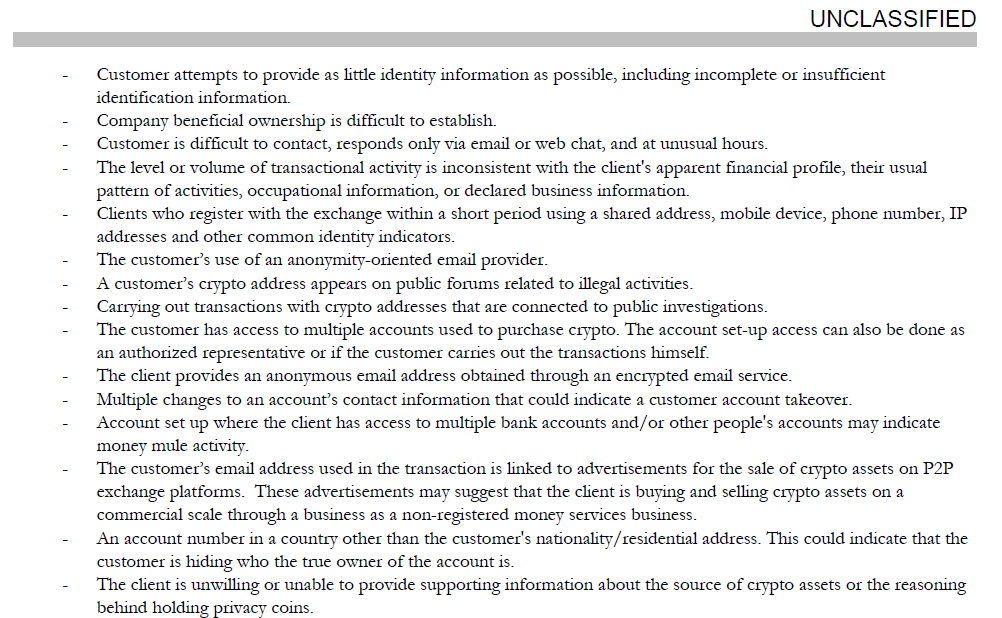
Other risks listed include "changing IP addresses", having an account "where the client has access to multiple bank accounts", or customers that are "difficult to contact" meaning "responds only via email or web chat, and at unusual hours"
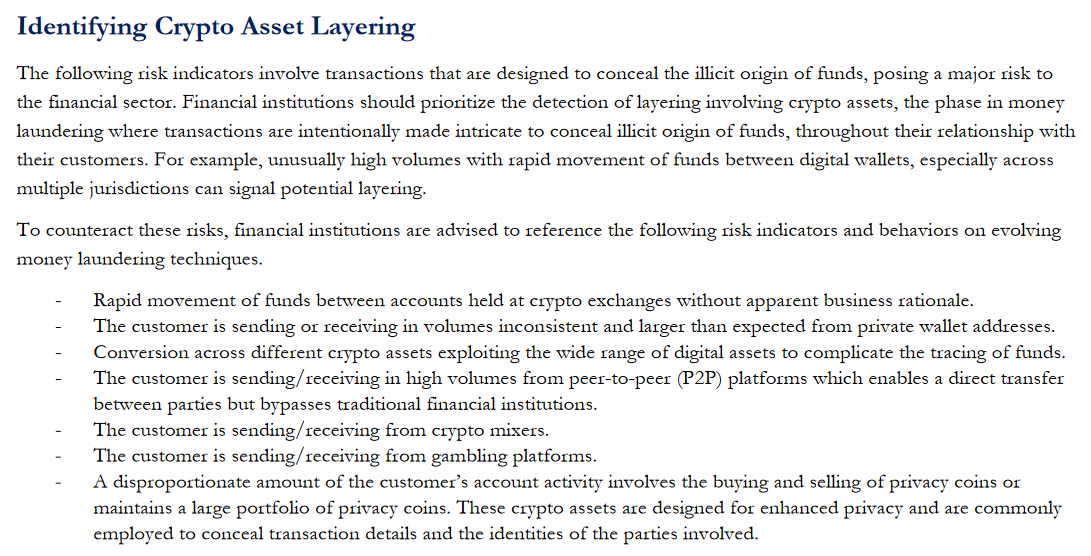
"Crypto asset layering" indicators include a "disproportionate amount of the customer’s account activity involves the buying and selling of privacy coins" and "sending or receiving in volumes inconsistent and larger than expected from private wallet addresses"
JULIAN ASSANGE IS FREE
Julian Assange is free. He left Belmarsh maximum security prison on the morning of 24 June, after having spent 1901 days there. He was granted bail by the High Court in London and was released at Stansted airport during the afternoon, where he boarded a plane and departed the UK.
This is the result of a global campaign that spanned grass-roots organisers, press freedom campaigners, legislators and leaders from across the political spectrum, all the way to the United Nations. This created the space for a long period of negotiations with the US Department of Justice, leading to a deal that has not yet been formally finalised. We will provide more information as soon as possible.
After more than five years in a 2x3 metre cell, isolated 23 hours a day, he will soon reunite with his wife Stella Assange, and their children, who have only known their father from behind bars.
WikiLeaks published groundbreaking stories of government corruption and human rights abuses, holding the powerful accountable for their actions. As editor-in-chief, Julian paid severely for these principles, and for the people's right to know.
As he returns to Australia, we thank all who stood by us, fought for us, and remained utterly committed in the fight for his freedom.
Julian's freedom is our freedom.
[More details to follow]
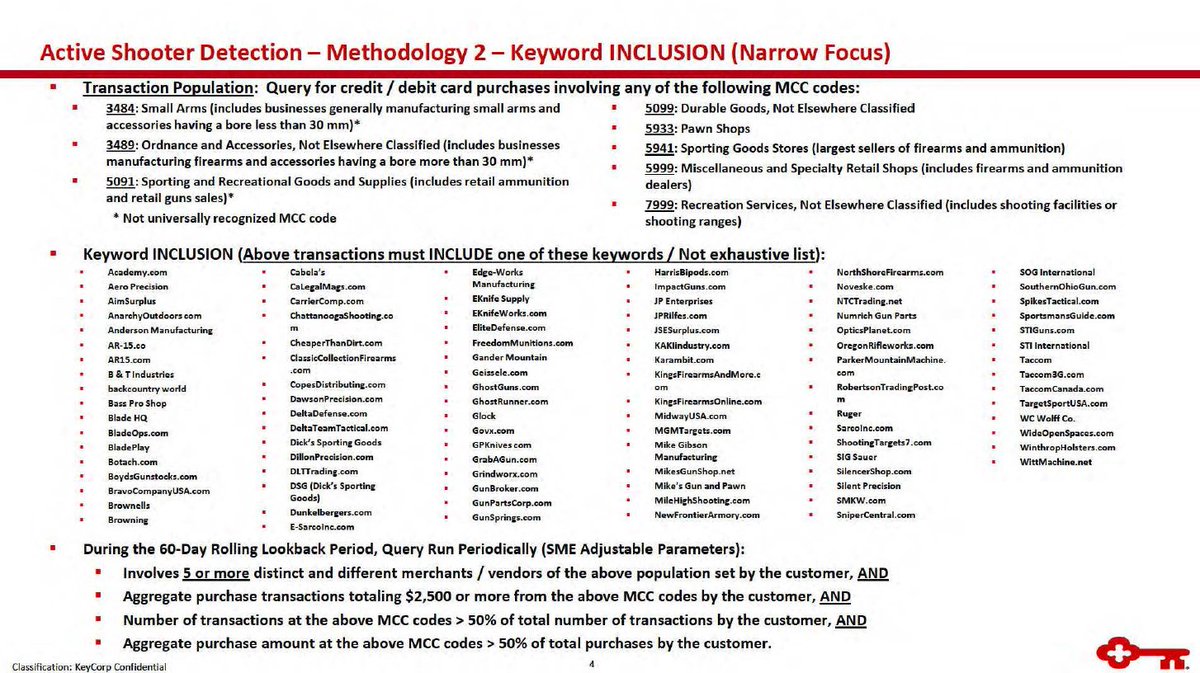
The report includes more slides from a previously disclosed KeyBank presentation on using credit card merchant category codes to identify certain customer purchases of firearms and related merchandise