Open access is based on a desire to share info, collaborate more effectively, and enable professionals to fulfill the promise of the information age. Understand why the world needs open access and discover how you can contribute. FREE #ebook: https://t.co/As45gOIpyd
Megan O’Donnell from Iowa State University Library reminds us: “It’s important to realize that Open Access does not make a publisher predatory, their bad behavior does." https://t.co/DBX7jm20f8 #openaccess
Since it doesn’t go through academic peer review, we need to look at alternatives for monitoring grey literature and deeming it worthy. https://t.co/ZwuEABdxyl #greylit
“The improvement of understanding is for two ends: first, our own increase of knowledge; secondly, to enable us to deliver that knowledge to others.” - John Locke https://t.co/CBEaeF1VGx #ebook#openaccess
Playing fair and cleaning up our own messes are rules that decision-making organizations and governments must relearn and ingrain in the practice of group-think and action. https://t.co/W9uBBITWAF
Though there isn’t any single hallmark of a predatory journal, you can always do a bit of detective work to figure out if your potential publisher is credible. https://t.co/pJHQaSJdAY #openaccess
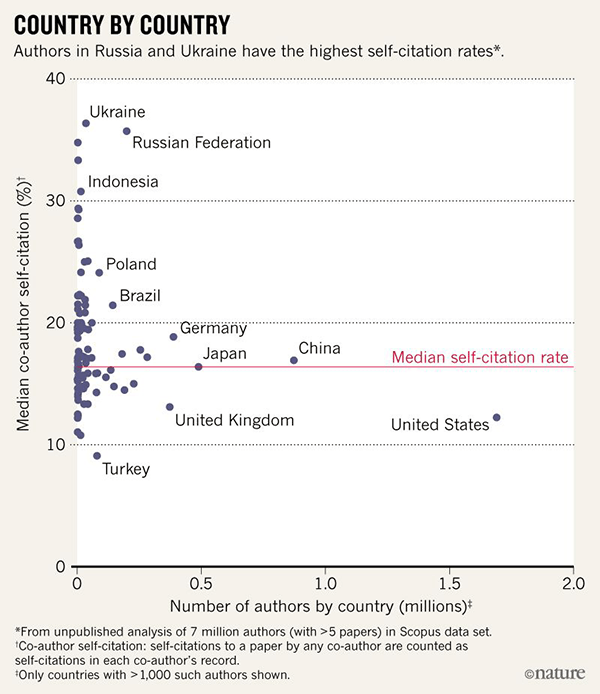
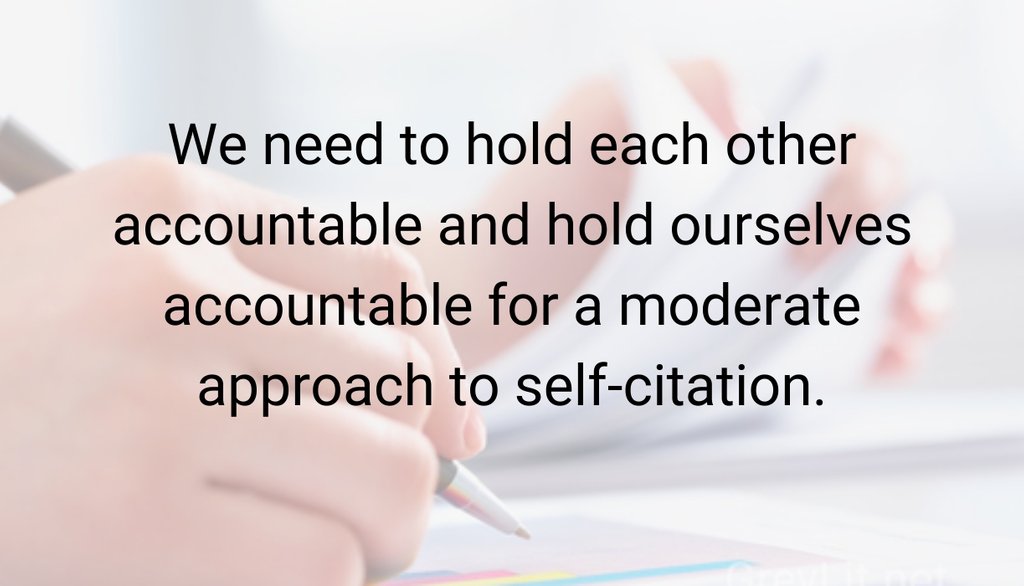
Sanjay Srivastava, a psychologist from the University of Oregon, told Nature, “When we link professional advancement and pay attention too strongly to citation-based metrics, we incentivize self-citation.” https://t.co/asnaXhkC6X #greylit
When understanding, our mind is in motion with any number of actions, including combining, separating, digesting, digging, exploring, and more. https://t.co/7fscCjKoG1
So long as there are systems that reward scientists for accruing greater numbers of citations, there will be those who want to game the system to get ahead. https://t.co/8sOgvUs8YC #greylit