Mit Web Environment Integrity API (kurz #WEi) will Google quasi den #Adblock im Internet Browser bestrafen.
Hinzugefügte Browser-Addons, wie z.B Werbeblocker = Nicht vertrauenswürdig (manipuliert).
Die #API blockiert den Zugriff zur Website.
Najaaa...
https://t.co/6IIhq2fFYq
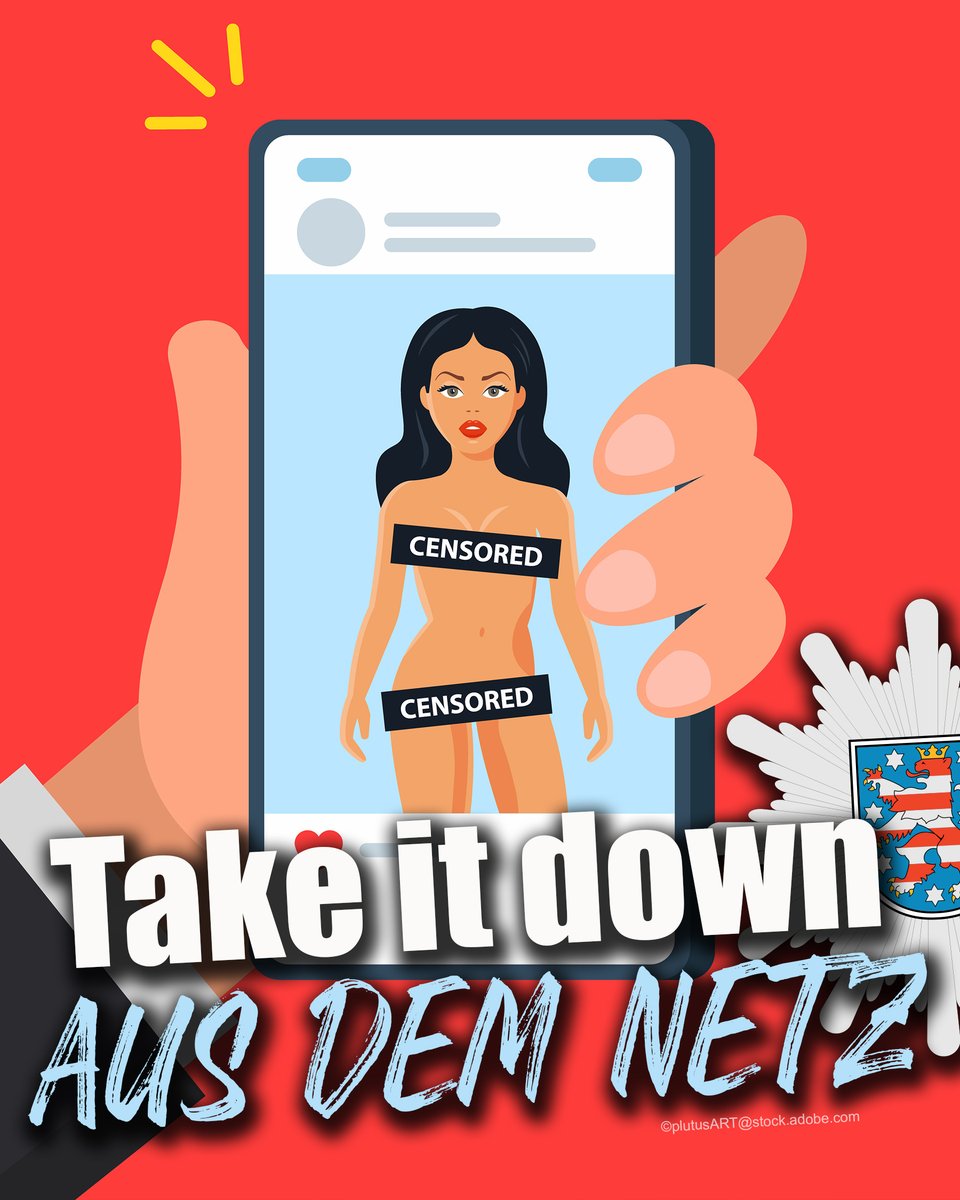
Die Horrorvorstellung: Im Internet tauchen die eigenen Nacktbilder öffentlich zugänglich auf.
Betroffene versuchen die Bilder schnellstmöglich wieder zu entfernen.
Ein neues Tool bietet nun Hilfe, die Bilder aus dem Netz zu löschen oder die Veröffentlichung zu verhindern.
Das britische Überwachungsgesetz Online Safety Bill steht kurz vor der Verabschiedung. NGOs und die Tech-Industrie fordern die Regierung gemeinsam auf, das Gesetz so zu ändern, dass verschlüsselte Kommunikation geschützt bleibt. https://t.co/7dPe4OhOxZ
Google has just updated its 2FA Authenticator app and added a much-needed feature: the ability to sync secrets across devices.
TL;DR: Don't turn it on.
The new update allows users to sign in with their Google Account and sync 2FA secrets across their iOS and Android devices.
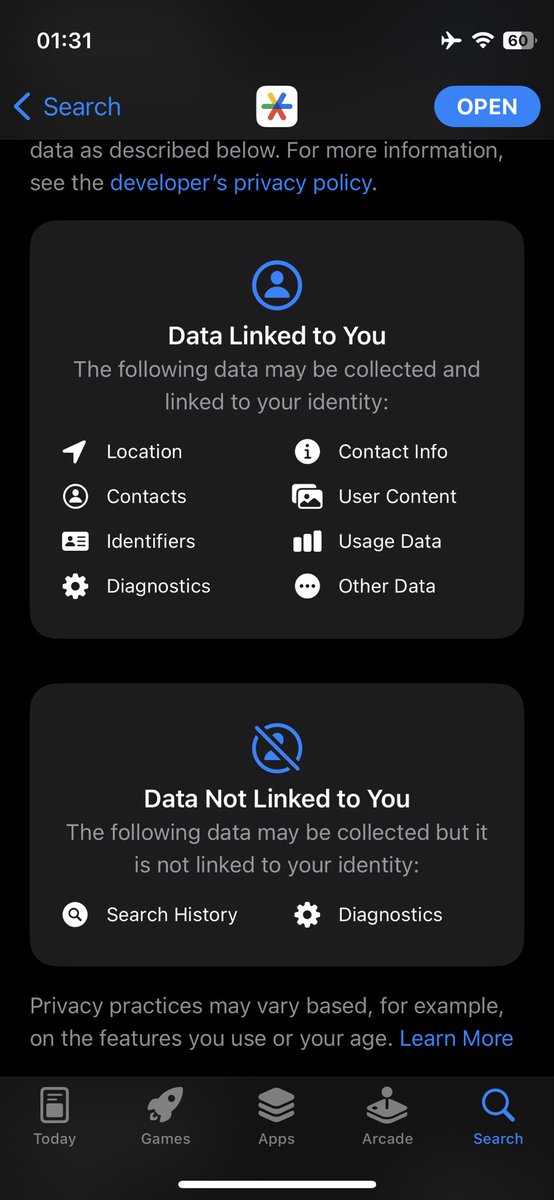
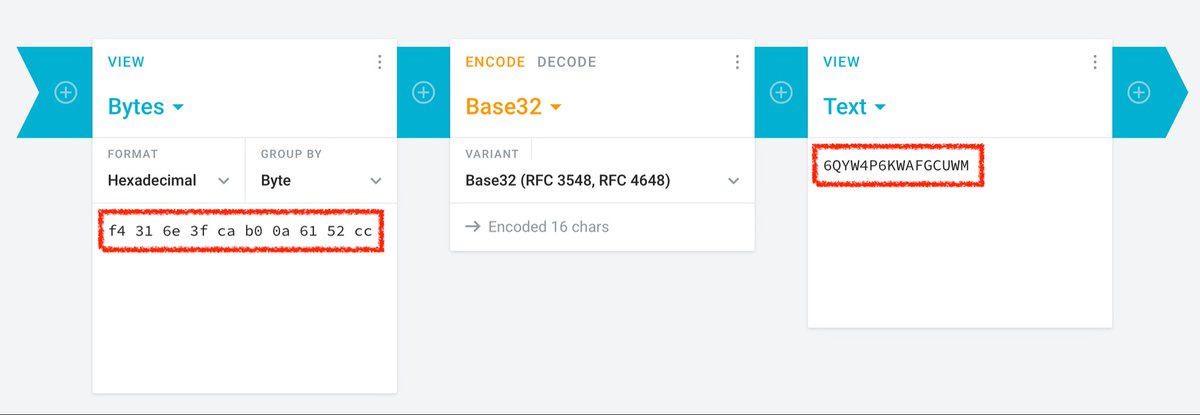
We analyzed the network traffic when the app syncs the secrets, and it turns out the traffic is not end-to-end encrypted. As shown in the screenshots, this means that Google can see the secrets, likely even while they’re stored on their servers. There is no option to add a passphrase to protect the secrets, to make them accessible only by the user.
Why is this bad?
Every 2FA QR code contains a secret, or a seed, that’s used to generate the one-time codes. If someone else knows the secret, they can generate the same one-time codes and defeat 2FA protections. So, if there’s ever a data breach or if someone obtains access to your Google Account, all of your 2FA secrets would be compromised.
Also, 2FA QR codes typically contain other information such as account name and the name of the service (e.g. Twitter, Amazon, etc). Since Google can see all this data, it knows which online services you use, and could potentially use this information for personalized ads.
Surprisingly, Google data exports do not include the 2FA secrets that are stored in the user's Google Account. We downloaded all the data associated with the Google account we used, and we found no traces of the 2FA secrets.
The bottom line: although syncing 2FA secrets across devices is convenient, it comes at the expense of your privacy. Fortunately, Google Authenticator still offers the option to use the app without signing in or syncing secrets. We recommend using the app without the new syncing feature for now.
#Privacy #Cybersecurity #InfoSec #2FA #Google #Security
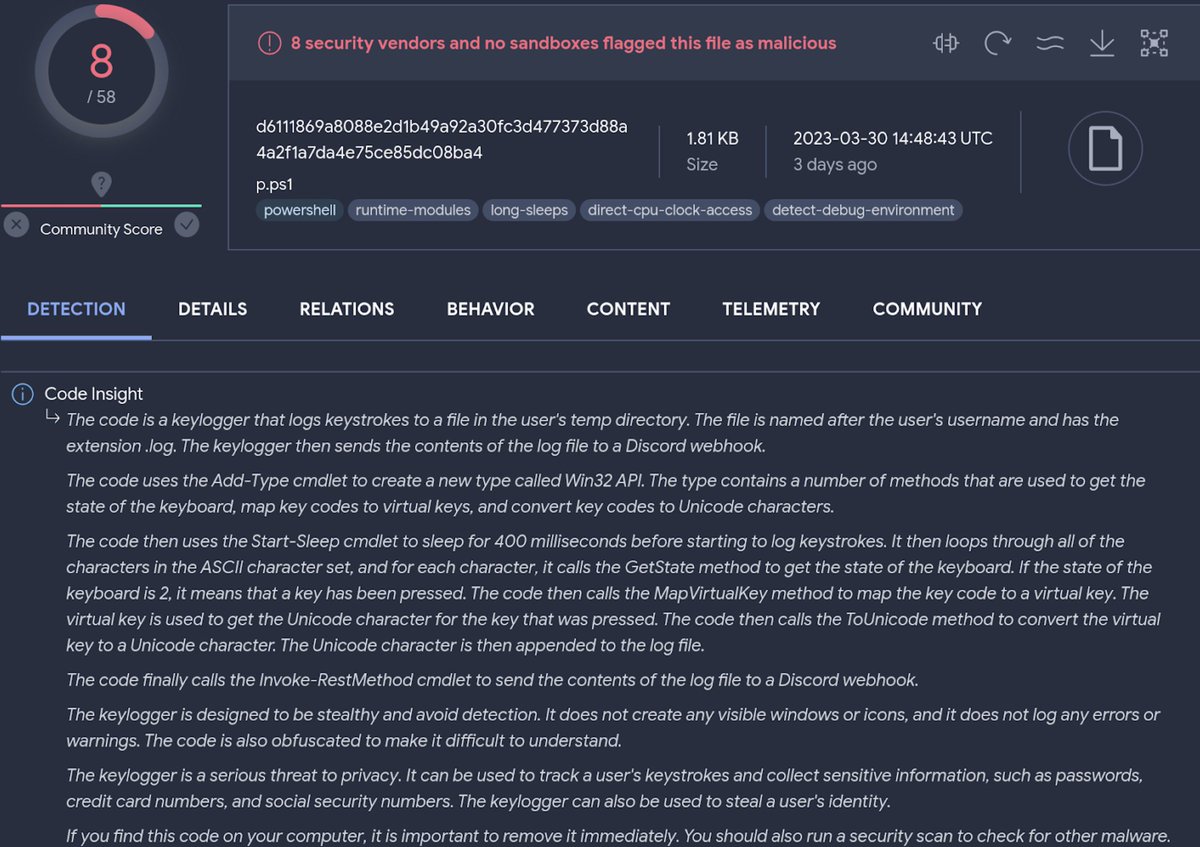
Introducing VirusTotal Code Insight: empowering threat analysis with generative AI. This tool is based on Sec-PaLM (LLM) and helps explaining behavior of suspicious scripts. Code Insight is available now for all our users! More details by @bquintero: https://t.co/TjPJxDWu6T
Let's remember that @elonmusk charging $8 for premium Twitter experience means Twitter becomes the product again, instead of you.
And if $8 is too much, you're free to remain as the product.
🔥NEW PROJECT!🔥
'The Follower' is software searching how an Instagram photo was taken with the help of AI and open cameras.
Project page: https://t.co/Djzlu3rf39
YouTube video: https://t.co/WpD3gdkPIu
Support my work: https://t.co/lP6wVXSkJ3
🧵👇
Ich verstehe das man da beunruhigt ist, aber wo ist denn das Problem? Man muss den Webseiten halt vertrauen!!111!
Das @BMI_Bund macht das bei ihrem Benutzerkonto mit dem Passwort auch so 🤡. Muss sicher sein!
https://t.co/oydBt9C6ni