Trump has extended the ceasefire. Iran has seized two ships in the Strait of Hormuz. So are we looking at more diplomacy – or more war?
1. Probably some of both. The fight has moved from the air and land to the sea. It’s no longer a matter of drones versus interceptors but rather blockade versus blockade. An economic war, focused on the Strait of Hormuz.
2. Blockading Iranian ports and denying oil revenue to the IRGC is, for the U.S., far better than the President’s oft-invoked threats to bomb power plants and bridges. It’s hard to parse who is in charge of what in Tehran, but IRGC hardliners clearly have significant sway right now. And it’s a decent bet that they care more about their own access to resources than the suffering of their people. It’s telling that Tehran’s chief demand right now is an end to the blockade.
3. The problem is that Iran has leverage too, and knows it. Its grip on the world’s economic jugular produces pain everywhere, especially in Asia. Tehran bets that it can endure the pain of a blockade longer than the world can. That may or may not be right.
4. As it turns out, Iranian control over the Strait is more useful for Tehran than its nuclear program. It generates immediate leverage, can be dialed up and down, and takes little military resources to effectuate. Where the nuclear program generated potential threats, controlling the strait produces actual ones, and with economic results in hours.
5. That lesson won’t go unnoticed elsewhere. Does Beijing conclude that it can best generate leverage in a Taiwan crisis by blockading its exports of semiconductors? At a minimum, the old notion of key geographic choke points – the Strait of Hormuz, the Bab-el-Mandeb, the Strait of Malacca – will get a new look by military planners everywhere.
6. Lesser noticed right now are the UK and French efforts to assemble a coalition that keeps the Strait open after an enduring ceasefire. This is a key element in the ultimate solution here. The U.S. – and the world – cannot simply leave an Iranian sword of Damocles hanging over the waterway. For all the President’s complaints about U.S. allies, they are mobilizing to play a vital role.
7. Beyond reopening the Strait, the U.S. will necessarily focus on Iranian enrichment and the uranium stockpile. The VP had it right in shifting the discussion from Iran’s purported right to enrich to whether Tehran is actually enriching. The latter matters most.
8. Getting a permanent deal with Iran that addresses all U.S. concerns is impossible. Critics of the JCPOA long said that a better deal was always possible, if the U.S. had only pressured more, or negotiated harder, or been smarter and tougher. Now’s the time to show it. Yet count on Iran to remain intransigent on key issues, even after its leadership has been killed, its defense industrial base destroyed, and its country ravaged.
9. The U.S. must weigh the war’s global consequences, beyond the economic. Running down missile and interceptor stocks, for instance, and focusing military resources on the Middle East, means less for Asia and Europe. Russia and China will have an enduring interest in keeping it that way, including by helping Iran recover.
10. Completely lost at this point is how it all started: the Iranian regime, just months ago, killing thousands of protestors who wished nothing more than a better, freer life for themselves and their families. Help, it turns out, wasn’t exactly on the way. And, at least in the near term, the Iranian people will be the biggest losers in this fight.
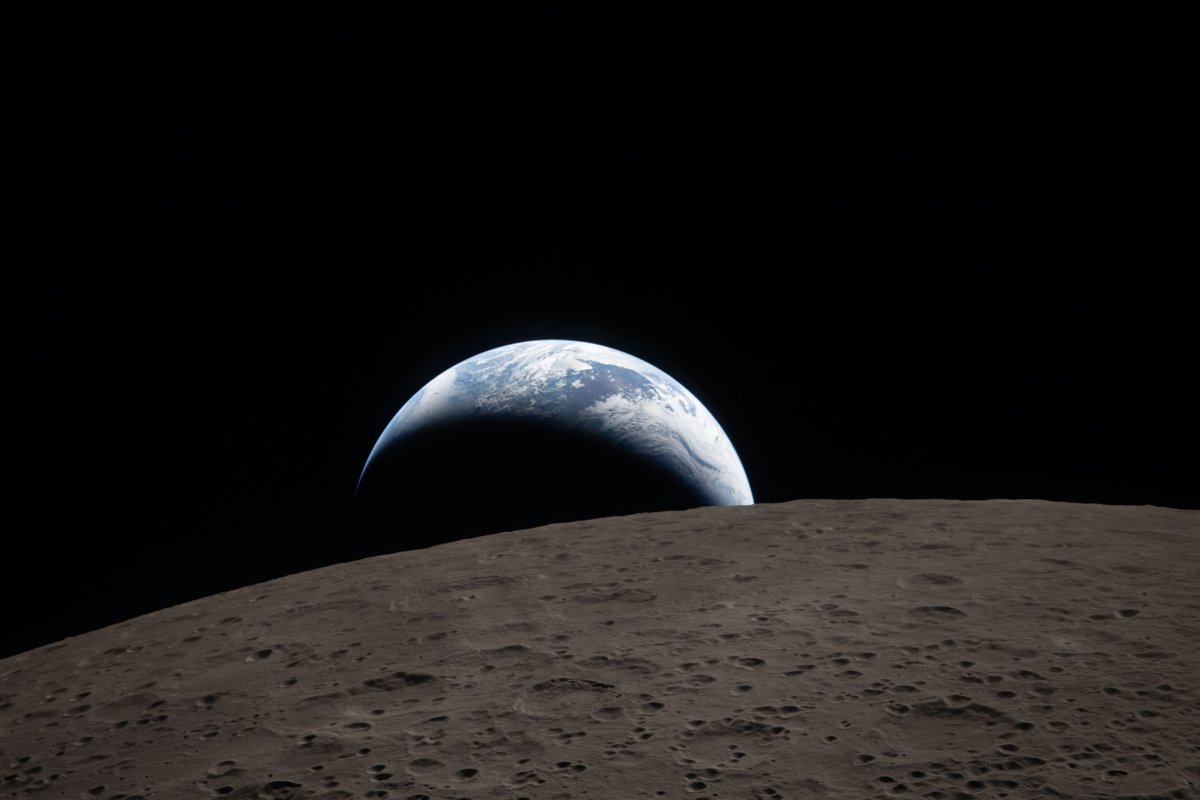
Earthset.
The Artemis II crew captured this view of an Earthset on April 6, 2026, as they flew around the Moon. The image is reminiscent of the iconic Earthrise image taken by astronaut Bill Anders 58 years earlier as the Apollo 8 crew flew around the Moon.
The Hurricane Melissa Relief website is now operational.
Rebuilding Lives. Restoring Hope.
Hurricane Melissa is a powerful Category 5 storm posing a serious threat to the lives and livelihoods of Jamaicans. In its aftermath, recovery will take every helping hand. Together, let us stand ready to protect and help families recover, rebuild homes and restore livelihoods once the storm passes.
https://t.co/7BRHrudnPM