yeah the pinning thing is rough. freeze the verifier and any upgrade bricks the immutable pools, classic hardcoded dependency. the ISA decision is the worse part though - pick wrong and you're stuck with it for decades
Right now there is a bug in EIP-8288
Privacy pools verify Groth16 proofs on chain. A quantum computer breaks that
EIP 8288 moves verification to the nodes. They check the STARK before the TX gets in the block, your contract only checks that a valid proof exists
So the draft pins contracts to the verification key hash, but
> prover gets upgraded
> key changes
> every immutable pool is dead
Basically a hardcoded dependency (we flag this in audits every month)
Proposed fix is to pin the program, ISA version + bytecode. Now someone has to pick the ISA and it stays in immutable contracts for decades
- EVM, we have it, 17 to 20x slower to prove than RISC-V, 256 bit words
- RISC-V, fast, leanVM runs it, Ethereum doesn't own it
- custom ISA, prob the fastest, doesn't exist
Not enough data to decide yet
Solidity security tip: never give a transient storage slot two jobs.
SIR trading lost its entire $355K TVL to exactly this.
How the Vault worked:
1. mint() does a Uniswap V3 swap.
2. Uniswap calls back uniswapV3SwapCallback() on the Vault.
3. Anyone can call that function, so the Vault must check the caller.
The check:
mint() stores the pool address in transient slot 1
the callback runs: require(msg.sender == tload(1)).
The bug:
At the end of the callback, the Vault wrote the minted amount into the same slot 1.
Transient storage lives for the entire tx, not for a single call. So after mint(), slot 1 no longer held the pool. It held a number the user controls.
The attack, in one tx:
1. Brute-force a CREATE2 salt until the contract address, read as a number, is an amount you can mint.
2. Call mint() with inputs that mint exactly that amount → slot 1 = your address.
3. From that address, call uniswapV3SwapCallback() directly.
4. msg.sender == tload(1) passes.
5. The callback trusts you and pays out the Vault.
An address is just a 20-byte number.
If a user can write a number into the slot you use for auth, they can become "the pool".
What I check now in every audit with tstore/tload:
- one slot = one meaning.
- clear the slot right after use.
- never auth with a value the user can influence later in the same tx.
- treat everything in transient storage as alive until the tx ends.
EIP-1153 saves gas. Used wrong, it loses the bag.
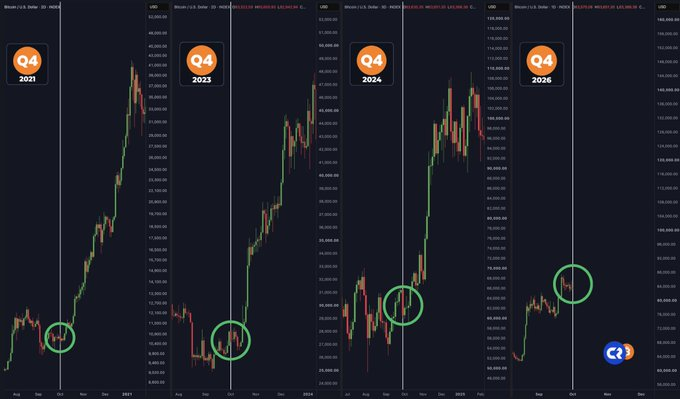
Bitcoin pushing past $87,000 to end September set up one of the cleanest chart structures we have seen all year.
Even with price cooling down toward $83,000 in early October, a quick retest of the $79,000 to $80,000 range would just be a healthy liquidity sweep before the next leg higher.
October is historically one of the highest returning months for crypto.
Brief dips into key support during Uptober usually provide prime accumulation zones.
#BTC #Crypto #Trading #Markets #Bitcoin
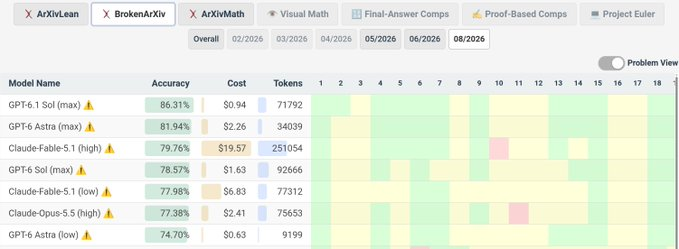
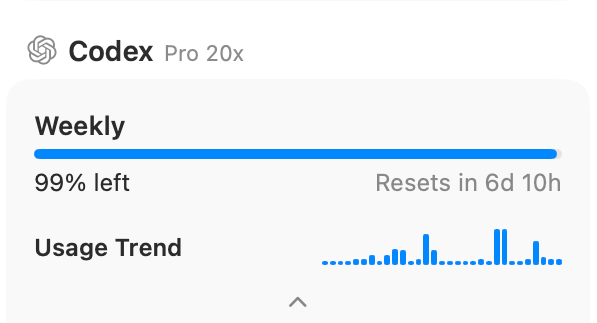
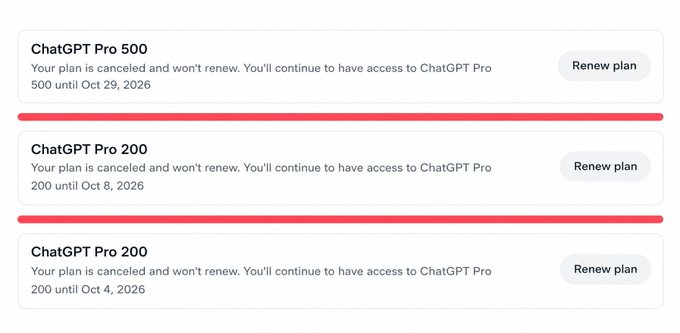
Releasing GPT-6.1 Sol while halving subscription limits shows how tight compute resources really are.
OpenAI framed the 50 percent reduction as an efficiency push, but handing out $2,500 in API credits to Pro users reveals the bigger picture. They want heavy computational workloads moved off chat interfaces and onto pay per token infrastructure.
Running frontier models at scale is hitting severe resource ceilings.
Flat fee consumer plans are turning into rate limited playgrounds while serious compute moves strictly to the API.
#ArtificialIntelligence #Tech #API #Developers #GenerativeAI