A little linguistic fact for the day: ‘Autumn’ is rooted in the French of the Norman conquerors. Right up until the 17th century, ‘fall’ was a common name for the season, short for ‘fall of the leaf’ - as opposed to ‘spring’. It was never exclusively North American.
The word 'pretext', a reason put forward to conceal a true motive, is from the Latin for 'weave in front', i.e. disguise. In Roman times, the toga praetexta was a long outer cloak that, apart from the right arm, covered the entire body.
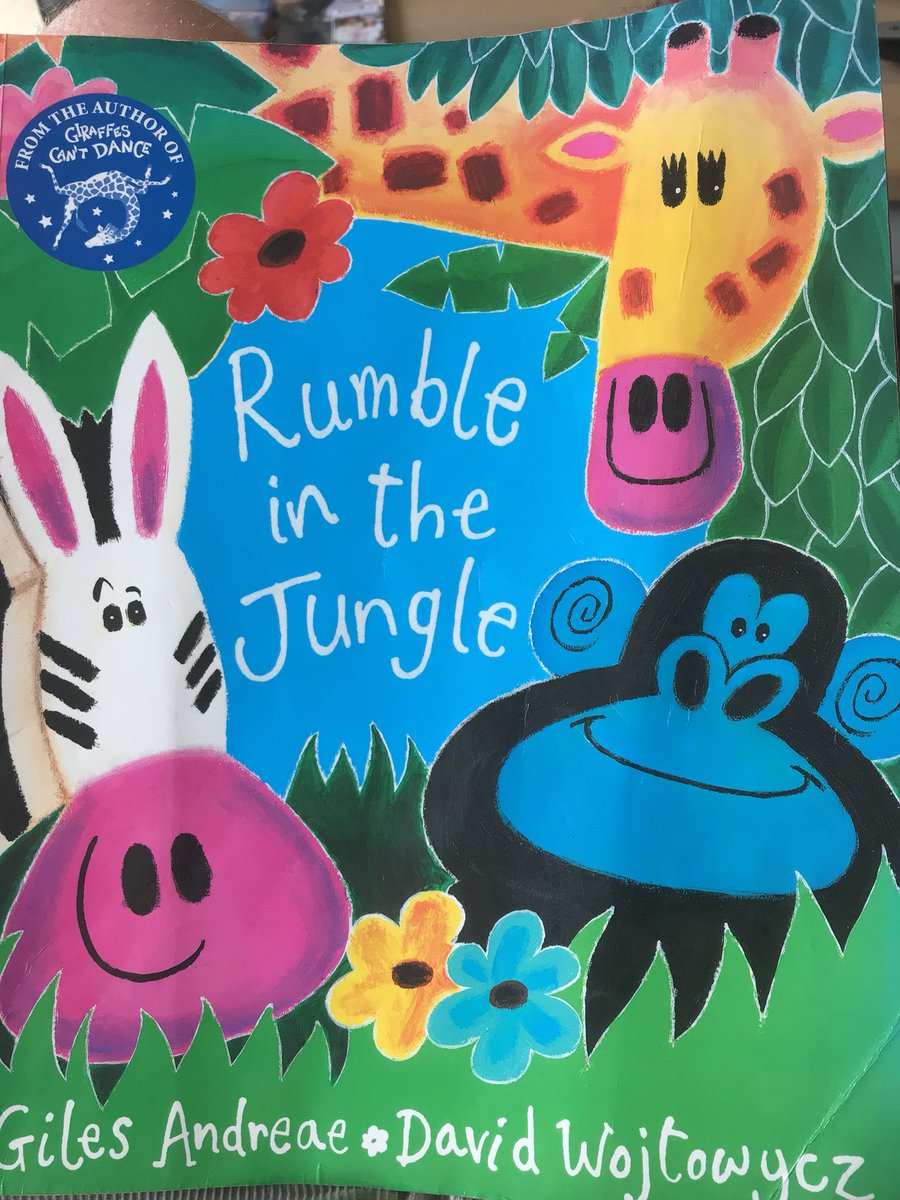
@Deanatfifty @SelbyCP@PieCorbett The children loved it and the amount of giggles was unreal at some of the https://t.co/wsJxqAP19J was the debate and discussion that followed each offering that was the best though.Can this work?Does that suit?Great activity followed by collective nouns for dangerous animals!
When you love a story, and you know your class will love that story, it makes all the difference to the learning. Some creative ideas to deepen understanding of character and motives from y4. Hooking them jn @Talk4Writing@ColeshillHeath
Hot off the press is the first edition of this year's 'Yarrow Recommends' reading newsletter. It's packed full of reviews, reasons to read and recommendations that previous classes have enjoyed! #LoveReading#readingforpleasure#WeAreReading
Wonderful inset spent with the staff at @ccshprimary. Passionate leadership, committed and enthusiastic staff... what a treat the children have in store! @Talk4Writing@BromleyWTSA
The word ‘disaster’ is a sibling of ‘asteroid’ and ‘asterisk’: its first meaning was an ‘ill-starred event’. Similarly, ‘dismal’ is from the ‘dies mali’, or ‘evil days’ in the medieval calendar: two days each month that were considered highly unlucky.
The 'bee's knees' is one of many fanciful (and nonsense) creations from 1920s America, all meaning the acme of excellence. Others included the elephant's adenoids, the duck's nuts, the gnat's elbow, the snake's hips, and the kipper's knickers. https://t.co/UtUnQ3lBQC