Superb evening in Glasgow hearing @theAliceRoberts talk about the decline of the Roman Empire and the advent of the Christian one. Can’t wait to see her again; someone absolutely at the top of their game 😊👍👍👍👍
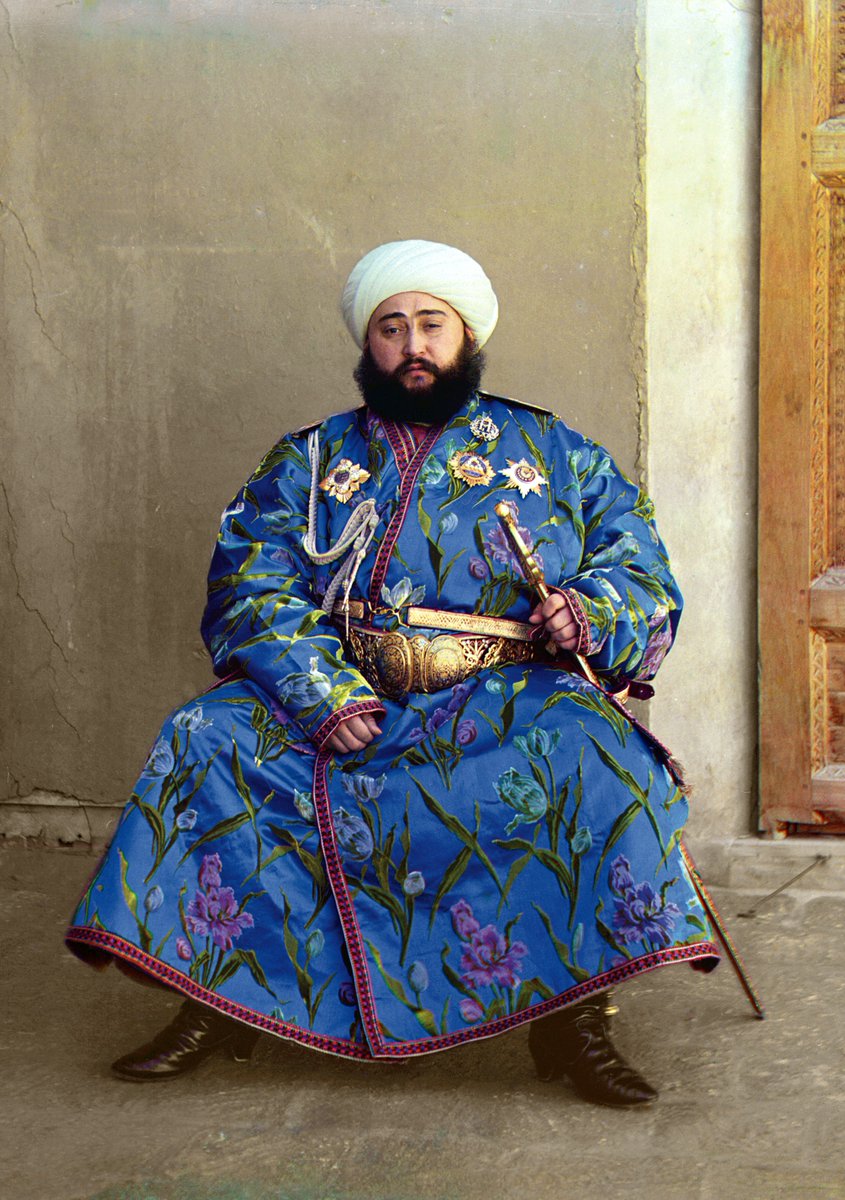
This photo is 113 years old.
It was taken by Sergey Prokudin-Gorsky, an early pioneer of colour photography.
If you've ever wondered what the world used to look like, Prokudin-Gorsky's photos will show you...
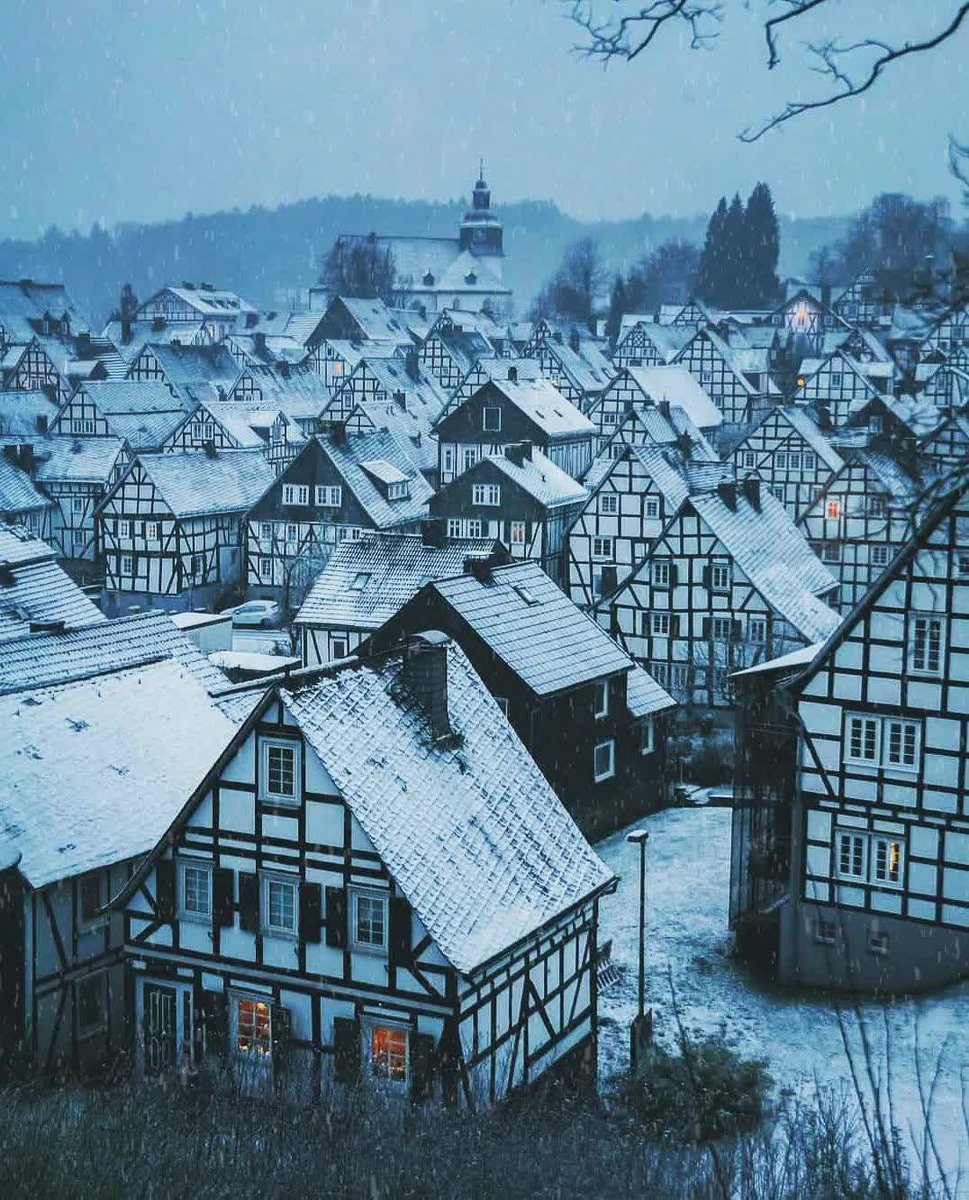
@Culture_Crit Gosh, many thanks for posting this. My building conservation background means that I will now be googling them all in order to understand which have had what rebuilding post 1945.
Germany was once home to some 25,000 castles (and palaces), roughly half of which still exist today.
These are the 15 most breathtaking examples 🧵
1. Neuschwanstein Castle, Bavaria (19th century)
The historical house, where an Italian sculptor, painter, architect, and poet of High Renaissance; Michelangelo Buonarroti (1475-1564 AD) was born, on March 6, 1475 AD. The house is located in Caprese, a small village located in Tuscany, Arezzo Province, Italy.
The Michelangiolesco Museum is an easy outing for those who have found a vacation rental in Arezzo, located within the province of Arezzo and a short distance from the city of Arezzo in Caprese Michelangelo. While the museum was opened in 1964, to mark the 400th anniversary of the death of Michelangelo, it can actually trace its origins all the way back to 1875 AD. The Michelangiolesco Museum is housed inside the Caprese Michelangelo fortress complex, which is made up of three main buildings, the Palazzo del Podestà, Palazzo Clusini and the Corte Alta, as well as a garden that is open to the outdoors. Caprese came under the rule of Florence after the town submitted to the Florentine Republic in 1384 AD, and from that point onwards Florentine podestàs, local magistrates, took turns residing in the town on an annual basis. It is in the residence of these local rulers, the Palazzo del Podestà, that Michelangelo was born on the 6th of March 1475 AD, to Ludovico di Leonardo Buonarroti Simoni, who was the reigning podestà, in the area at the time.
In the following centuries, various buildings eventually fell out of use and into ruin and the Palazzo del Podestà was used for the same purpose and later became the seat of local mayors until the second half of the 19th Century AD. This was until 1875 AD, when Michelangelo’s birth certificate was discovered and the fortress was restored. Then, in 1964, after the existing buildings and ruins were incorporated into new modern structures, the complex finally came to be a museum dedicated to the most famous person ever to have been born inside its walls. The Palazzo del Podestà and Corte Alta are home to exhibitions and the Palazzo Clusini houses the museum's ticket office and a bookshop on the ground floor and the Michelangiolesca Library is located on the upper floors.
Today, the museum is home to a wonderful collection of objects that tell the story of the town, the artist, the art, and other Italian artists. The main five thematic threads throughout the space are: the Fortress of Caprese and its history, the life and work of Michelangelo, the life and work of the astronomer Giovanni Santini who was born in Caprese in 18th-19th Century AD, small-scale Italian sculpture and 20th Century AD, Italian sculpture.
Understandably, the Palazzo del Podestà does not retain the appearance of Michelangelo’s lifetime as it continued to be used and altered and updated long after he was dead. However, the residential rooms on the first floor are decorated with non-original Renaissance furniture to somewhat recreate the atmosphere and give a sense of how it might have looked at that time. It is in these rooms that you will find a series of photographic reproductions of the fresco cycle made between 1613-1620 AD, in Casa Buonarroti in Florence by Michelangelo's great grandnephew, Michelangelo the Younger, which depicts 23 scenes from the life of Michelangelo. There are also some other works of art on display in these rooms including a 15th Century AD, triptych of the “Madonna between Saints,” by Giuliano Amidei. On the ground floor of the building there is a projection room set up in which a documentary about the life and work of Michelangelo plays, there are also copies of documents relating to Michelangelo on display, including the famous birth certificate, photographic reproductions and 19th Century AD, plaster casts of his works. This collection of casts extends into the large hall space in the Corte Alta, where copies of larger-scale pieces are displayed. In addition to all of this, there are 19th Century AD, prints of scenes from the Sistine Chapel cycle of frescoes on display on the ground floor of the Palazzo.
#archaeohistories
In April 1985, an extraordinary event took place over the Irish Sea, captured by Adrian Meredith in what would become the only photo of Concorde flying at supersonic speed. Adrian, who was flying a Royal Air Force (RAF) Tornado jet, had the opportunity to participate in a planned rendezvous with the legendary Concorde.
The Tornado, a versatile and powerful combat aircraft developed and used by the RAF, was primarily designed for air defense, ground attack, and reconnaissance missions. While it could match Concorde's cruising speed, its fuel consumption rate was significantly higher, allowing it to sustain that speed only for a matter of minutes.
Despite the Tornado's capabilities, capturing the iconic photograph posed a unique challenge. To maximize its speed and keep up with the Concorde, the Tornado was stripped of all non-essential equipment. The crew made every effort to maintain the pace, racing to catch up with the Concorde as it soared through the skies. However, due to the Tornado's limited endurance at high speeds, the crew had to make the difficult decision to break off the rendezvous after just four minutes. Meanwhile, the Concorde, an engineering marvel of its time, continued its journey, gracefully cruising towards its destination at John F. Kennedy International Airport (JFK).
Despite the Tornado's formidable capabilities as a combat aircraft, it could only briefly keep pace with the Concorde's supersonic flight. The juxtaposition of these two aircraft highlights the distinct roles they played in aviation history—the Concorde as a pinnacle of supersonic passenger travel and the Tornado as a versatile military workhorse.
Together, the Tornado and the Concorde symbolize the remarkable advancements in aviation technology during the late 20th century. Their fleeting rendezvous over the Irish Sea and the remarkable photograph captured during that encounter stand as a testament to the ingenuity, dedication, and pursuit of excellence that define the aviation industry.
Here's a thread of colour photos from the Second World War, showing various pieces of nose art by the USAAF across a range of aircraft and airfields.
Incredible art.
🧵
The story of Spitfire Bridge...
19 October, 1941.
On this day 82 years ago, Canadian pilot George Rogers decided to fly under a bridge that straddled the A33 Winchester Bypass in an act of bravado (or stupidity) in his Curtiss P-40 Tomahawk.
It didn't end well.
🧵1/4
Timely reminder (h/t @soave1000), Captain Murray Walker would have been 100 today. The officer to the left is his father, Graham, an editor and DR (and DR-recruiter) for the Royal Signals. They met by accident while Murray was crossing the Rhine in 1945 with the 4th Armoured. 🫡
Garni Temple is only pagan Hellenistic and Greco-Roman structure that has survived in Armenia and Caucasus. It was built in Ionic order, in honor of ancient Armenian god Mythra (Mihr), God of Sun, light, and purity. Name "Mythra" is synonymous with Greek word "Helios" meaning sun or sun god.
Temple is located in village of Garni, in central Armenia, around 30km east of Yerevan. It is best-known structure and symbol of pre-Christian Armenia.
- Subscribe for Detailed Post -
#archaeohistories