bags on chain 💼✨
coffee in hand ☕💳
Just secured my Spritz Card Alpha 🚀
3,000 spots. Instant funding. Visa perks. ATM for any of 50,000 tokens.
👉 https://t.co/vgRh7bmIp2
@spritzfinance#spritzcard
As we transition into the second half of 2023, inflation concerns have surfaced as a pressing issue in the economic landscape, with implications spanning from the U.S. dollar and the Euro to Bitcoin.
The Consumer Price Index (CPI) in the U.S. reached 4.9% in April 2023, exceeding expectations, while in the E.U., inflation hovers around 7%. Projections for the remainder of 2023 and into 2024 suggest the persistence of these elevated rates, bringing inflation to the forefront of financial discussions
#usa
How to invest in bitcoin for beginners
Bitcoin investing is much more accessible than it used to be. You can buy and sell crypto on exchanges using fiat currency, such as USD, or by swapping one crypto for another. Many stockbrokers and robo-advising platforms now offer bitcoin investing, too.
If you’re interested in investing in bitcoin for beginners, here’s where to start.
Consider the risks and rewards
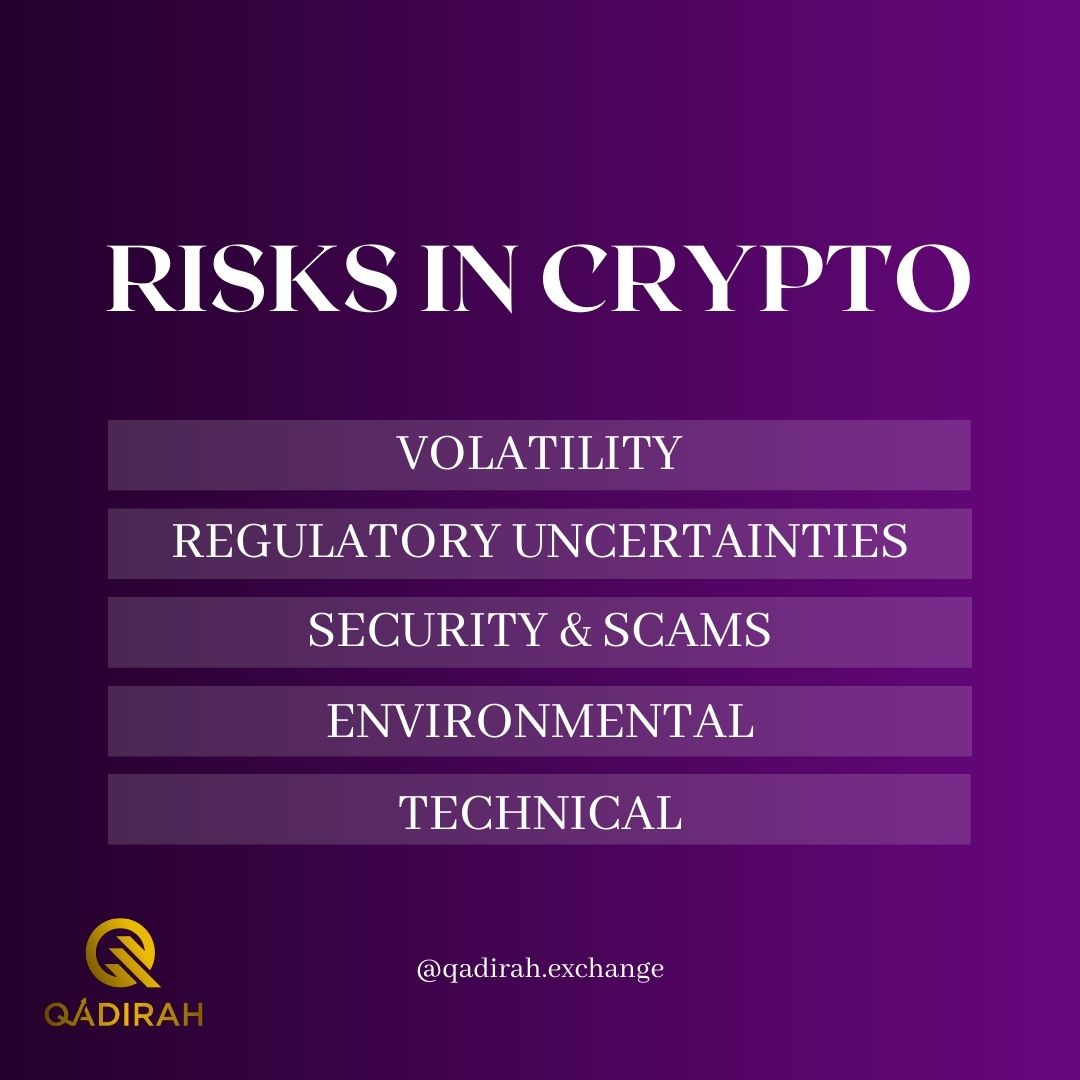
The first step to investing in bitcoin is to evaluate its risks and role in your portfolio. All cryptos, bitcoin included, carry substantial risk of loss
Due to its incredible volatility, bitcoin may not be suitable for risk-averse investors. You’ll want to consider what large price swings could mean for your current finances and long-term investment strategy.
Choose your platform
Once you’ve weighed the risks, it’s time to find a platform that offers crypto trading. Cryptocurrency exchanges like traditional stockbrokers and robo-advisors may all provide crypto access.
Cryptocurrency (or “crypto”) is a digital currency used as an alternative payment method or as an investment. Cryptocurrencies get their name from the cryptographic techniques that enable people to buy, sell or trade them securely without the need for a central authority, such as a government or financial institutions.
For example, Bitcoin was developed primarily to be a form of payment that isn't controlled or distributed by a central government; Ethereum lets developers build automated applications in what has become known as Decentralized Finance; and Tether is a stablecoin whose value is pegged to the U.S. dollar.