Do you #analyze interviews, perform literature #research or teach qualitative data analysis? Then QDAcity is for you! QDAcity is a web-based application supporting you in the execution and teaching of qualitative data analysis (#QDA).
Try it for free: https://t.co/O4lqEU9Fxh
Reliable analysis makes qualitative findings easier to trust and defend in a thesis. Strengthen reliability with test-retest, inter-rater checks, parallel forms & internal consistency.
https://t.co/abN2tN69AT
#QualitativeDataAnalysis#ResearchMethods#QDAcity
Clear codebooks make qualitative coding much easier and more rigorous, whether solo or in a team. Define rules, build consistency, and track your framework (MacQueen et al., 1998).
Explore codebook management with #QDAcity: https://t.co/ijORSryS0Z
#QualitativeResearch#QDA
Interviews are a flexible way to understand lived experience in qualitative research. They can reveal nuance, emotion, and meaning that structured formats often miss.
https://t.co/UTJ8wJUubR
#QualitativeResearch#QDAcity#QDA
Teaching qualitative data analysis means balancing theory and practice. A structured workflow can help you focus more on interpretation, collaboration, and consistent evaluation.
https://t.co/XVtfVaxzAq
#CAQDAS#QDAcity#Student
QDAcity now features a dark mode theme. Switch the UI to a darker look whenever you prefer to reduce eye strain while analyzing your data with https://t.co/HzPeWvTPFm 🌙
#qdacity#QualitativeDataAnalysis#qda#research
Your sampling strategy shapes what your study can credibly claim. In qualitative research, the right approach depends on your research goal and whose perspectives you need to reach.
https://t.co/YIFaxCfvcP
#QDA#QDAcity#ResearchMethods
Consumer research needs more than metrics. Qualitative analysis helps you understand why people choose, switch, hesitate, or stay loyal by revealing motivations, preferences, and brand perceptions.
https://t.co/WK9cmBf4Oc
#CAQDAS#QDA#QDAcity
A systematic literature review is more than an overview. It uses transparent, traceable steps to identify studies, surface gaps, and build a stronger argument. https://t.co/6TNGK1nmEi
#CAQDAS#ResearchMethods#QDAcity
Diary studies help you capture experiences as they unfold over time. They can reveal routines, emotions, and decisions in context, and add depth to mixed or multi-method research.
https://t.co/ZvrhwuUSHH
#QDA#QDAcity#Research
Qualitative surveys combine structured data collection with open-ended responses. They help you capture diverse perspectives while keeping interpretation flexible and grounded.
https://t.co/VV1TH8Mt6u
#ResearchMethods#QDA#QDAcity
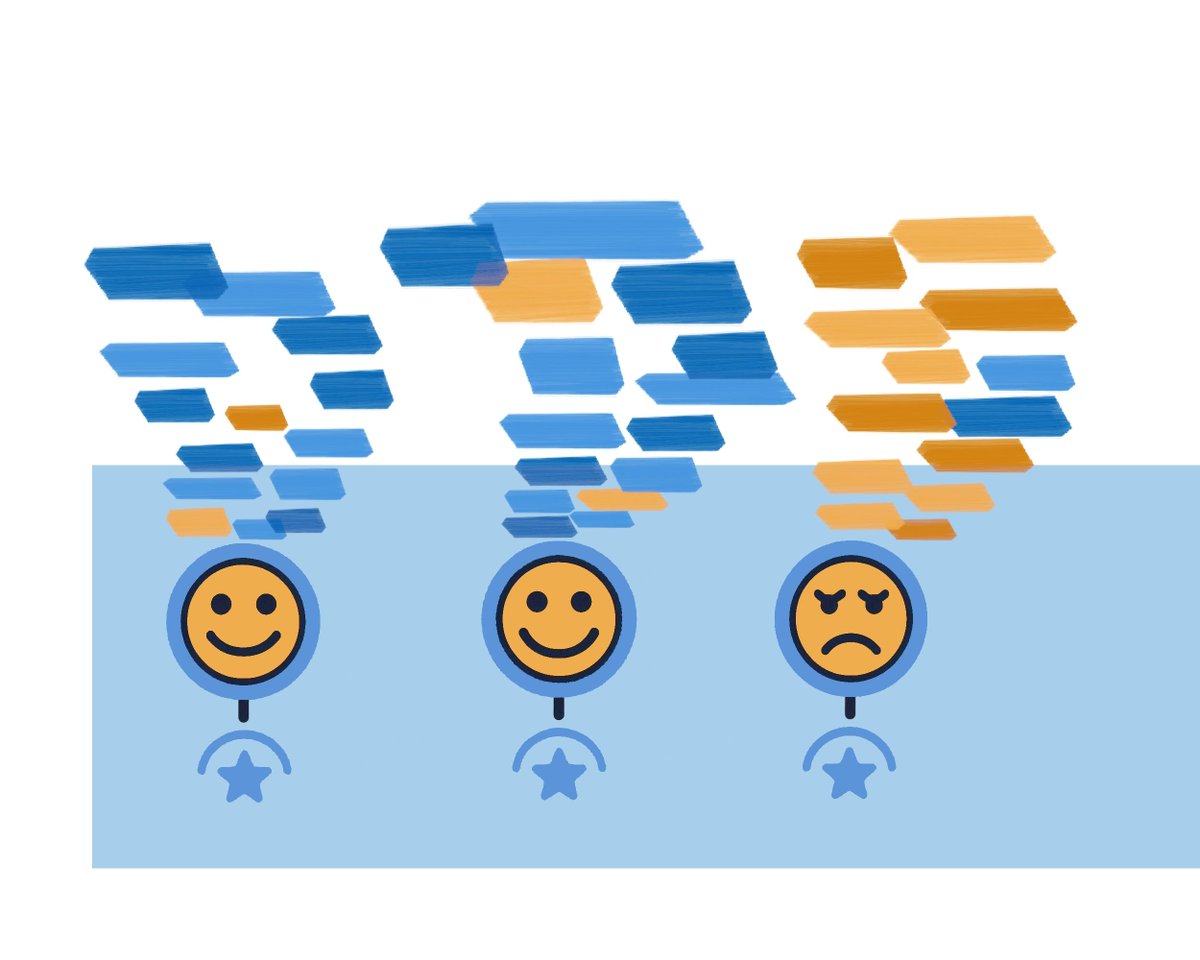
Investigator triangulation helps test interpretations by comparing how different researchers read the same qualitative data. It can reduce individual bias and strengthen transparency.
https://t.co/vwMklXUI1s
#CAQDAS#QDA#QDAcity
Grounded theory helps you build theory from data rather than impose it in advance. Using constant comparison, theoretical sampling, and iterative coding, you can develop concepts grounded in participants’ perspectives. https://t.co/7dZmuhh5Kx
#QDAcity#QDA#ResearchMethods
Negative cases can make your analysis stronger. They help you test assumptions, refine categories, and avoid overgeneralizing by letting the data challenge your early conclusions.
https://t.co/gy1ac28S02
#CAQDAS#QDA#QDAcity
Theory triangulation helps you read the same data through multiple theoretical lenses. It can reveal different layers of meaning and strengthen analysis by comparing explanations.
https://t.co/OZp0sTNNYZ
#ResearchMethods#QDA#QDAcity
Reflexivity helps keep qualitative research honest by showing how your background and position shape interpretation. It strengthens transparency, ethics, and trustworthiness.
https://t.co/LqFZcBJDpY
#CAQDAS#Research#QDAcity
Transparency in qualitative research means showing how your analysis developed. An audit trail helps make methods, coding steps, and key decisions easier to follow.
https://t.co/00b1eskAgV
#ResearchMethods#QDA#QDAcity
Peer debriefing helps make your qualitative work more defensible by challenging your reasoning early. It can clarify interpretations, uncover assumptions, and strengthen transparency.
https://t.co/drhMwj38DK
#CAQDAS#QDA#QDAcity
In theory-building qualitative research, theoretical sampling helps you decide what to collect next based on your emerging analysis. It supports depth and helps you work toward theoretical saturation.
https://t.co/2uL8nJWlwy
#ResearchMethods#QDA#QDAcity
Data triangulation helps you compare perspectives across interviews, observations, and documents instead of relying on one narrative. It can strengthen rigor and support more grounded interpretations. https://t.co/5N1G0cZzwZ
#CAQDAS#QDA#QDAcity
Open-ended questionnaire responses add meaning that numbers alone can miss. They show how participants frame experiences in their own words and can connect qualitative themes with quantitative results. https://t.co/QAnbMGYhow
#ResearchMethods#QDA#QDAcity