Insight into the day to day goings on at the QEUH. This account is run by three members of NHS staff however our tweets do not represent the NHS in any way.
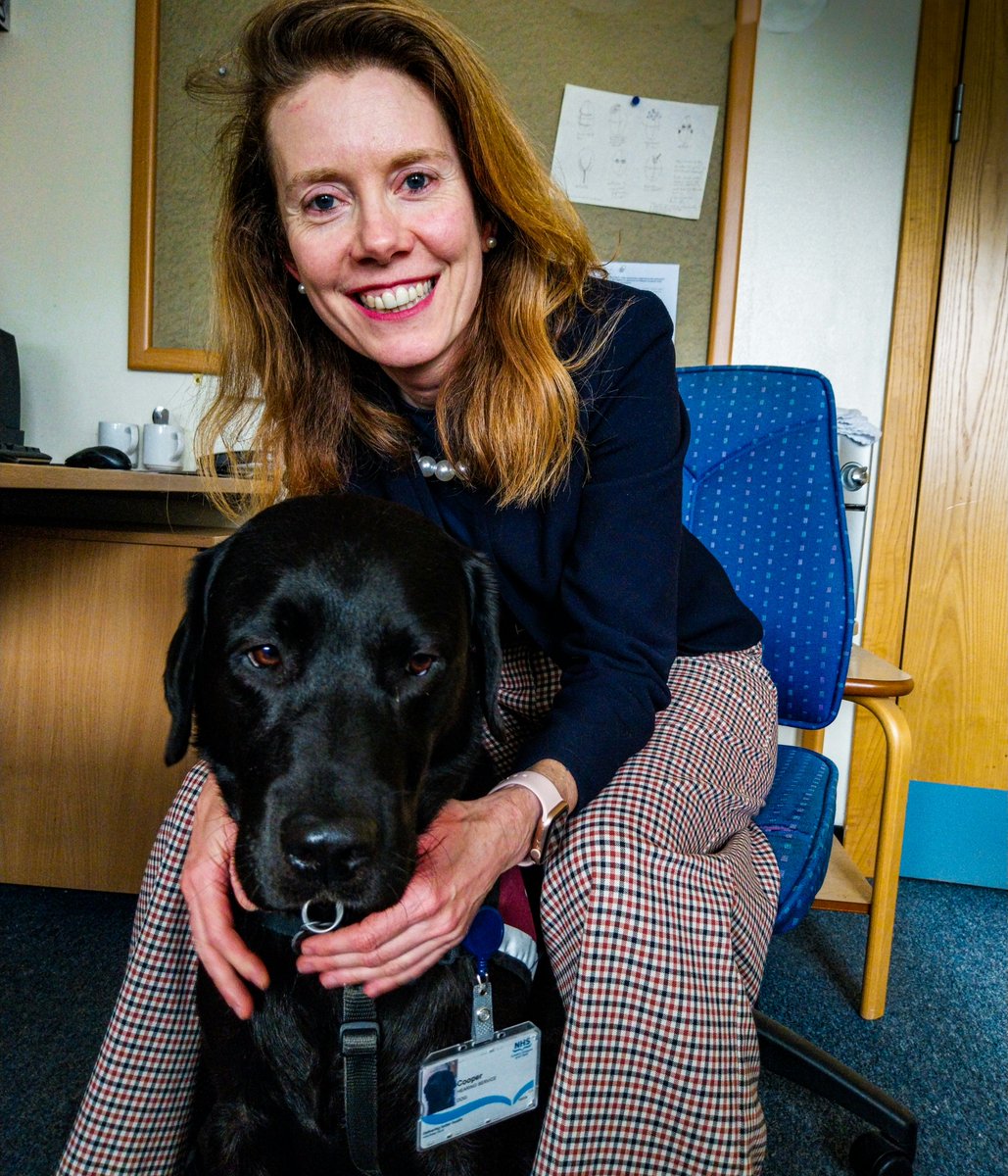
Meet Cooper, our newest team member. He's a Hearing Dog owned by Consultant Neurologist Dr Helen Grote, who joined us recently - and the pair of them are already making a big impression!
Read Cooper's, and Helen's, story: https://t.co/YnGmg9zV75
@HearingDogs#NHSGGC#QEUH
@ProfJWR Thank you for taking down the article, it was grossly inaccurate. As someone that enjoys your work I was surprised to see it as you're usually diligent in fact checking. If you want more on this I can provide details, feel free to ask.
Hi @ProfJWR, I work at the QEUH. Patients are placed on trolleys in corridors, they are also frequently treated in corridors whilst waiting for free rooms. Ignoring this problem because it's embarrassing don't help patients or staff.
@ProfJWR It's disappointing that you're willing to mislead, I value your work but this has really saddened me to see you do this in the name of some media war you're fighting. I wouldn't call an average of 12 hours short term, but then again, I'm not the one speculating.
@groo_on Having three patients being treated in the corridor beside the cleaning cupboard isn't exactly the best situation. All waiting there incase a bed becomes available inside the ward, if not, sent to another ward.
@groo_on@ProfJWR The QEUH, the same hospital that has recently implemented the 'GlasFLOW' continuous flow model. What this means is that, to reduce overcapacity at the A&E, patients are placed into corridors on wards as a means of spreading the risk around the building.
@HarryMolloy8 Please be aware, this article is incorrect. We often treat patients in ward corridors as they wait for a room to become available, it's part of the GlasFLOW 'continuous flow' model. The author of the blog has got this one wrong.