I am delighted that my article was included in this Special Volume #Repair,
Along with other contributions (@kist_c, @Noemietienne) on challenges that museum workers face on a daily basis and the political-economic implications of new museum practices
https://t.co/NwbpsGPt33
I use the lens of infrastructure studies in my research, which says basically everything goes fine until... it doesn't. Think of cases like the recent theft at the #BritishMuseum. Nobody care about things happenning behind the scenes, until... something very bad happens.
Using an infrastructure studies approach, I look at forms of background work that are carried out routinely and silently by everyday employees at the intersections of multiple lines of work in the museum. #infrastructure
Eprint available here: https://t.co/7BXX1tlXE5
The @univ_lille holds a special place in my heart, and I'm excited to present my research on the ethical approach to knowledge management in museums. Looking forward to engaging discussions and insightful sessions! #EthiqueLille
It feels like ages ago since the 3rd Conference 'Ethics in Knowledge Organization' took place in May 2015 at the University of Wisconsin-Milwaukee.
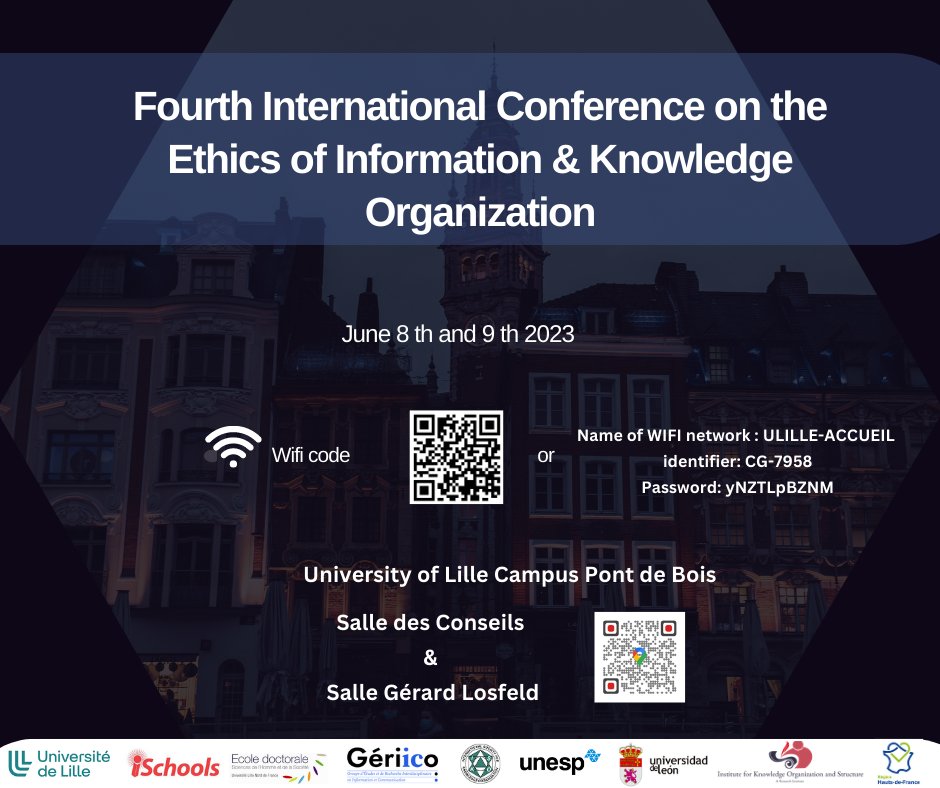
From 8-9th June, I'm delighted to be part of the 4th Ethics of Information Conference, happening at my alma mater, #EthiqueLille
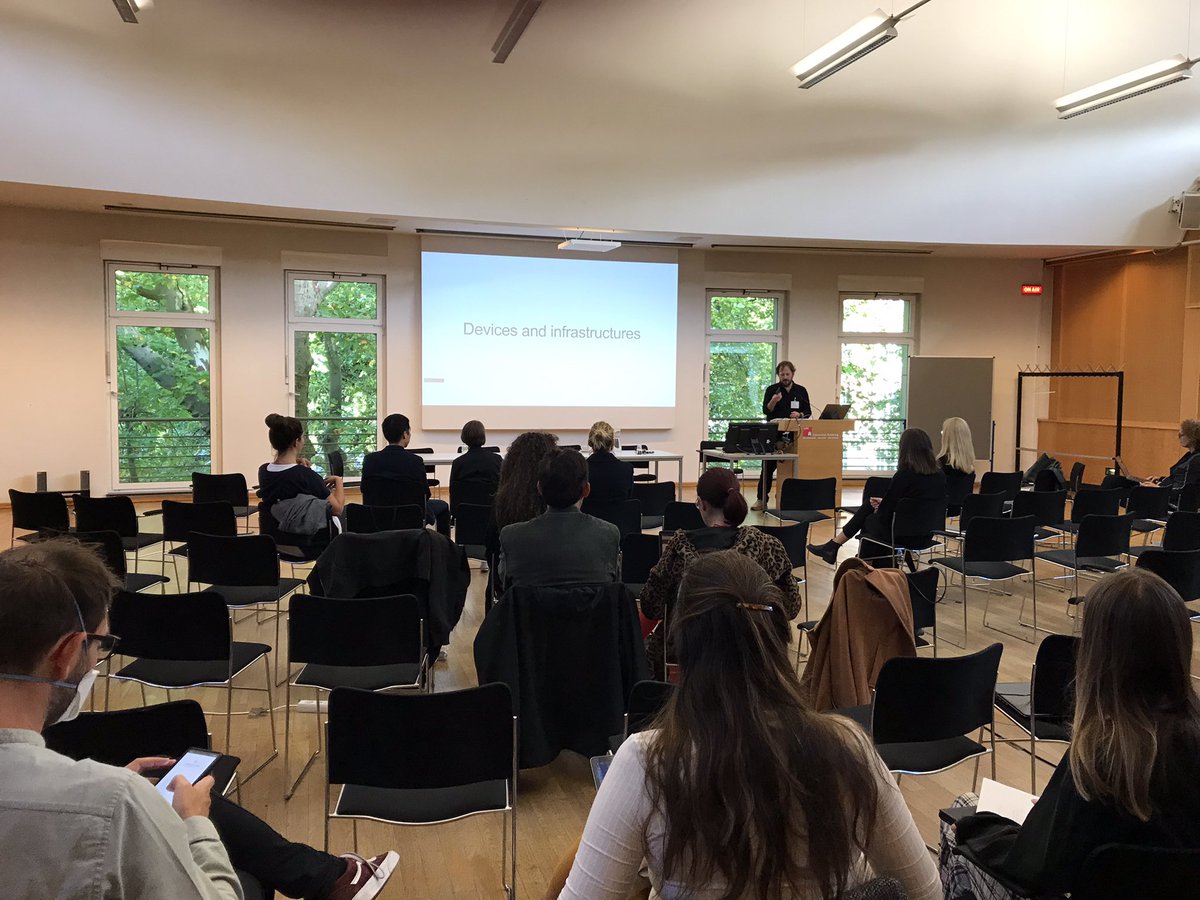
Great presentation, lively discussion afterwards at our #STShubDE panel. Librarians talking about biases, (counter) narratives and the pluriversal realities in their everyday work
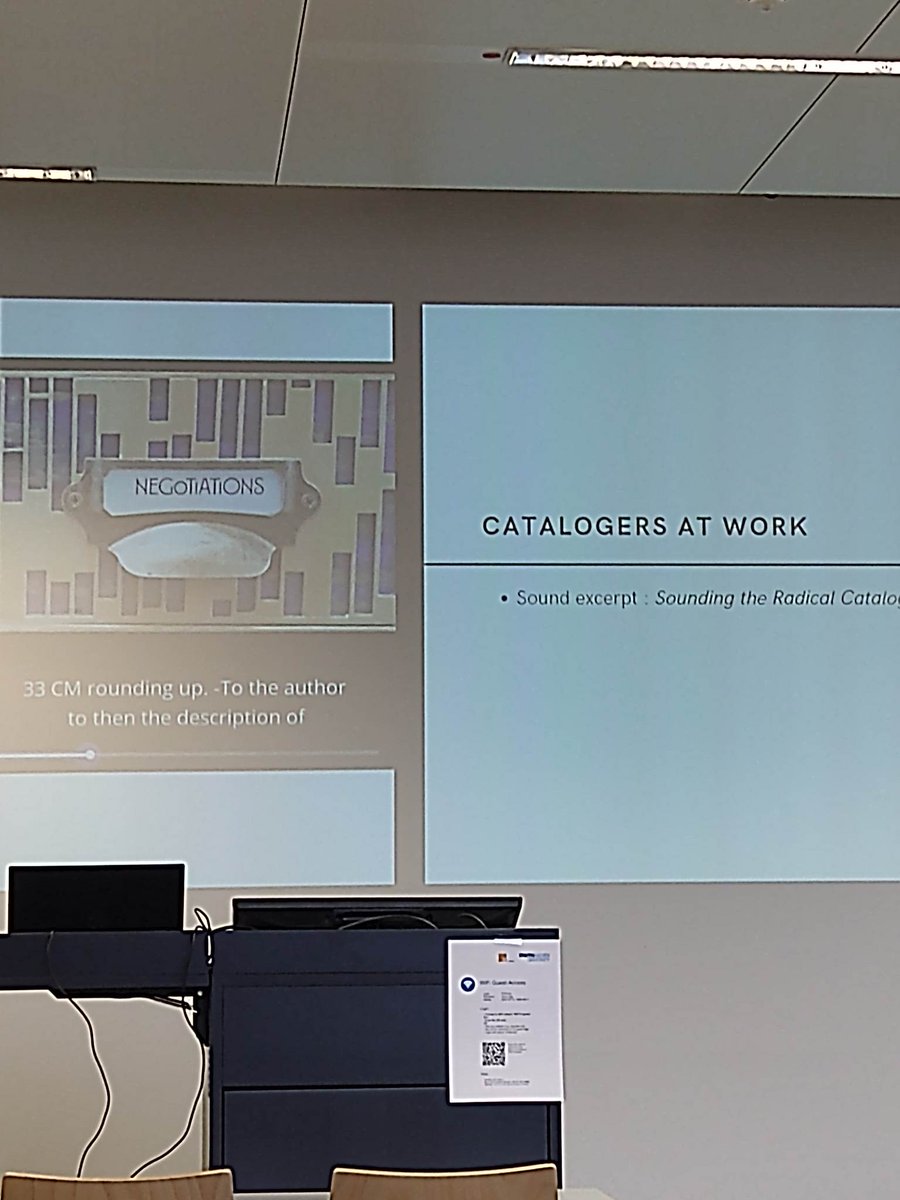
I'm in the audience for @edrabinski and @abelantara's fascinating presentation on "catalogers at work" at #STShubDe. They present rich/shocking insights (and audio recordings) of how dominant ideologies are being embedded in systems that organize libraries worldwide.
The https://t.co/mog1xEsZyd Conference has officially kicked off! Looking forward to our panel 'Metadata work with a thousand faces' tomorrow at #STShubDe from 8:30 to 10:30 #ScienceAndSociety#DataCare#Metadata
Call for Papers: The 4th International Conference on the Ethics of Information & Knowledge Organization is now accepting submissions! The conference will be hybrid, online and in person in Lille. #ethics#knowledgeorganization
for more details!
https://t.co/nIjdhBGIFM
I am delighted that my article was included in this Special Volume #Repair,
Along with other contributions (@kist_c, @Noemietienne) on challenges that museum workers face on a daily basis and the political-economic implications of new museum practices
https://t.co/NwbpsGPt33
Staff members who perform documentation work, maintenance and repair, may not be given strong voices and are only discursively present in the museum work-world they inhabit. #sts#power#invisibility
Pleased to announce the recent publication of my article on negotiations in museum work and the role of back-staged actors
“Working things out”: a back-stage examination of museum documentation. Available here: https://t.co/WZDIOXXUey
Eprint link below 👇👇
Using an infrastructure studies approach, I look at forms of background work that are carried out routinely and silently by everyday employees at the intersections of multiple lines of work in the museum. #infrastructure
Eprint available here: https://t.co/7BXX1tlXE5
Camille De Chenay and Nicholas Truong @LeMonde_EN conducted a very interesting interview with Bruno Latour. STS researchers will always look up to him as a significant source of inspiration. "There is still plenty of work to do," he said. #BrunoLatour
https://t.co/FsxAioD1OP
The anthropology discipline is unique in a way that it "enlivens" alternative how-we-live visions by suggesting new pathways through which to imagine plausible and realistic futures - Debora Lanzeni #digitalfutures2022
At #digitalfutures2022 conference, Debora Lanzeni recounts her long journey of witnessing how we - anthropologists, users and ppl working with technology - trust AI in the process of imagination and visioning