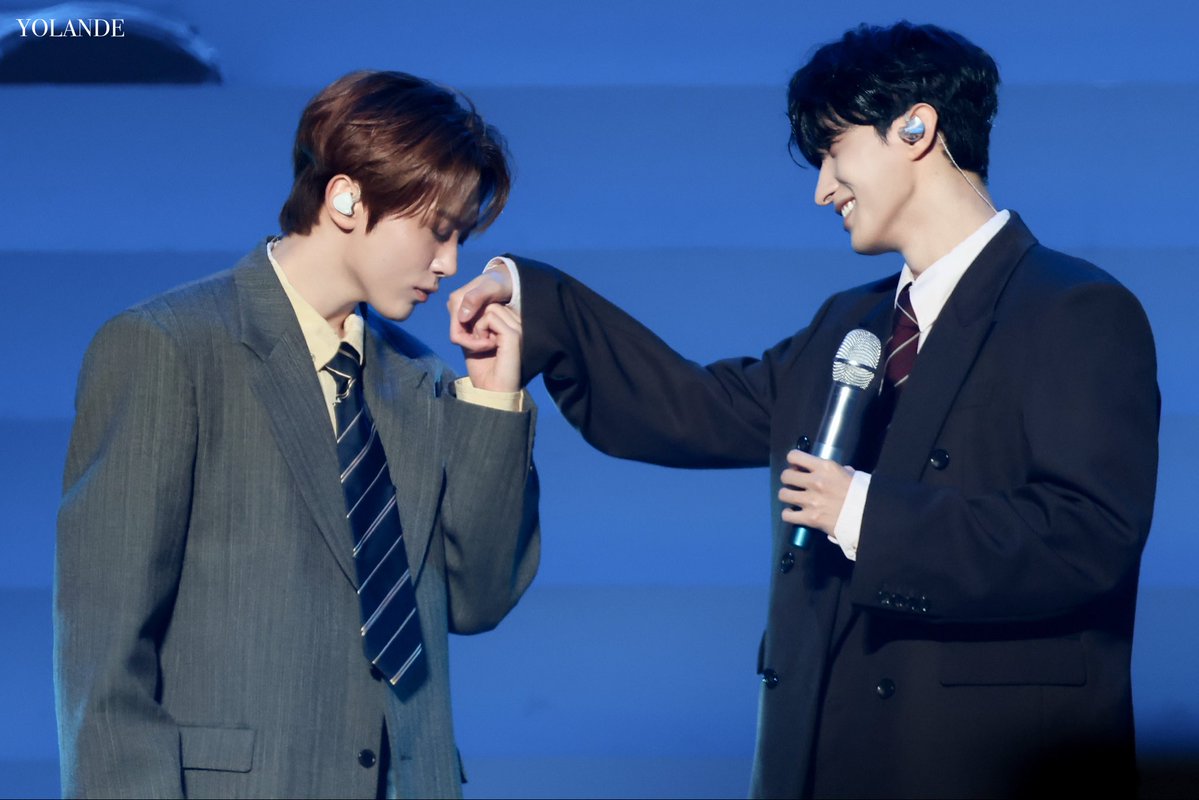
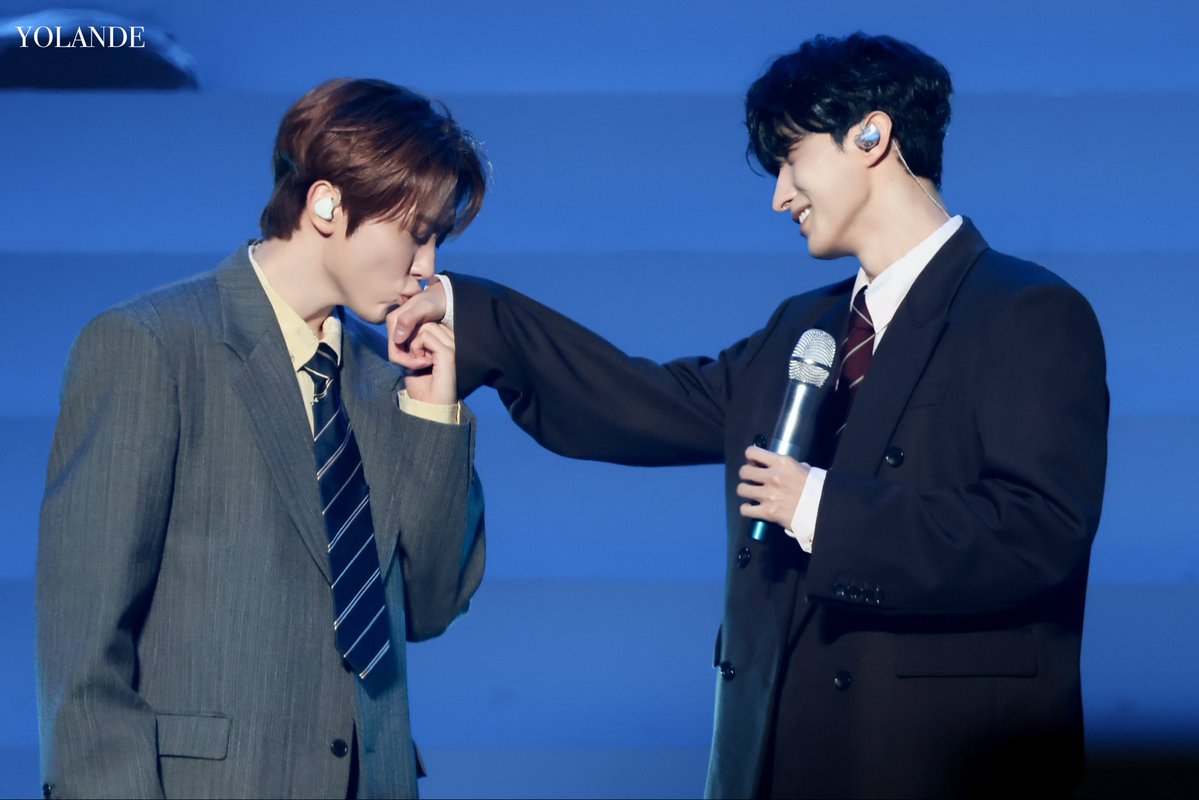
i just found out that this section was for kids who were brought to the concert through the make-A-wish foundation 😭💔
jimin going straight over to them makes this moment even more heartbreaking and beautiful 🥹
while my bf and I were out today exploring our old uni, he said he had to take a meeting on his laptop really quick and while waiting I could play this custom wordle game he'd "found" online where you put in your own word and your friend guesses. tldr here's how he proposed 🥰
Do you all remember how I was saying I won't talk about it anymore? Yeah, so I lied.
Cause I actually looked up real court cases and also wanted to talk about that Chinese producer's analysis properly.
So here is my defense case hjhjhj
The MIDI & Music Theory Breakdown
The DAW pitch overlay comparing the choruses of "Micheo Micheo" and "HANDO-CHOGUA" does show some shared scale-degree patterns which is completely standard for the genre.
BUT the tracks are literally in different keys C\#m vs Dm,
different tempos (75 vs 70 BPM),
and have entirely different chord progressions:
Micheo Micheo:C\#m--F\#m--B--E--G\#
HANDO-CHOGUA:Dm--C--F--Gm--A
Both tracks lean into classic trot/semi-trot tropes built on the Yonanuki pentatonic scale a 5-note scale (no 4th or 7th degrees) that basically rules Korean trot and Japanese enka.
Ethnomusicologist Christine Yano actually found that 27 out of 28 enka melodies she analyzed used this exact scale.
When two songs share a sub-genre, a fast tempo, and a tiny pool of just 5 notes, having some melodic overlap isn't plagiarism it’s basic math.
But isn't overlap still a lot though?
Here's the thing: courts don't just calculate a "raw overlap percentage" to decide copyright infringement. That's not how music law works. Three major US court rulings make this super clear:
Gray v. Hudson (9th Cir. 2022) — Katy Perry’s "Dark Horse" case: The court found that even though the disputed repeat pattern shared minor scale notes and a similar rhythm, basic minor scales and common chord progressions belong to the public domain. Sharing them isn't infringement.
Structured Asset Sales v. Sheeran (2d Cir. 2024) — Ed Sheeran’s "Thinking Out Loud" case: The court used a "numerosity" test since that specific 4-chord progression had already appeared in at least 8 older songs, no single artist could claim ownership over it. Sheeran won.
Skidmore v. Led Zeppelin (9th Cir. 2020) — The "Stairway to Heaven" case:Even with five separate overlapping musical elements, the jury ruled NO infringement because those elements were just standard, unoriginal musical building blocks, not a unique original creation.
Korean Precedent: Johnny Only v. Pinkfong Co. (Korean Supreme Court, Aug 2025) — the court dismissed a plagiarism claim over "Baby Shark," ruling that basing a song on a pre-existing/public-domain folk melody doesn't grant exclusive ownership over that shared source material, and found no substantial similarity between the two derivative versions.
The Takeaway
The pattern across all these cases is simple: courts look for specific creative expression, not just shared building blocks. A shared scale, standard genre tropes, and common chord structures belong to everyone.
The exact same logic applies to pentatonic trot overlap in different keys. You can't copyright a 100-year-old 5-note scale.
Sources for anyone who actually wants to read:
1. Gray v. Hudson, 28 F.4th 87 (9th Cir. 2022) — https://t.co/S5s6eqmAUE
2. Structured Asset Sales, LLC v. Sheeran, 120 F.4th 1066 (2d Cir. 2024)
3. Skidmore v. Led Zeppelin, 952 F.3d 1051 (9th Cir. 2020) — https://t.co/tM7cJ6w7Lj
4. Brooklyn Sports & Entertainment Law Blog, "The Fine Line Between Inspiration and Infringement" (Mar 2025)
5. Christine Yano, *Tears of Longing: Nostalgia and the Nation in Japanese Popular Song* (Harvard University Asia Center, 2002)
6. Wood Law Offices, "Music Copyright: Covers, Samples & Infringement
7. 한국일보 (Hankook Ilbo), "상어가족 저작권 소송 대법원 최종 승소, 핑크퐁 '베이비 샤크' 표절 아냐" — https://t.co/NVG1jQZyPV






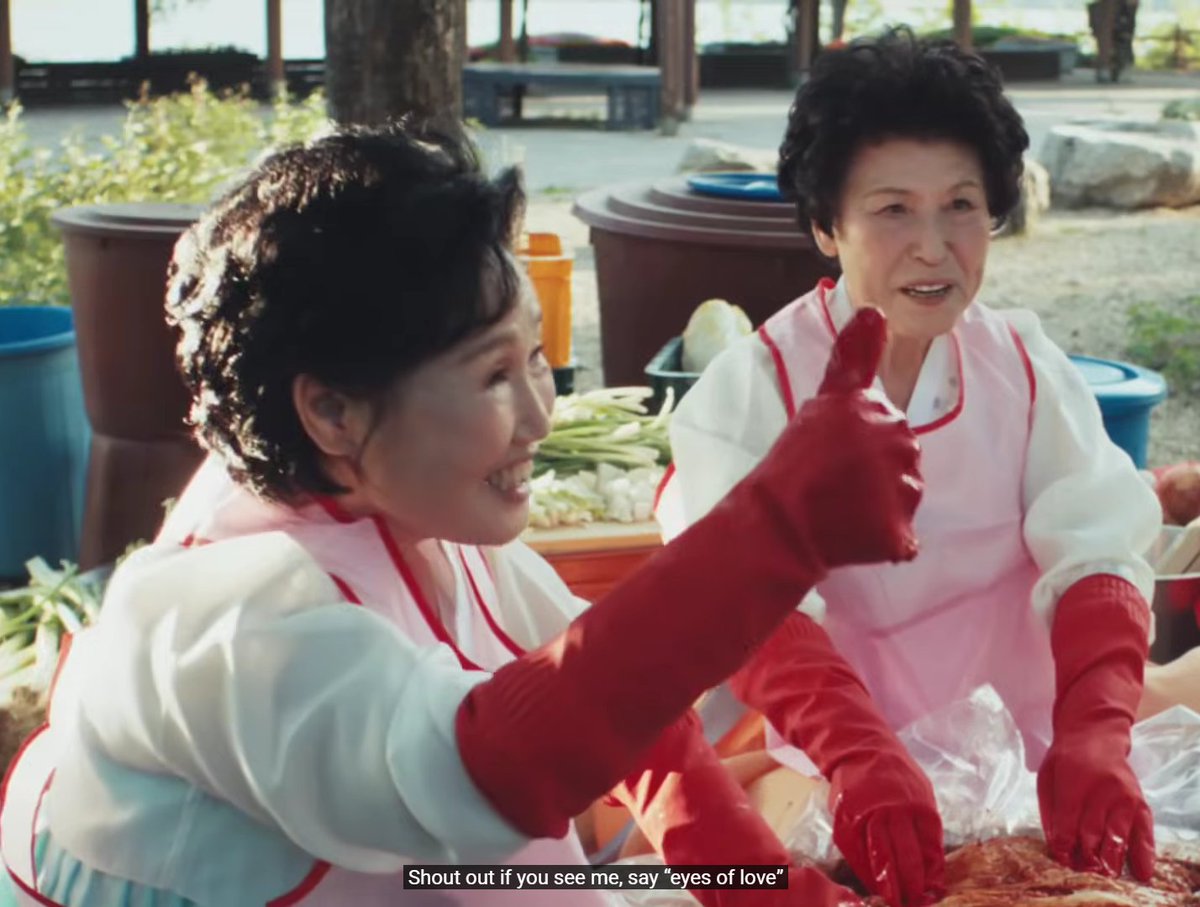



![dingo_official's tweet photo. [#딩고뮤직]
흥의 수호자 피철인, 본업 시작합니다🕺
‘吉BOARD (길보드)’ 앨범 미리 듣기🎧
[앨범 스포트라이트] 피철인 (Picheolin, 세븐틴 디노)
– 1st Mini Album ‘吉BOARD’
7/27(월) 오후 6시 딩고뮤직에서 만나보세요.
@pledis_17
#피철인 #Picheolin #앨범스포트라이트
#吉BOARD #길보드
#DINO #디노 #세븐틴
#딩고뮤직 #dingomusic](https://pbs.twimg.com/media/HOJSIcQaEAAlo4b.jpg)


