Here is great insight into politics 🎭 vs. public health🕵🏽♀️, and why we haven’t been hearing enough from my fellow #EIS alumni who should be the one’s leading in the #COVID19 response: https://t.co/qUkOZBN33A
High-quality, population-based COVID-19 surveillance is happening. COVID-NET finally gives us denominator! 🙏@CDCgov 💪🏽💪🏽Drs. Shikha Garg & Lindsay Kim #EIS#COVID19 https://t.co/ab1mMjUpDa
What are we doing to support the mental health of health care workers on the frontlines of the COVID-19 response in the U.S.? Can we learn from the intervention teams established in Wuhan, China?https://t.co/VhMwhrmLzU #COVID19
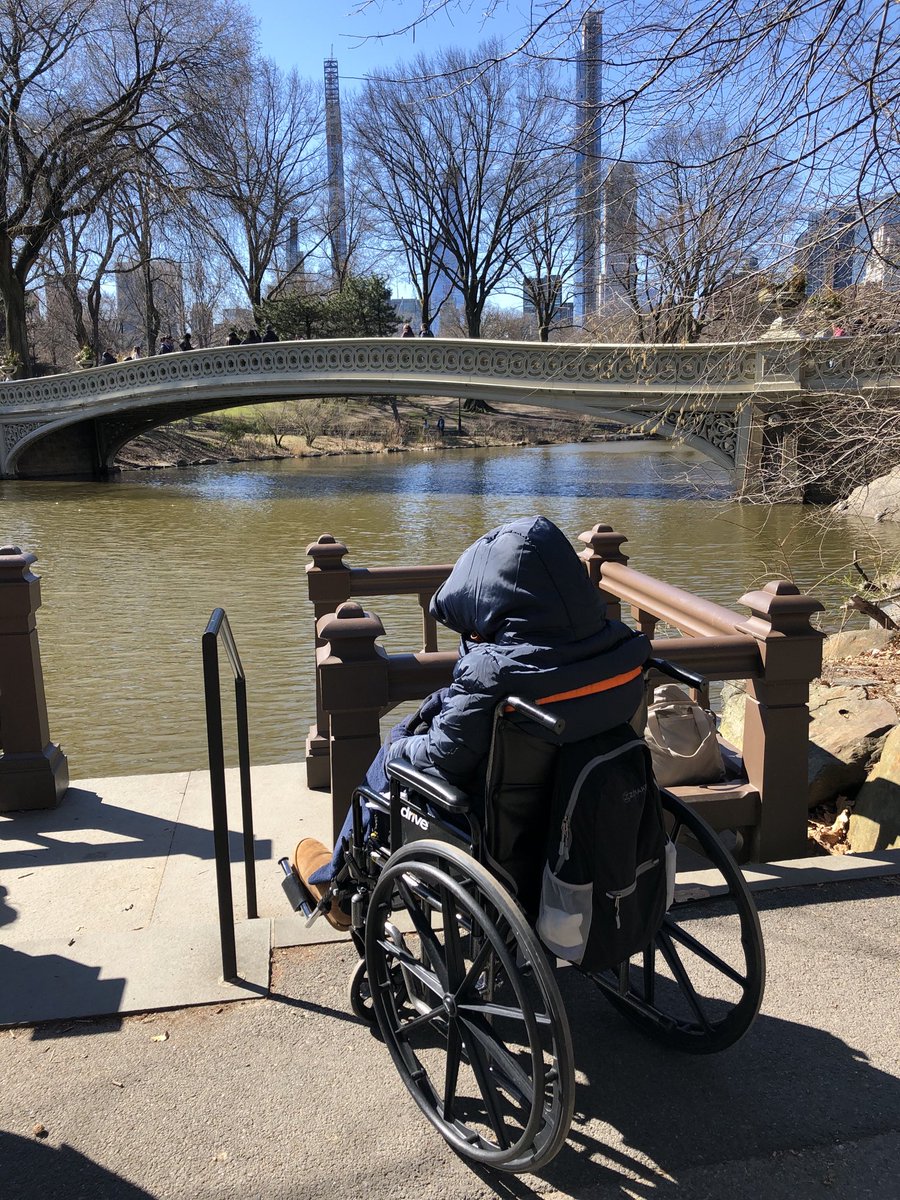
Epidemiologists suggest #SocialDistancing to reduce the spread of the novel #coronavirus. Here in New York City’s Central Park, we can see many ways of being outside yet far from one another. Let’s keep the importance of our interconnectedness with each other & nature a priority
Today is #InternationalWomensDay and we recognise that women are still far from equal to men in today’s societies.
We can not have climate justice without gender equity.
And remember; what we women want today - and every day- is equality, not congratulations or celebrations.
Teens are our society's innovators! Their brains allow them to think more creatively. How do we harness this energy and provide them the opportunities and spaces to leverage these abilities? #youthdevelopment#sel https://t.co/sTkZhFCjqw
Too often we fail to ensure there is shared terminology in #evaluations of youth programs. Without common terms, like these @ChildTrends resources, practitioner’s perspectives are often overshadowed by those stakeholders who are familiar with the lingo. Language=💪🏽.
Practitioners, grant writers, and program managers aiming to support youth and young adults can use our new glossary to learn about commonly used terms in the field. https://t.co/jDKypXvgD7