"It is really inspiring to see the entirely odd behavior of quantum particles on a very fundamental level," PhD student Elisabeth Wagner, winner of the SQA Scholarship on studying #quantum.
Apply now for the 2021 @SydneyQuantum PHD #scholarship: https://t.co/qPwVrTEmXY
#STEM
What a ride it has been!
✅ 7,000km
✅ 40 towns and cities
✅ 25 schools
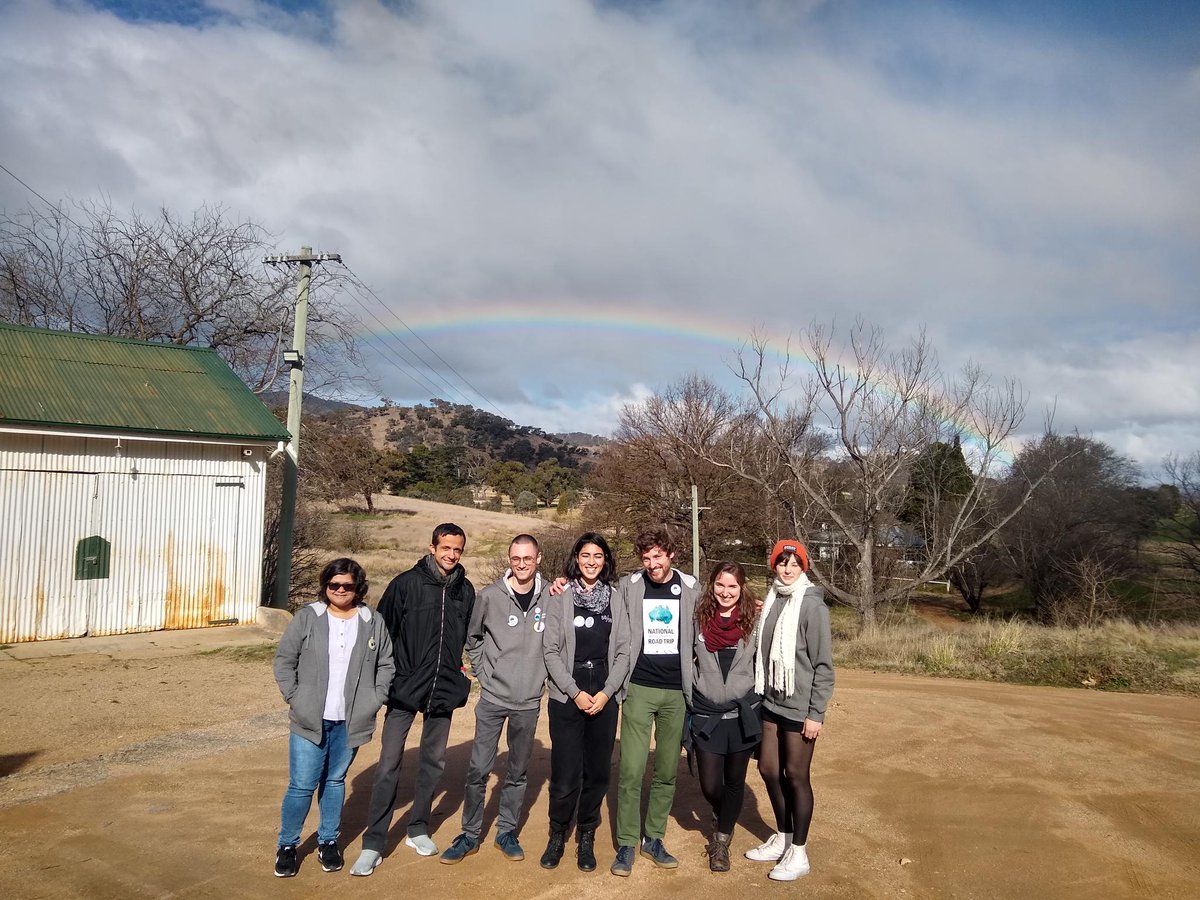
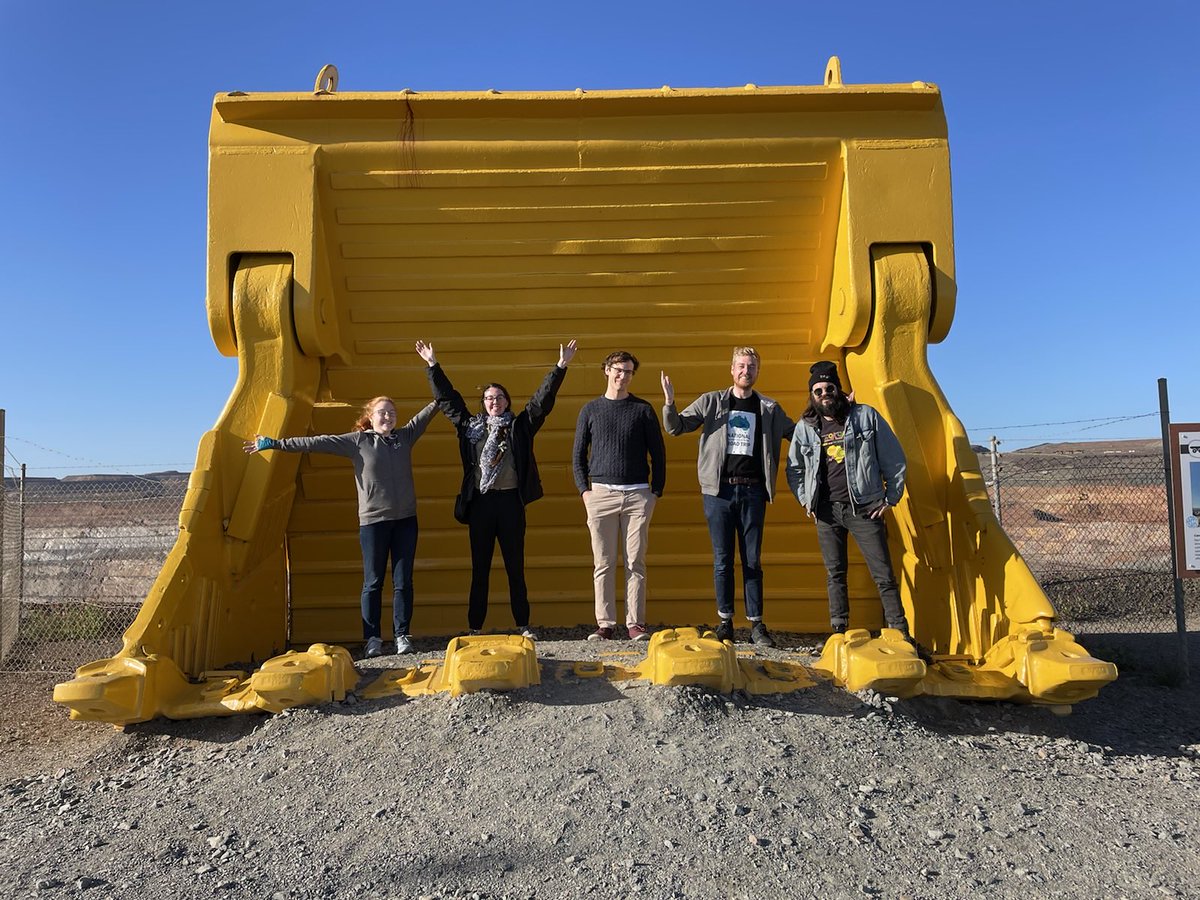
We had a ball spreading the word about #quantum and #darkmatter science across Australia.
Thank you @Aus_ScienceWeek and all the schools and communities that welcomed us.
@ARC_EQUS @ARC_DMPP@arc_gov_au
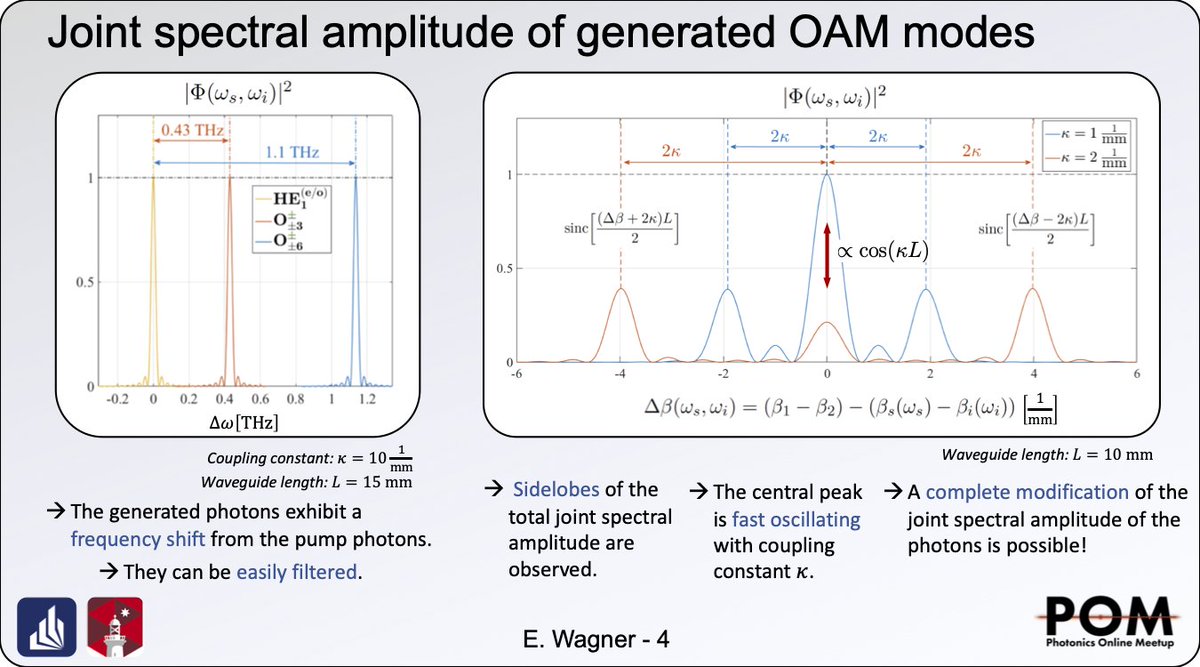
@LundeenOttawa@MikolajKSchmidt@magneticlemur@unipb @MQPhysAstro @dfg_public@PhotonicsMeetup This means that in principle, say, a left-circularly polarized photon with zero OAM could indeed couple to a right-circularly polarized photon with non-zero OAM without such a helical grating as the total angular momentum of the process would be conserved.
@LundeenOttawa@MikolajKSchmidt@magneticlemur@unipb @MQPhysAstro @dfg_public@PhotonicsMeetup In general, only the total angular momentum (= orbital angular momentum (OAM) + spin angular momentum) of the process needs to be conserved, where in this case the spin is referred to as the polarization as we are dealing with photons.
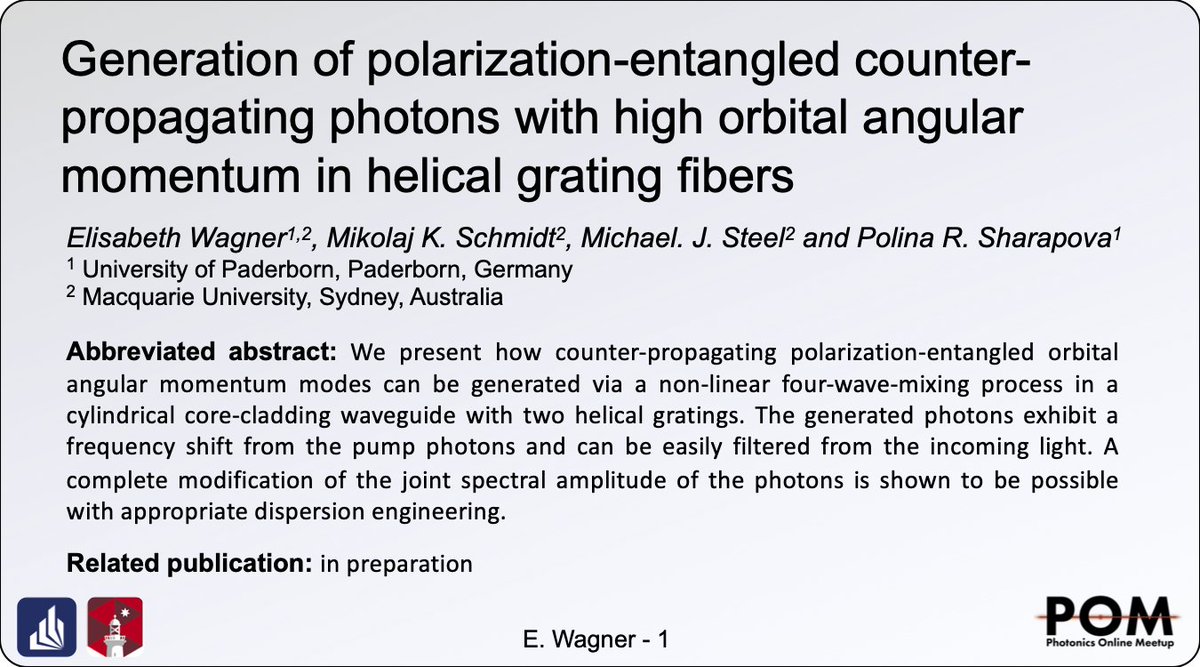
@igordownunder@PhotonicsMeetup@MikolajKSchmidt@magneticlemur@unipb @MQPhysAstro @dfg_public Yes! The trick is that the photons exhibit (depending on the grating) different vortex states, but are entangled in their polarization degree of freedom – not in their orbital angular momentum states.
Hope this answers your question!